If chandler hendry is the phrase that pulled your group chat toward dinner in Los Angeles tonight, keep the plan grounded. A name moving through conversation is not evidence of a local appearance, a restaurant booking, an endorsement, or access to anything private. What it can do is give you a reason to organize a better public night out: pick a dining zone, check official restaurant and transit information, confirm health and access details, and build a second choice before hunger turns into bad decision-making. Los Angeles rewards flexible diners. The city’s official tourism guide describes a dining scene that ranges from street food to Michelin-starred restaurants, with global cuisines, casual patios, and modern dining rooms all in play.
Want a dinner route checked before you leave? Text Karpo with your neighborhood, group size, transit preference, and backup tolerance, and ask for a verification-first plan.

Use the trend as a dinner conversation hook
The clean way to use chandler hendry in a Los Angeles dinner plan is as a social hook, not as a claim. Do not tell friends that a person is appearing, hosting, dining nearby, or connected to a venue unless that is confirmed by an official public source. For this route, the search term simply starts the conversation: where should we eat, how hard will it be to get there, and what do we do if the first room is full?
That matters in Los Angeles because restaurant decisions often collapse under three pressures: traffic, unclear hours, and overconfident assumptions. The official Los Angeles tourism dining page frames the city as broad and varied, from street food to Michelin-starred restaurants, which is useful but also a warning. A city with that much choice needs filters. Start with geography, then mood, then verification.
Set one rule for the group: nobody commits to a cross-city dinner until someone checks the restaurant’s own page or current official listing, the travel route, and a realistic backup. If the point is conversation, the room still has to work for the people actually eating there.
Choose the room before choosing the menu
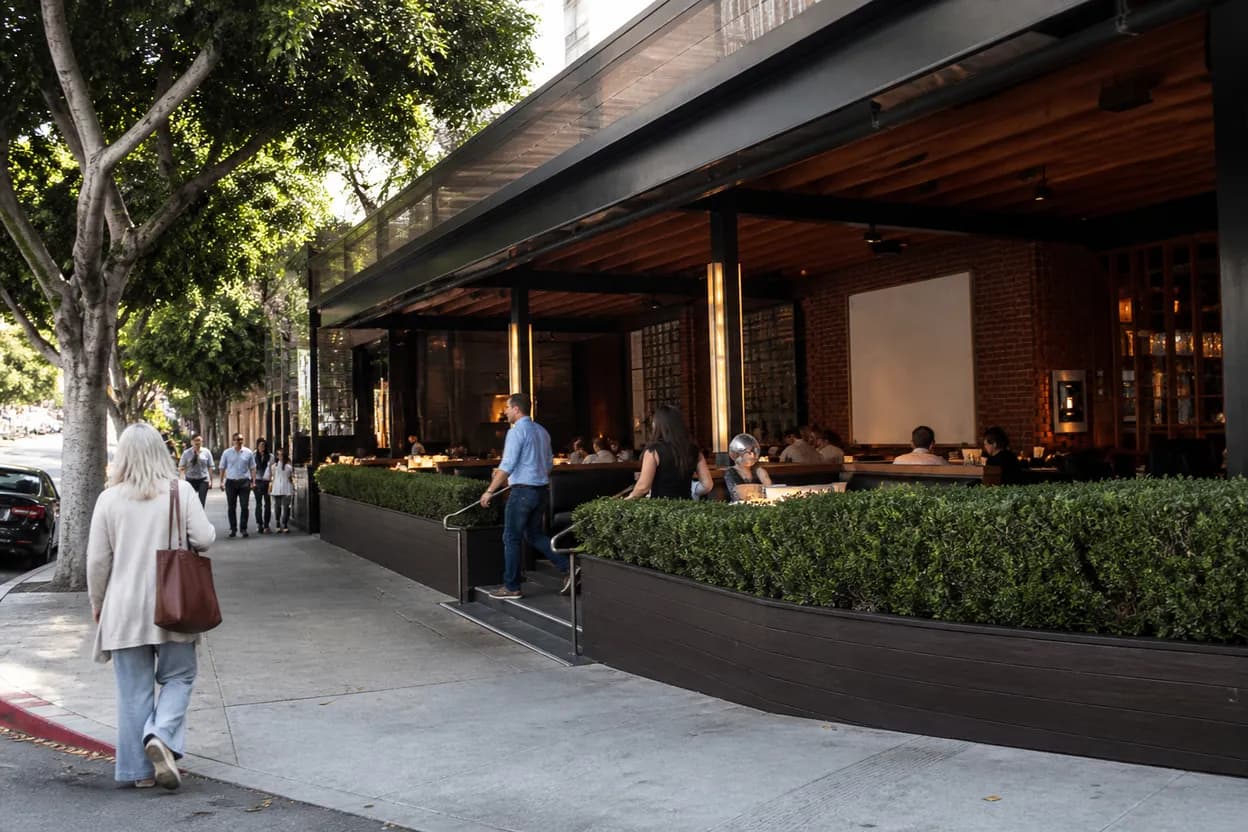
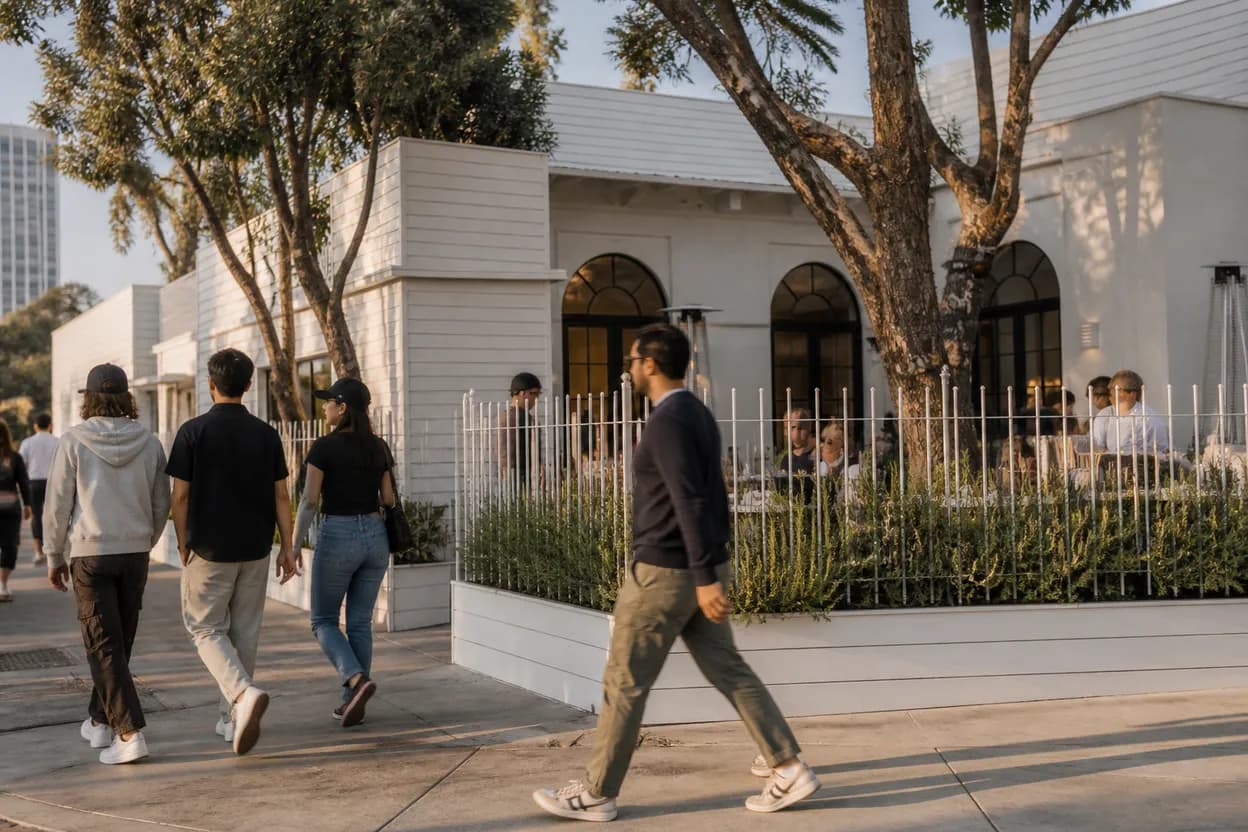
Los Angeles dining is not just about what is on the plate. The official tourism page points to sleek modern dining rooms, casual oceanfront patios, street food, global cuisines, and local hidden gems. Those are different nights. Before debating tacos, KBBQ, vegan brunch, pizza, dessert, or a romantic restaurant, decide what kind of room your group can tolerate after work, after traffic, or after a long day in the city.
For a weeknight plan, choose between three practical formats. A seated restaurant works if the group wants one table and a defined pace. A market or hall works if people disagree on cuisine or arrive at different times. A neighborhood crawl works only if the first stop and backup are close enough that the group will not spend dinner moving instead of eating.
Do not rely on old screenshots or social posts for operating details. If hours, reservations, accessibility, patio status, or service format matter, verify them on the restaurant’s official page before leaving. If the official information is unclear, assume the detail can change and choose a more flexible first stop.
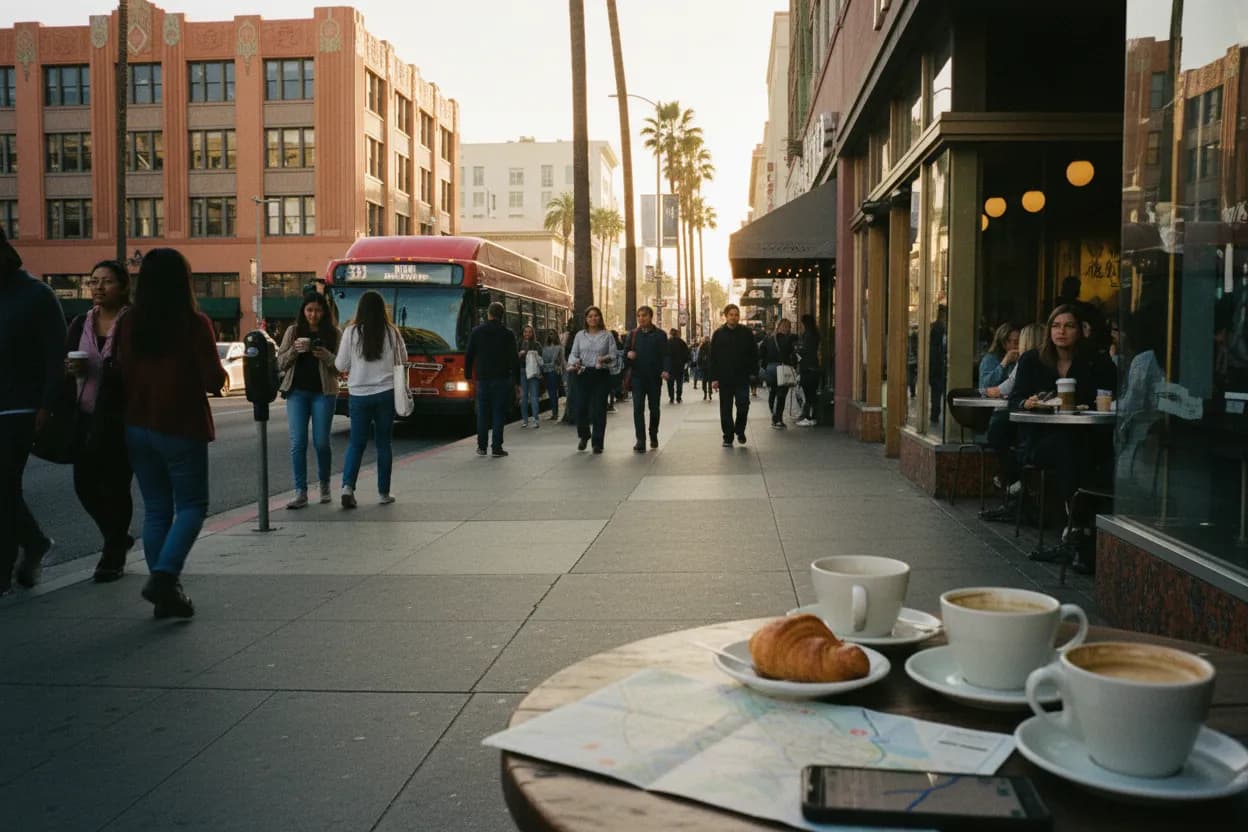
Match the market or hall to the group
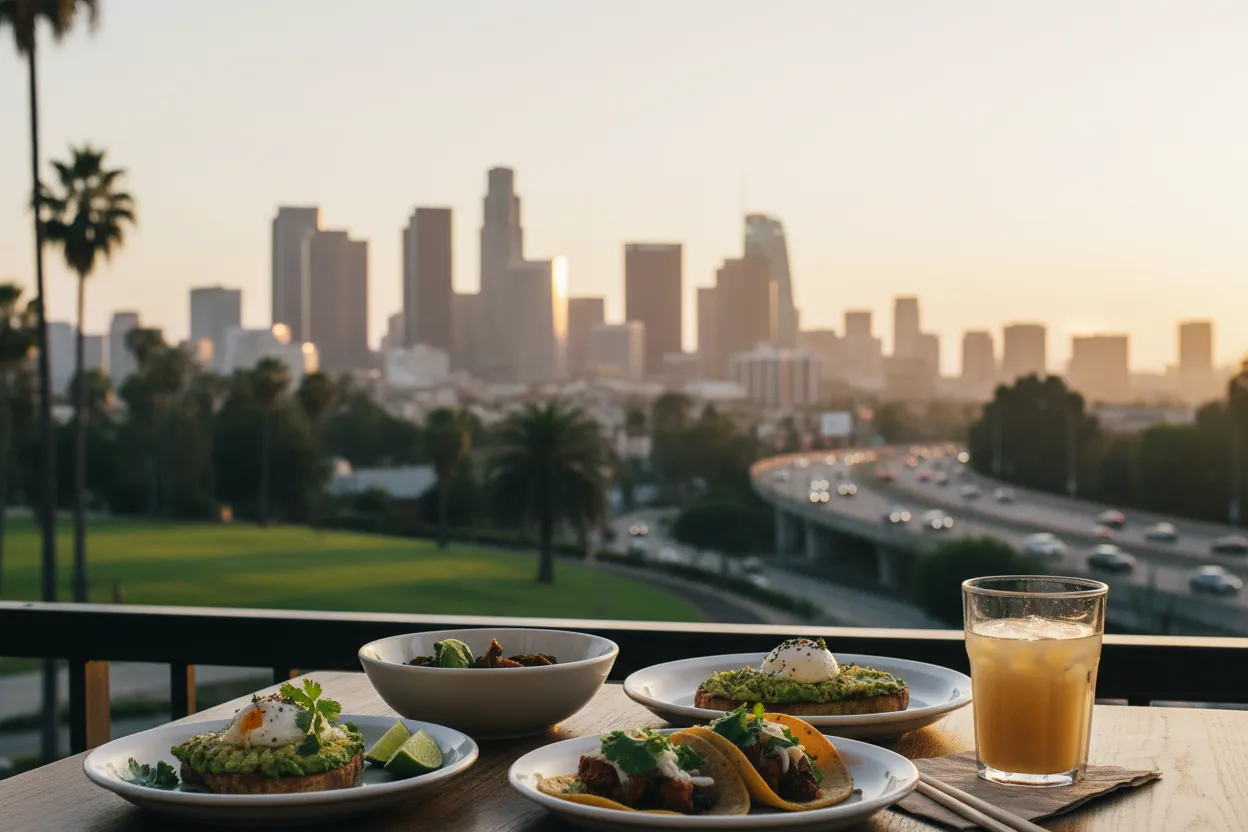
A market or food-hall-style stop can be the safest Los Angeles move when the group has mixed tastes. The tourism source emphasizes the city’s astonishing menu of global cuisines, and that variety is the point: one person can chase a classic dish, another can stay casual, and nobody has to pretend a single menu solves everything. This is especially useful when the dinner is built around a vague cultural moment rather than a firm reservation.
The tradeoff is crowd risk. A popular public dining space can be easy to enter but hard to navigate if everyone arrives hungry at the same time. Build the plan around arrival discipline: meet outside or at a clear public landmark, confirm which vendors are open before committing, and decide how long the group will wait before switching.
If anyone in the group has food safety concerns, use Los Angeles County Public Health’s Environmental Health resources before dinner. The department states that its mission is to assess environmental conditions, reduce exposure to health risks, and educate the public. Its site includes Food Safety Resources and Guidance, Inspection Results, recent consumer alerts, and a complaint option. Those tools are more reliable than hearsay.
Keep the first stop easy to reach
A good Los Angeles dinner route begins with the arrival, not the entrée. Metro’s official site offers a Trip Planner, arrivals, alerts, maps and schedules, and the official LA Metro app for real-time arrivals, step-by-step directions, and service alerts. If your first stop is not simple to explain by transit, rideshare, walking, or parking, it may be the wrong first stop for a group.
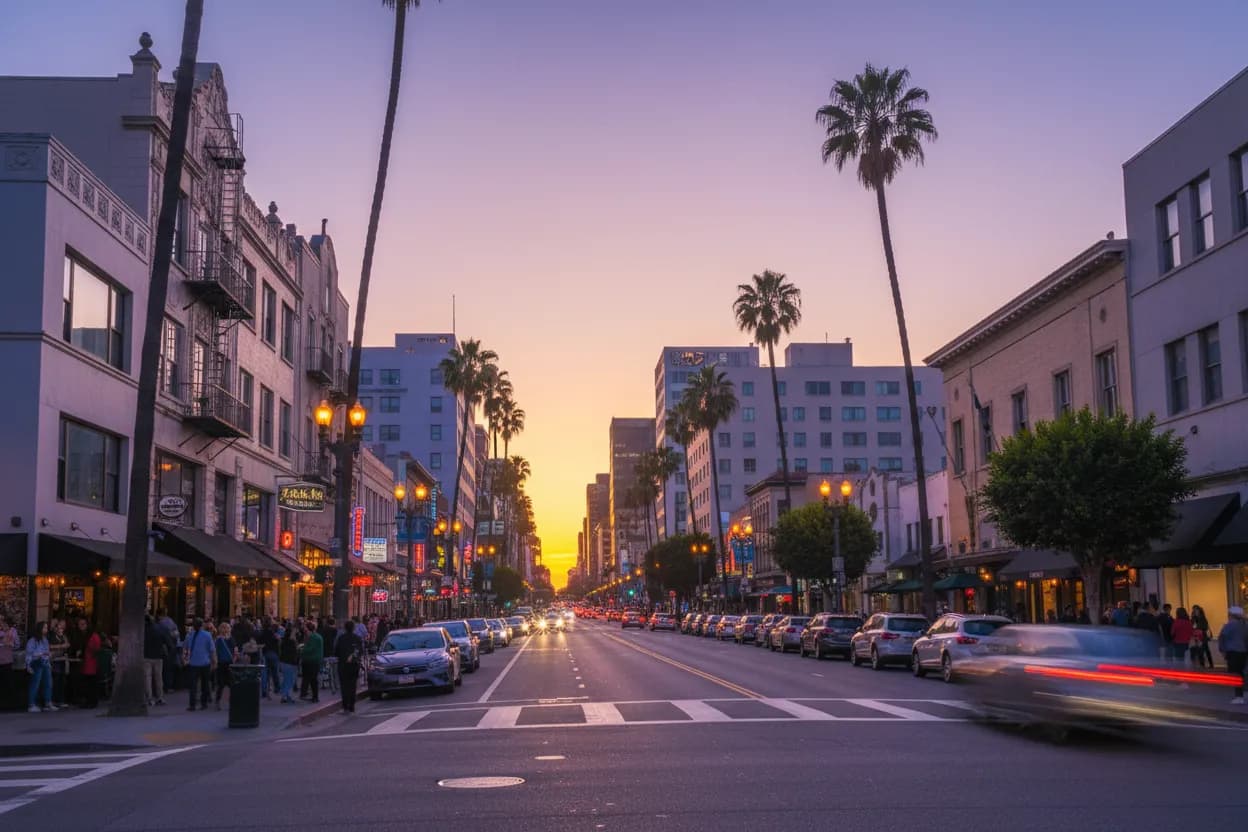
Mid-Wilshire, Koreatown, and Downtown are worth considering when transit access matters because Metro notes that new D Line Extension stations at La Brea, Fairfax, and La Cienega connect the cultural energy of Mid-Wilshire with Koreatown and Downtown LA. That does not mean every restaurant is convenient from every station. It means the corridor gives planners a public-transit spine to check against actual addresses.
Before leaving, have one person run the route in Metro’s current tools and another check the restaurant’s current public information. If alerts, real-time arrivals, or walking distance make the plan feel fragile, move the first stop closer to a station or choose a neighborhood with more nearby alternatives.
Save a nearby option for long waits
The backup should be chosen before the first waitlist begins. In Los Angeles, a backup across town is not a backup; it is a second evening. Keep it nearby, public, and different enough to solve the problem that killed the first choice. If the first stop is a seated room, the backup might be a more casual vendor setting. If the first stop is a crowded market, the backup might be a restaurant where the group can sit down and reset.
Do not promise that a backup will have tables, shorter lines, or every vendor open. Treat it as an option to verify, not a guarantee. Check current hours, access notes, and the official page before the group moves. If the backup requires the same difficult parking, the same transit transfer, or the same crowd bottleneck, it is not reducing risk.
Use a simple decision clock. If the first stop cannot seat or feed the group within the group’s agreed tolerance, switch. That tolerance may be 15 minutes for families, longer for friends who are happy to linger, and shorter if someone has a hard transit connection home.
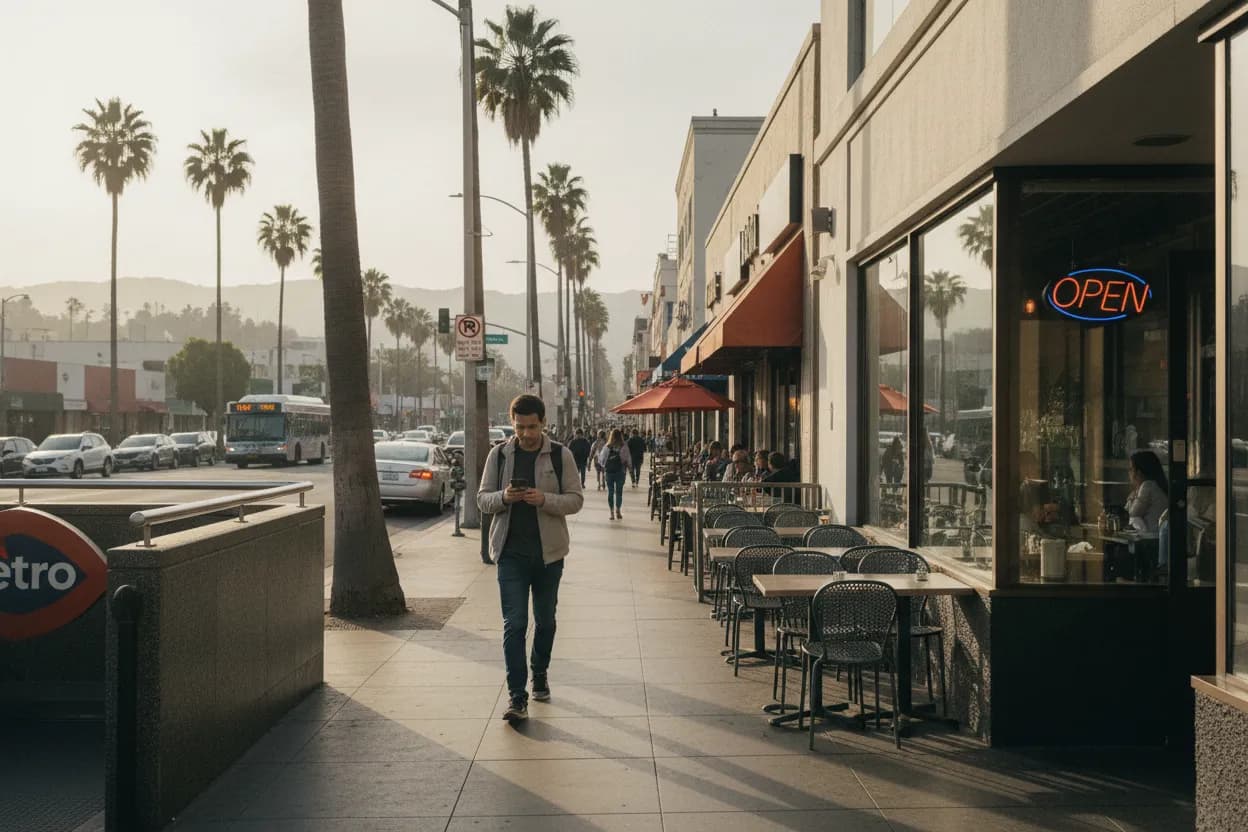
Verify vendor hours before leaving
The final check is boring and essential: vendor hours. Tourism pages are useful for understanding the city’s dining landscape, but individual restaurant details can change. A restaurant may adjust hours, pause a service format, change access procedures, or close for reasons not reflected in an older article. If dinner depends on a specific vendor, confirm on the vendor’s official page before leaving.
Also check the public-health layer when it is relevant. Los Angeles County Environmental Health lists recent consumer alerts and provides inspection results, food safety resources, and complaint channels. That does not replace your own judgment at the door, but it gives diners an official place to look instead of relying only on comments or viral clips.
The practical route is this: choose a dining zone, verify the first stop, check Metro or driving access, save a nearby backup, and send the group one concise plan. The chandler hendry hook may start the night, but the verified logistics are what keep dinner from becoming a rumor-powered commute.
Tags: #LosAngeles #LARestaurants #DiningLA #KoreatownLA #DTLA #MidWilshire #LAMetro #FoodSafety #RestaurantPlanning #DinnerPlans #AskKarpo #BeforeYouGo #EatDrinkLA #LAFood
Sources consulted: discoverlosangeles.com · publichealth.lacounty.gov · metro.net
All trademarks are the property of their respective owners.
Ask Karpo first
Ask Karpo first when a search term turns into dinner pressure. Share your starting point, preferred neighborhood, group size, transit needs, and how long you are willing to wait, and Karpo can help turn the hype into a checked Los Angeles restaurant route.