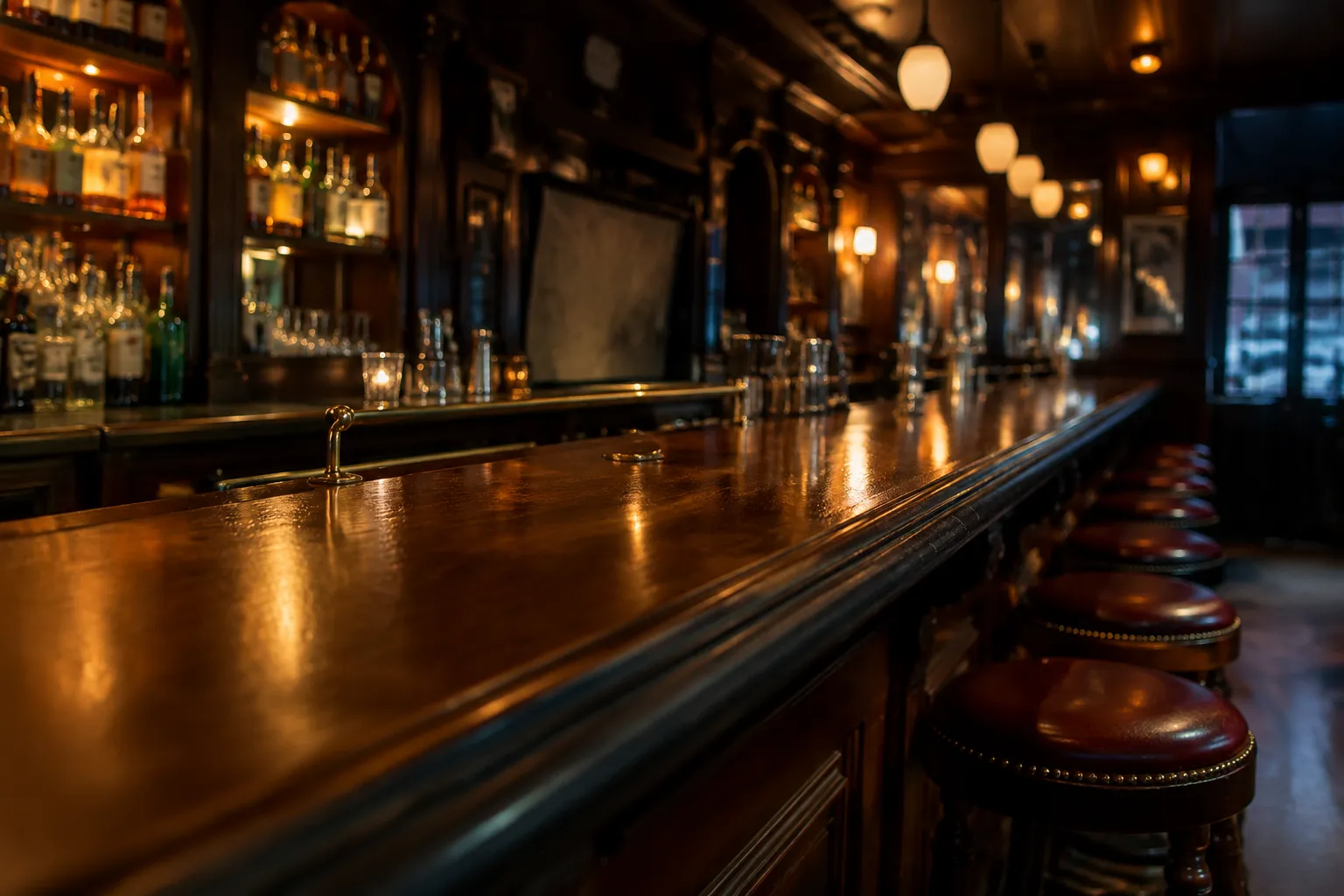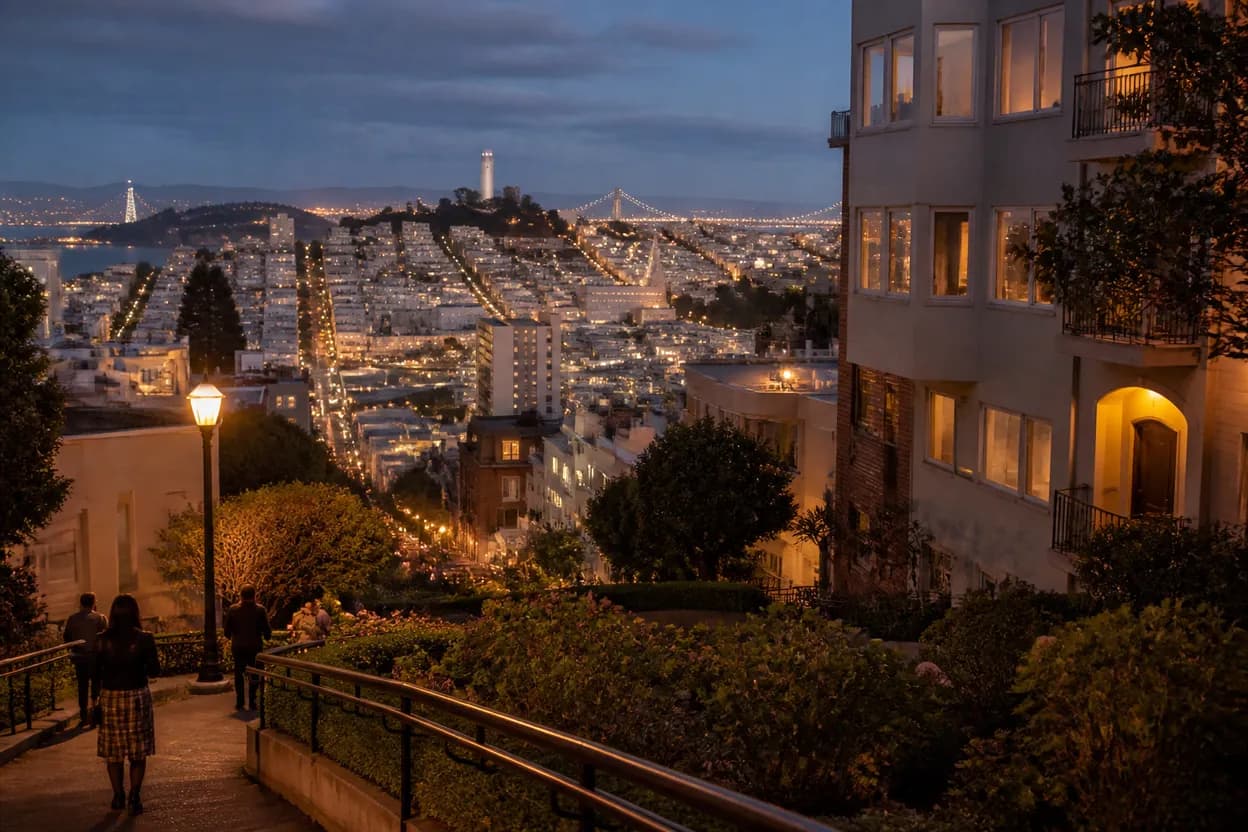
San Francisco is good at turning a passing search into an excuse to meet up, but a smart night out still starts with verification. If cesar gastelum is the phrase in your group chat, treat it as a conversation opener, not evidence that anyone is appearing, hosting, endorsing, or granting access anywhere in the city. For Friday, August 7, 2026, the useful move is to build a public, flexible bars-night plan that can survive changed listings, transit alerts, construction, private buyouts, full rooms, and friends arriving late. The city already gives you the tools: SFMTA posts alerts, a Trip Planner, route and stop information, visitor guidance for Muni, walking, biking, driving, parking, taxis, and accessibility. Use those first, then choose the room.
Want a calmer San Francisco night without chasing rumors? Text Karpo before you leave with your starting point, preferred noise level, mobility needs, and backup neighborhood so the plan stays realistic.

Use the topic as the night’s conversation starter
The phrase cesar gastelum can do one useful thing for a San Francisco bars night: give the table a reason to begin talking. It should not do more than that. Do not assume it means a local appearance, a guest list, an affiliated venue, private access, or a guaranteed event. In a city where rooms can change programming, close for a private function, or fill before your group arrives, the public listing matters more than the rumor.
Make the search hook a prompt, then move quickly into verifiable questions. Is the venue open to the public tonight? Is there a posted program? Does the venue’s own page mention reservations, entry rules, accessibility information, or a capacity-sensitive event? If the answer is unclear, call or use the venue’s official contact channel before anyone crosses town.
This approach keeps the night social instead of speculative. You are not building the plan around a personality claim; you are building it around a room where people can actually sit, hear each other, and leave without a complicated recovery plan.
Choose sound level before cocktails
The first real decision is not what to drink. It is whether your group wants a talkable room, a loud room, or a room that starts talkable and turns louder later. San Francisco nights can change quickly as after-work traffic becomes late-night crowding, especially when citywide events and weekend patterns overlap. Pick the sound level before you pick the first stop, because it determines how long the night stays useful.
For a conversation-first plan, look for public venue information that suggests seating, earlier arrival, and a program that does not require the room to become the show. If the venue promotes a DJ, live performance, watch party, or special activation, assume conversation may be harder and verify timing directly on the official page. If accessibility or a quieter table is important, ask before leaving rather than negotiating at the door.
Set a group rule: if you cannot talk without leaning in for ten minutes, you either accept that the night has changed or you move. That sounds strict, but it prevents the classic San Francisco mistake of spending an hour in a room no one actually likes because everyone already paid for transit and crossed the hill.
Build a walkable two-stop route
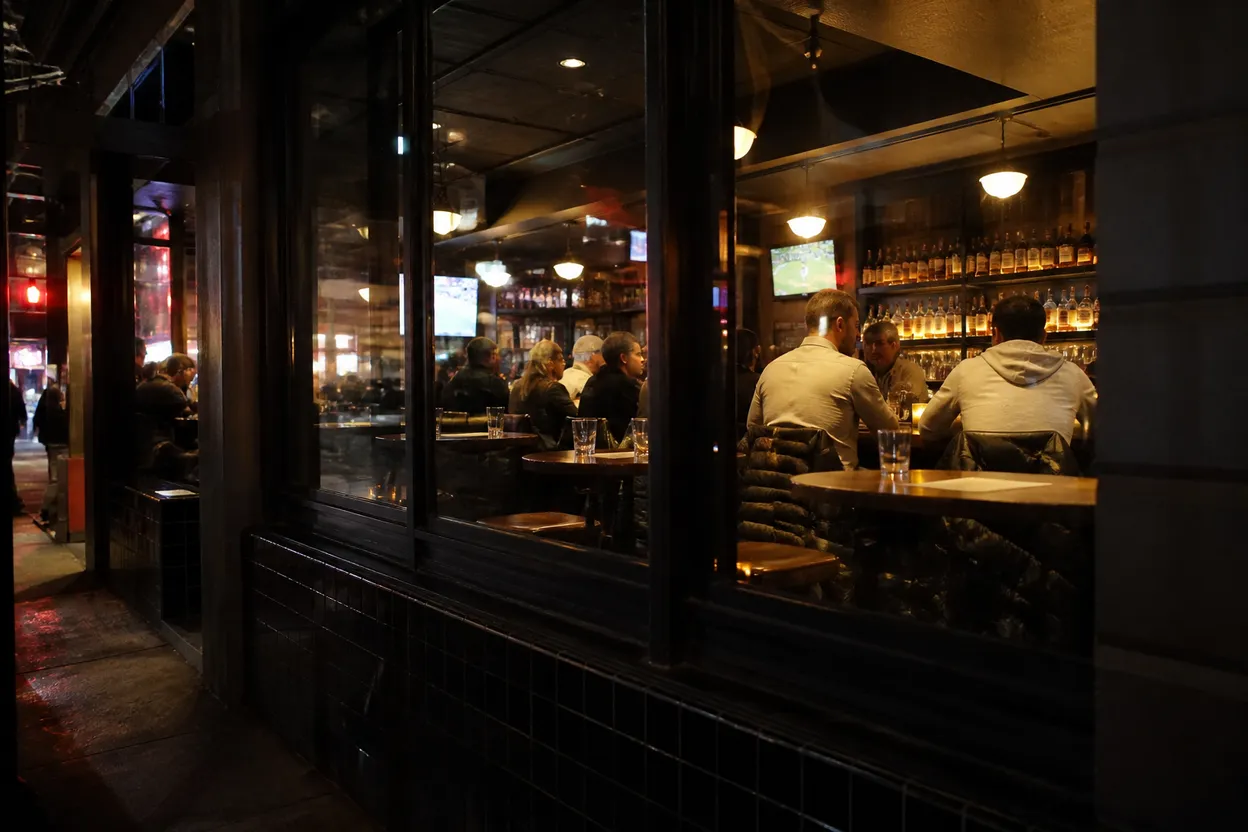
A strong city plan uses two stops close enough to connect on foot, with transit as the frame rather than the rescue. SFMTA’s site gives riders a Trip Planner and separates options for Muni, walking, biking, driving and parking, and taxis. Use those tools before you commit to a neighborhood. The best first stop is the one your slowest-arriving friend can reach without guesswork.
Keep the first venue practical: public, verifiable, and easy to exit. The second venue should not require a long cross-city transfer unless the group explicitly wants that. In San Francisco, a short walk can be the difference between a night that keeps its momentum and a night that dissolves into separate ride-hail decisions. Check the exact route and stops on SFMTA rather than relying on memory, because alerts and service conditions can change.
If you are considering areas affected by posted city activity, be extra careful. SFMTA lists travel and transit updates, including Hayes Valley Shared Spaces on Fridays and Saturdays in August 2026 and Chinatown construction dated July 30 through August 9, 2026. Those notices do not make a neighborhood off-limits, but they are reasons to verify routes, walking paths, and pickup points before the group is standing outside.
Keep food and late transit in the plan
Food is not decoration for a bars night; it is crowd control. Decide before the first drink whether dinner, snacks, or a post-bar bite is part of the plan, then verify hours on the official business page for wherever you intend to go. Do not assume a kitchen is open late, and do not assume a bar’s food situation matches an old review or a friend’s memory.
Transit deserves the same treatment. SFMTA publishes alerts and service information, and its homepage shows that conditions can be updated in real time, including delay notices and route resumption messages. On August 7, 2026, the site also highlights Outside Lands August 7-9, which is a reason to be alert to citywide movement patterns even if your group is not attending. Check your outbound trip before you order the final round, not after the room empties.
A good late plan has three parts: the preferred Muni or walking route, a fallback way to leave, and a meeting point if the group splits. SFMTA also points users to SF 311 and 511 Regional Info, which are useful references when a routine plan stops being routine. Keep the exit boring. The rest of the night can have personality.
Know when to switch to the backup room
The backup room should be chosen before the first stop, not invented on the sidewalk. It should be nearby, public, and different enough to solve the problem that might send you out: too loud, too crowded, no seating, changed program, uncertain access, or a line that is moving badly. A backup is not a downgrade. In San Francisco, it is often the reason the night works.
Use a simple trigger list. Switch if the door situation is unclear after a reasonable wait, if the posted program does not match what your group wanted, if a mobility need cannot be accommodated, if the room is too loud for the purpose of the night, or if transit alerts make staying risky for people who need to leave on time. Do not debate every trigger in the moment; agree on them beforehand.
For the citywide plan, keep your backup within the same walkable zone unless SFMTA’s Trip Planner shows an easy connection and your group is willing to take it. The more complicated the transfer, the more likely the night becomes logistics instead of conversation.
Verify the night’s program before leaving
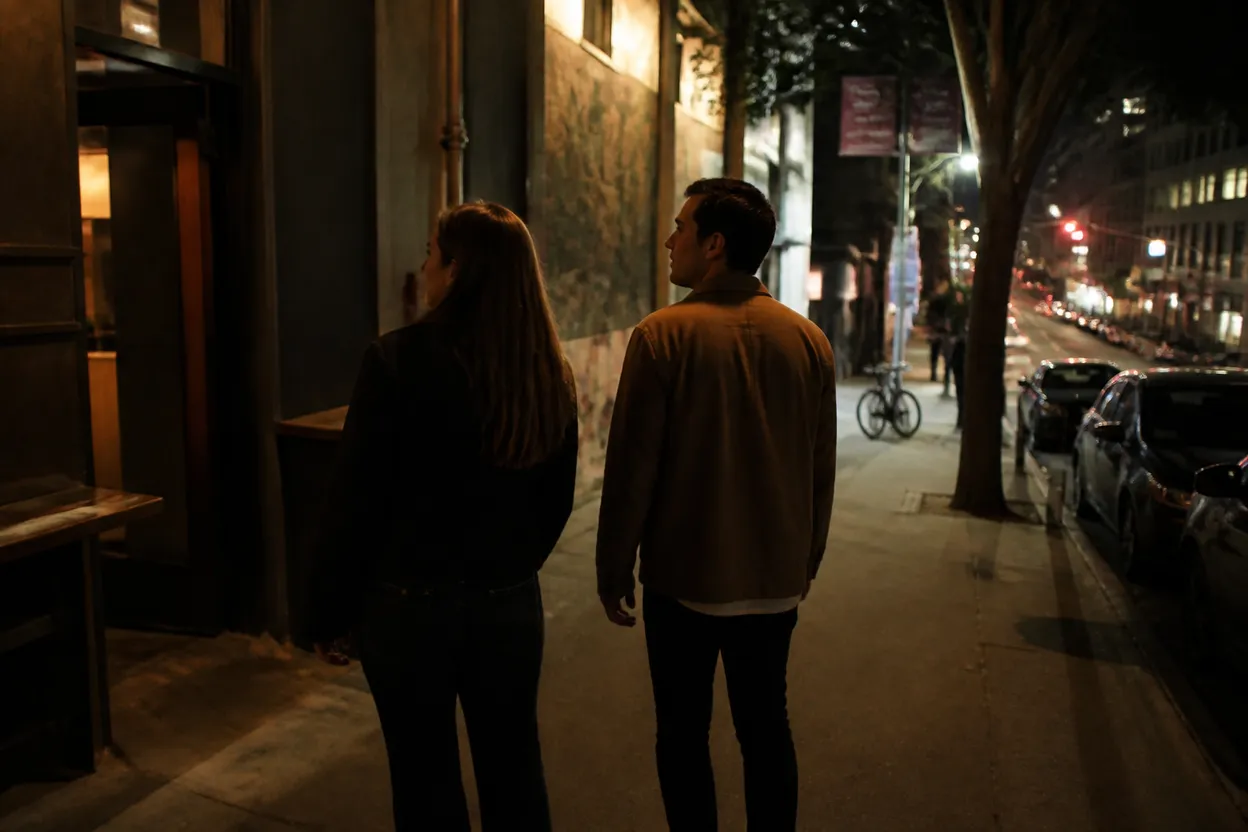
The final check should happen close to departure. Open the venue’s official page or official social channel, confirm whether there is a public program, and look for anything that affects entry, seating, access, or timing. If the venue is ambiguous, contact it directly. Do not treat reposts, screenshots, or search snippets as the final authority for a Friday night plan.
Then check SFMTA. Review alerts, route and stop information, and the Trip Planner for the actual start and end points. If you are moving through or near Hayes Valley, Chinatown, or other areas with posted updates, confirm the walking approach and pickup logic. If someone in the group needs accessibility information, use official sources before leaving and keep the plan conservative.
The point is not to drain the fun out of the night. It is to protect it from hype. Let cesar gastelum be the phrase that starts the conversation, then let verified public information decide where San Francisco can talk without shouting.
Tags: #AskKarpo #BeforeYouGo #SanFrancisco #SFNightlife #BarsNightOut #Muni #SFMTA #TransitCheck #QuietBars #NightOutPlan #CityPlanning #CrowdCheck #WalkableSF #VerifyFirst
Sources consulted: sftravel.com · sfmta.com · sfrecpark.org
All trademarks are the property of their respective owners.
Ask Karpo first
Ask Karpo first when the group chat has a name, a neighborhood, and no verified plan. Share your start point, preferred sound level, mobility needs, and latest-leave time, then choose the San Francisco room that still makes sense after the official checks.