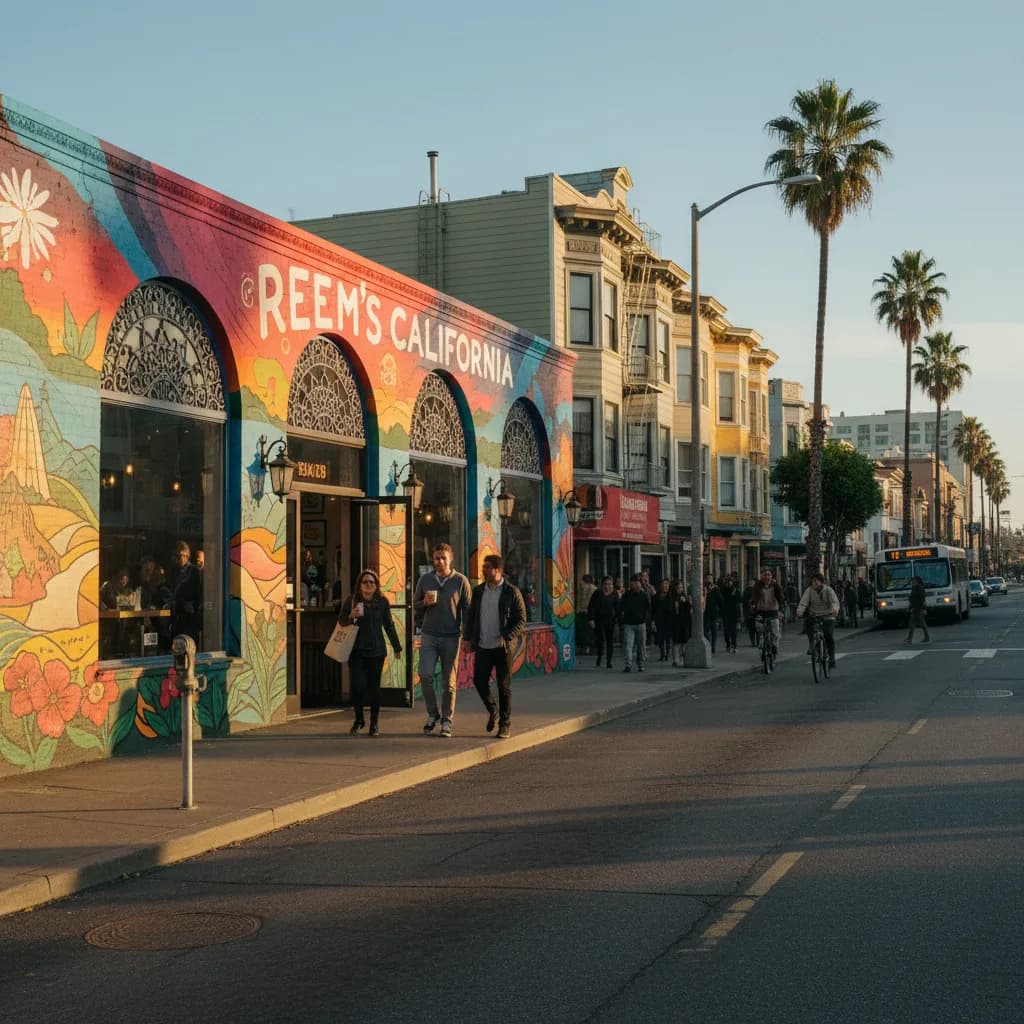
 Reem's California Mission: Best Mediterranean Food, Za'atar, and Community
Restaurants
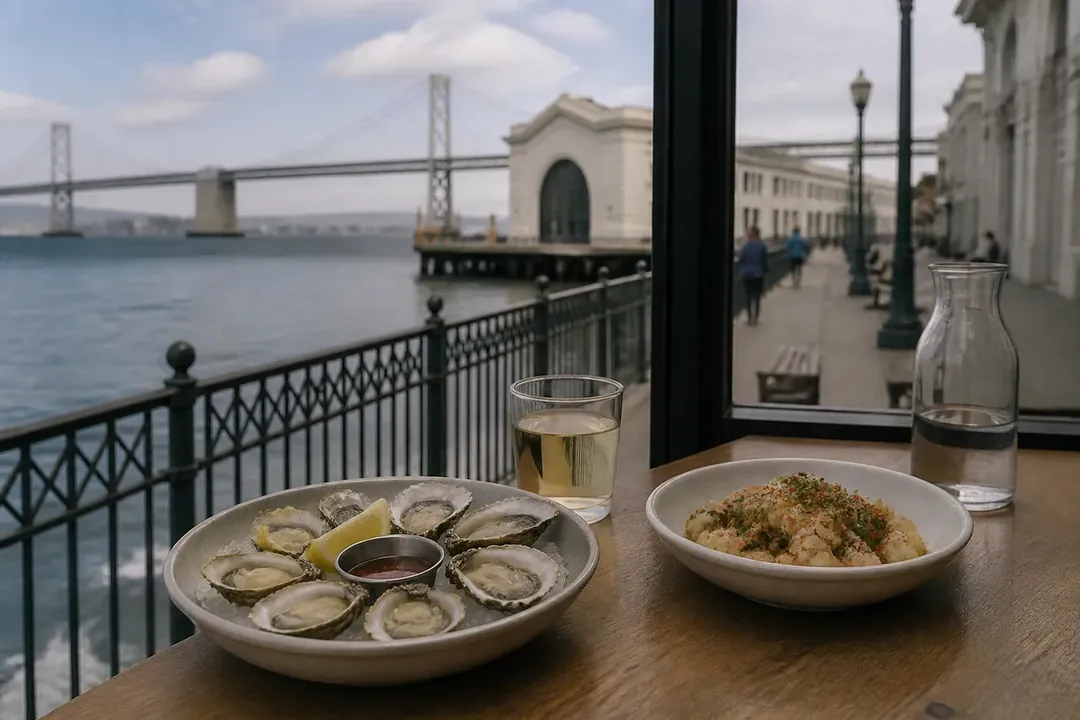
cesar gastelum: A Practical San Francisco Market Meal Guide
A verification-first route for turning a timely name into a flexible San Francisco meal plan.
A name can travel faster than a dinner plan can hold together. If cesar gastelum is the phrase that got your group talking, treat it as the spark, not the evidence. The official extracts here do not confirm a San Francisco appearance, restaurant tie-in, pop-up, reservation opportunity, broadcast availability, price, schedule, or affiliation connected to that name. A better move is to use the moment to build a meal plan that survives normal city friction: mixed appetites, changed plans, full rooms, slow lines, transit alerts, and one friend arriving late. The practical question is not where the hype points. It is which plan gives you the easiest arrival, the cleanest fallback, and the fewest claims you cannot verify.
Want a tighter version before you head out? Text Karpo to check San Francisco transit alerts, vendor-hour uncertainty, public-health lookup paths, access notes, and a nearby backup for this exact meal plan.
Use the trend as a dinner conversation hook
The phrase cesar gastelum can do one useful thing for a San Francisco meal: get people to agree that tonight should have a point of view. Keep it there. Do not build the outing around an assumed sighting, affiliation, kitchen shift, sponsored appearance, event, reservation rule, price, or published schedule unless an official source confirms it. The extracts provided here do not support any hard dining claim tied to the name.
Frame the plan out loud before anyone starts forwarding screenshots. Say that the topic is only a reason to meet, eat somewhere flexible, and keep decisions verifiable. That keeps the group focused on what can actually be checked: where to meet, how to get there, what transit updates exist, when to leave a line, and what the second option is.
San Francisco’s Department of Public Health describes its mission as protecting and promoting the health of all San Franciscans. Its official page also lists an environmental program called “Open a Restaurant or Check Health Scores,” saying the department helps make sure food in San Francisco is safe for the public through food safety education, inspection, permitting, and other measures. That supports a basic planning habit: use official public-health lookup paths when food safety context matters.
Choose the room before choosing the menu
For this kind of dinner, start with the room. A market, hall, or clustered dining area can give a group more room to adapt than a plan built around one unverified claim. The official extracts do not name specific dining rooms, hours, vendors, prices, booking policies, or food options, so avoid pretending that any one venue is officially endorsed by the sources here.
Use a simple room test that does not require unsupported facts. Can someone unfamiliar with the neighborhood understand the meeting point? Is there a public place to pause while the group gathers? Can the group switch to another option if the first choice is too crowded or closed? If the answer is unclear, the place may still work, but the plan needs a backup before anyone leaves.
This is also where skepticism helps. If a post implies that a venue is connected to cesar gastelum, ask what the venue itself has said. If there is no official confirmation, do not make that the selling point. Sell the plan on things you can verify from official sources or on arrival: the location, the transit path, current SFMTA updates, public-health lookup availability, and whether another option is close enough to use.
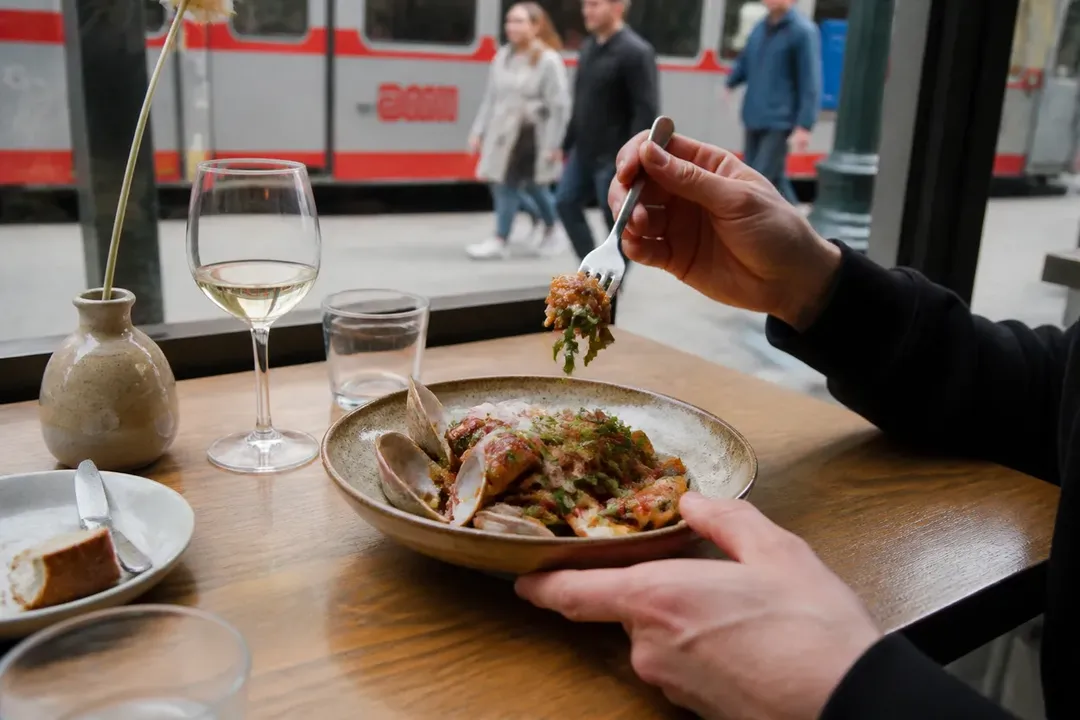
Match the market or hall to the group
Different groups need different plans. A two-person catch-up can tolerate more uncertainty than a larger dinner. Before naming a place, ask three practical questions: how many people are actually eating, who needs the easiest access, and who is likely to arrive last? Those answers should shape the neighborhood and meeting point before the menu does.
For visitors or mixed-neighborhood groups, use official transit tools as part of selection. The SFMTA page includes a Trip Planner with fields for starting location, ending location, and travel mode. The listed travel modes are Muni, Bike, Walk, and Drive. That is a precise, supported way to make transportation part of the decision instead of an afterthought.
The same SFMTA page points visitors toward seeing San Francisco by Muni transit, bike, foot, or car. It also highlights Muni Routes & Stops, neighborhoods, transportation projects, permits, citations, taxi information, accessibility, and visitor guidance. You do not need to turn dinner into a transit project, but you should choose a first stop that the least certain person in the group can understand and reach.
Keep the first stop easy to reach
Make the first stop the easiest one to explain, not necessarily the most exciting one. San Francisco plans often fail between the sidewalk and the first decision: someone chooses a different travel mode, someone checks alerts late, someone waits at the wrong entrance, or the group discovers that the first choice is not practical. A clear arrival point gives the plan more room to recover.
Use SFMTA before leaving. The official SFMTA extract shows an Alerts area, a Trip Planner, Muni Routes & Stops, visitor guidance, and Travel & Transit Updates. It also showed a final update that a delay near 19th & Holloway had cleared and that inbound M Ocean View service was resuming, with more alerts noted in the prior 48 hours. Treat that as evidence that conditions can change, not as a permanent route fact.
The same extract lists current or upcoming travel items: Outside Lands Aug. 7-9, Hayes Valley Shared Spaces on Fridays and Saturdays in August 2026, 40-foot bus service substitutions updated July 6, 2026, Chinatown Construction from July 30-August 9, 2026, and Muni service changes starting Aug. 29. Those details can affect where you meet. A practical sequence is: check the trip planner, scan current alerts, choose the arrival stop or curb, and share one meeting point in plain language.
Save a nearby option for long waits
The backup is not a sign the first choice is weak. It is the part of the plan that keeps everyone from being stuck when the first room is crowded, confusing, closed, or not right for the group. The provided extracts do not verify any vendor’s hours, wait times, seating capacity, reservation rules, or same-day availability, so do not promise those details.
Keep the backup close enough that the group does not need to renegotiate the entire night. It should be simple to explain: same neighborhood, different room; same transit approach, different entrance; same corridor, easier stop. If you cannot verify a second dining option from official venue information, describe it as a nearby option to check, not as a guaranteed fallback.
Set a wait rule before arrival, but keep it flexible. For example, agree that if the group cannot order or gather comfortably after a reasonable attempt, you will switch to the backup before everyone splits into different lines. Avoid inventing availability. Treat capacity as something to confirm on arrival and vendor hours as something to check through the venue or vendor’s own current information.
Verify vendor hours before leaving
The last check should be boring and exact. Confirm the venue’s current hours, the specific vendor’s hours if the room has multiple counters, and any entry or access notes the venue publishes. The official extracts provided here do not supply venue hours, restaurant prices, market schedules, reservation rules, or dining-room access policies, so those details should remain unchecked until you verify them through the venue or vendor.
Use official sources first. For food safety context, San Francisco’s Department of Public Health says it provides food safety education, inspection, permitting, and other measures, and its page includes “Open a Restaurant or Check Health Scores.” For getting there, use SFMTA’s Trip Planner, Muni Routes & Stops, visitor guidance, Alerts, and Travel & Transit Updates. For the venue itself, use the venue or vendor’s own posted information before repeating anything to the group.
Then send one concise plan: meeting point, travel mode to check, first food stop, backup, and what still needs confirmation. Mention cesar gastelum only as the conversation hook if that is why the plan exists. The meal should stand on its own: a San Francisco outing built around official checks, flexible access, clear timing, and no borrowed certainty from an unconfirmed trend.
Tags: #cesargastelum #SanFrancisco #SanFranciscoRestaurants #SFRestaurants #SFEats #FoodHall #MarketMeal #Muni #SFMTA #RestaurantPlanning #HealthScores #TransitFirst #AskKarpo #BeforeYouGo
Sources consulted: sftravel.com · sfdph.org · sfmta.com
All trademarks are the property of their respective owners.
Ask Karpo first
Ask Karpo first before turning a trending name into a San Francisco dinner plan. Karpo can help check current SFMTA alerts, vendor-hour uncertainty, public-health lookup paths, access friction, and a nearby fallback, so the evening stays useful even if the hook turns out to be only a hook.
Ask Karpo for more information.
Keep reading
- Reem's California Mission: Best Mediterranean Food, Za'atar, and Community
 Finding Burmese Restaurants Open Near Me: Burma Love in Mission
 Outer Sunset Seafood Near Me: Hook Fish Co's Day-Boat Delights