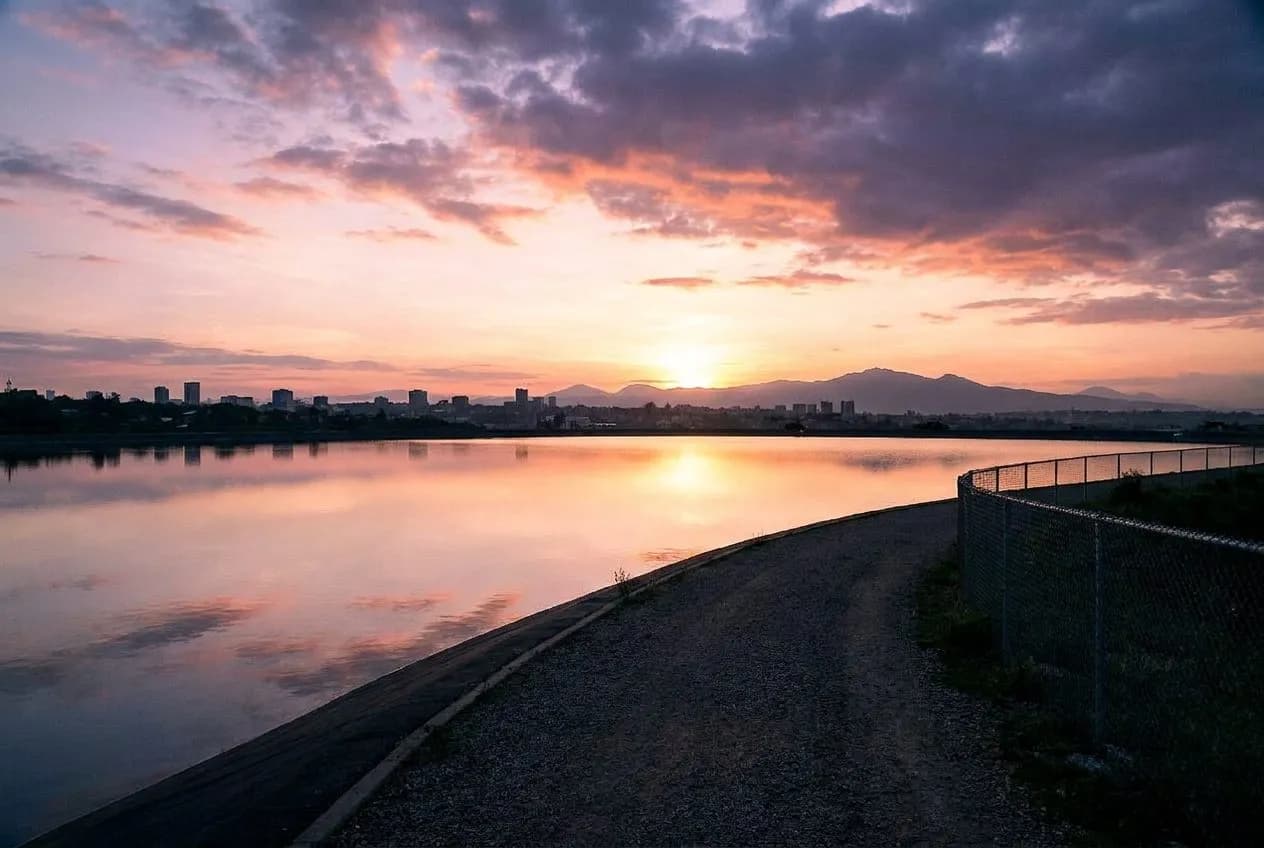
There are a thousand ways to experience Central Park, but few rival the reservoir loop in those first minutes after sunrise. The 1.58-mile gravel path circles the Jacqueline Kennedy Onassis Reservoir in a quiet, almost liturgical rhythm, and if you time it right—summer dawn, still air, that narrow window before the city fully wakes—you'll catch the skyline doubled in water so calm it looks like poured glass. It's not dramatic. There are no vistas that demand exclamation points. But it's the kind of beauty that resets your internal clock, the kind that makes weekend plans feel less like obligation and more like choice.
Updated August 2026: hours, prices, reservations, event dates, transit details, and venue policies can change. Use the linked official venue, city, or operator sources in the Sources section as the final reference before you go.
The counterclockwise convention
The reservoir loop has an unspoken etiquette: everyone runs counterclockwise. It's not posted, not enforced, just understood. You'll see the occasional tourist walking the wrong way, met with the mild exasperation of regulars who've internalized the flow. The convention exists for good reason—it keeps the pace smooth, the bottlenecks minimal, and the whole experience less like navigation and more like meditation.
Regulars enter at the 90th Street gate on the east side to start counterclockwise and finish with the southern skyline view—that final stretch where the midtown towers stack up in perfect composition, the kind of frame that reminds you why you pay the rent you pay. Starting here also means you're moving south as the light climbs, the sun at your back, the shadows long and flattering. It's a choreography that rewards repetition.
The reflection window
Timing is everything. The reservoir is beautiful at any hour, but if you want the full mirror effect—skyline doubled, clouds perfectly inverted—you need still water, and still water requires windless air. On the east side between 90th and 86th, roughly 6:15 to 6:35 a.m. from late June through early August, the conditions align. The sun is up but low, the breeze hasn't kicked in yet, and the surface of the water holds the light like a photograph in developer fluid.
This is not a window you can sleep through and recapture later. By seven, the wind picks up. By eight, the park is awake—dogs, strollers, the hum of a thousand agendas. But in that twenty-minute pocket, the reservoir offers something rare in New York: a sense of suspension, as if the city has paused mid-breath. You'll see serious runners checking their watches here, slowing just slightly, breaking their own PRs to let the moment register.
Underfoot: the gravel's seasonal sweet spot
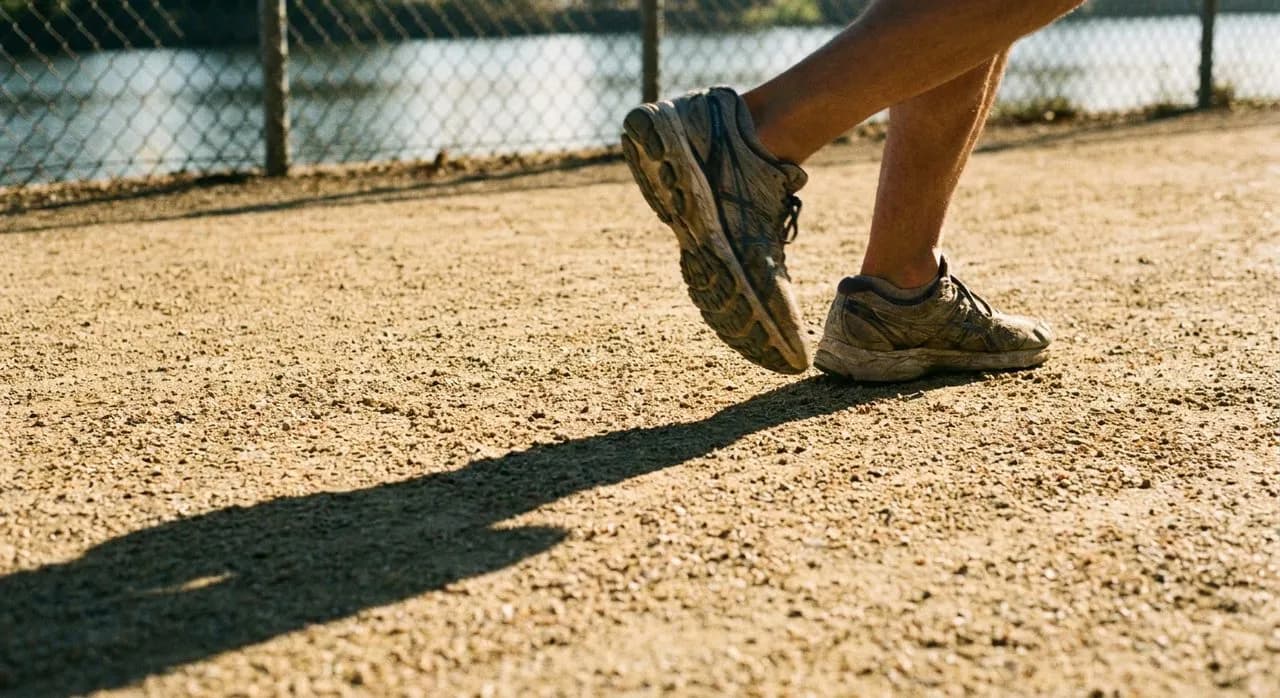
Gravel is forgiving, but not all gravel is created equal. The reservoir path gets regraded in early May, which means late spring and early summer offer the smoothest underfoot window before weather and foot traffic begin to redistribute the stones into ruts and loose pockets. If you're used to pavement, the gravel will feel soft at first—more give, less snap—but it's easier on the knees and kinder to aging joints.
By midsummer, the path has settled into its groove, literally. You'll notice the worn line down the center where most runners travel, and the looser gravel at the edges where fewer feet tread. The sound changes too: the crunch underfoot becomes part of the rhythm, a metronome you don't set but follow. It's one of those small sensory details that makes summer travel within your own city feel like discovery rather than routine.
The skyline as moving backdrop
The reservoir offers 360 degrees of skyline, but it's the southern view—midtown in full regalia—that stops people mid-stride. The Empire State Building, the Chrysler's art deco crown, the glassy newcomers elbowing for space. At dawn, they're backlit, silhouettes softening into rose and gold as the sun climbs. The reflection doubles the drama, and if the water is calm, it's hard to tell where the city ends and the mirage begins.
But don't sleep on the northern view either. The trees thicken, the buildings recede, and for a few hundred yards you could almost be upstate. It's a palate cleanser, a reminder that Central Park was designed as a pastoral escape, not just a green frame for real estate. The contrast between north and south makes the loop feel longer than 1.58 miles, like you're traveling between two versions of the same city.
The quiet company of regulars
You'll start to recognize faces if you come often enough. The woman in the neon visor who finishes three loops before most people start one. The older man who power-walks with hand weights and a Walkman that probably hasn't been updated since 2003. The packs of friends who meet at dawn like it's a standing appointment, their laughter low and easy, the kind that doesn't need a punchline.
No one talks much. A nod, maybe, or a quick "morning." It's a companionable silence, the kind you find in places where everyone shares an unspoken agreement about what matters. You're all here for the same reason: to move, to think, to not think, to catch the light before it turns ordinary. There's no performance, no leaderboard. Just the work and the water and the slow accumulation of miles.
What to bring, what to leave behind
Pack light. Water, yes, especially as summer deepens and the humidity climbs. Sunscreen if you're fair or planning multiple loops. Your phone, if you must, though the loop has a way of making you forget to check it. Leave the headphones at home, at least once. The soundscape here—birdsong, gravel crunch, the distant hum of the city waking—is worth the eavesdrop.
And if you're new to early mornings, give yourself a week to adjust. The first dawn run is always hard. The second is easier. By the third, you'll understand why people build entire routines around this loop, why they guard that 6:15 a.m. alarm like a trade secret. It's not about discipline. It's about access—to light, to quiet, to a version of the city that doesn't perform for anyone.
Practical notes
The Jacqueline Kennedy Onassis Reservoir loop is accessed via nearby park entrances; verify current gate locations before publication. Nearest subway: 86th Street (4/5/6) and 96th Street (6). The park’s hours vary by facility and season; verify current Central Park hours directly. The path is not wheelchair accessible due to stairs at entry gates. Free admission. Bring water, sunscreen, and weather-appropriate layers. Restrooms available at nearby park facilities; check the Central Park Conservancy website for locations. Street parking is metered and competitive; public transit is strongly recommended.
Tags: #CentralParkReservoir #NYCRunning #DawnRun #JacquelineKennedyOnassisReservoir #RightOnTime #SummerTravel #WeekendPlans #MorningRoutine #NYCParks #RunningPath #SkylineViews #CentralParkLoop #EarlyMorning #CityRunning #ManhattanMornings
Sources consulted: Jacqueline Kennedy Onassis Reservoir · Central Park Conservancy Reservoir · NYC Parks - Central Park · Central Park
All trademarks are the property of their respective owners.