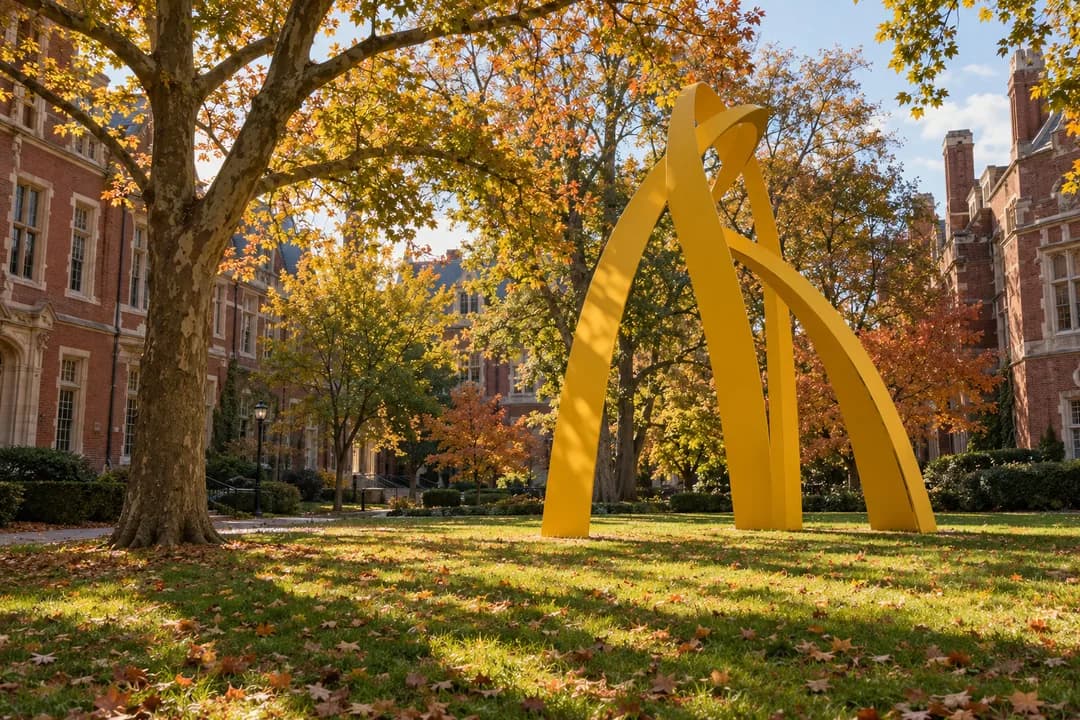
 Sculpture Garden Near Me in Clinton Hill: Pratt Institute's Free Campus Sculpture Park
Free Things to Do
Central Park's Free Bird Walks Start Before the City Wakes
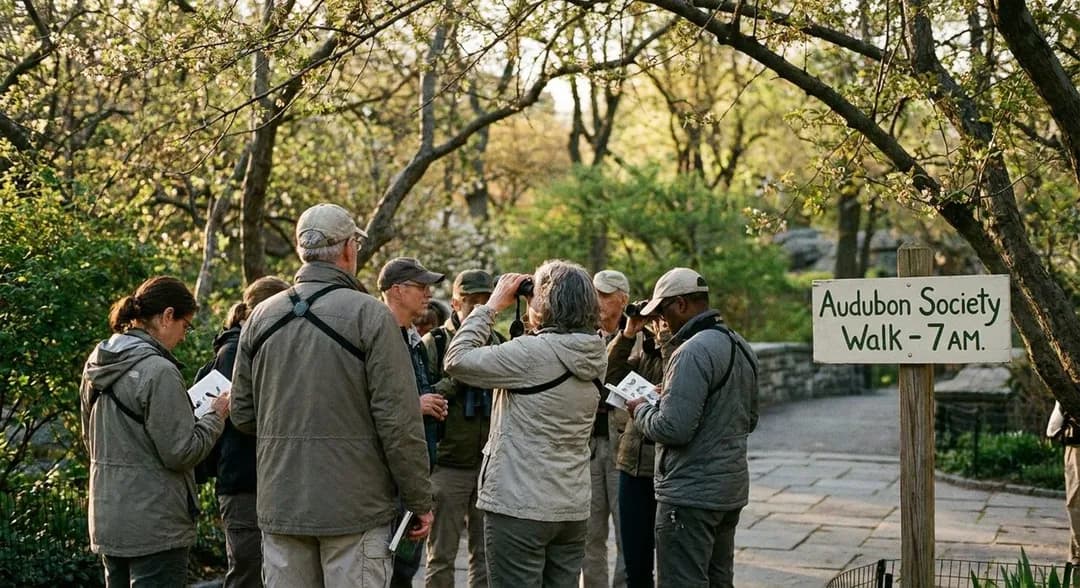
Audubon Society guides meet at the Ramble at 7am; spring migration peaks now
You arrive at the Ramble's east entrance off the 72nd Street transverse while most of Manhattan still sleeps under blankets. The Audubon Society volunteers are already there, binoculars raised, scanning the canopy for warblers that flew in overnight from Central America. These free guided bird walks happen every Wednesday and Saturday morning from April through June, and the 7am start time isn't arbitrary—it's when migratory songbirds are most active, feeding and calling before the heat sets in and the park fills with joggers.
The Guides Know Every Warbler by Its Chip Note
The lead guide this morning is usually either Margaret or Tom, depending on the week, and they've been doing this for over a decade. They don't just point out birds—they teach you to identify species by sound before you ever see them. A thin, high "seep" from the understory means a Black-and-white Warbler is working the tree trunks. That buzzy trill cascading down the scale? Probably a Northern Parula, though you'll need to confirm the yellow throat patch. By your third walk, you start hearing the park differently. The common birds—robins, cardinals, blue jays—fade into background noise, and suddenly you're catching the diagnostic calls of birds you never knew existed in New York. Tom has a particular gift for spotting movement at impossible distances, often locating a tiny warbler fifty feet up while the rest of the group is still trying to figure out which tree he means.
Peak Migration Turns the Ramble Into a Layover Airport

Mid-May is when things get absurd. You might see fifteen warbler species in a single two-hour walk—Yellow, Magnolia, Blackburnian, Canada, Wilson's, Bay-breasted. These birds don't live here; they're just stopping to refuel on their way to Canadian breeding grounds. The Ramble's thirty-eight acres of dense, varied habitat—stream beds, rocky outcrops, thick understory—pack more ecological niches into less space than almost anywhere else in the city. On a good morning, you'll also spot thrushes, vireos, tanagers, orioles, and the occasional rare vagrant that wandered off course. Last spring, a Prothonotary Warbler—a southern species that almost never makes it to New York—spent three days near Azalea Pond, and birders came from four states to see it. The guides knew exactly which willow tree it preferred.
You Don't Need Expensive Gear or Any Experience
Show up empty-handed if you want. The Audubon volunteers bring extra binoculars for anyone who needs them, and they're patient with complete beginners. You don't need to know a sparrow from a starling—that's what the guides are for. The group usually numbers between eight and twenty people, depending on weather and how deep into migration season you are. Some regulars have been coming for years; others are tourists who stumbled onto the walk by accident and got converted. The pace is slow and meandering, with frequent stops when someone spots movement or hears an unfamiliar call. You'll cover maybe a mile in two hours, all of it within the Ramble's winding paths. Dress in layers—early May mornings in the park can be forty-five degrees, but by 9am you're peeling off your jacket.
The Ramble's Pathways Were Designed to Disorient You
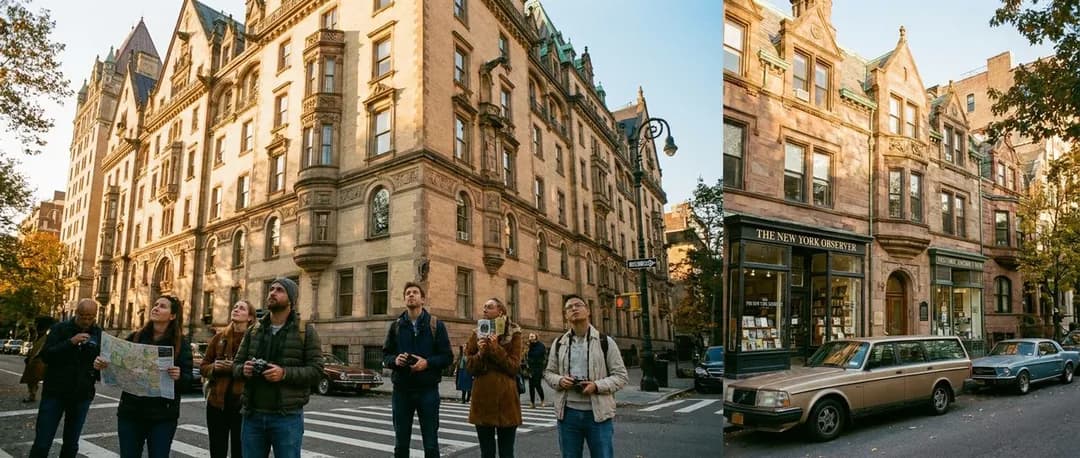
Frederick Law Olmsted and Calvert Vaux built the Ramble in the 1860s specifically to feel wild and untamed, a deliberate contrast to the formal mall and lawn areas elsewhere in the park. The paths twist and double back on themselves, crossing rustic bridges and disappearing into dense plantings. There are no sightlines longer than fifty feet. First-time visitors get lost constantly, which is exactly the point. For birding, this design is perfect—the varied elevations and thick cover create microclimates and shelter that attract different species. The guides know every unmarked fork and shortcut. They'll lead you down to the stream below Bow Bridge where Louisiana Waterthrushes bob on the rocks, then loop up to the Point, a small peninsula jutting into the Lake where you can scan for waterfowl between warbler sightings. The azalea and rhododendron plantings near the Gill provide cover that warblers love, and the guides check these spots methodically.
Spring Means Warblers in Breeding Plumage
These birds look completely different now than they will in fall. Male Blackburnian Warblers in May sport flame-orange throats that practically glow in the early light. American Redstarts flash their salmon-and-black tail feathers. Magnolia Warblers show off bold yellow underparts with thick black streaking. In autumn, these same species wear drab olive and yellow, making identification ten times harder. Spring migration also brings singing—males are establishing territories and attracting mates, so they're vocal in ways they won't be later. You learn to connect the song with the bird, building a mental catalog that works anywhere. That emphatic "teacher-teacher-teacher" is an Ovenbird, though you'll probably hear ten before you see one—they skulk on the ground. The guides carry Sibley or Peterson field guides and will flip to the right page when someone asks about a confusing bird.
The Walks End Near Belvedere Castle Around Nine
By the time you finish, the park is fully awake—runners, dog walkers, families spreading blankets for picnics. The bird activity drops off as temperatures rise and human traffic increases. You'll have seen things that people walking past at noon would never notice. The guides usually linger for questions, and the regular participants often grab coffee together afterward at the Le Pain Quotidien near Sheep Meadow, though that's informal, not part of the official program. Your neck will be sore from looking up, and you'll have a list of species in your phone notes that seemed impossible three hours earlier. The next walk is in three or four days, and migration waits for no one—different birds arrive weekly as the season progresses.
Practical Notes
The walks meet at the east entrance to the Ramble, accessible from the path at East 72nd Street and Park Drive, just west of Bethesda Terrace. Wednesday and Saturday mornings at 7am sharp from early April through mid-June. No registration required, no fee, just show up. The guides wait about five minutes then head out. Wear comfortable walking shoes—the Ramble's paths are dirt and can be muddy after rain. Bring water and maybe a snack. The nearest restrooms are at the Loeb Boathouse, about a ten-minute walk south. Parking is nearly impossible; take the 6 train to 68th Street-Hunter College or the B/C to 72nd Street. If you miss the spring season, fall migration runs September through October, though birds are quieter and less colorful. Check the NYC Audubon website for weather cancellations, rare but possible during heavy rain.
Tags: #CentralParkBirding #NYCAudubon #BirdWatching #FreeNYC #CentralParkRamble #SpringMigration #WarblerSeason #ManhattanNature #UrbanBirding #NaturalHistory #BirdWalk #CentralParkWildlife #NewYorkBirding #HiddenNYC #NiceBitFree
Sources consulted: timeout.com · ny.curbed.com · nycgovparks.org
All trademarks are the property of their respective owners.
Ask Karpo for more information.
Keep reading
- Sculpture Garden Near Me in Clinton Hill: Pratt Institute's Free Campus Sculpture Park
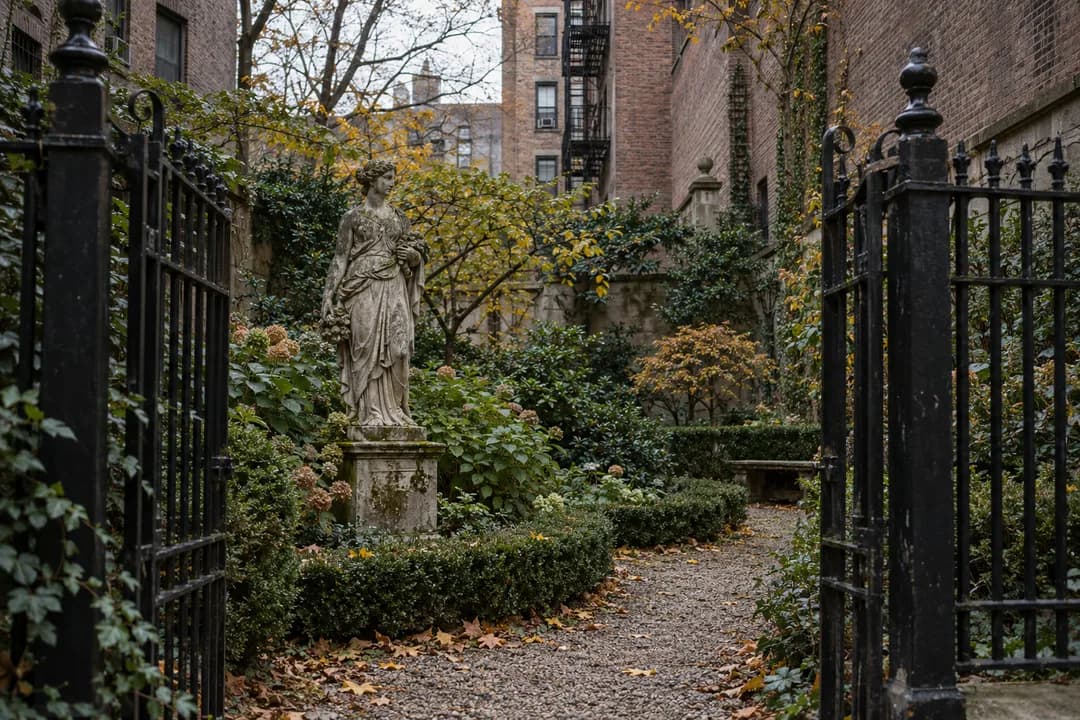 Sculpture Garden Near Me in Nolita: Elizabeth Street Garden, Saved for Good
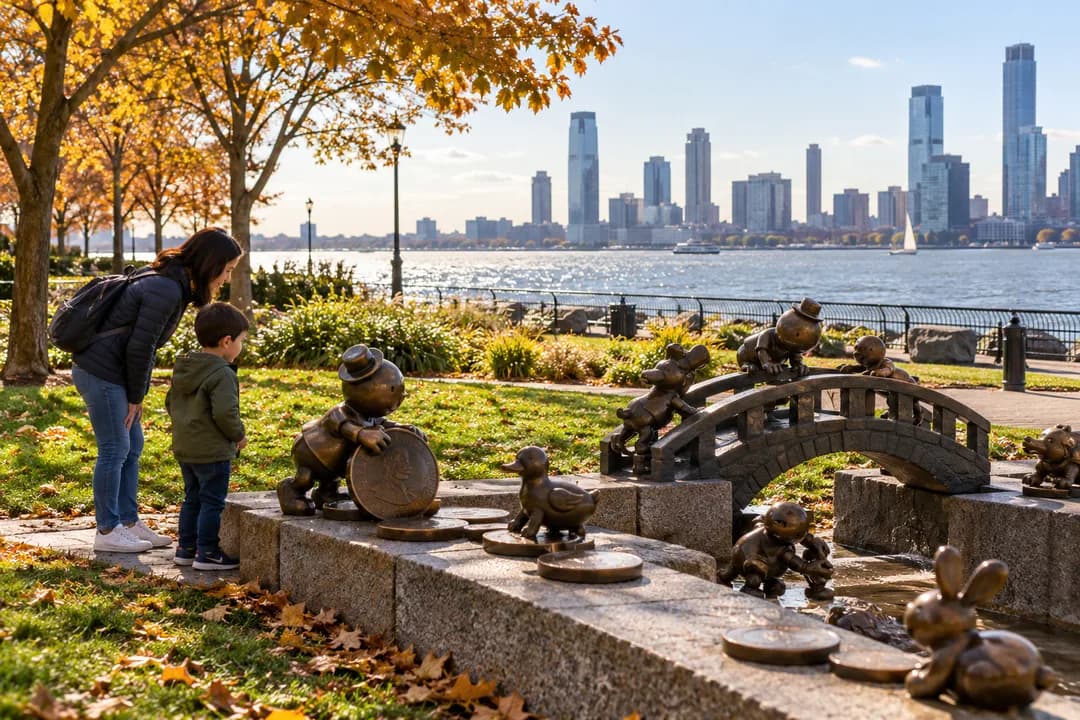 Sculpture Garden Near Me Downtown: Tom Otterness's Real World in Rockefeller Park