Center for Book Arts is easy to mistake for a small gallery with a few classes attached. It is better understood the other way around: a working Manhattan studio built around printing, binding, paper, and the artists who keep those processes alive. Founded in 1974, the nonprofit describes itself as the oldest organization of its kind in the country, and its third-floor Chelsea space combines free exhibitions with equipment-heavy workshops that are difficult to replicate at home.
Want a hands-on art afternoon without choosing the wrong class? Text Karpo with your skill level and schedule—we’ll help match you with a bookbinding or letterpress workshop, a free exhibition stop, and an easy Chelsea route.
Know what kind of visit you are planning
There are three different reasons to go, and mixing them up causes most planning mistakes. A casual visitor can see the exhibitions during public hours. A workshop student enrolls in a scheduled class and uses the equipment connected to that course. An independent artist who wants studio rental must meet the center's certification and membership rules, then bring or arrange the materials required for the work. Walking in to look around does not mean every press is available for spontaneous use.
Start by deciding whether you want to observe, learn, or produce. If this is a first date or a quiet solo stop, the free exhibition is enough. If you want to leave with a new skill, choose a class before choosing a nearby lunch reservation. If you already print or bind books and need equipment access, read the studio-rental requirements instead of buying a beginner workshop that does not match your goal.
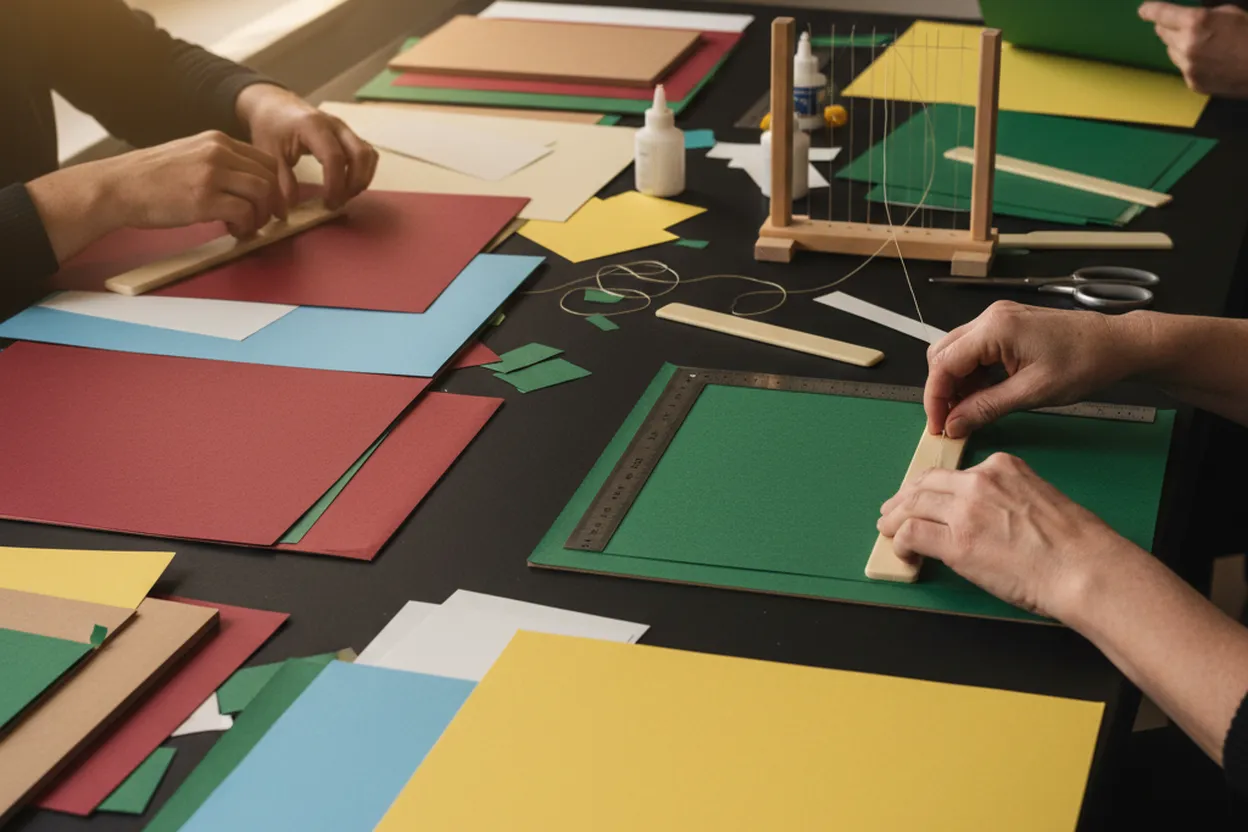
Choose bookbinding when you want a tactile first class
Bookbinding is often the clearest entry point because the physical logic is visible: fold signatures, align boards, manage thread or adhesive, and build an object that opens correctly. The center's class catalog changes, but it regularly separates introductory sessions from more specialized structures and conservation-minded techniques. Read the complete description for prerequisite language, materials, session count, and whether the class is in person or online.
Do not choose only by the finished sample image. A compact decorative binding may demand more precise knife work than a larger introductory structure; a multi-session course may be better value for someone who wants repeatable technique. If hand strength, standing time, vision, or fine-motor work is a concern, contact the center before booking so you understand the actual bench work and available accommodations.
Choose letterpress when process is the attraction
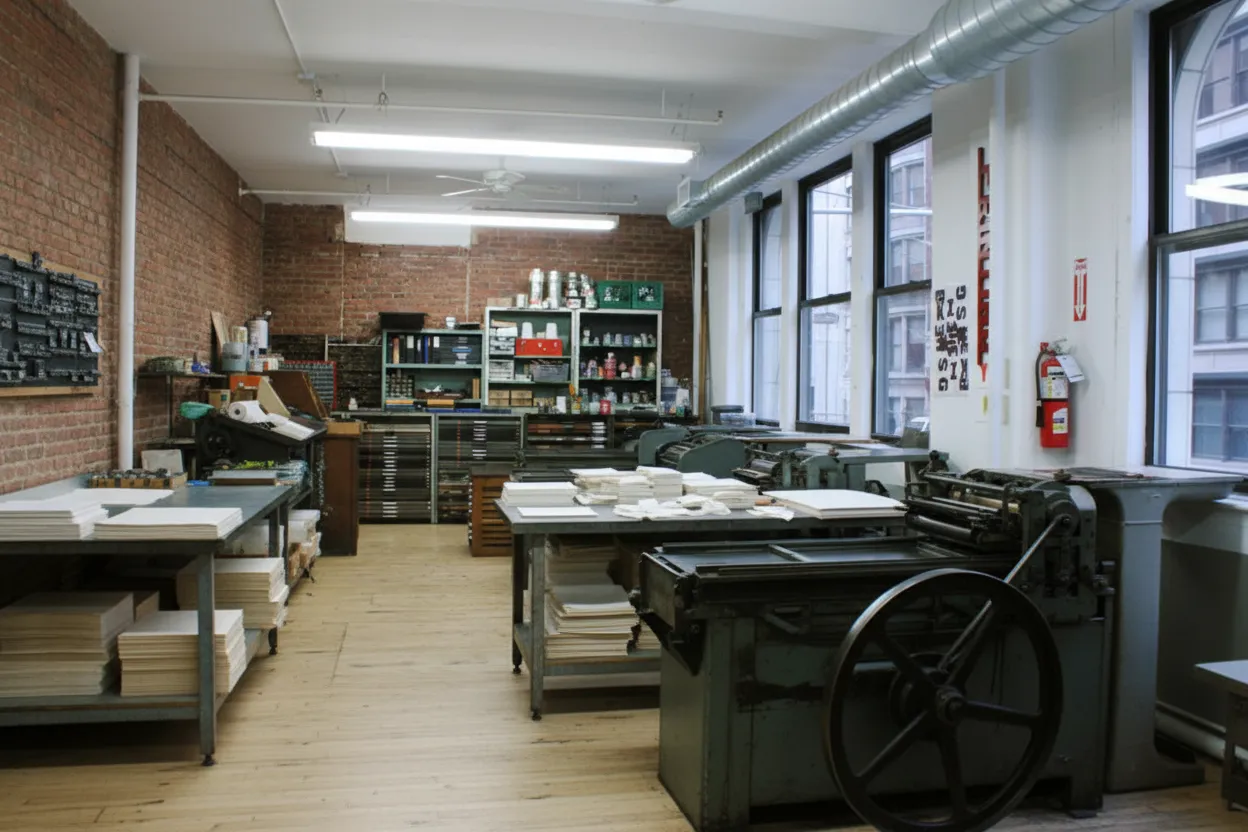
The letterpress studio is the draw for people who want to understand how type, ink, pressure, and paper interact. Center for Book Arts lists Vandercook presses and movable type among its studio resources, alongside other printmaking tools. A beginner class should explain setup and safe operation rather than treating the press as a photo backdrop. Expect the pace to be slower than digital design: composing, proofing, adjusting, cleaning, and printing are all part of the work.
If you arrive with a specific poster, broadside, or card idea, check whether the class is designed around personal projects or a shared exercise. Also ask what paper or ink is included. Independent studio users generally need certification and membership, and the center says renters supply their own materials. That distinction matters if you are comparing a class fee with the cost of renting equipment later.
Use the free exhibition as a low-risk first visit
Admission to the exhibition space is free, with a suggested donation. That makes it a useful scouting visit before committing to a workshop: you can see how artists use books as sculpture, sequence, text, image, and performance rather than assuming the field means only traditional leather bindings. The exhibitions rotate, so the exact work on view is time-sensitive.
As of July 14, 2026, the official exhibition page lists “after futura: 26 broadsides printed by hansjörg mayer” through August 1. Verify that listing before traveling, especially if the exhibition is the main reason for your visit. A free stop can be brief, but give yourself enough time to read labels and look closely; book art often reveals its structure through details that disappear in a quick room scan.
Understand the studio before requesting access
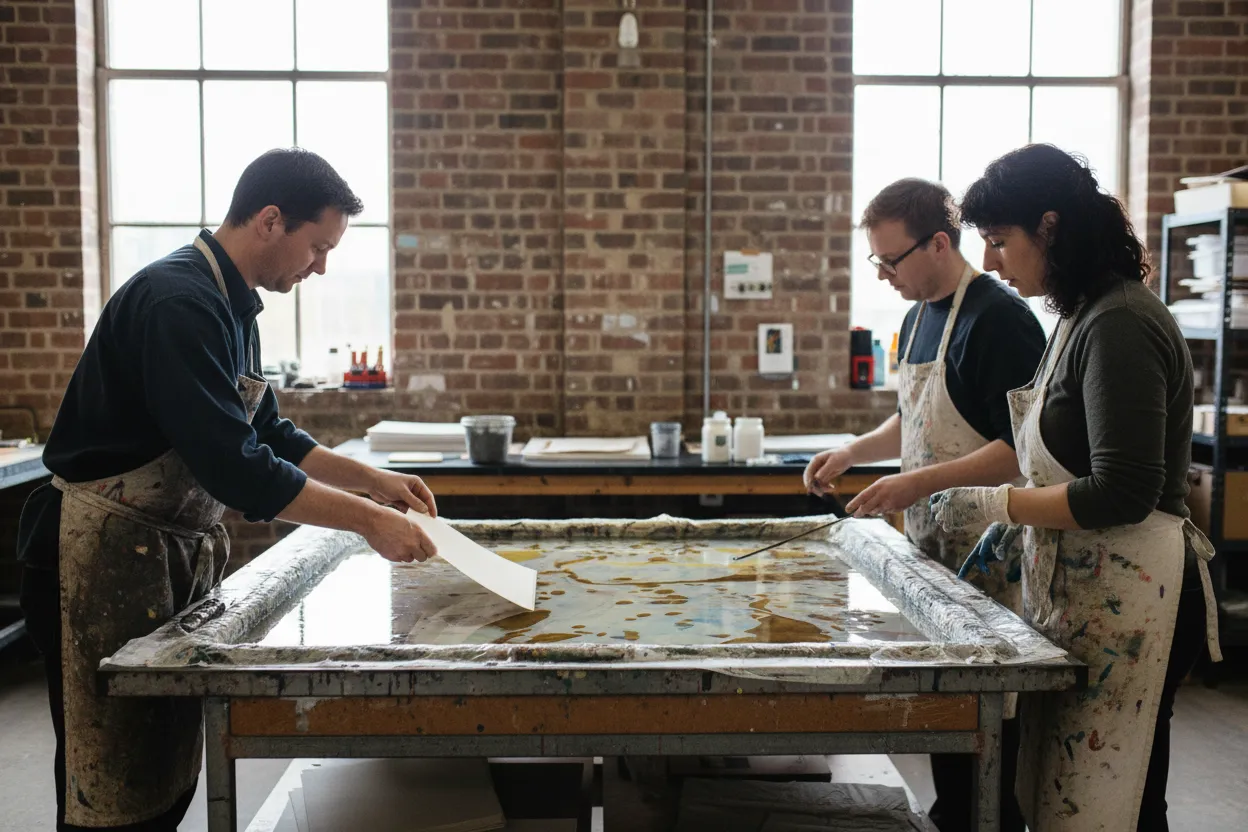
The official studio page lists Vandercook presses, movable type, Risograph machines and colors, and bindery tools. That equipment range is why access is structured. Presses and cutting tools require orientation, and shared studios depend on cleanup and scheduling. Workshop participation can provide access connected to the course, while independent rental is a separate pathway with certification and membership requirements.
For experienced artists, the important questions are practical: which press is appropriate, what certification is accepted, how far ahead to reserve, what consumables to bring, and whether drying or storage space is available. For beginners, the correct move is simpler—take a class that explicitly includes instruction on the equipment you want to learn. Do not plan a project around a machine until the center confirms you can use it.
Arrive without getting stuck at the front door
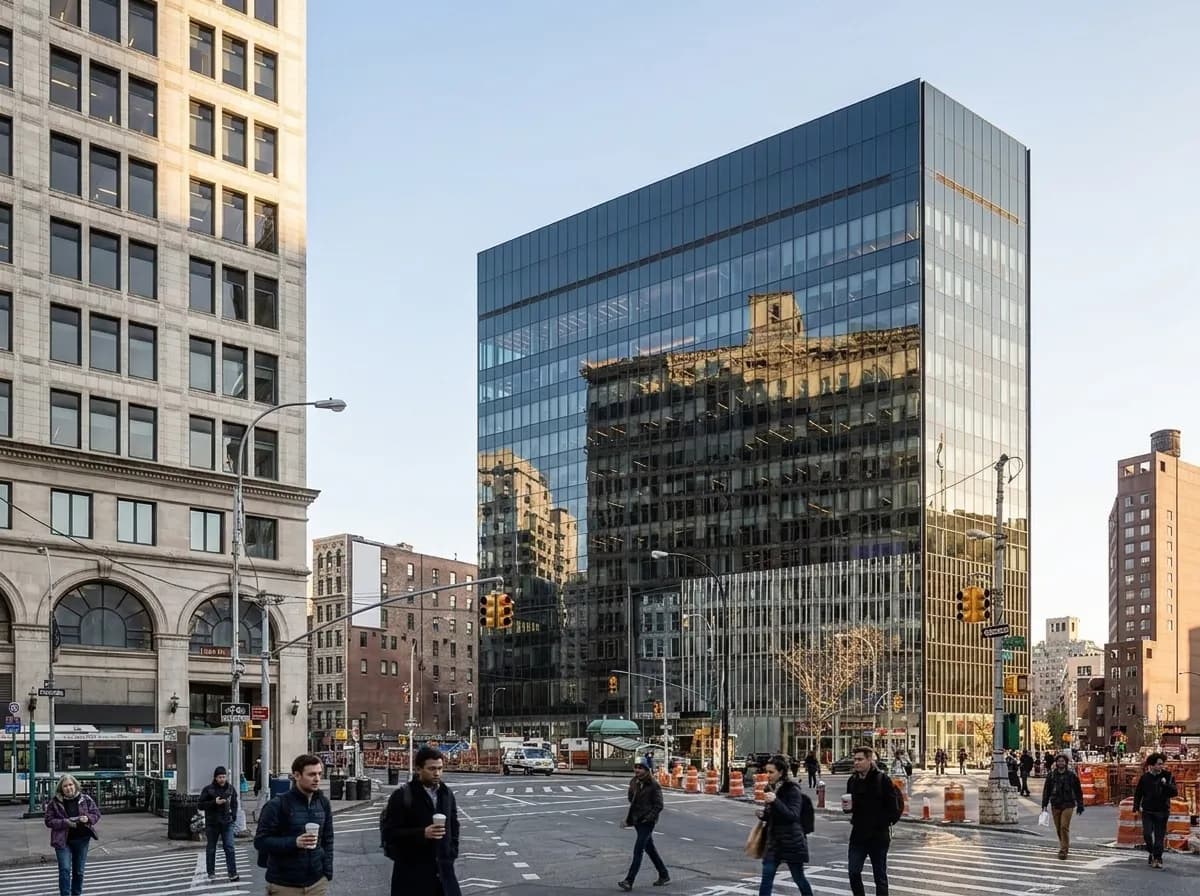
Center for Book Arts is at 28 West 27th Street on the third floor, between Broadway and Sixth Avenue. The official visitor instructions say to use the digital keypad so staff can buzz you in, then take the elevator upstairs. Current public hours are Monday through Thursday from 11 a.m. to 6 p.m. and Friday through Saturday from 11 a.m. to 5 p.m.; Sunday is closed. Holiday schedules and installation periods can change access.
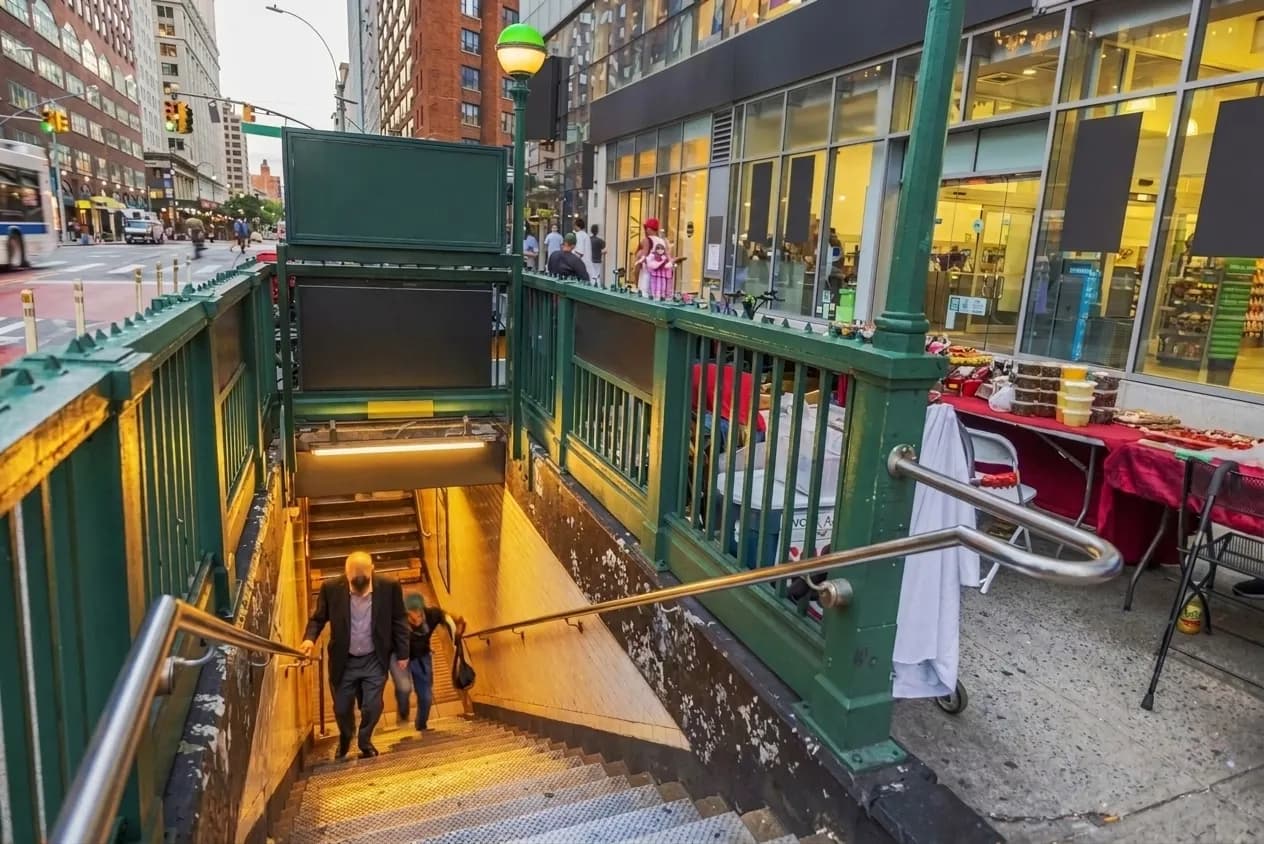
The location is walkable from multiple subway lines around 28th and 23rd Streets, but leave a buffer if a class has a firm start time. Eat before a long workshop or identify a quick nearby option, and bring only what the class description requests. A working print studio is not the place for an oversized tote, an uncovered drink, or a last-minute plan to buy every material after the instructor begins.
Build a Chelsea art afternoon around the booking
For an exhibition-only visit, pair the center with a walk through the nearby NoMad and Chelsea gallery streets, keeping the day flexible. For a workshop, make the class the fixed point and keep everything else optional. Handwork is mentally demanding, and a tightly scheduled museum or dinner reservation can turn a satisfying session into a rush.
Before leaving, verify the class date, format, prerequisites, cancellation policy, materials, accessibility, exhibition dates, and public hours on the official site. The best visit is not the one with the most stops; it is the one that matches your actual level and gives you enough time to understand why a printed or bound object takes longer than it looks.
Tags: #CenterForBookArts #BookbindingNYC #LetterpressNYC #CreativeWorkshops #ChelseaNYC #BookArts #Printmaking #FreeExhibitions #NYCArt #HandsOnNYC #AskKarpo #BeforeYouGo #Summer2026 #Karpo
Sources consulted: Center for Book Arts — About · Center for Book Arts — Hours and admission · Center for Book Arts — Studio resources · Center for Book Arts — Classes · Center for Book Arts — Exhibitions · MTA subway service
All trademarks are the property of their respective owners.
Ask Karpo first
Tell Karpo your date, group size, budget, and starting neighborhood. We’ll check the current hours, availability, transit, and best route before you head out.