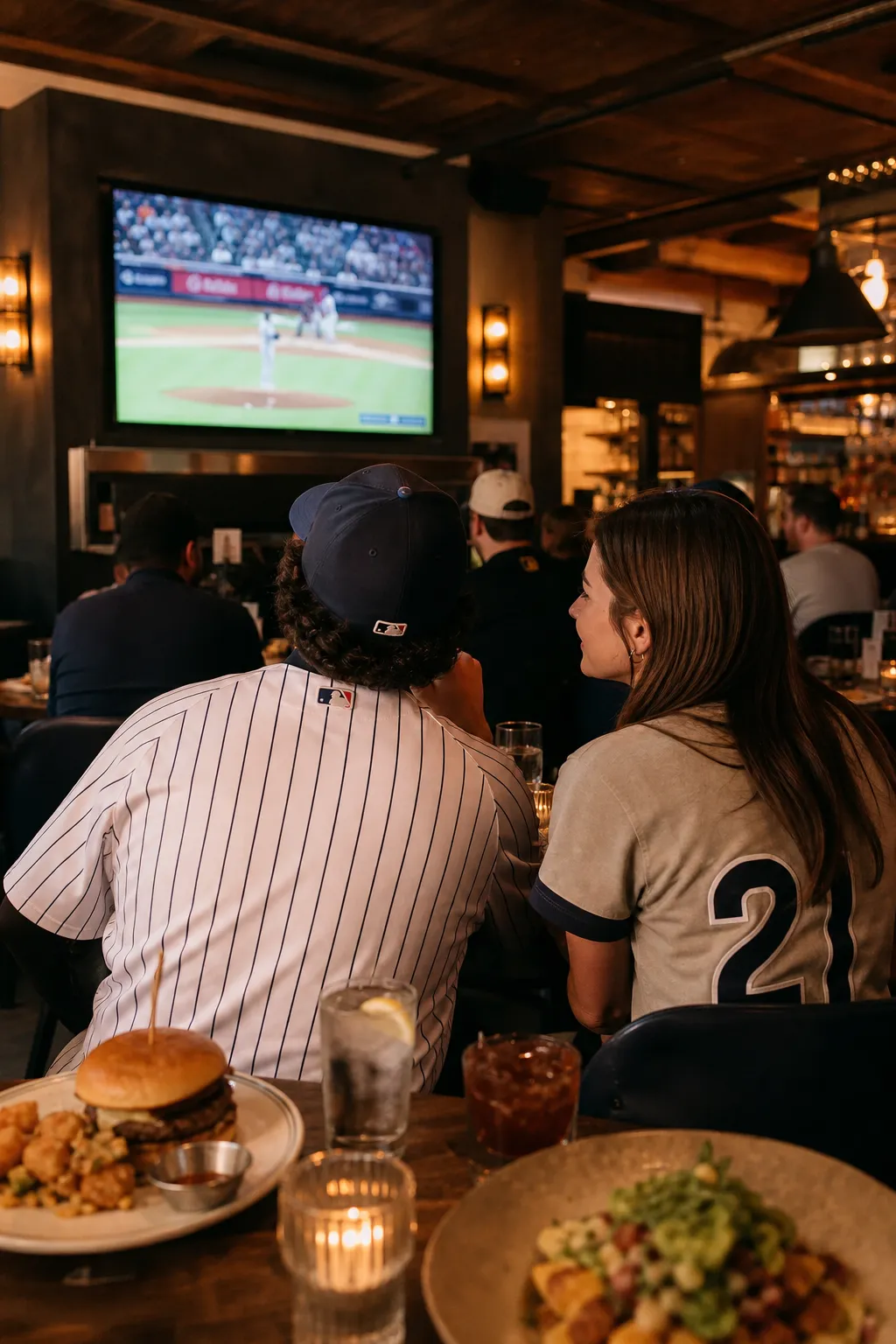
When cardinals vs yankees is the hook, Los Angeles diners are not just choosing a restaurant; they are choosing how much uncertainty they can tolerate before first pitch. For a hungry group of four friends on a Friday dinner, the smartest move is to treat the meal like a screen-screening decision: decide how much you value food quality, how much you need visible TVs, and whether the room can handle baseball chatter without forcing everyone to lean in. The practical path is simple. Verify reservations, ask about broadcast access and sound, and check the last seating before you leave. If the place falls short, keep a backup nearby and use Metro tools to reduce the travel risk across the city tonight.
Tell Karpo your dinner budget, group size, cuisine craving, and first-pitch time for a Los Angeles restaurant pick that respects baseball viewing needs.

Choose The Tradeoff First
The easiest mistake is starting with the menu and ending with a compromised watch party. For this matchup, decide whether the night should lean restaurant-first or game-first. A restaurant-first plan works when the group wants a stronger kitchen, slower pacing, and a place that still tolerates baseball conversation. A game-first plan works when everyone would rather accept a narrower menu in exchange for sightlines and sound. In Los Angeles, that distinction matters more than usual because the city gives you many dining rooms, but not all of them are built for a Friday crowd that wants both dinner and a live score check in practice.
Use the group itself as the filter. Four friends can split on pace, noise tolerance, and how long they are willing to sit before or during the game. If one person cares most about the food and another cares most about the screen, look for a restaurant with a clear bar area, a dining room with open sightlines, or an outdoor setup that still lets everyone follow the action. The right pick is rarely the fanciest room. It is the one where nobody has to negotiate for basic comfort once the first inning starts. That is the difference between a workable dinner and a long negotiation.

Call For The Things Apps Miss
Menus and reviews cannot tell you whether the game will actually be on, whether the sound will be usable, or whether the table you want is far from the television. That is why a short call matters more than another five-star scroll. Ask directly if the matchup will be shown, where the screens are, whether the volume is shared across the room, and whether the last seating gives your group enough time to finish without rush. If the answer is vague, treat that as useful information and move on before the night gets complicated and leave the table for the next restaurant to worry about.
Reservation platforms can still help, but they are not the final word. Use them to lock the time, then confirm any details that shape the experience: bar seating versus table seating, indoor versus patio, and whether the room expects quick turnover on busy Friday nights. For cardinals vs yankees, the real test is not whether a restaurant calls itself sporty; it is whether the staff can say how baseball viewing actually works there. When the answer is specific, the plan gets easier fast. Specific answers save the group from guessing with a full table already on the clock before anyone orders the wrong thing entirely.
Build The Table For Four
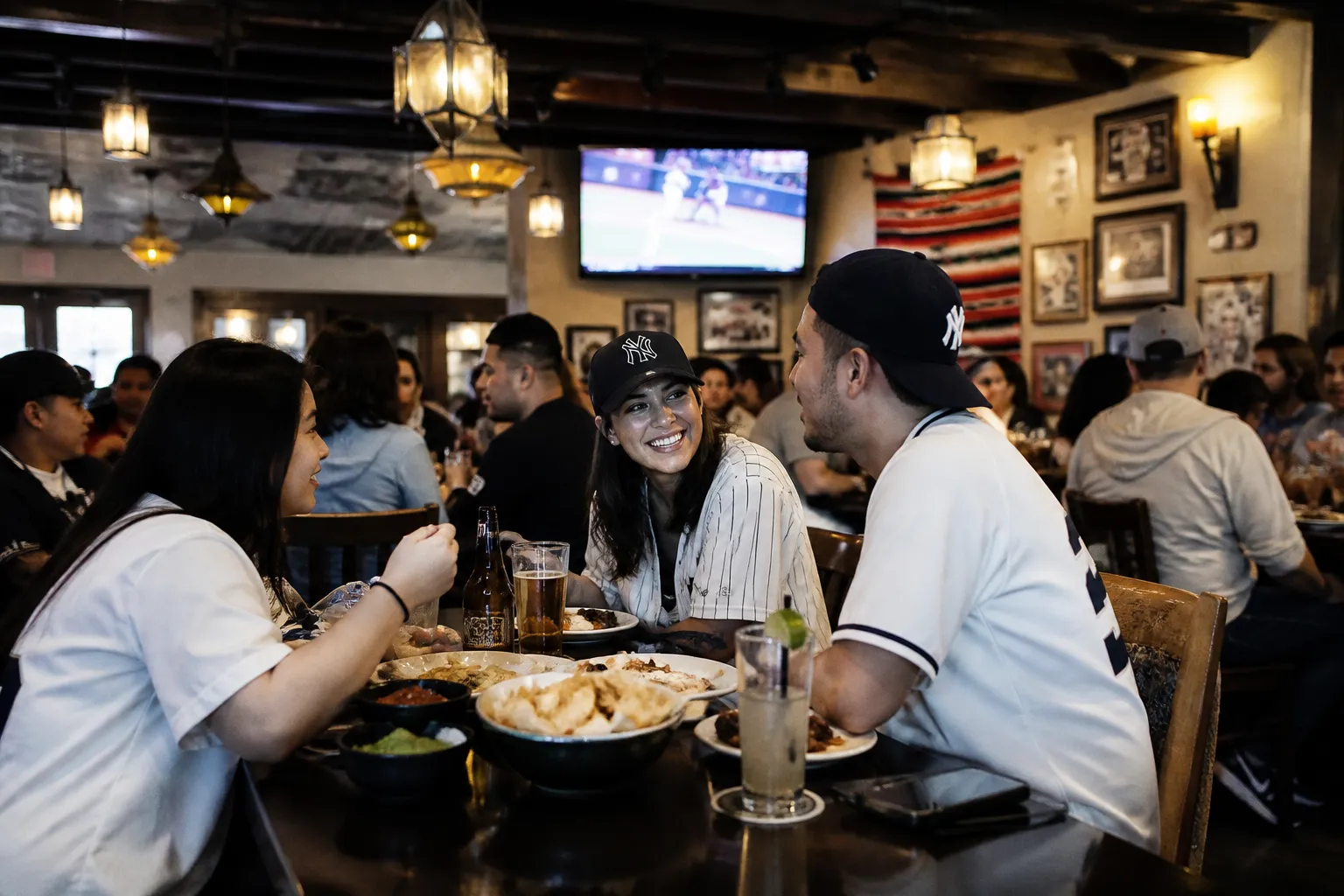
A four-person dinner works best when the food is easy to share and the table layout does not create dead angles. Think of the order as a pacing tool, not just a meal. Shared starters, a few mains that can land together, and drinks that do not demand constant attention keep the room focused on the game instead of the server cycle. If the menu is built for lingering plates and quiet tasting notes, that can still work, but only when the group truly wants a more restaurant-led night. It keeps everyone engaged without making the meal feel like a side quest for baseball night.
The better fit for hungry friends is often a menu that lets people eat without breaking the conversation every two minutes. That does not mean settling for less. It means choosing dishes that arrive predictably and can survive a little waiting while everyone checks the score. If the restaurant is known for fast turnover, you may need to ask whether that speed helps or hurts your table. Moderate difficulty is a fair label here: not hard, but not casual either, because the group is balancing appetite, screen access, and attention. It is the difference between a meal that supports game and one that interrupts it.
Use Transit To Keep The Evening Loose
Los Angeles traffic can turn a simple Friday dinner into the most annoying part of the night, so the route deserves as much thought as the reservation. Metro's rider tools include Trip Planner, real-time arrivals, alerts, maps, schedules, and the official app, which makes it easier to check service before leaving. Metro also notes simple fares with a $1.75 regular fare, daily and seven-day caps, and free transfers within two hours when using TAP or a credit or debit card. Those details matter when the goal is to arrive calm and avoid spending the first inning in a parking lot line or at the curb.
Transit also gives the group more options if dinner runs late or the first choice fills up. Metro says buses and trains are wheelchair accessible, rail stations have elevators and accessibility features, and safety and security personnel plus transit ambassadors are available systemwide. If something feels off, riders can use Transit Watch or call Customer Care. That is not a guarantee of a perfect night, but it does lower friction for a mixed group moving across the city before a high-interest game. That matters most when the table includes different ages, different comfort levels, or someone who wants a simpler exit after the last out.
Keep One Backup For Friday Pressure
Friday dinner in Los Angeles can tighten quickly when a sports night, a busy neighborhood, and a hungry group all collide. The practical answer is to keep one backup restaurant that matches the same screen needs but makes a different food compromise. If the first choice emphasizes the kitchen, the backup should emphasize reliability. If the first choice is more of a viewing room, the backup can be the better meal. Either way, the decision gets easier when you know the cutoff for last seating and how long the table will actually be yours. That is the cleanest way to keep Friday from becoming a scramble.
Demand can also rise around the city's event calendar. Discover Los Angeles lists Dine LA Restaurant Week for August 14 to 28, 2026, so diners who are already planning ahead may find reservations getting tighter soon after this date. That makes a good Friday plan less about chasing the perfect spot and more about protecting the experience. For a baseball dinner group, the best restaurant is the one that lets everyone eat, talk, and follow cardinals vs yankees without spending the whole evening negotiating the room. A little planning now saves the group from settling under pressure when the city is already crowded with demand.
Tags: #LosAngeles #Restaurants #BaseballViewing #FridayDinner #MetroTransit
Sources consulted: Source 1: metro.net · Source 2: discoverlosangeles.com · Source 3: lapl.org · Source 4: lacountyarts.org
All trademarks are the property of their respective owners.
Ask Karpo first
Ask Karpo to turn this Los Angeles idea into a current plan for your date, budget, companion, transit preference, and energy level. Karpo can narrow the route and flag what to verify before you go.


