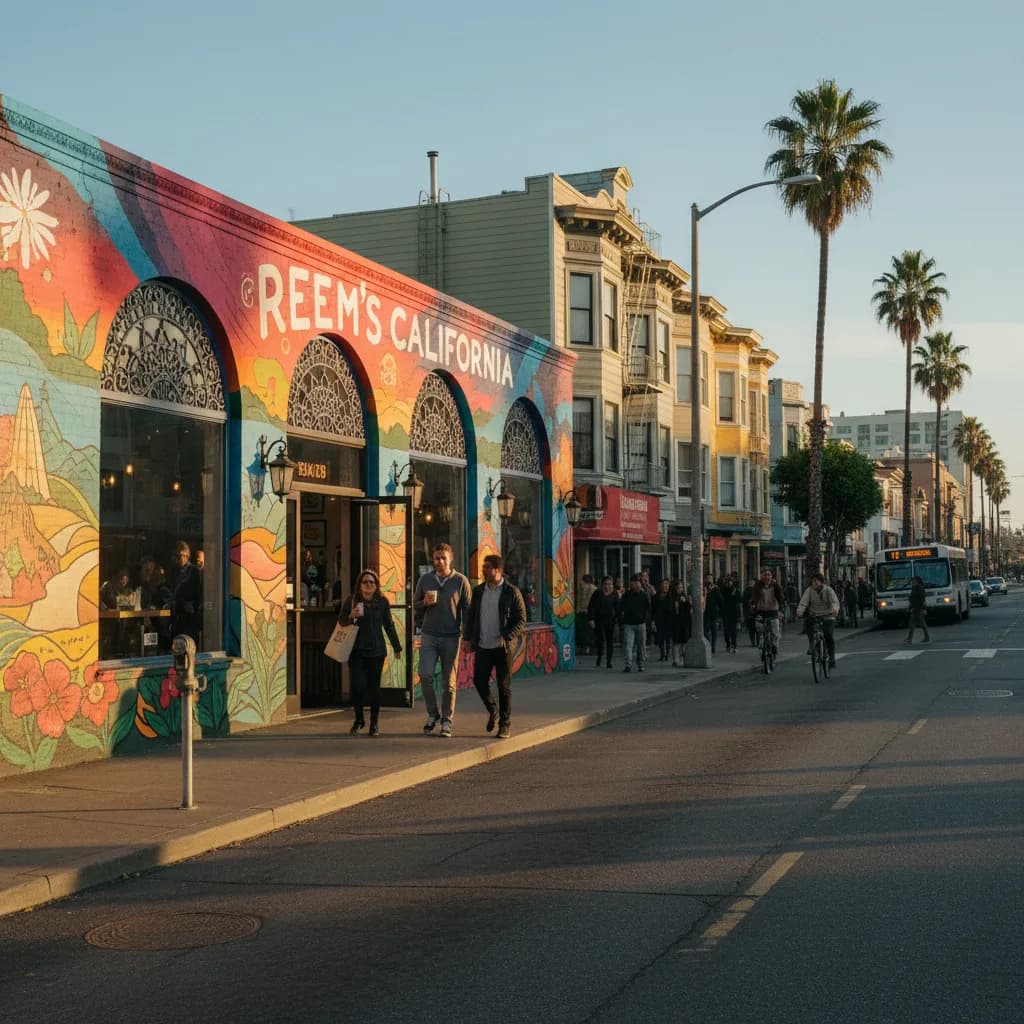
 Reem's California Mission: Best Mediterranean Food, Za'atar, and Community
Restaurants
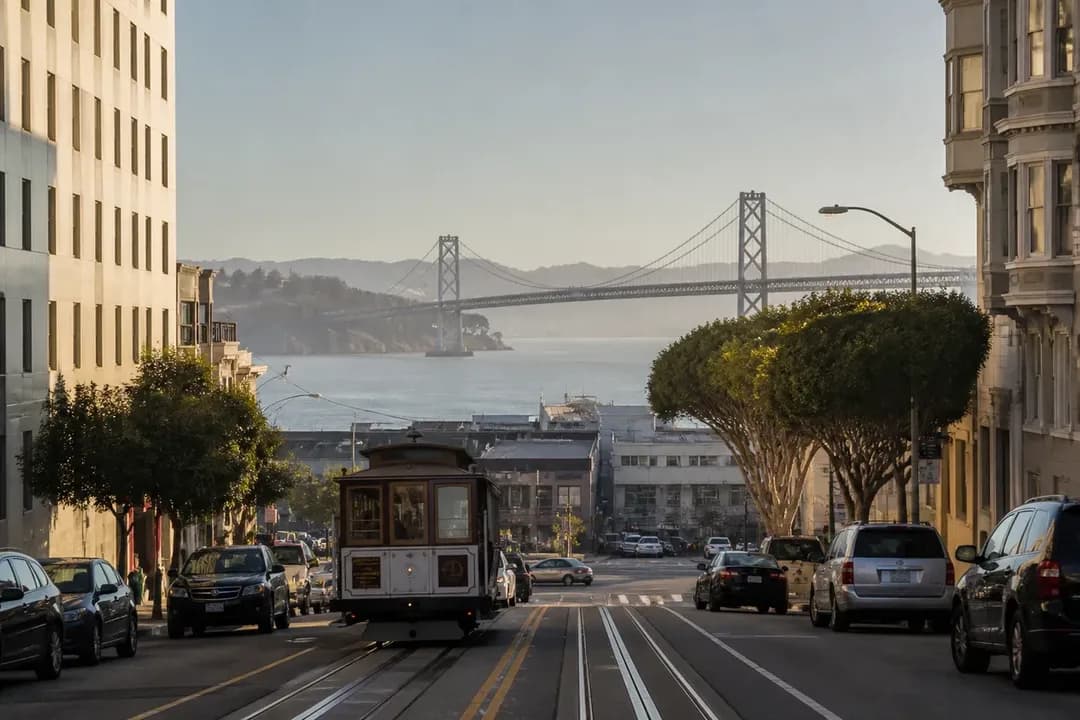
cape cod: A Practical San Francisco Market Meal Guide
A verification-first route for turning a timely search phrase into a flexible San Francisco meal plan with transit and backup checks.
A phrase like cape cod can make a table curious, but it should not make anyone assume a San Francisco restaurant tie-in, chef appearance, seafood special, local event, or official affiliation. Treat it as a prompt for choosing where to eat, not as evidence. The stronger move is to build a meal route around details that can be checked: how the group will travel, whether current SFMTA updates affect the neighborhood, whether the food business can be checked through San Francisco public-health resources, and what nearby option works if the first choice is crowded or unavailable. The official extracts do not confirm restaurant names, menus, prices, reservation rules, vendor rosters, or dining-room hours, so this plan keeps those as live checks. Start with the route and the group’s practical needs, then choose the venue after verifying the details that matter before departure.
Want a quick reality check before you leave? Text Karpo to verify SFMTA routing, active transit updates, restaurant health-score lookup steps, access needs, and a backup stop for this San Francisco meal plan.
Use the trend as a dinner conversation hook
Let cape cod do one job: start the conversation. It can frame a question like, “Do we want seafood, a market-style meal, or a flexible counter stop?” It should not be used as proof that anything Cape Cod-related is happening in San Francisco. The official extracts provided here do not support any Cape Cod restaurant event, partnership, menu, broadcast, chef visit, or special offer in the city.
A better San Francisco approach is verification-first. Before committing the group to a specific food business, use the city’s public-health resources as one practical check. The San Francisco Department of Public Health says it protects and promotes the health of San Franciscans, and its site includes an “Open a Restaurant or Check Health Scores” resource. That resource is described as covering food safety education, inspection, permitting, and other measures for food in San Francisco.
Keep the tone relaxed but precise. If someone brings up cape cod over drinks, use it as a coastal or market-meal prompt, then separate the vibe from the facts. No appearance, affiliation, special menu, price, schedule, or guarantee belongs in the plan unless it is confirmed by the venue or an official source available to the group before they go.
Choose the room before choosing the menu
San Francisco meals often work better when you choose the setting first. A table-service restaurant suits a quieter dinner. A hall, market, or counter cluster can suit a group that wants flexibility. A stop near a walkable public area can work when the meal is part of a broader evening. The official extracts do not confirm specific restaurant availability, current vendors, dishes, prices, reservation policies, or hours, so the exact venue should stay provisional until checked directly.
Make the room decision around the group’s least flexible need. If someone needs a shorter walk, an easier transit path, parking information, or accessibility details, that should shape the first stop. SFMTA’s homepage gives visitors and residents several route-planning categories, including Muni, walk, bike, drive and park, taxi, and accessibility. That is enough to support a practical planning habit: choose a restaurant route people can actually use, not just one that sounds good.
For a market-style meal, decide whether the group wants grazing or sitting before anyone leaves. Grazing needs a clear meeting point and a fallback option. Sitting may require a reservation or wait-time check, but the supplied official extracts do not state any restaurant reservation rules or table availability. Treat those as venue-level facts that must be confirmed separately.
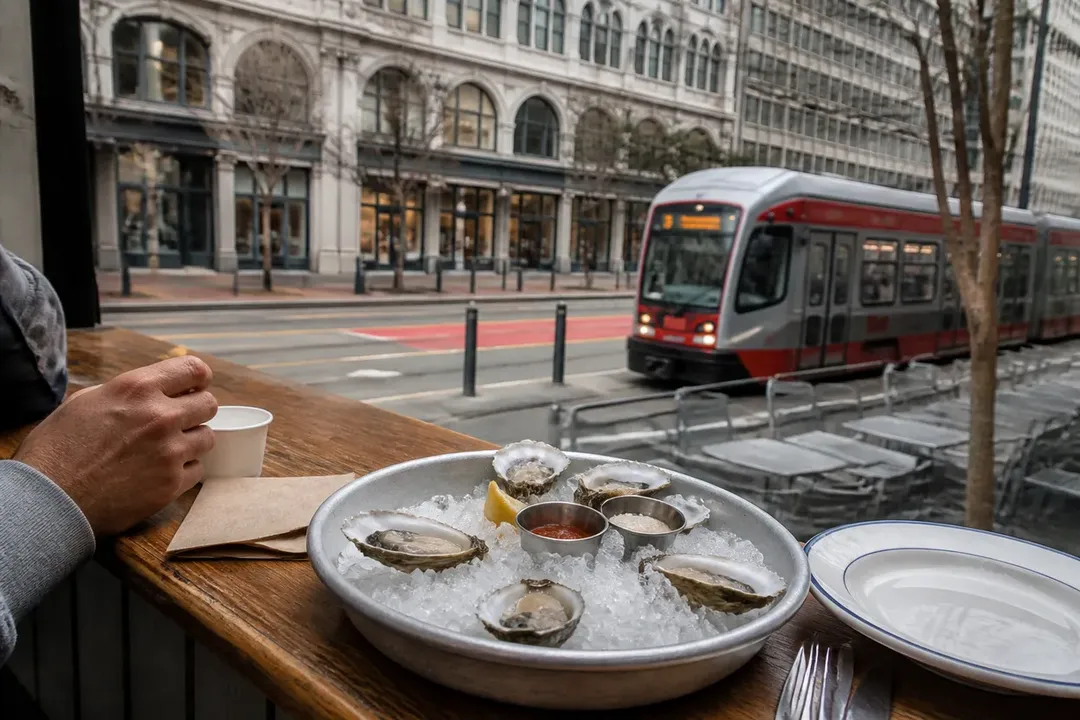
Match the market or hall to the group
A mixed group should not start with the most specific craving. Start with constraints: arrival time, transit comfort, food restrictions, mobility needs, and tolerance for waiting. Then choose a market, hall, or restaurant only after checking current operating details. Any detail that can change, including vendor participation, menu items, prices, and hours, belongs in the verify-before-leaving category.
Use public-health information as part of the selection, especially for a first-time stop. The Department of Public Health extract supports a narrow, useful claim: the department provides food safety education, inspection, permitting, and other measures, and it points users to a way to open a restaurant or check health scores. That does not prove a restaurant is open tonight or suitable for your group, but it does identify an official city channel for food-safety and health-score questions.
If the group is split between “seafood because cape cod is in the air” and “anything but seafood,” a flexible setting can keep the evening from becoming a vote on one dish. The key is not to oversell it. Say, “This is a flexible San Francisco meal plan with a coastal prompt,” not “There is a Cape Cod thing happening here.”
Keep the first stop easy to reach
Transit should be checked before the restaurant is treated as final. SFMTA’s homepage includes a Trip Planner with fields for starting location and ending location, plus travel choices that include Muni, bike, walk, and drive. Use that before leaving, especially when the group is trying to coordinate from different neighborhoods or arrival modes.
Watch the date-specific items in the official extract. The current date is Thursday, August 6, 2026, and SFMTA’s homepage flags Outside Lands for August 7-9. The extract does not say which restaurant routes will be affected or how long any trip will take, so do not invent transit times. The actionable point is simpler: if the meal is planned for Friday, August 7 through Sunday, August 9, 2026, check SFMTA before departure and leave the schedule flexible.
Also check SFMTA’s Travel & Transit Updates close to departure. The supplied extract lists Hayes Valley Shared Spaces on Fridays and Saturdays in August 2026, 40-foot bus service substitutions updated July 6, 2026, and Chinatown Construction from July 30-August 9, 2026. Those items do not automatically block a dinner plan, but they are precise reasons to verify the neighborhood route before the group commits.
Save a nearby option for long waits
A good San Francisco meal plan has a Plan B within the same general route. The backup should not depend on an unverified cross-city move unless the whole group is already willing to keep traveling. If the first stop is a market or hall, the backup might be another vendor in the same setting or a nearby food business, but the official extracts do not confirm which businesses are open, what they sell, or whether they take reservations.
Choose the backup before the wait starts. Set a simple cutoff: a specific number of minutes, one drink, one lap through the hall, or the next comfortable transit decision point. The exact cutoff is a group preference rather than an official fact, but deciding it early makes the evening easier for anyone who is hungry, tired, traveling with children, or managing access needs.
If the evening touches areas mentioned in current SFMTA updates, choose the backup on the easier side of the route. For example, the official extract specifically names Hayes Valley Shared Spaces, Chinatown Construction, and bus service substitutions as Travel & Transit Updates. Check whether Muni, walking, biking, driving and parking, taxi, or accessibility information makes the second stop more practical before leaving.
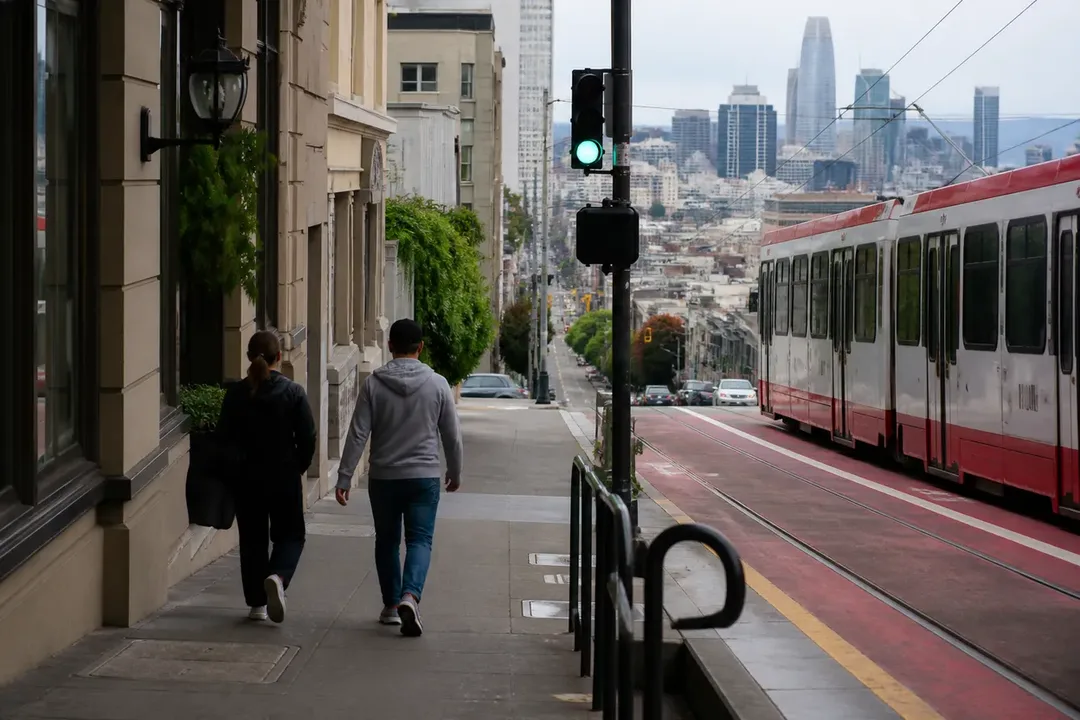
Verify vendor hours before leaving
The final check is the least glamorous and the most useful: confirm operating details before leaving. The official extracts here do not provide restaurant schedules, reservation availability, current vendor rosters, menus, prices, kitchen closing times, event tie-ins, or broadcast availability. Every one of those details should be treated as unconfirmed until verified through the venue or a relevant official source.
Use SFMTA’s trip-planning tools for the route, then check current transit updates again close to departure. The agency’s homepage supports several practical checks: Trip Planner, Muni Routes & Stops, For Visitors, Neighborhoods, Projects, Travel Maps & Guides, Taxi, Drive & Park, and Accessibility. Those resources can help build the skeleton of the trip without pretending to know restaurant floor conditions.
Use San Francisco Department of Public Health resources for food-safety and restaurant-check questions. The official extract points to restaurant health-score resources and says the department handles food safety education, inspection, permitting, and other measures. It also says people can contact 311 to report health issues connected to businesses, apartments, or other living and working spaces, and that medical emergencies should go to 911.
Tags: #SanFranciscoRestaurants #SFMarketMeal #CapeCod #AskKarpo #BeforeYouGo #Muni #SFMTA #SFDPH #FoodSafety #RestaurantPlanning #SanFranciscoDining #TransitFirst #DinnerPlan #BayAreaFood
Sources consulted: sftravel.com · sfdph.org · sfmta.com
All trademarks are the property of their respective owners.
Ask Karpo first
Ask Karpo first when the plan depends on timing, access, or a specific vendor. Karpo can help check the San Francisco route, flag official SFMTA transit updates, guide you toward restaurant health-score verification, and keep a nearby backup in play before the group commits.
Ask Karpo for more information.
Keep reading
- Reem's California Mission: Best Mediterranean Food, Za'atar, and Community
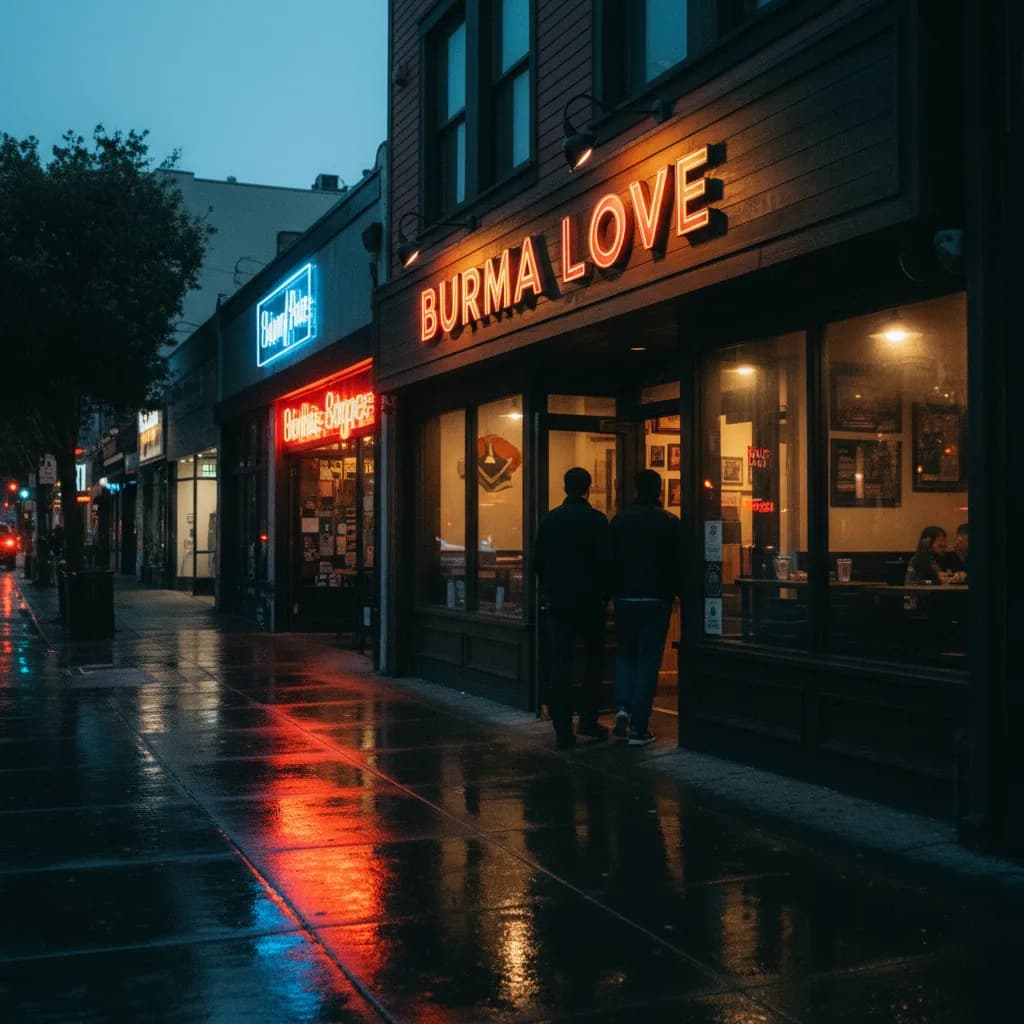 Finding Burmese Restaurants Open Near Me: Burma Love in Mission
 Outer Sunset Seafood Near Me: Hook Fish Co's Day-Boat Delights