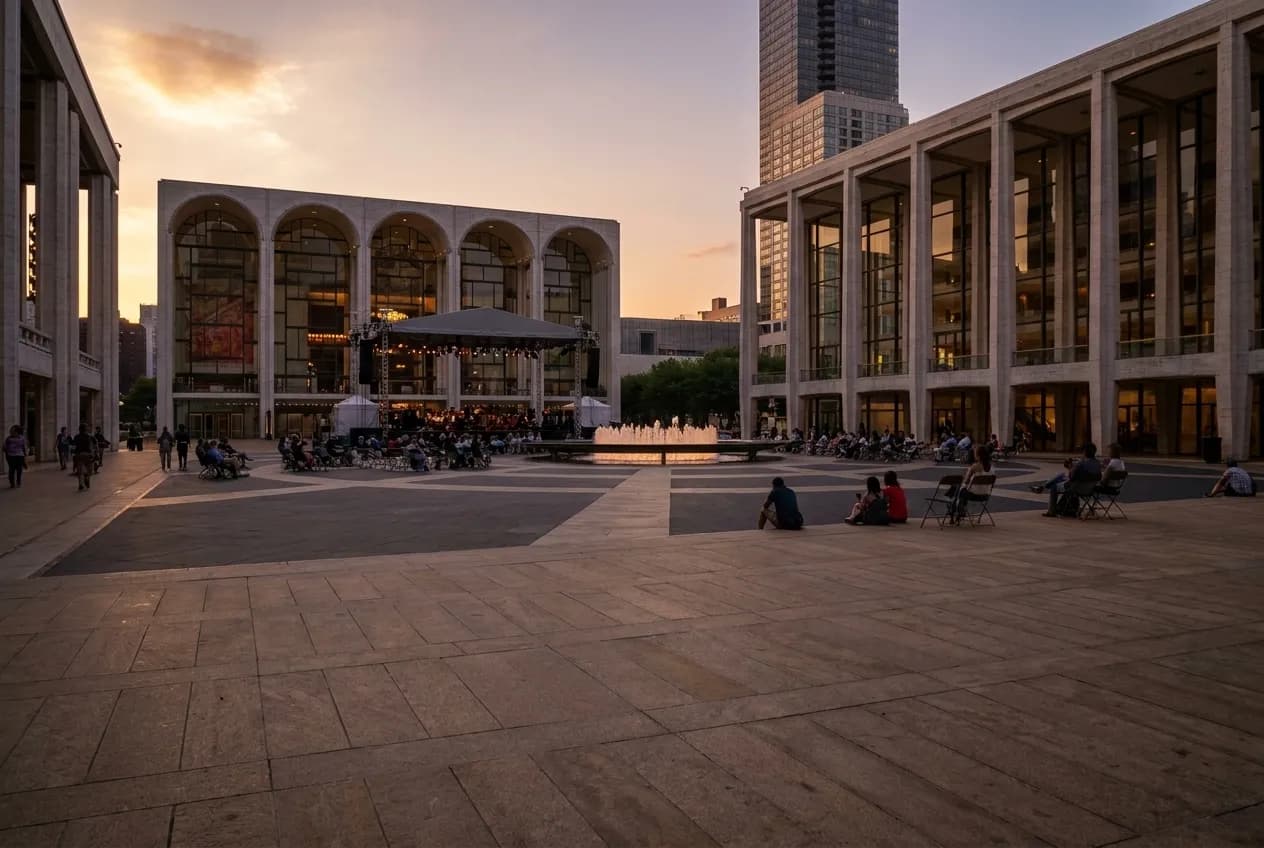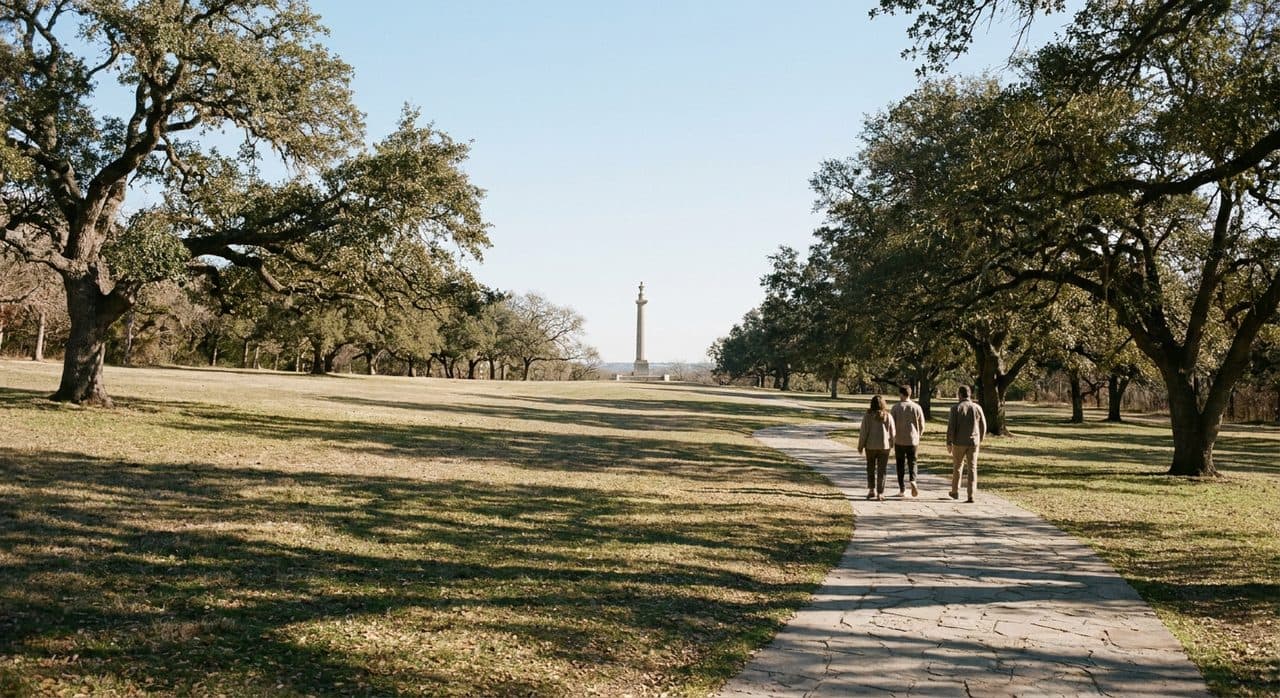
You walk up the slope from DeKalb Avenue right as the first pitch notification buzzes your phone, and Fort Greene Park spreads out like someone draped a green blanket over Brooklyn's rooftop. The hill facing the Prison Ship Martyrs Monument turns into an accidental bleacher section most summer evenings, where you'll find twenty strangers sprawled on the grass with earbuds in, watching different games on different screens, all nodding at the same rhythm when something big happens three states away.
The Geography of Free Baseball Viewing
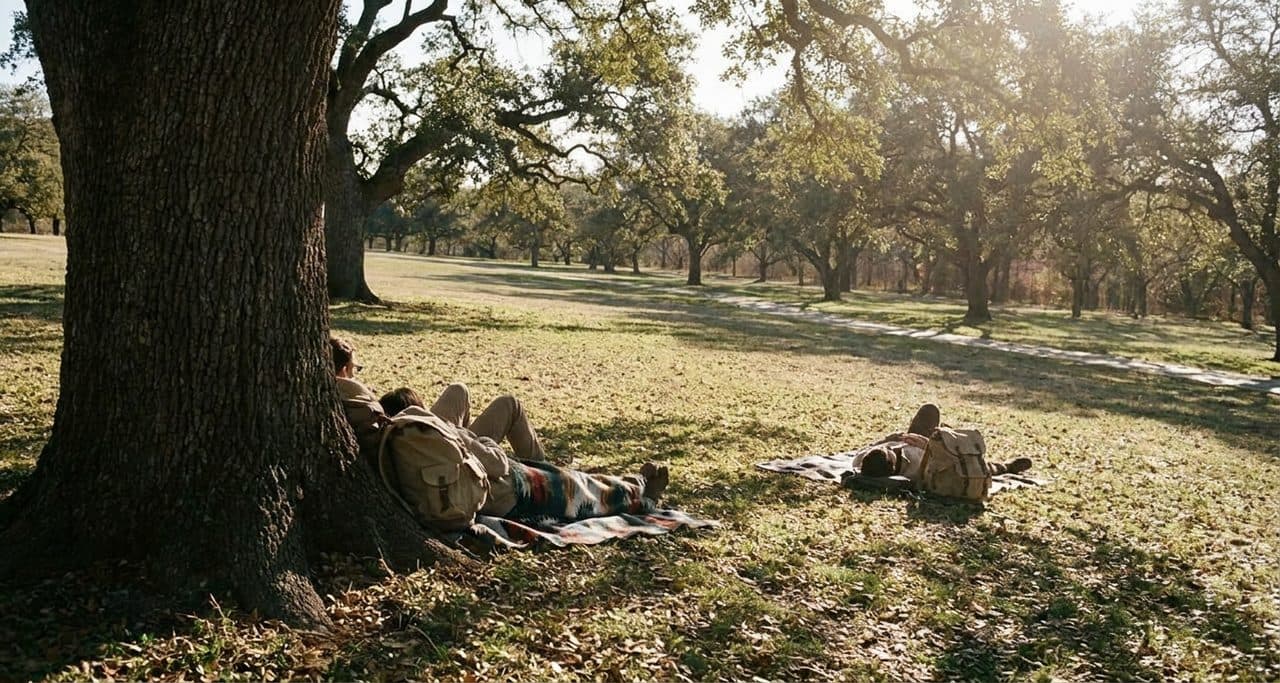
The southwest corner of the park, where the hill crests before dropping toward the monument, gives you the best sight lines if you're propping your phone against a backpack or balancing it on your knees. The mature London plane trees create natural shade pockets that shift as the sun drops, so you can chase coolness or claim a patch of late-day warmth depending on your tolerance. Regulars know the sweet spot sits about fifteen feet upslope from the paved path, where the grass stays thick enough to cushion your tailbone through nine innings but you're still close enough to hear the park's ambient soundtrack—kids on the playground behind you, someone's Bluetooth speaker leaking reggaeton, the distant grind of the Q train surfacing at DeKalb. The benches scattered along the paths work if you need back support, but you lose the sprawl factor and the ability to lie flat when your team's bullpen implodes in the eighth.
What the Crowd Actually Looks Like
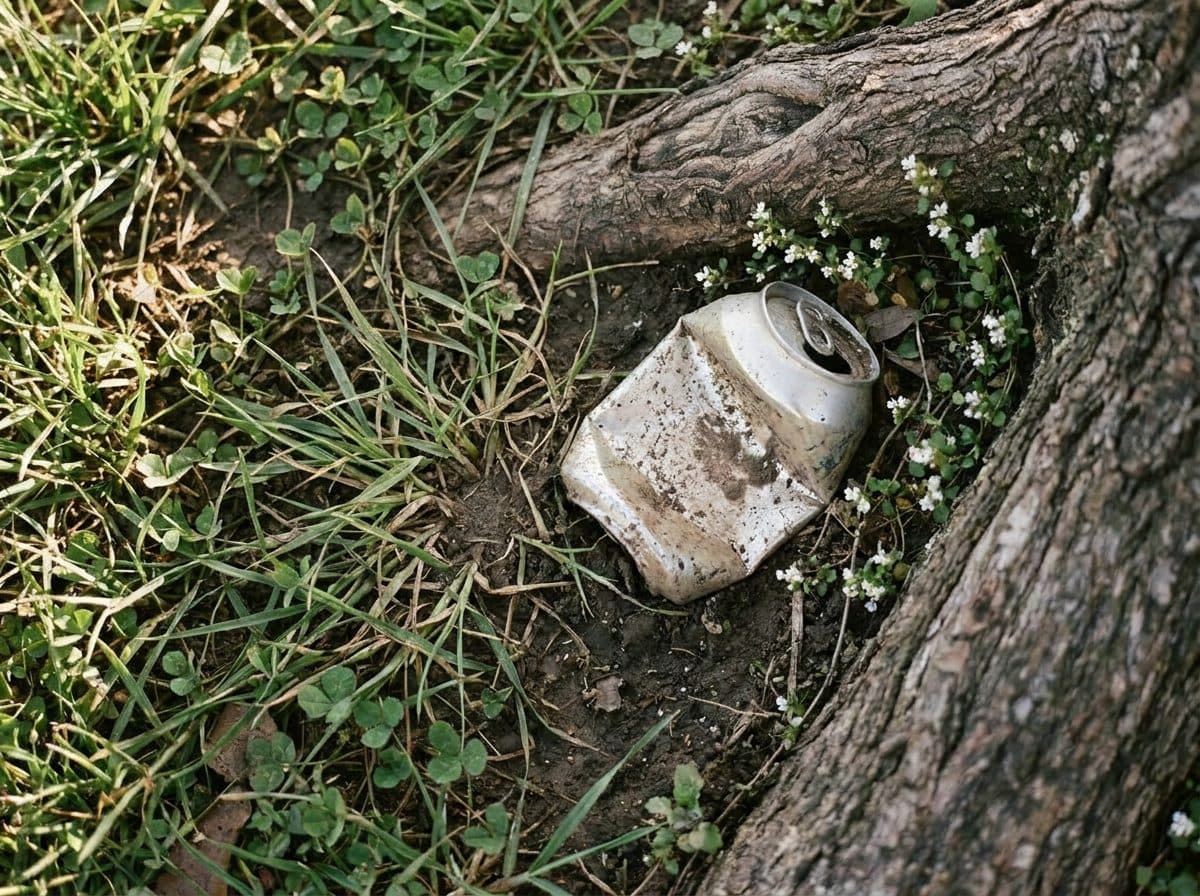
You're not joining some organized viewing party with matching jerseys and a projector. This is cellular solitude practiced in loose community. The guy in the maintenance uniform streams on his lunch break extension, sitting upright on a bench with his thermos wedged between his boots. Two women in scrubs share earbuds, tilting a phone between them, their shift clearly just ended based on the way they've kicked off their sneakers. A dad lets his toddler chase pigeons while he tracks pitch counts with one eye and the kid with the other. Everyone's watching their own feed on their own device, but when someone reacts—a sharp inhale, a muttered curse, a sudden laugh—heads turn. You make eye contact with a stranger. You both know something just happened, even if you're watching different games in different leagues. That's the unspoken treaty of the hill.
The Timing Sweet Spot Between Work and Dinner
Weeknight games starting around seven-thirty hit perfectly if you're coming straight from the office or a service shift. You've got that narrow window before you need to think about dinner, before the park empties out for the night, when the light goes honeyed and horizontal across the grass. The air temperature drops just enough that you stop sweating through your shirt. This is when the hill fills up—not crowded, but populated. You claim your spot during the pre-game show, settle in as the national anthem plays through tinny phone speakers around you, and by the third inning you've unconsciously synced your breathing to the pace of the game. The park doesn't close its gates at dusk the way some city green spaces do. As long as the monument stays lit, people stay sprawled. You can watch all nine innings and extra if it goes there, though most folks pack up by the seventh-inning stretch when hunger wins.
The Unspoken Phone-Streaming Etiquette
Nobody's policing your screen brightness, but you learn fast that cranking it to maximum burns your battery before the fifth inning. The veterans bring portable chargers clipped to their belt loops or stuffed in tote bags. Headphones stay in—this isn't a communal audio experience. Playing your broadcast out loud marks you as either very new or very bold, and the side-eye comes quick. Data plans take a beating, so you'll see people toggling between streams and box scores, rationing their bandwidth, refreshing only when they need to. The park has no Wi-Fi. You're on your own network here. Some folks bring tablets for bigger screens, but phones dominate because they're easier to angle against the sun glare and they don't announce your setup quite so loudly. If your team's losing badly, nobody judges you for switching to highlights or scrolling through other scores. The hill offers zero obligation to suffer through a blowout.
What You Bring Besides Your Phone
A blanket changes everything. Even a cheap beach towel from the dollar store gives you a defined territory and keeps grass stains off your work pants. The prepared people show up with those foam sitting pads that backpackers use, the ones that fold into squares and weigh nothing. Snacks run the full spectrum—someone's always eating chips, someone's working through a bodega sandwich, someone's got a full Tupperware situation with last night's leftovers. The park has no vendor carts posted up for evening baseball, so you're self-catering or you're hungry. Water bottles matter more than you think. The public fountains work but they're a hike down the hill, and you lose your spot's specific angle if you wander. Bug spray in late summer becomes currency. The mosquitoes that breed near the monument come out around the sixth inning, and if you forgot yours, someone near you probably has extra. A light jacket for when the sun fully drops. The temperature swings fifteen degrees between first pitch and final out.
Why This Beats Watching at Home or a Bar
Your apartment doesn't have this particular quality of air, the way it moves across open grass with the city's white noise underneath it. Bars charge you for the privilege of a barstool and expect you to keep ordering. Here you pay nothing and owe nobody. The screen's smaller, sure, but the context is bigger. You're watching baseball the way people listened to it on transistor radios in different decades—privately public, alone together, the game as soundtrack to being outside. When something big happens, you get the ripple effect of reactions around you, little human notifications that something shifted in someone else's game. A shared flinch. A sudden laugh. The collective groan that means someone just made an error that'll loop on highlight reels. You're not watching with these people, but you're not watching alone either. That's the specific thing this park offers that your couch and your streaming subscription can't replicate.
Practical Notes
The park opens early and stays accessible well past dark, with the monument lighting providing ambient visibility. Getting here from the city means the Q, B, or G trains to DeKalb Avenue, then a short walk uphill into the park's southwest section. The hill area doesn't require any reservation or permit—you just show up. Bathrooms sit near the playground area if you're staying for a full game. Weeknight evenings see the most phone-streaming activity, particularly during baseball season when games overlap with that post-work, pre-dinner window. Bringing your own food and water makes sense since there's no concession setup. The space works best when you're willing to sit on the ground or a blanket rather than needing formal seating.
Tags: #FortGreene #FreeNYC #BaseballSeason #BrooklynParks #StreamingLife #OutdoorViewing #NYCAfterWork #FortGreenePark #BudgetBrooklyn #PhoneStreaming #PublicSpaces #BrooklynLife #FreeEntertainment #CityParks #NYCSecrets
Sources consulted: timeout.com · ny.curbed.com · nycgovparks.org
All trademarks are the property of their respective owners.