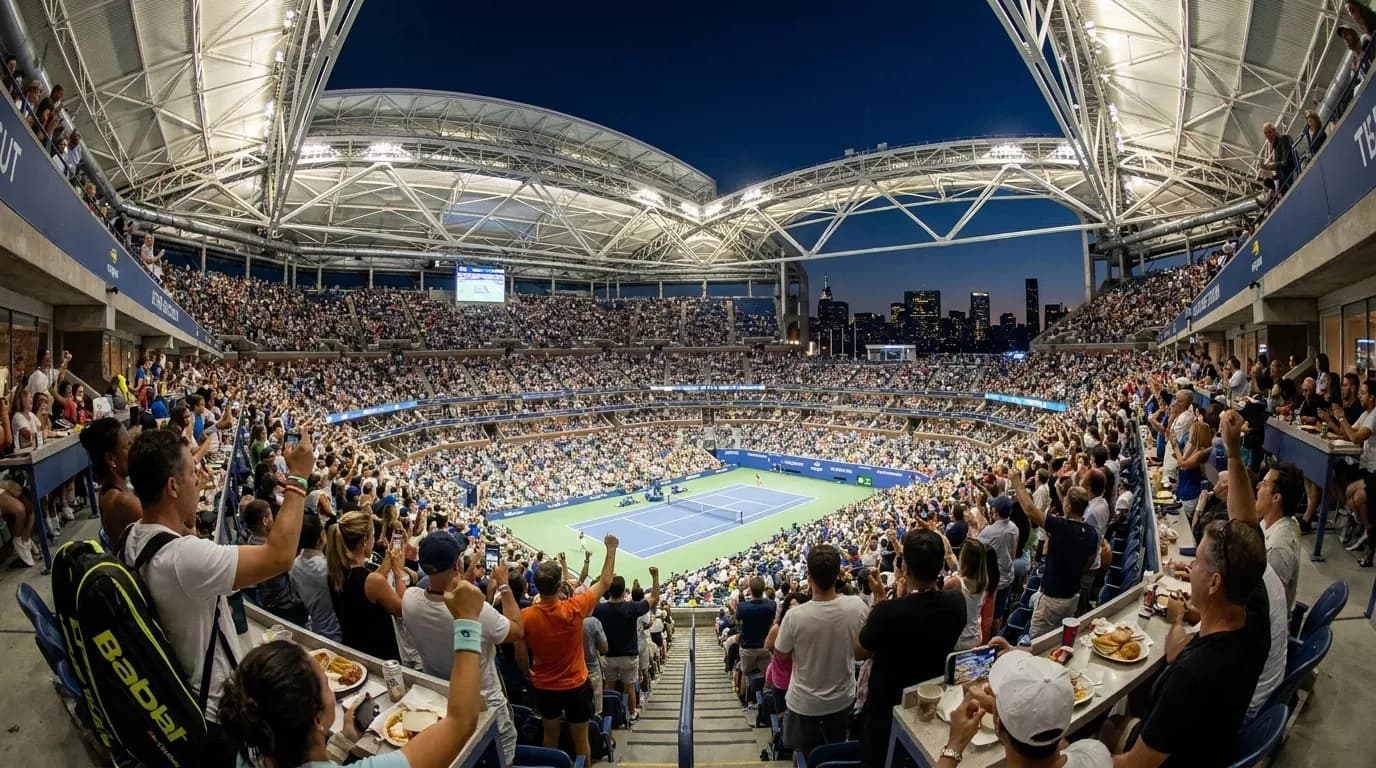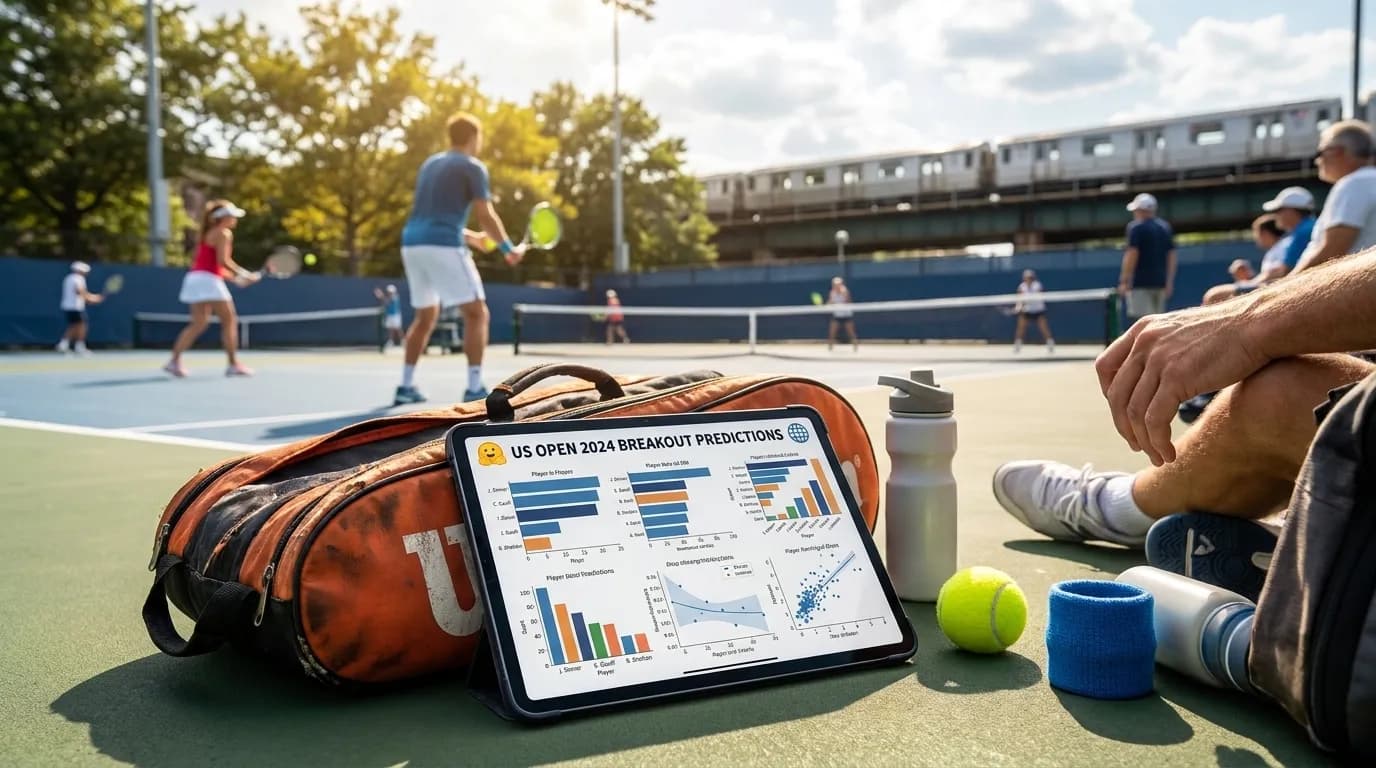
If you are trying to decide which early-round matches to watch at the 2026 US Open, AI can be useful, but not magical. As of July 23, 2026, the official tournament calendar runs August 23 through September 13, with singles main-draw play beginning August 30. That gives curious fans time to build a shortlist before the grounds get busy. Public tennis results, rankings movement, recent surface performance, and match-length patterns can be organized with open tools, including models and datasets found through Hugging Face, to flag players who may be trending upward. The right goal is not to “predict” a breakout with certainty. It is to make better viewing decisions: which qualifying names to follow, which first-week courts to check, and which matches deserve a second look once the official schedule and player fields are confirmed.
Text Karpo to compare breakout-player signals with the matches you are actually planning to watch.

What AI Can Actually Add to a Tennis Watchlist
Breakout watching has always mixed evidence and instinct. A player’s ranking may lag behind their current level after injury, a late coaching change, a surface switch, or a run through smaller events. Open AI tools can help by turning scattered information into patterns you can compare. A simple model might rank players by recent win rate, hard-court performance, return games won, tiebreak record, or results against stronger opponents. A language model can summarize news that you provide, cluster player notes, or help you label trends such as “serving better,” “long matches,” or “strong against left-handers.”
The catch is that tennis is noisy. Draws matter. Health matters. Weather, nerves, scheduling, court speed, and matchups can undo a neat spreadsheet in two hours. AI is strongest when it narrows your attention, not when it declares a result. Think of it as a scout who never gets tired of sorting public data, not as someone with privileged knowledge of who will play, win, or become famous in New York.
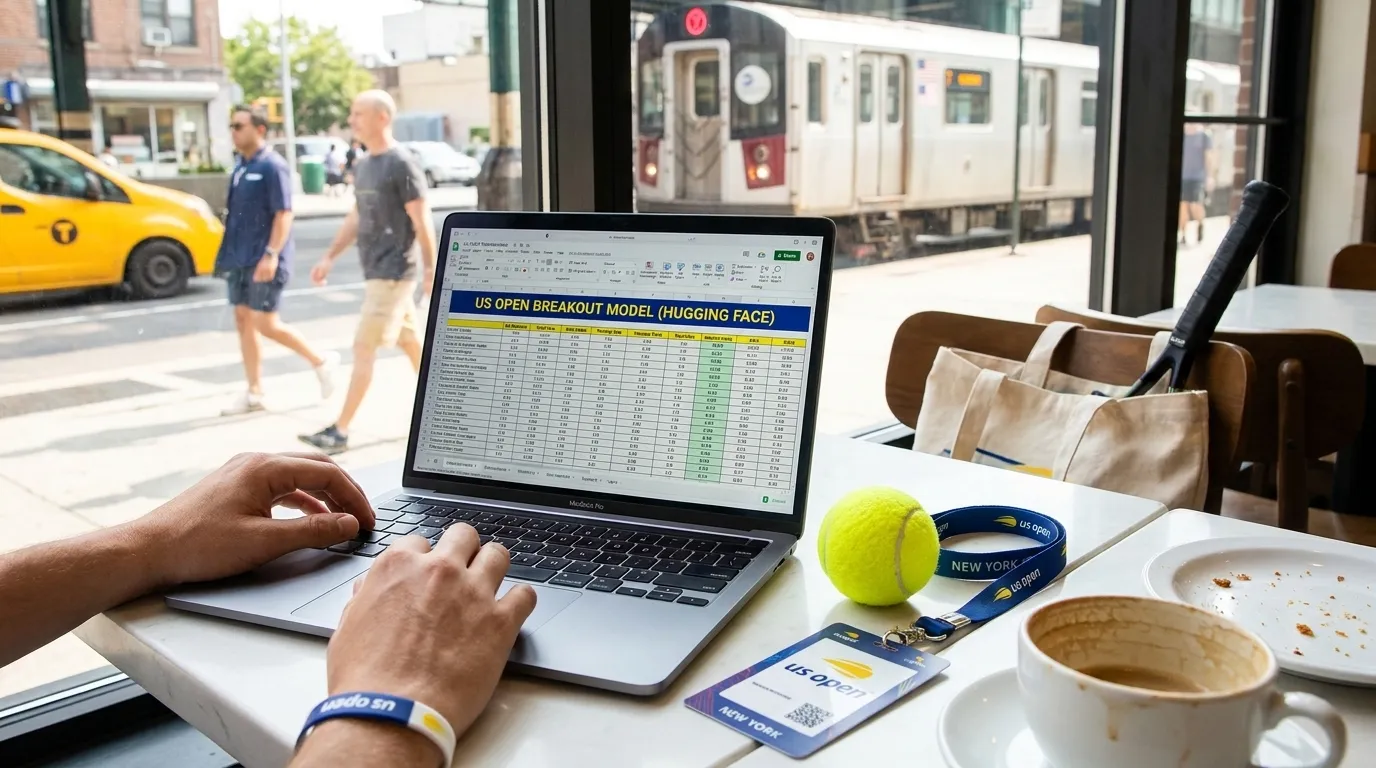
A Sensible Data Recipe for Breakout Hunting
A fan-friendly project can start with information that is already public: recent match results, rankings history, tournament level, age band, surface, match duration, and opponent quality. You do not need private data, rumors, or invasive personal details. In fact, avoiding those makes the exercise cleaner. The most useful breakout indicators are usually comparative rather than absolute. Has a player been losing narrowly to higher-ranked opponents? Are they winning more return points on hard courts? Did their recent form improve after moving from clay or grass? Are they entering longer rallies successfully without becoming physically overextended?
- Track momentum, not just ranking: look at the past six to twelve weeks, while noting whether those matches came against comparable opposition.
- Separate surfaces: a hard-court uptick is more relevant to New York than a run built entirely on another surface.
- Compare draw difficulty after it is official: a strong candidate can become a poor viewing bet if the matchup is especially unfavorable.
- Flag uncertainty: missing recent matches, retirements, or limited hard-court data should lower confidence rather than invite bold claims.
- Keep the output readable: a shortlist of ten to fifteen names is more useful than a model score for every entrant.
Hugging Face can fit into this recipe in several ways. Some users may run open-source models locally; others may use hosted tools, notebooks, or libraries to classify text and organize tables. Availability, speed, and features vary by device, software, account setup, and connection. If you are using a phone or tablet, including Samsung devices, do not assume every model, on-device AI feature, or browser workflow will be supported; feature availability varies by model and software version.
Turning Model Scores Into Match-Day Decisions
The practical value appears once the official schedule is posted. A model might tell you that a qualifier has unusually strong hard-court return numbers, but the US Open schedule tells you when and where that person is actually playing. The official US Open event schedule should be checked close to the day you attend, because match timing, court assignments, and programming can change. The better question is not “Who will break out?” but “Which early matches are worth building my day around if the schedule cooperates?”
One useful approach is to create tiers. Tier one might be players whose recent data and draw position both look interesting. Tier two might include names with exciting form but unclear matchups. Tier three can be purely speculative: big servers, young players, returning players, or doubles specialists moving through qualifying. That structure keeps you flexible. If a court is full, a match runs late, or the weather shifts, you still have options without feeling as if your plan has failed.
Privacy, Battery, and Connectivity on the Grounds
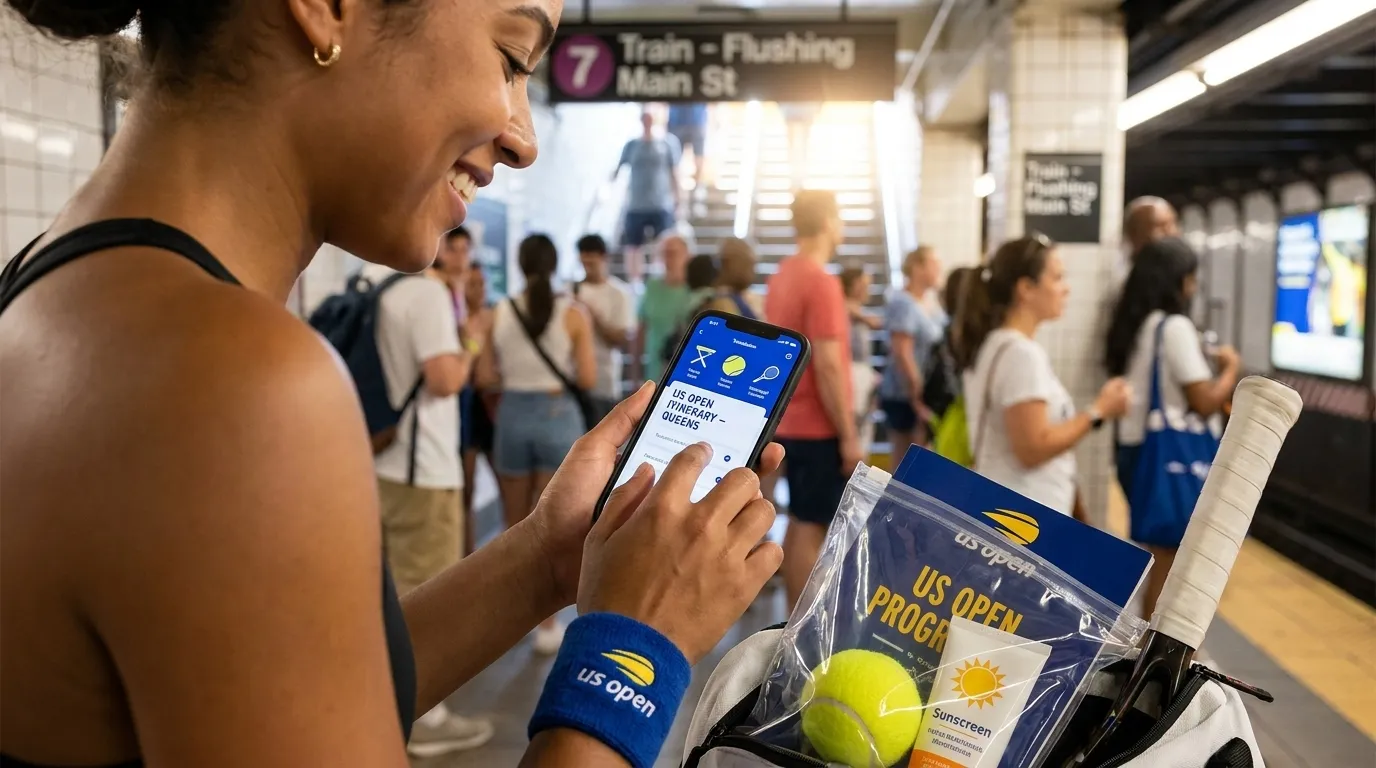
A tennis AI watchlist is most helpful when it is simple enough to use in a crowd. Save your shortlist before you travel, and avoid depending on a live notebook or a large model during the busiest parts of the day. Connectivity can be inconsistent in crowded venues, batteries drain quickly when phones are used for maps, photos, messaging, and score checks, and cloud tools may be slow when many people are online. A lightweight note with names, courts to check, and reasons for interest is often better than a complex dashboard.
Privacy also matters. Do not upload personal documents, ticket screenshots, payment details, travel records, or private conversations to an AI tool just to organize a tennis day. If you are using public player data, keep it public and respectful. Venue etiquette matters too: avoid blocking aisles while checking stats, keep screen brightness and audio considerate, and follow staff instructions. AI should make you a calmer spectator, not a more distracted one.
The Official Checks That Still Beat Any Model
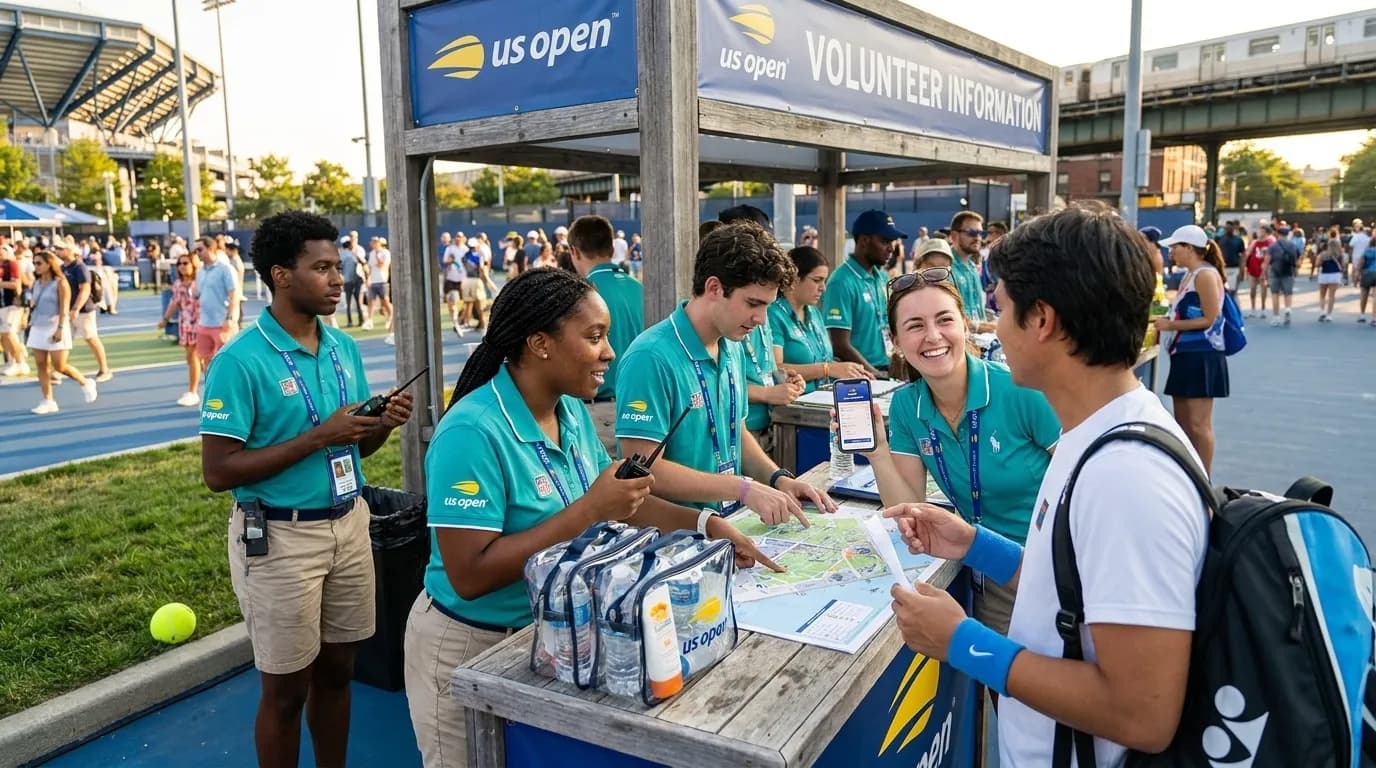
No model can replace the official US Open pages for day-of decisions. Before you travel, recheck the event schedule for dates and match information, the A-to-Z visitor guide for venue rules and services, transportation directions for current arrival guidance, and the prohibited-items page before packing. Schedules, gate times, transit conditions, player fields, venue rules, weather, local hours, inventory, and service availability can change. If your shortlist depends on seeing a specific player, wait until that player is confirmed in the relevant field and schedule before making firm plans around the match.
This is especially important during qualifying and the first week, when fans often chase value across multiple courts. A data-backed candidate may be placed at a time that conflicts with another match, a court may fill earlier than expected, or weather may reshape the day. Practical backup planning is different from a guarantee of access. Build your route with alternatives, and treat any AI-ranked player as one option among several, not the sole reason for your visit.
How to Read a Breakout Signal Without Overreading It
A good AI-assisted signal should be explainable. If a model marks a player as interesting, you should be able to say why in plain English: improved hard-court results, strong recent hold numbers, better performance against top opponents, or a pattern of close losses that suggests level rather than ranking. If the reason is unclear, the score is less useful. Fans do not need black-box certainty; they need a nudge toward matches they might otherwise miss.
Also look for disagreement. If one metric loves a player because of recent wins, while another is cautious because those wins came against lower-ranked opponents, that tension is helpful. It tells you the player may be worth watching, not necessarily backing. The most enjoyable breakout lists leave room for surprise. They help you notice a fearless qualifier, a teenager handling pace, or an unseeded player with a sharp return game before the broader crowd catches on.
Practical Notes
- Create your shortlist before August 30, then revise it when official singles fields, draws, and schedules are available.
- Use public, non-sensitive data only, and keep any AI summaries tied to clear evidence you can explain.
- Download or screenshot your watchlist, transit notes, and official visitor information before leaving for the venue.
- Recheck the US Open event schedule, A-to-Z guide, transportation directions, and prohibited-items page close to travel.
- Pack with battery life, weather, and venue rules in mind, but do not assume services, access points, or conditions will remain unchanged.
- Treat every model output as a conversation starter. The win is a smarter day of watching tennis, not a guaranteed prediction.
Tags: #USOpen2026 #Tennis #NewYork #Queens #FlushingMeadows #KarpoFinds #Karpo #TennisAnalytics #USOpenBreakouts #HuggingFaceAI
Sources consulted: usopen.org — Official reference · usopen.org — Official reference · usopen.org — Official reference · usopen.org — Official reference
All trademarks are the property of their respective owners.
Ask Karpo first
Ask Karpo how to turn rankings, surface form, and draw position into a realistic US Open watchlist.