
A new federal Medicaid funding action announced on Tuesday, July 21, 2026, is prompting understandable questions in New York City, where millions of residents rely on Medicaid, Child Health Plus, the Essential Plan, Medicare Savings Programs, or related public coverage. The verified action is targeted: the U.S. Department of Health and Human Services and the Centers for Medicare & Medicaid Services said they are deferring more than $1 billion in federal Medicaid payments to California and Minnesota while those states submit additional documentation for certain claims. That is not the same as a nationwide Medicaid shutdown, and it is not a notice that New York Medicaid members are losing coverage. For NYC readers, the practical step is to check your own case status through the correct New York channel.
Text Karpo if you want a quick checklist for finding your Medicaid renewal deadline in NYC. Ask Karpo to help sort whether your case likely belongs with NY State of Health or HRA before you start calling around.
What the federal government announced on July 21
HHS said on July 21, 2026, that CMS is deferring approximately $867.5 million in federal Medicaid payments to California and $199 million to Minnesota. The agency described the claims under review as “high-risk” and said the states will have an opportunity to provide documentation showing the claims meet federal Medicaid requirements. In plain English, a deferral pauses federal reimbursement for disputed state claims while CMS reviews whether the spending is allowable. The federal announcement expressly framed the action as a payment deferral, not a permanent cut.
The California portion centers on certain in-home care claims, according to HHS, after CMS identified spending growth and claims requiring additional documentation. The Minnesota portion involves Medicaid claims across 14 high-risk service areas, including claims connected to providers flagged through program-integrity reviews and other possible eligibility or billing issues. The federal government has made allegations about documentation and risk; the final outcome depends on review, state responses, and any administrative or court process that follows.

Why California and Minnesota were singled out
The July 21 announcement did not apply to every state. It named only California and Minnesota and tied the action to specific claim categories. Minnesota had already been under a corrective-action process tied to Medicaid program integrity. The Minnesota Department of Human Services said on July 15 that it was extending a pause on enrolling new Medicaid providers in 12 high-risk services while it revalidates providers, a process the state said involves ownership, staffing, location documentation, and unannounced site verification.
California had also faced earlier CMS scrutiny over Medi-Cal financing and home-care expenditures. Policy researchers at KFF summarized that CMS had already deferred large prior amounts in Minnesota and California in 2026, while other states, including New York, had received information requests or scrutiny without the same publicly announced payment deferral. That distinction matters: a request for information, an audit, a corrective-action plan, and a payment deferral are related oversight tools, but they are not interchangeable.
What this does not mean for New York Medicaid
As of July 22, 2026, the HHS announcement does not say that New York’s Medicaid funding has been frozen, and it does not instruct New York Medicaid members to reapply because of the California and Minnesota deferrals. New York’s program continues to be administered through New York State, NY State of Health, local social services districts, and, for many NYC cases, the Human Resources Administration. If your doctor, pharmacy, managed-care plan, or HRA account shows active coverage, the California and Minnesota action alone does not change that status.
New York has faced separate federal attention around Medicaid program integrity and health coverage rules, but those are not the same as this July 21 deferral. For NYC readers, the safest approach is to separate headlines about other states from notices about your own case. A valid notice affecting your eligibility should come from NY State of Health, NYC HRA, your local district, or your plan, and it should include dates, action steps, and appeal information if coverage is being changed or denied.
How Medicaid funding works in a way that affects headlines
Medicaid is jointly funded by the federal government and states. CMS explains that the federal government pays states for a specified percentage of program expenditures, known as the Federal Medical Assistance Percentage, while states must fund their share and operate within federal requirements. States generally pay providers or managed-care plans first, then claim federal matching funds through Medicaid financial reporting systems. That back-end reimbursement structure is why a federal deferral can be a major state budget issue without instantly appearing as a cancellation notice in an individual enrollee’s mailbox.
That does not make deferrals harmless. If a large reimbursement is delayed or denied, a state may have to manage cash flow, documentation burdens, provider concerns, or litigation risk. But for members, eligibility and benefits usually move through separate notice and renewal processes. A provider may still ask questions if there is confusion about coverage, so NYC residents should keep copies of benefit cards, plan cards, renewal confirmations, eligibility notices, and screenshots showing coverage dates.
Where NYC residents should check coverage first
If you enrolled through NY State of Health, use your online account or call the marketplace customer service center listed by the state. NY State of Health says Medicaid, Child Health Plus, Essential Plan, and Qualified Health Plan renewals may require action, and renewal notices explain what to do. If your address, phone number, or email changed, update it so notices do not miss you. Medicaid enrollment through NY State of Health remains available year-round for eligible applicants.
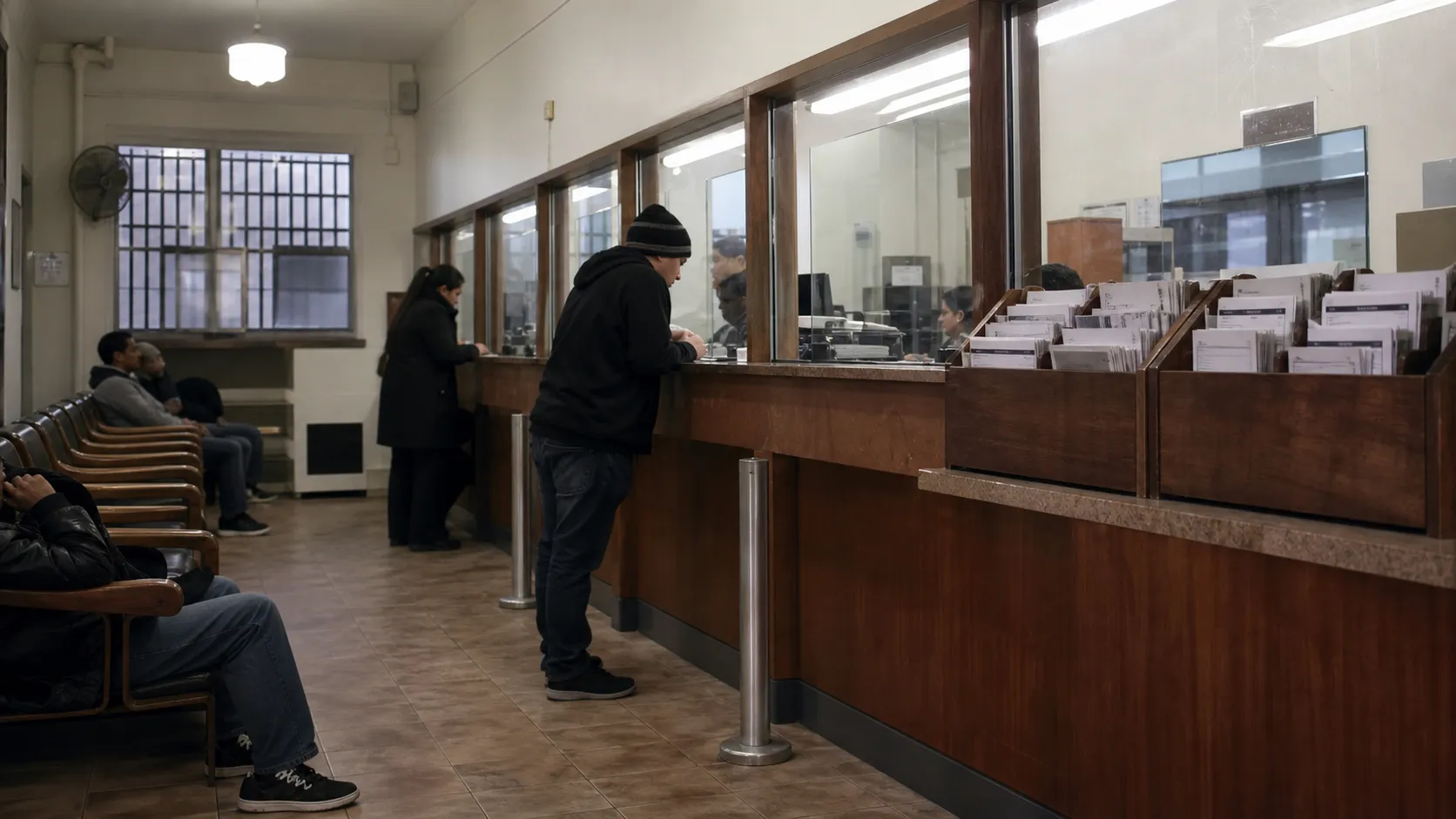
If your Medicaid case is handled by NYC HRA, check ACCESS HRA. The city says renewal alerts appear in ACCESS HRA when a renewal is available, and Medicaid-only case details can show coverage start and end dates. HRA also says members can call the Medicaid Helpline at 888-692-6116 to check coverage dates or ask about a missed deadline. Keep the distinction clear: NY State of Health and HRA serve different groups, so use the office named on your most recent notice.
Who may need extra attention in NYC
Most children and adults under 65 apply through NY State of Health, while NYC residents who are over 65, have Medicare, or are seeking Medicaid based on disability are commonly directed to HRA. NYC’s Office of Citywide Health Insurance Access also notes that Medicaid may provide free health insurance for eligible children and adults and that some applicants may qualify for retroactive coverage for unpaid medical bills if they request it and meet eligibility rules.
People with home care, long-term care, Medicare plus Medicaid, surplus or spend-down arrangements, or disability-based cases should read notices especially carefully because their renewal paperwork may be different from a straightforward marketplace case. Do not rely on a social-media post or a headline to decide whether to stop care, skip prescriptions, or ignore renewal mail. If a notice is confusing, contact the agency listed on it, a facilitated enroller, a legal services organization, or your managed-care plan’s member services line.
How to read future updates without panic
Watch for words that describe the stage of government action. “Alleged” means a claim has been made but not necessarily proven. “Requested documentation” means an agency is seeking records. “Deferred” means a payment is paused pending review. “Disallowed” would mean CMS has determined a claim is not eligible for federal matching funds, subject to reconsideration or appeal. “Court filing” may be one side’s argument, while a “court order” is a judge’s decision. Those distinctions can prevent a funding story from being mistaken for an immediate benefits termination.
The most important personal document is still your own eligibility notice. If New York changes your Medicaid eligibility, you should receive a written notice explaining the decision, the effective date, and appeal rights. If a plan changes its network or a provider stops taking a plan, that is a separate access issue, not necessarily a Medicaid eligibility loss. For urgent care, call your plan or provider before assuming coverage has ended.
Practical notes
Practical notes for NYC: check the account tied to your case, not just the news. NY State of Health members should log in, review messages, and confirm contact information; HRA-managed Medicaid members should use ACCESS HRA, look under Benefits and case details, and check E-Notices. If you received a renewal packet, respond by the deadline and upload or submit requested documents through the channel named in the notice. If you missed a deadline, call HRA’s Medicaid Helpline at 888-692-6116 or NY State of Health at 1-855-355-5777, depending on where your case is handled. This article is general information, not individualized medical, legal, or financial advice.
Tags: #NYC #Medicaid #NewYorkMedicaid #HealthCoverage #NYStateOfHealth #ACCESSHRA #PublicBenefits #HealthInsurance #MedicaidRenewal #NYCHealth #MediCal #MinnesotaMedicaid #NeighborhoodGuides #KarpoNYC
Sources consulted: HHS July 21, 2026 announcement on California and Minnesota Medicaid payment deferrals · Minnesota Department of Human Services notice on high-risk Medicaid provider enrollment pause · NYC HRA Medicaid renewal frequently asked questions · NY State of Health guide to renewing health insurance · NYC Office of Citywide Health Insurance Access Medicaid information · Medicaid.gov financial management overview · KFF brief on recent federal Medicaid program-integrity actions · AP report on the July 2026 California and Minnesota Medicaid payment deferrals
All trademarks are the property of their respective owners.
Ask Karpo first
Ask Karpo can also help you turn a confusing public-benefits notice into a plain-language question list for HRA, NY State of Health, your managed-care plan, or an enrollment assister, so you know what to ask without sharing sensitive medical details.