A business lunch has requirements that are almost the inverse of what Miami's restaurant scene is built for. You need a room quiet enough to talk in, a kitchen that will get you out inside ninety minutes, a bill you can predict, and an atmosphere that is impressive without being a performance. Miami does spectacle extremely well and the other four less consistently, which means the choice matters more here than in most cities.
The right room is quiet, quick and predictable — three things a Miami restaurant is not by default. Ask Karpo which nearby rooms deliver.
Brickell, which is the default
Brickell is the financial district and the most walkable part of Miami, and it has the highest concentration of restaurants that understand a business lunch. Peruvian and Nikkei rooms, Argentine and Spanish dining rooms, steakhouses and a set of Japanese counters all sit within a few blocks, and most of them run a lunch service specifically aimed at this.
The advantage of Brickell is logistical as much as culinary. If your client is staying or working downtown, walking to lunch removes valet, parking and traffic from the equation entirely, which in Miami is a substantial saving in both time and friction. It also means the meeting can extend to a coffee afterwards without a second decision.
Coral Gables, which is the better choice
The Gables is quieter, more formal and, for a lunch where conversation matters, generally the better answer. Miracle Mile and the surrounding streets have a concentration of long-established Spanish, Italian and Cuban dining rooms with tablecloths, practised service and rooms designed for talking. Several have been doing business lunches for decades and it shows in the pacing.
It is also cheaper than Brickell for equivalent quality, has municipal garages that cost a fraction of downtown valet, and is genuinely pleasant to walk in. If the client is coming from the airport or from a hotel outside downtown, it is frequently the easier destination as well.
What makes a room work
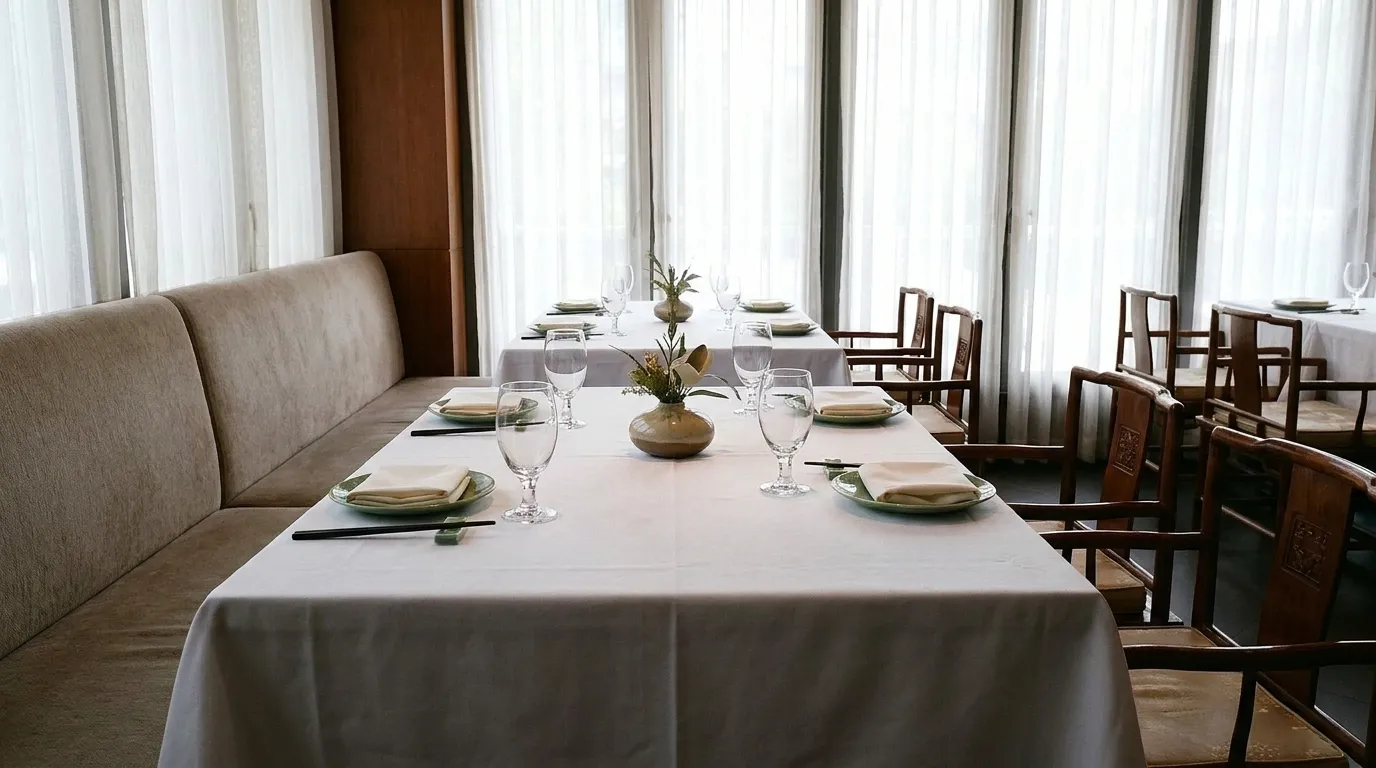
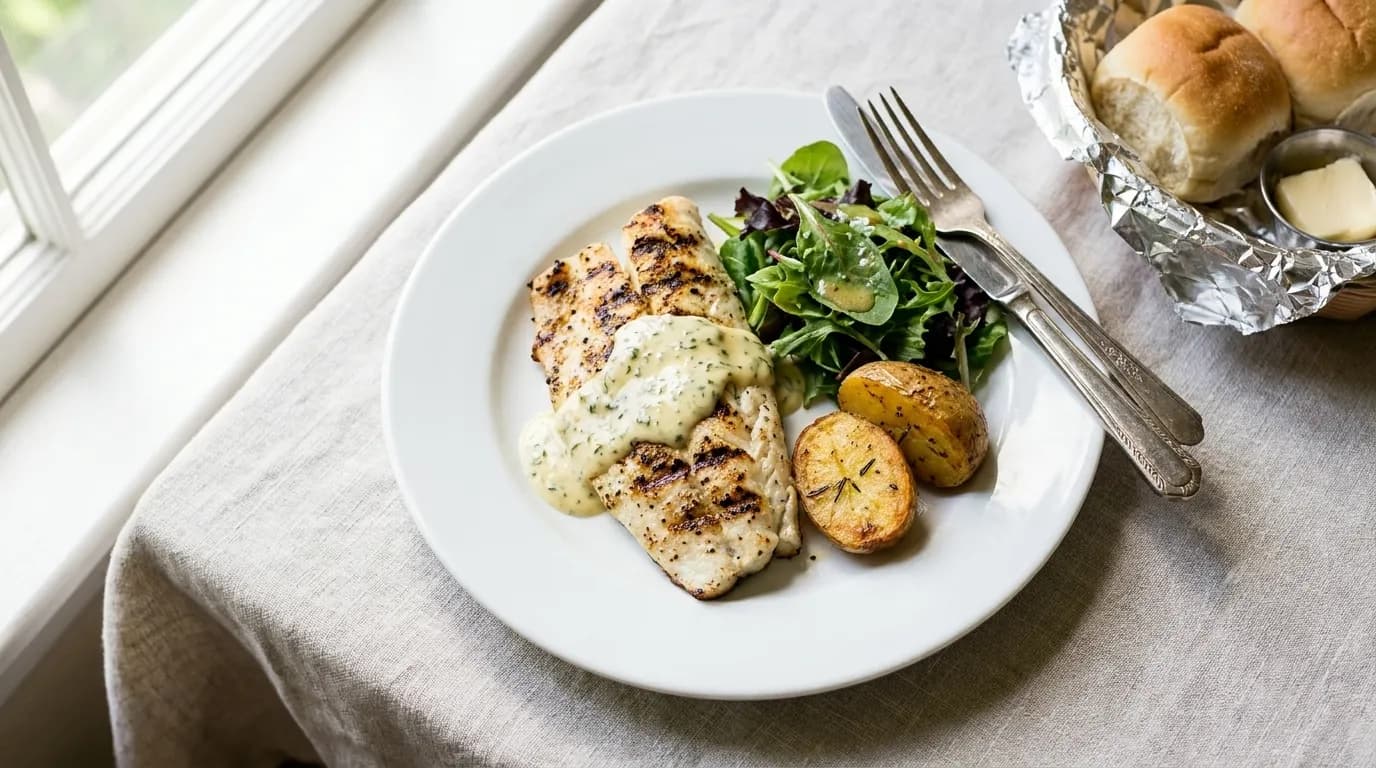
Four things. Soft surfaces — cloth, carpet, banquettes, curtains — which are what keep a room quiet; a restaurant with concrete floors and an open ceiling will be too loud by twelve-thirty. Tables spaced for service rather than capacity, so the next table is not part of your meeting. A menu you can order from quickly, which usually means a lunch menu rather than the full dinner card. And a kitchen that will pace to your schedule if you tell them.
The single most useful thing to do is call ahead and say it is a business lunch with a hard finish time. Every good room in Miami will pace the meal accordingly, hold the table you want and have the bill ready. Restaurants do this constantly and it is the difference between finishing at one-thirty and finishing at two-fifteen.
The details that decide it
Book for twelve or twelve-fifteen rather than one; the room is calmer and the kitchen is fresher. Ask for a corner or a banquette away from the door, the bar and the service station. Arrive first. Sort the bill in advance — leaving your card at the start, or asking them to bring it to you rather than to the table, removes the small awkwardness at the end that everyone remembers.
Order something that is easy to eat while talking. Whole fish with bones, anything requiring hands, and long tasting sequences are all bad choices. Grilled protein, a rice or pasta dish, or a salad with something substantial in it all work. And follow your guest's lead on wine — Miami business lunches do sometimes include a glass, and they frequently do not.
Timing the room
Miami's lunch service runs later than most cities' and the rooms fill later too. A twelve o'clock booking in Brickell puts you in a half-empty dining room with the full attention of the staff; a one o'clock booking puts you in the middle of the rush. That is the reverse of what most people assume from a northern city, where noon is the peak. The other consequence is that a one-thirty finish is genuinely easy here — the kitchen is not trying to turn your table, because the second sitting is still arriving.
The alternatives
If the meeting is short, a hotel dining room is the underused option. The better downtown and Brickell hotels have quiet restaurants that are used to business, take bookings easily, and have somewhere to sit afterwards. If the meeting is long, a private or semi-private room is worth asking about — several Gables and Brickell rooms have one at no extra charge for a lunch booking.
And if the client is visiting Miami rather than working here, consider that the most impressive lunch might not be the most formal one. A proper Cuban dining room in Little Havana or a Peruvian room in the Gables is more memorable than a hotel restaurant, and shows more thought — provided it is quiet enough to talk in, which is the only non-negotiable.
One last consideration is language. Miami is a genuinely bilingual business city and a great many lunches here happen partly in Spanish. Choosing a room where the staff move comfortably between both — which in the Gables and Brickell is nearly all of them — removes a small friction that an out-of-town restaurant choice would introduce.
Practical notes
Call ahead and say it is a business lunch with a finish time. Book twelve or twelve-fifteen. Ask for a corner or banquette. Settle the bill discreetly in advance. Check whether a service charge is added automatically, which is common in Miami. Brickell is walkable and Coral Gables has cheap municipal garages; both beat valet. And bring a layer — restaurant air conditioning here is set very cold and a two-hour lunch is a long time in it.
Tags: #Miami #MiamiFood #BusinessLunch #Brickell #CoralGables #LunchNearMe #Downtown #Peruvian #Steakhouse #FoodNearMe #MiamiEats #ClientLunch #Networking #ProfessionalMiami
All trademarks are the property of their respective owners.
Ask Karpo first
Want to know which rooms near you are quiet enough for a meeting, which will pace to a finish time, and where your client can park? Ask Karpo before you book.