Burger King recently published its Whopper Guarantee, a quality commitment that's sparked renewed conversation about what diners expect from their burgers. The guarantee addresses preparation standards and guest satisfaction—details you can review directly on Burger King's official announcement. But if you're in San Francisco and the search for "burger king whopper guarantee" brought you here because you're curious about what the city's independent burger counters deliver, you're facing a different decision entirely. Independent spots don't offer corporate guarantees, but they do offer something else: direct accountability, often visible cooking, and the chance to build a relationship with the people actually flipping your patty. This guide helps you choose an independent SF burger counter when you want that hands-on experience, understanding the trade-offs and practical questions that matter most.
Not sure which burger counter fits your plans tonight? Text Karpo and share your neighborhood, group size, budget range, whether you want a quick griddle smash or a thicker patty, if you need table seating or are happy at a counter, and your timing. We'll send you a tailored suggestion that matches your real situation.
Griddle Counter vs. Full Restaurant: What's the Real Difference?
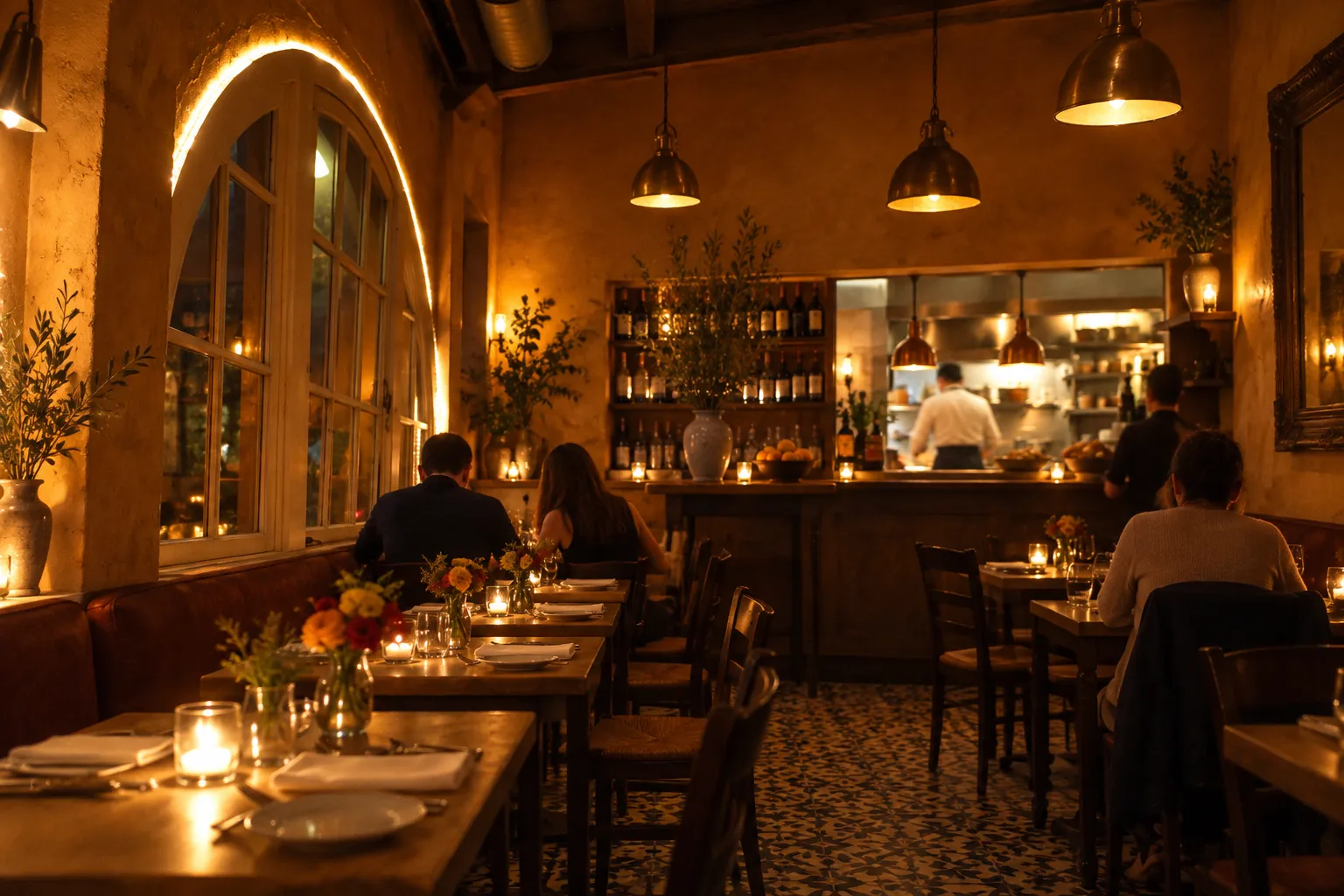
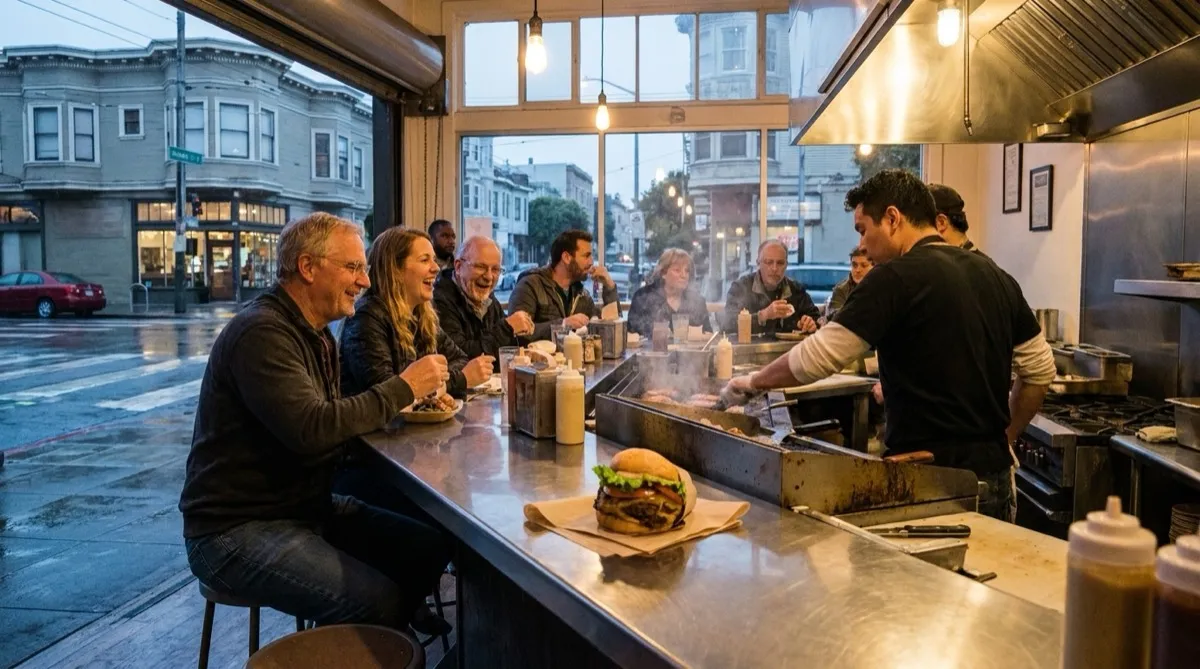
The first decision is format. A griddle counter—think a small storefront with a flat-top grill visible from your stool—operates differently from a sit-down restaurant with a full menu. At a counter, you're typically ordering one thing done one way, fast. The cook is three feet in front of you, the menu might be five items, and the entire transaction takes fifteen minutes. A restaurant like Nopa, which publishes daily menus that include a burger alongside other composed plates, offers table service, wine, sides that aren't fries, and the expectation that you'll stay awhile. Neither is better; they serve different needs. If you want to watch your burger get smashed, grab it in a wrapper, and leave, the counter wins. If you're meeting friends for a two-hour dinner and the burger is one option among many, the restaurant makes sense. Know which experience you're after before you choose.
Solo, Date, or Group: Seating and Social Fit
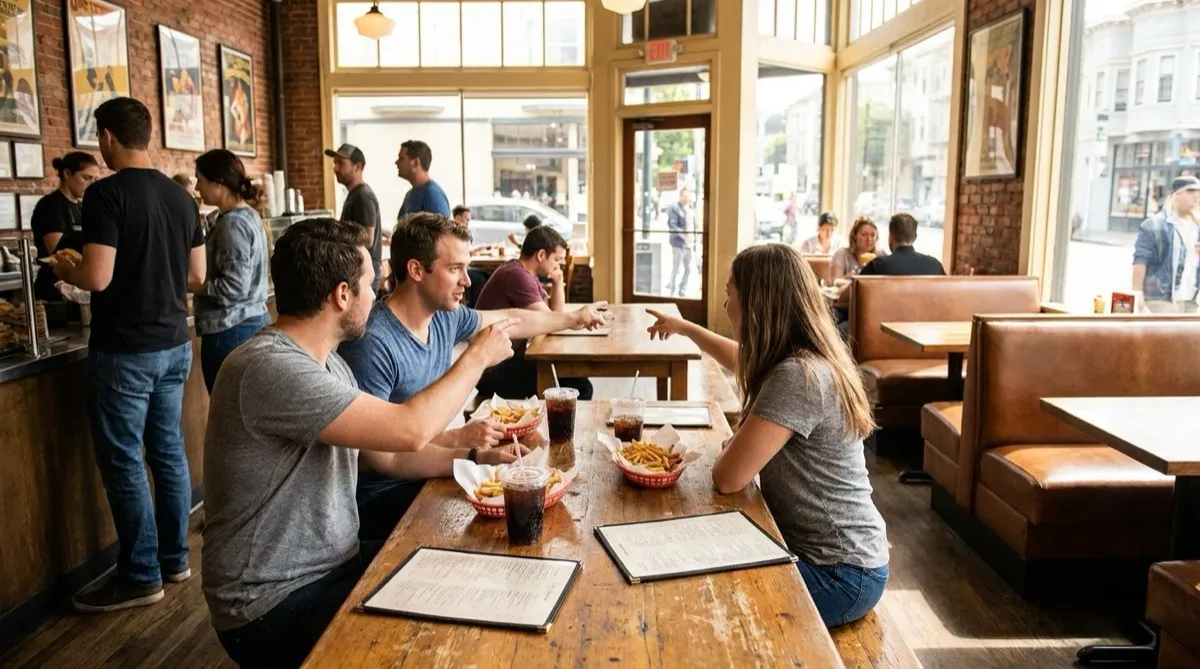
Counters are ideal for solo diners and pairs who don't mind sitting elbow-to-elbow. You're perched on a stool, often with a view of the griddle, and conversation happens in short bursts between bites. It's intimate in a functional way—great for a quick date or a lunch alone with a book. Groups of four or more struggle at most counters; there's rarely space to sit together, and the format doesn't support long conversations. For groups, a restaurant with tables and a broader menu gives everyone room to settle in and order at their own pace. If you're planning a birthday dinner, skip the counter. If it's just you and one friend grabbing a fast, excellent burger, the counter is exactly right.
Transit Access and Timing: The Sell-Out Risk
Independent counters in San Francisco often operate with limited daily supply. They buy a set amount of beef, buns, and toppings each morning, and when it's gone, they close—sometimes hours before the posted time. This is especially true for spots that grind their own beef or source from a single butcher. If you're relying on Muni or BART and arriving at 7:30 p.m., call ahead or check social media to confirm they're still serving. Some counters post real-time updates when they're down to the last dozen burgers. Transit access matters here because a sold-out spot means you're walking or riding to your backup plan. Choose a counter near a corridor with multiple options—Valencia, Divisadero, Clement—so you're not stranded. And if you're driving, check if there's parking or if you'll circle for fifteen minutes, cutting into your narrow service window.
Cooking Style: Smash, Grind, and Thickness Preferences
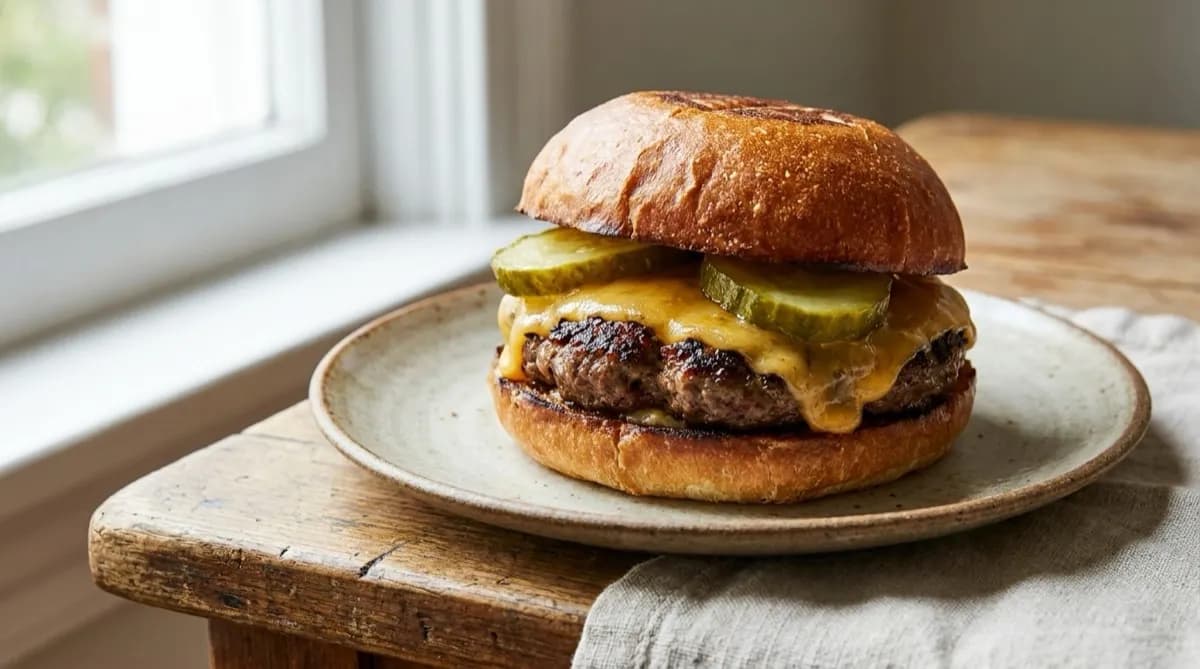
Not all independent burgers are the same shape. Smash burgers—thin patties pressed hard onto a screaming-hot griddle—deliver maximum crust and a fast cook. They're usually served double-stacked, with edges that get crispy and lacy. If you want that texture and don't mind a thinner profile, ask if the counter smashes. Other spots grind coarser beef and form thicker patties that stay pink in the middle and have a looser, more tender bite. Some counters let you specify doneness; others cook everything the same way. If you have a strong preference—crispy edges vs. juicy center, thin vs. thick, medium-rare vs. well-done—ask before you order. A good counter will tell you exactly how they cook and won't pretend to customize if they can't.
Dietary Flexibility and Ingredient Transparency
Chain guarantees often include allergen information and ingredient sourcing details published online. Independent counters may not have that documentation, but many will answer questions directly if you ask. If you're vegetarian, vegan, gluten-free, or managing allergies, call ahead. Some counters offer an Impossible or house-made veggie patty; others don't. Some use a dedicated flat-top section for non-beef items; others cook everything on the same surface. Buns may come from a single bakery with no gluten-free alternative, or the counter might let you order your burger in lettuce. The transparency comes from conversation, not a printed chart. If you need certainty, a restaurant with a published menu and an ingredient list is safer. If you're comfortable asking and the counter is slow enough for the cook to answer, you'll get honest information.
Backup Plans and Neighborhood Density
Because independent counters can sell out, close unexpectedly, or have a forty-minute wait on a sunny Saturday, always have a backup. Choose a neighborhood with density: the Mission between 16th and 24th, the Richmond along Clement, the Haight near the park. That way, if your first choice is closed, you're a five-minute walk from two other solid options. Check hours before you leave—some counters are only open Thursday through Sunday, or they take Monday and Tuesday off. If you're visiting from out of town or it's a special occasion, call the day of to confirm. A backup plan isn't pessimism; it's respect for the reality of small operations that don't have the supply chain or staffing to guarantee service every single hour they're theoretically open.
What You Gain by Skipping the Guarantee
Corporate guarantees offer predictability: the same burger in the same wrapper with the same fries, every time. Independent counters offer variability: the cook might be the owner, the beef might come from a ranch you can visit, the buns might still be warm from the bakery down the block, and the burger you get today might taste slightly different from the one you got last week because the grind or the griddle temperature changed. You gain a relationship with a place, the ability to ask questions and get real answers, and the knowledge that your money is staying local. You lose the certainty that the burger will always be available, always taste identical, and always meet a printed standard. For many San Francisco diners, that trade is worth it. For others, especially on a tight schedule or with kids in tow, the guarantee is the smarter choice. Neither is wrong; they're just different tools for different needs.
Tags: San Francisco restaurants, independent burger counters, SF burger guide, griddle burgers, smash burgers, local dining, burger decision guide, counter service, neighborhood restaurants, San Francisco food scene
Sources consulted: news.bk.com · beepsburgers.com · nopasf.com
All trademarks are the property of their respective owners.
Ask Karpo first
Tell Karpo your San Francisco neighborhood, group size, budget, preferred burger style, seating needs, and planned meal time. We’ll match you with the right independent counter or sit-down option, plus a practical backup before you head out.