The Brooklyn Museum rewards the visitor who arrives without an exhibition checklist. Not every museum trip needs to be a forced march past blockbuster galleries. Some afternoons ask only for a bench with good light, a book you've been meaning to finish, and the permission to let a building hold you for three unstructured hours. The museum's geography makes this possible—grand enough to feel like departure, neighborhood-embedded enough to fold into an ordinary Wednesday. This is slow museum-going as urban transit: the building itself becomes the destination, Crown Heights the terrain you're crossing.
The benches that catch Western light
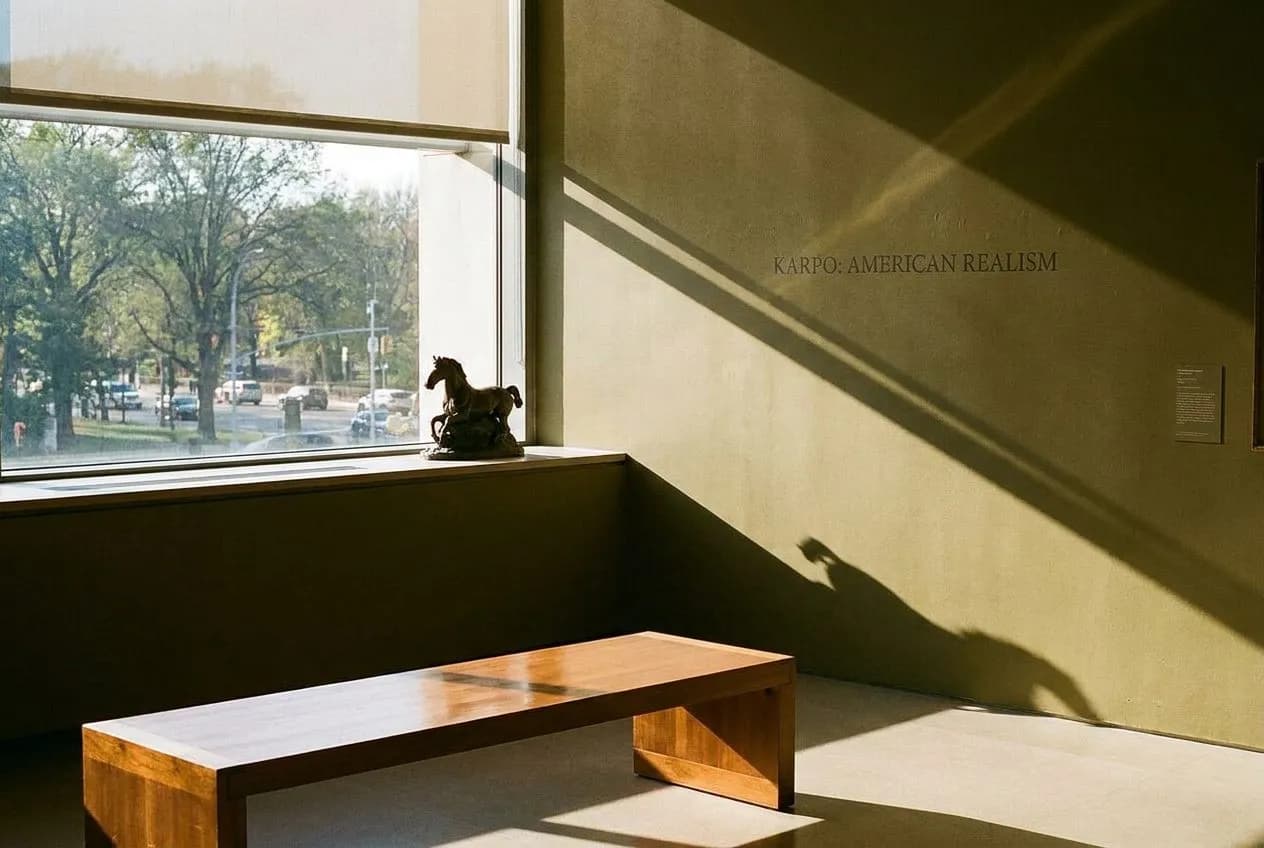
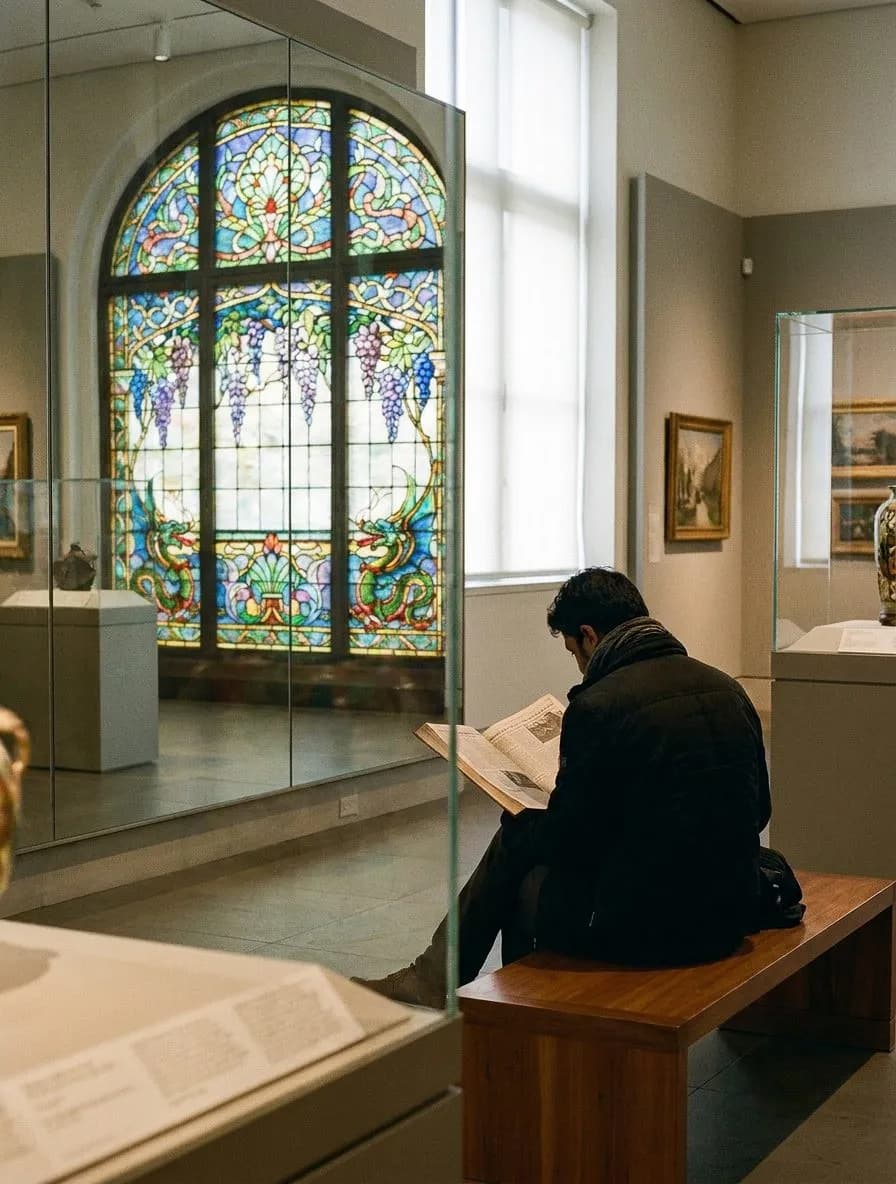
The American Art wing benches facing Eastern Parkway receive direct western light between 2:30pm and 4:00pm on clear days, optimal for reading or sketching. Position matters. The leather-upholstered bench closest to the north window offers the longest unbroken stretch of that golden late-afternoon glow, while the parkway traffic below provides white noise just muffled enough to disappear. Bring a paperback, a sketchpad, something that benefits from natural light and the company of Winslow Homer at your back.
The light quality shifts week to week depending on season and tree canopy. Late winter and early spring, before the sycamores fully leaf, offer the clearest transmission. By late 2026 the museum has become practiced at this kind of slow hospitality—gallery guards recognize repeaters, the people who come not for openings but for the 3pm slant of sun across a particular parquet floor. You are not lingering inappropriately; you are using the museum exactly as designed.
Pay-what-you-wish means what it says
Suggested admission is pay-what-you-wish during open hours, making this one of the more generous free things to do in a city that increasingly prices out unstructured time. The donation desk operates without theater—no apologetic explanations required, no side-eye from staff. You name your amount, receive your admission button, and proceed. The policy extends across all hours, a quiet civic amenity that makes spontaneous visits possible when the afternoon suddenly opens up.
The busiest donation desk traffic occurs weekend mornings before 11am, when families and out-of-borough visitors cluster near the Great Hall. Weekday afternoons move differently. Arrive at two and you'll sail past the desk with barely a pause, the kind of frictionless entry that makes a museum feel less like destination and more like infrastructure. The contrast matters: this is accessibility without the scarcity-model urgency that plagues so many urban cultural amenities.
The sculpture court in its emptiest hours
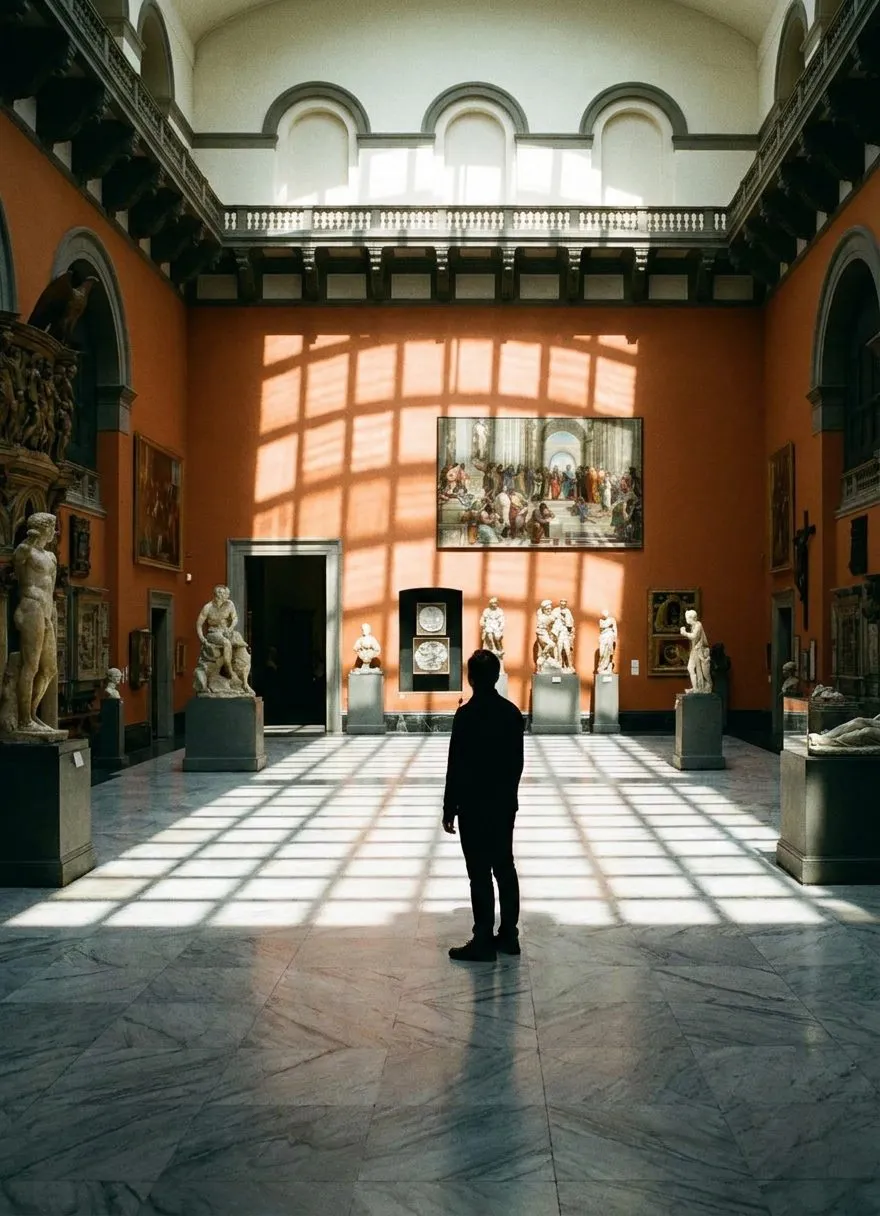
The first-floor sculpture court remains nearly empty on weekday afternoons between 2pm and 4pm, before school group departures and the evening pay-what-you-wish rush. This is the museum's best-kept spatial secret—a two-story atrium with skylights, Beaux-Arts fragments, and enough breathing room to make solitude feel earned rather than accidental. The acoustic quality shifts depending on occupancy. Empty, the space carries a library hush. With eight people it becomes gently social, footsteps and murmured conversations layering without crowding.
The sculpture court functions as palate cleanser between wings or as destination in itself. A half-hour on the central bench beneath the skylight resets attention in a way the packed Egyptian galleries cannot. The stone and plaster works—Classical reproductions, decorative architectural elements, a few contemporary bronzes—ask less of you than painting. You can let your gaze drift. The space permits boredom in the best sense: the fertile kind that precedes noticing.
Crown Heights as threshold
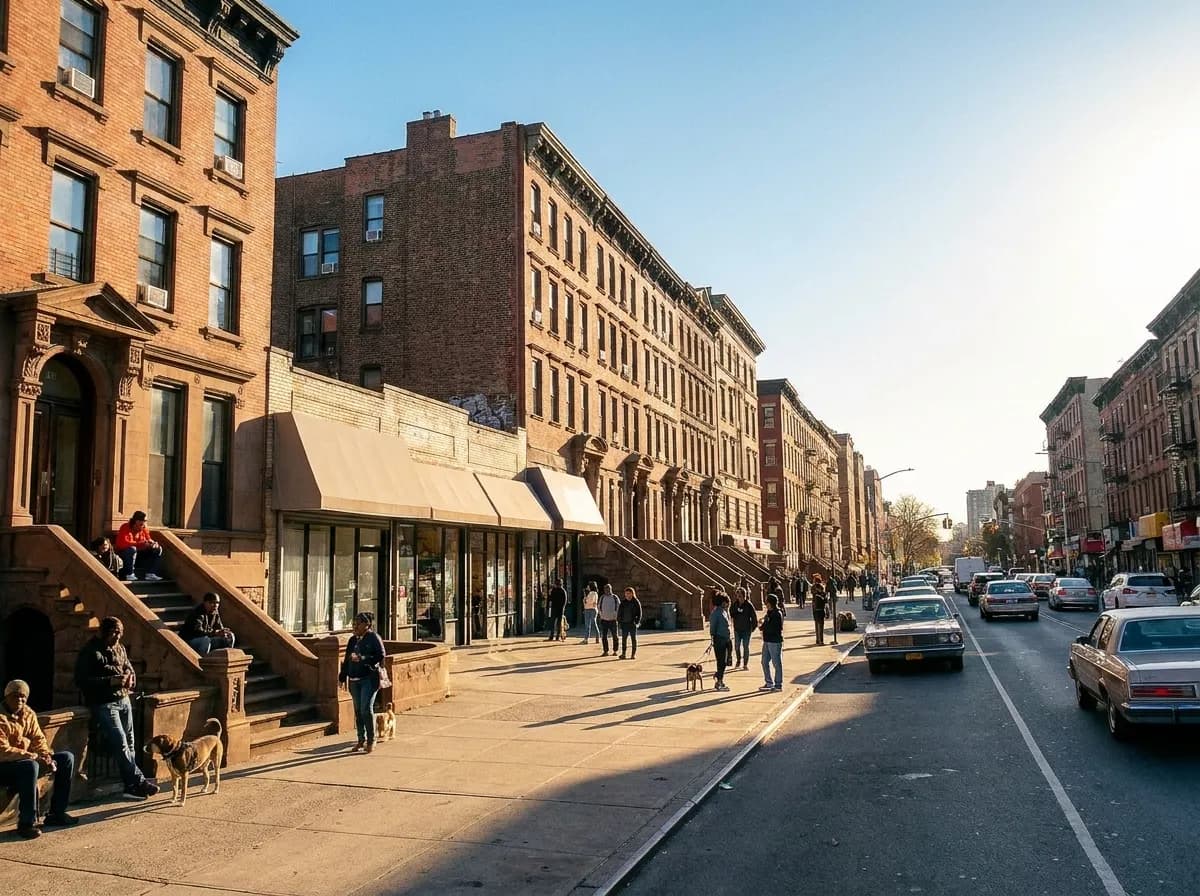
The museum sits on Eastern Parkway like a hinge between neighborhoods, its Beaux-Arts bulk softened by the wide green median and the stately apartment blocks across the street. Walking here from Prospect Heights or further into Crown Heights makes the visit feel earned, a journey rather than a subway-to-door dash. The parkway itself—designed by Olmsted and Vaux as part of their Brooklyn park system—functions as promenade, its plane trees and wide sidewalks encouraging the kind of pace that primes you for slow museum time.
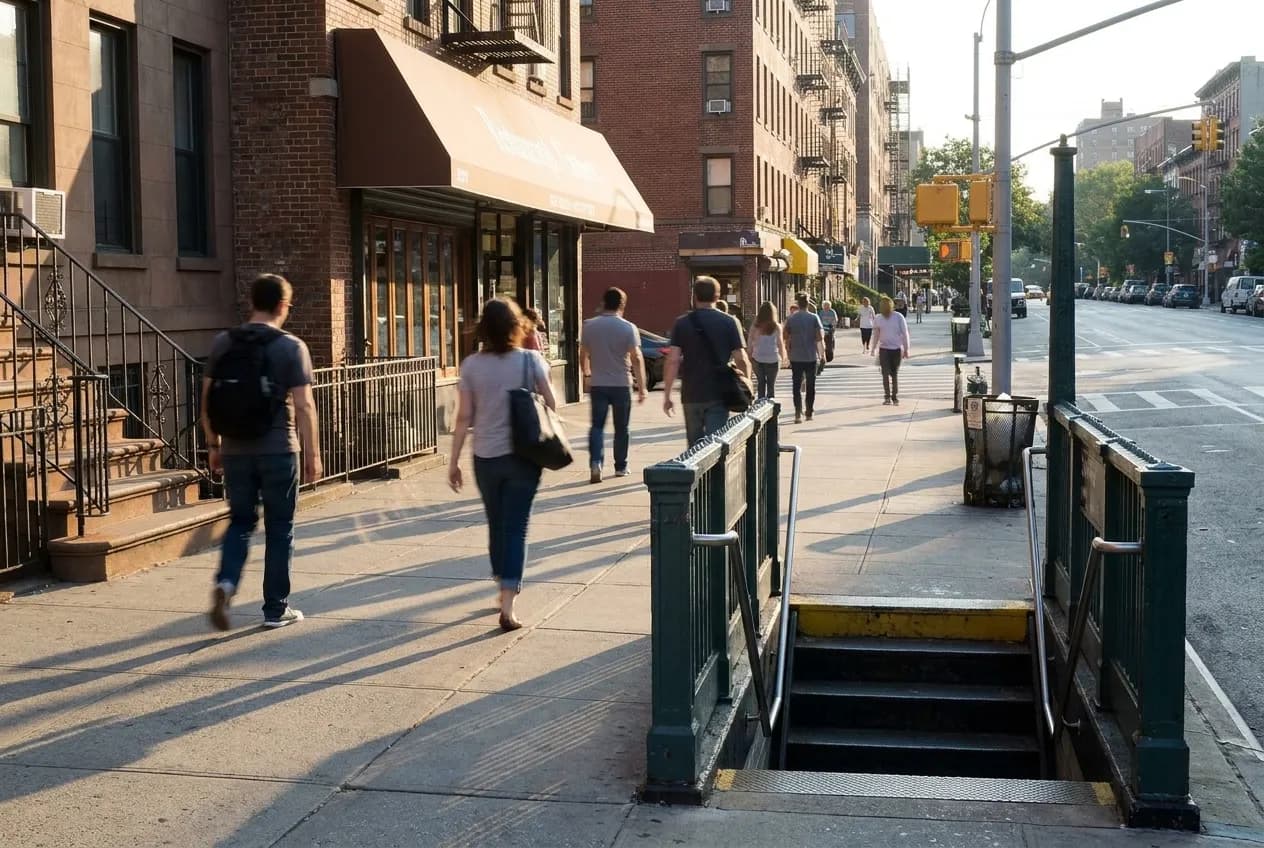
This approach matters more than it should. Arriving by the 2 or 3 train to Eastern Parkway–Brooklyn Museum drops you directly at the entrance, efficient but abrupt. The walk from Franklin Avenue or Nostrand introduces transition, lets the city modulate. By the time you climb the front steps, you've already downshifted. The museum becomes continuation rather than interruption, another room in a longer urban traverse.
What you're actually doing here
Call it reading in public, call it productive loitering—the museum makes space for the visitor who treats galleries as studios for thinking rather than viewing. The implicit contract: you're welcome to stay as long as you're genuinely present, not performing presence. That looks like an hour with a notebook in the American Art wing, or two slow circuits of the sculpture court with genuine attention to how light pools on marble at different angles. The museum can sense the difference between lingering and inhabiting.
This style of visit resists Instagram logic. You will take fewer photos. You may not see the special exhibition everyone is talking about. What you gain is the pleasure of unhurried observation and the rare luxury of letting an afternoon unspool without itinerary. The museum, for all its grand institutional presence, permits smallness—a few benches, a quiet court, the specific quality of winter light through tall windows.
The long way home
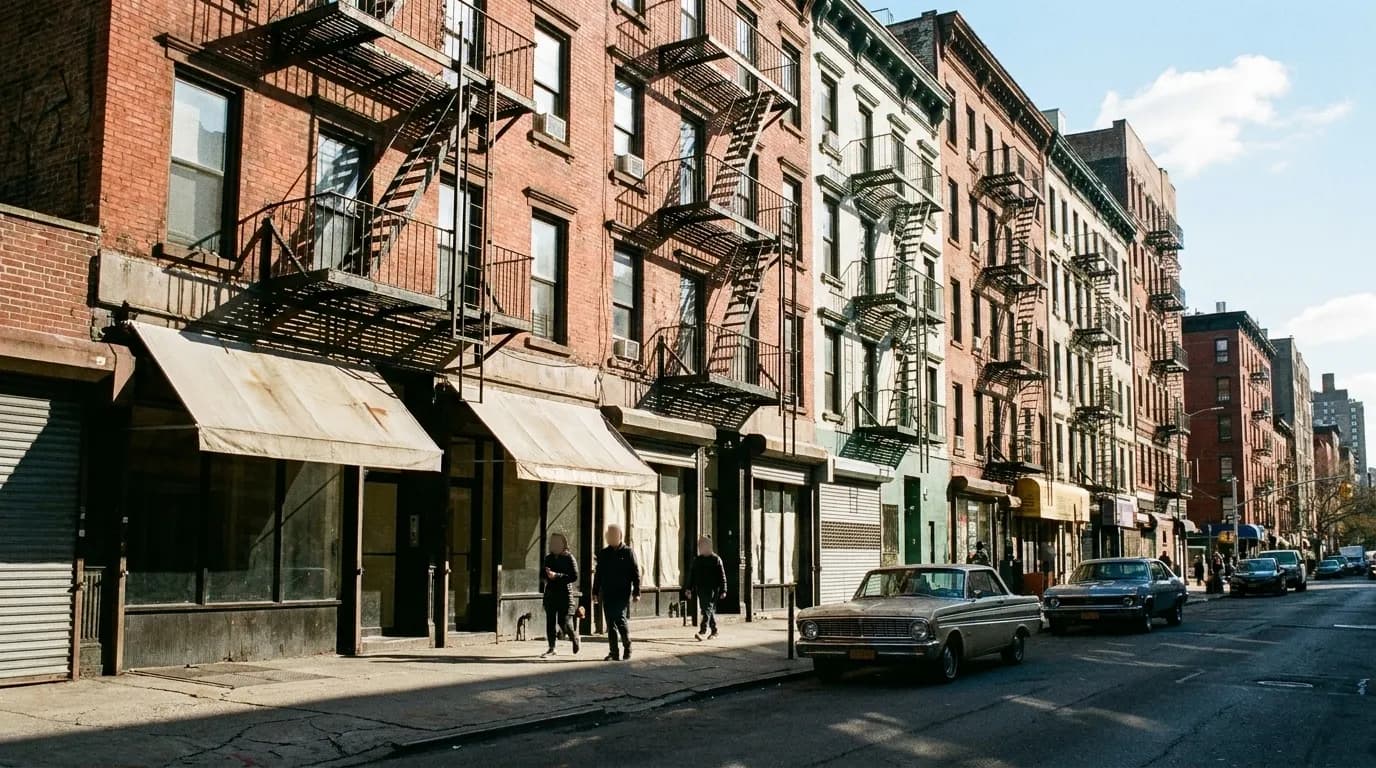
The best exit is the one that extends the experience rather than severing it. Leave via the Eastern Parkway entrance as the western light starts to fade, and let the walk to your next stop be part of the museum visit itself. Crown Heights offers enough cafes and bookstores to make the transition gentle—no need to name specific addresses when the neighborhood itself is recommendation enough. Or walk the parkway median west toward Prospect Park, letting the museum recede gradually rather than vanishing in a subway swallow.
This is the long way home, the version that values transit as much as destination. The Brooklyn Museum, approached this way, becomes a waystation in the best sense: not a place to check off but a room to pass through slowly, with intention, letting the city reveal itself in the spaces between arrival and departure.
Practical notes
Brooklyn Museum, 200 Eastern Parkway at Washington Avenue. Nearest subway: 2, 3 to Eastern Parkway–Brooklyn Museum. Limited street parking; public lot on-site. Open Wednesday through Sunday; verify current hours directly as schedules shift seasonally. Pay-what-you-wish admission during open hours. Fully accessible main entrance with elevator access to all floors. Bring a book, sketchpad, or just yourself. Coat check available during peak season. The museum café covers basics but Crown Heights dining is steps away for before or after.
Tags: #BrooklynMuseum #CrownHeights #TheLongWayHome #NYCMuseums #SlowTravel #EasternParkway #MuseumBenches #AfternoonLight #WinterNYC #NYC2026 #QuietPlaces #UrbanRituals #ReadingInPublic #SculptureCourt #BrooklynCulture
Sources consulted: Brooklyn Museum (Wikipedia) · Eastern Parkway (Wikipedia) · Brooklyn Museum official site · Prospect Park (NYC Parks) · MTA subway access · NY Times Arts & Design
All trademarks are the property of their respective owners.