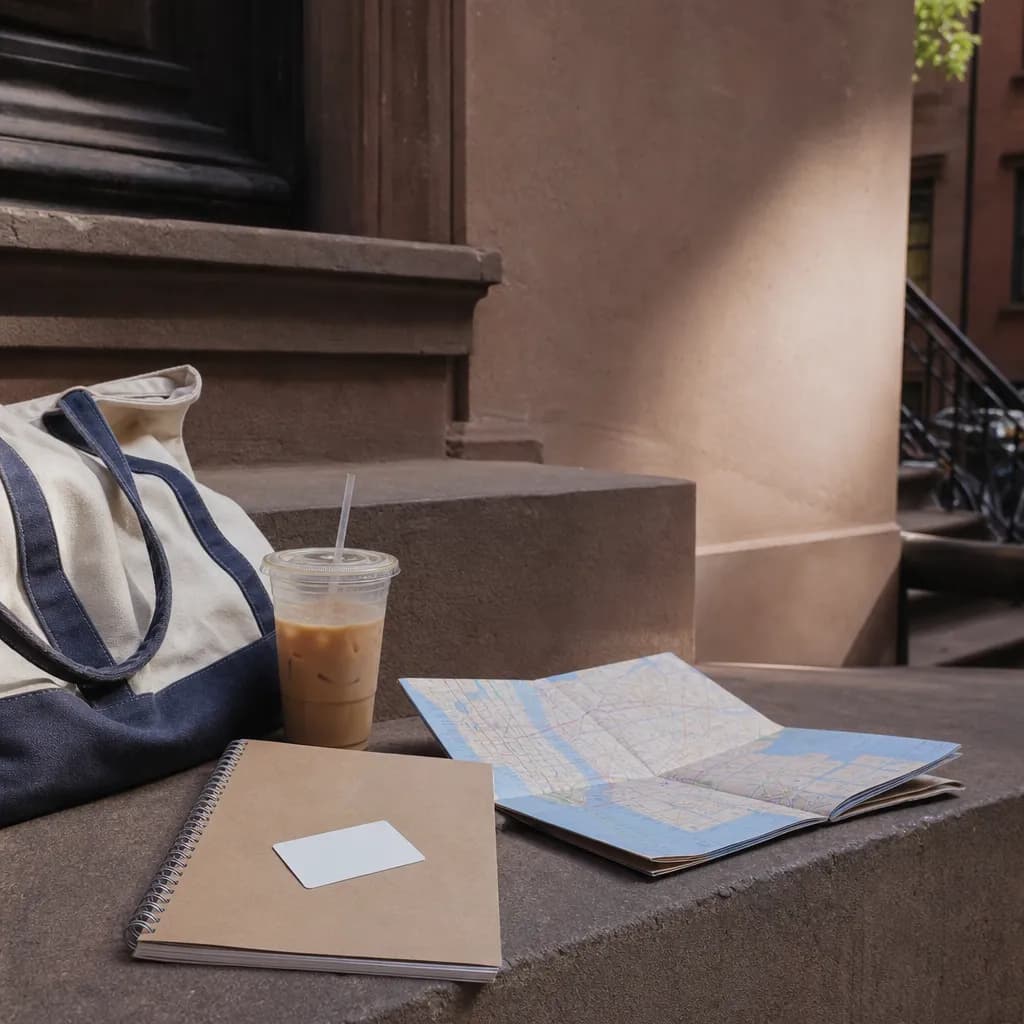
A campus route for people who think by walking
Some students understand a campus by sitting still. Others need to walk until the map makes sense. Brooklyn is good for the second type. A Back to School route from Pratt to NYU Tandon and then toward Brooklyn Heights is not the shortest student plan in New York, but it explains a useful contrast: studio campus, downtown engineering density, and the calm of the waterfront edge.
This is not a formal admissions tour. It is a way to read the borough through student life. Pratt gives the route a creative beginning in Clinton Hill. NYU Tandon pulls it into Downtown Brooklyn's heavier infrastructure. Brooklyn Heights gives the day a finish that feels removed from both, even though it is close enough to become a repeatable reset.
Start with Pratt's studio tempo
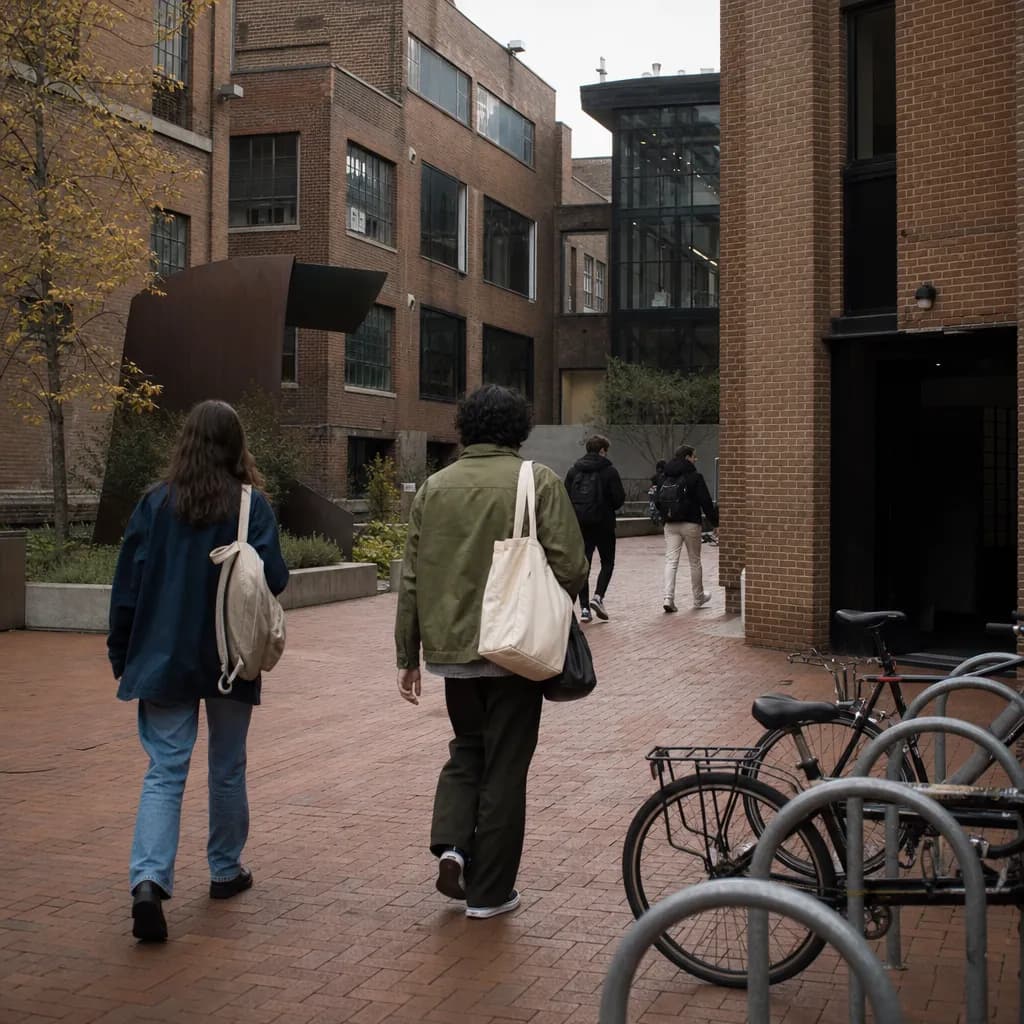
Pratt Institute's official presence centers the school in Brooklyn and its creative disciplines, and the campus mood reflects that. Clinton Hill has a slower, more residential feel than Downtown Brooklyn. The route should begin there because it lets the day start with texture: brick, trees, studio bags, bikes, and the quieter confidence of an art-school neighborhood.
For a new student, Pratt's value is not only what happens inside classrooms. It is the way the surrounding blocks let you decompress without leaving the creative atmosphere completely. The campus reads as a place where people carry materials, not just laptops. That changes the pace of the walk.
Move into NYU Tandon's Downtown Brooklyn density
NYU Tandon sits in Downtown Brooklyn, a very different student environment. The official engineering school site places it within NYU's Brooklyn presence, and the neighborhood gives the day a faster, more infrastructural rhythm: transit hubs, offices, courts, towers, lunch traffic, and students threading through all of it.
The contrast with Pratt is the point. Tandon feels less like a campus bubble and more like a city node. For some students, that is energizing. You can connect class to internships, subway lines, food, and a larger NYU network. For others, it may feel like the city is always interrupting the school day. The route makes that tradeoff visible.
End above the harbor
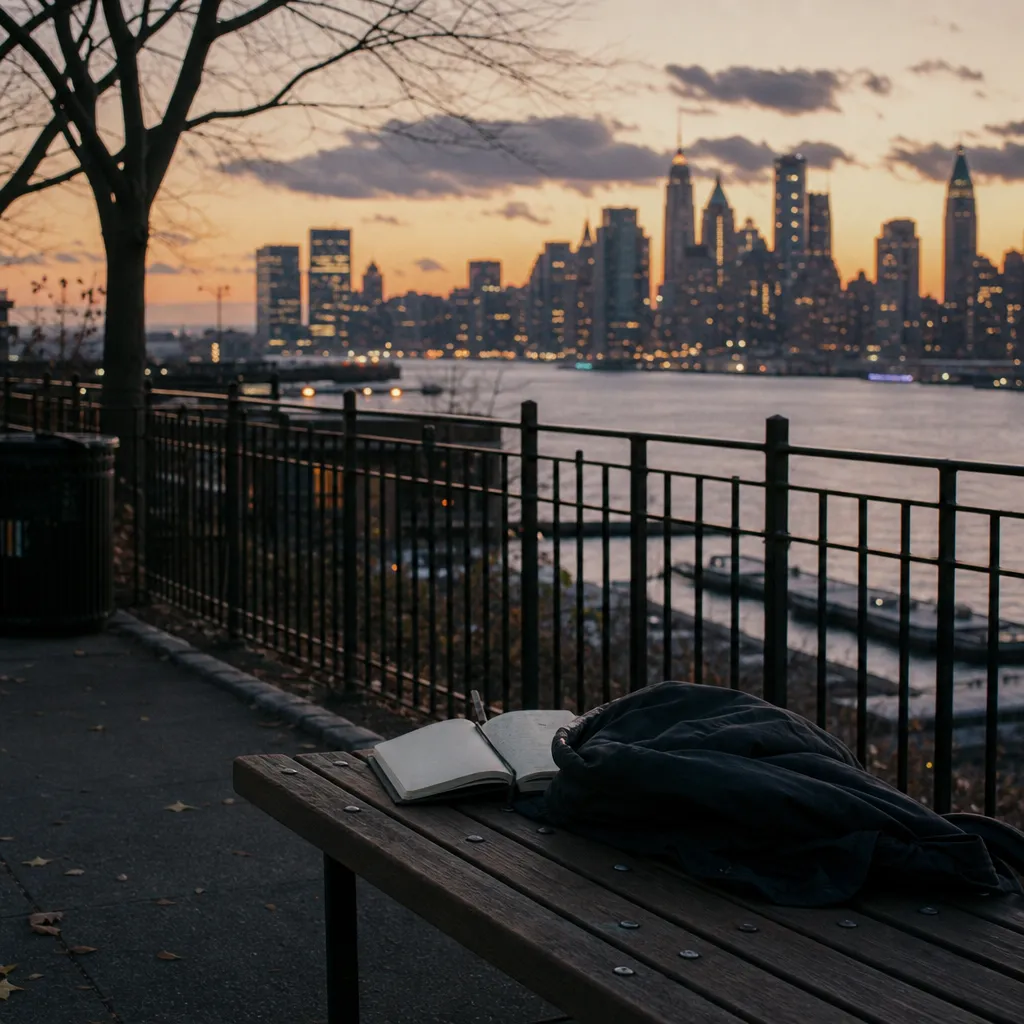
Brooklyn Heights Promenade is maintained by NYC Parks and offers one of the city's clearest skyline views. Ending there gives the route a third mood. After Pratt's studio texture and Tandon's downtown density, the promenade turns Back to School into a wider frame: water, skyline, benches, and enough distance to let the day settle.
This stop is not campus in the official sense, but it functions like student infrastructure. It is where you can finish a walk, take the long view, and decide whether the borough's rhythm works for you. For a first-week student, that matters. Sometimes the best campus-adjacent space is the one that reminds you the school is only part of the city.
Karpo's verdict
Pratt is the best start for tactile, creative energy. Tandon is the strongest middle for ambition and access. Brooklyn Heights is the best ending because it gives the whole route air. Together, they make a better comparison than any single campus snapshot.
Do the route when you have time to be inefficient. The long way teaches more than the direct train. It shows you which version of Brooklyn you want near your semester.
Why this route belongs to the first month
The route works best early in the semester because students are still deciding which version of the city they want to repeat. Pratt, Tandon, and Brooklyn Heights each answer a different question. Do you want a campus that feels tactile and creative? Do you want a campus plugged into dense urban infrastructure? Do you want a nearby place where the day can exhale?
A first-month walk also reveals distance honestly. On a map, Brooklyn can look compact. On foot, it becomes a set of textures: brownstone blocks, busy intersections, institutional buildings, subway stairs, waterfront air. That texture matters because a campus is never only the classroom. It is the path you take when you are late, hungry, tired, excited, or avoiding your inbox.
If the route feels too long, that is useful information. Some students need their campus life concentrated. Others need a sequence of neighborhoods to feel awake. The long way home is not the efficient answer. It is the diagnostic one.
Let the route change your campus preference
The useful part of this walk is not deciding which school is objectively better. It is noticing which transition gives you energy. Some students light up when Clinton Hill turns into Downtown Brooklyn. Others feel relief only when the route reaches the promenade. That reaction is data. Back to School is a good time to collect it before routine makes every path feel inevitable.
If you only have one afternoon, do not over-schedule the route. Let one coffee stop, one bench, and one wrong turn stay in the plan. Brooklyn makes more sense when you leave enough margin to notice the block you were not aiming for.
Practical notes
Check MTA maps before choosing the exact route between Clinton Hill, Downtown Brooklyn, and Brooklyn Heights. Wear walking shoes, keep the plan to daylight for a first visit, and avoid treating private campus interiors as public attractions. Use official school pages for campus addresses and current access rules. The route works best as a half-day orientation: one creative stop, one downtown stop, one waterfront reset. Bring water and leave room for one unplanned food break.
Tags: #TheLongWayHome #BackToSchool #PrattInstitute #NYUTandon #BrooklynHeights #DowntownBrooklyn #ClintonHill #NYCStudents #CampusRoute #BrooklynWalks #CollegeLife #MTA #StudentLifeNYC #KarpoFinds
Sources consulted: Pratt Institute · NYU Tandon School of Engineering · Brooklyn Heights Promenade · MTA Maps · Downtown Brooklyn Partnership
All trademarks are the property of their respective owners.


