The Back Room Fills Before Kickoff
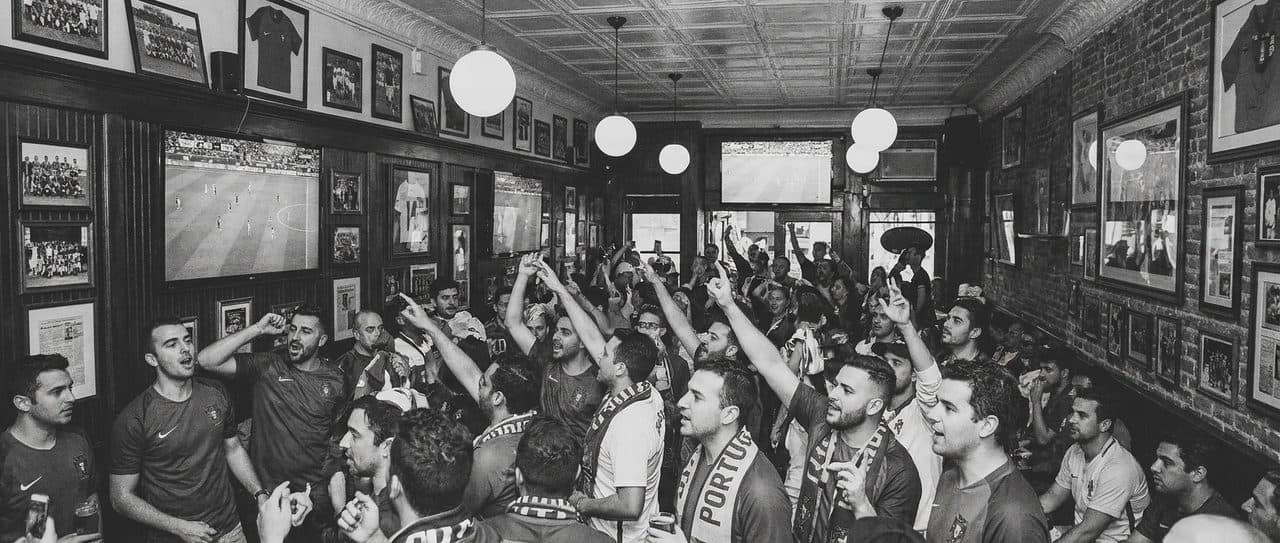
Portuguese jerseys cluster around a worn wooden bar in Kingsbridge, where a decades-old Irish pub transforms into something else entirely when the World Cup arrives. The front room stays predictable—Guinness taps, faded shamrocks, regulars nursing pints in silence. The back room, though, fills with a different energy. Families speaking rapid Portuguese stake out tables hours before kickoff, spreading scarves and flags across chairs like territorial markers. The neighborhood's Irish-Portuguese split, a demographic quirk that traces back to the 1970s, creates a scene that doesn't exist anywhere else in the city.
Where Two Diasporas Collide
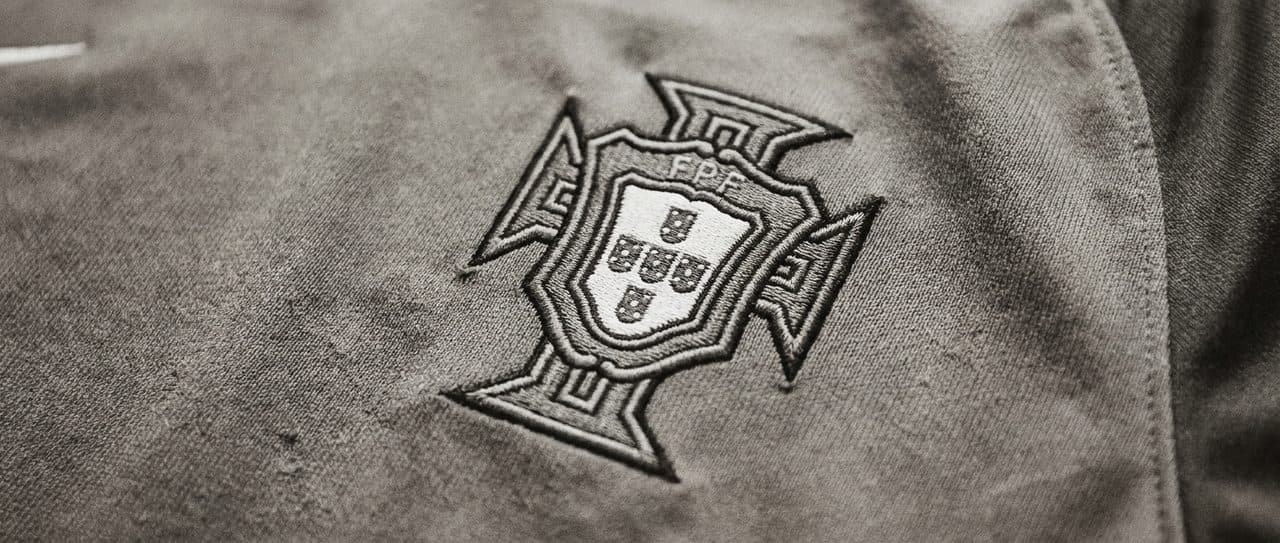
Kingsbridge sits in the northwest Bronx, a stretch of apartment blocks and corner shops where Irish names still dominate storefronts but Portuguese bakeries have multiplied quietly over four decades. The bar itself occupies a corner building that could pass for any neighborhood tavern until match days reveal its split personality. The owner keeps both flags behind the bar—Irish tricolor and Portuguese green-and-red—a diplomatic gesture that acknowledges the crowd's evolution. During World Cup years, the Portuguese contingent swells to outnumber everyone else, but the arrangement holds. Irish regulars claim their usual spots up front while the back room becomes Lisbon transplanted to the Bronx, complete with the smell of grilled sardines someone always brings in foil-wrapped parcels despite the kitchen serving only burgers and wings.
The Ritual Starts at the Bakery
Pre-match preparation begins blocks away at the Portuguese bakery where pastéis de nata disappear from trays by mid-morning on game days. Regulars arrive at the bar carrying white boxes tied with string, the pastries still warm, meant for sharing at communal tables. The bartender—third-generation Irish-American who's learned enough Portuguese to take drink orders without confusion—sets out extra napkins without being asked. Coffee flows as much as beer in the early hours, served in small cups that regulars refill from thermoses they've brought themselves. The setup feels more like a family gathering than a sports bar, with children underfoot and grandmothers claiming the best sight lines to the television screens mounted high in corners.
The Noise Reaches the Street
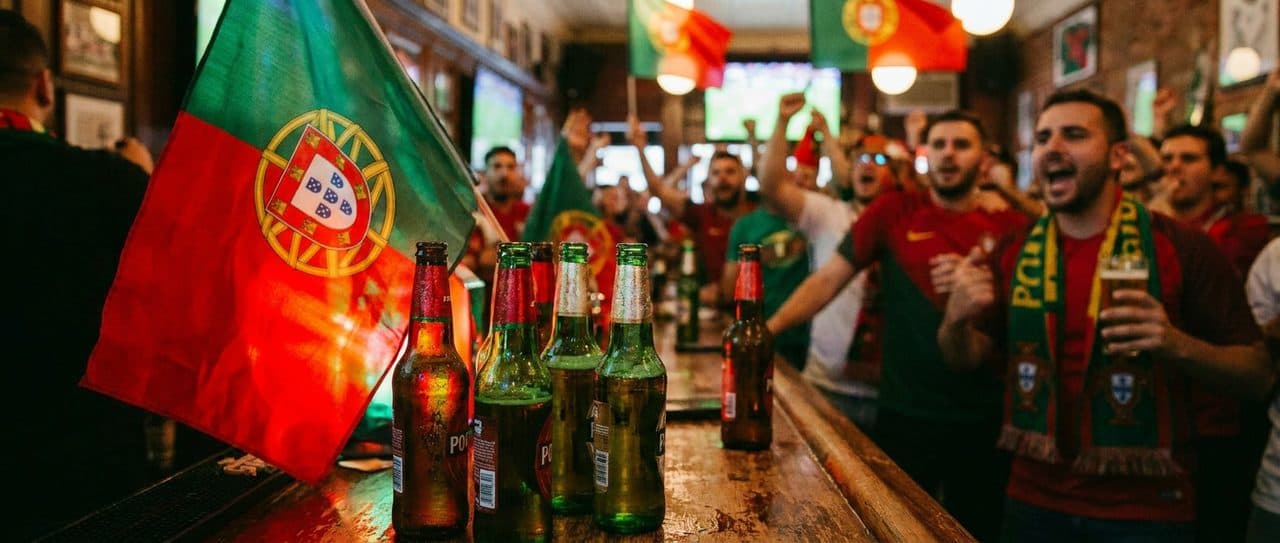
When Portugal scores, the sound carries through closed windows to the sidewalk outside. Not just cheering—a specific kind of roar that mixes relief and vindication, the collective exhale of people watching a team that represents something beyond sport. Strangers embrace. Someone's aunt clutches a rosary. The bartender pauses mid-pour because the room has erupted into song, verses in Portuguese that everyone seems to know by heart. The Irish regulars up front barely glance back, accustomed to the eruptions, though a few crane their necks during particularly dramatic moments. Between matches, the back room empties almost completely, returning to its usual function as overflow seating for Sunday lunch crowds who have no idea it transforms into a pocket of Porto every four years.
The Jerseys Tell Immigration Stories
The collection of jerseys spanning decades maps the neighborhood's demographic shift. Older men wear faded shirts from the 1990s, fabric thin from repeated washing, names of players who retired before younger fans were born. Teenagers sport the latest designs, bought online or carried back from summer trips to visit family still living in Portugal. A few vintage pieces appear—rarities that draw admiring comments and requests to photograph. One regular always wears the same 2006 jersey, the year his family arrived in New York, a talisman he refuses to replace despite offers to buy it. The mix of old and new fabric creates an accidental timeline, each shirt representing a different wave of arrival, a different reason for leaving, a different relationship to the country on the screen.
The Half-Time Economy
During the break, the bar's narrow hallway becomes an impromptu marketplace. Someone sells homemade chouriço from a cooler, cash-only transactions conducted in whispers. Another regular takes orders for custom scarves, pulling out a laminated photo album of previous designs. The bathroom line stretches to the front room, creating forced interaction between the two crowds—polite nods, the occasional weather comment, a mutual understanding that today the space belongs to the Portuguese contingent but next week returns to its usual rhythm. The kitchen struggles to keep pace with orders, the fryer working overtime, the smell of hot oil mixing with cologne and nervous sweat as the second half approaches.
When the Match Ends
Win or lose, the crowd lingers. Not the raucous post-victory celebration of downtown sports bars, but something quieter—the reluctance to break the spell, to return to being scattered across the Bronx instead of gathered in this unlikely sanctuary. Older women pack up leftover pastries. Men debate the referee's calls with the intensity of people who've been having the same argument for thirty years. Children sleep across chairs pushed together, exhausted from hours of collective tension. The bartender begins the slow work of clearing tables, moving around conversations that show no signs of ending. By the time the front room regulars start arriving for their evening session, the back room has mostly emptied, the Portuguese flags folded away, the space reset to its default identity. Only the lingering smell of sardines and the scuff marks from pushed-together tables suggest anything unusual happened at all.
Practical Notes
The bar opens late morning on match days, earlier than its usual schedule. Arriving at least an hour before kickoff guarantees a seat in the back room, though regulars often claim tables even earlier. The nearest subway station requires a short walk through residential blocks. No reservations, no cover charge, just the expectation of ordering drinks and respecting the crowd's investment in the outcome. Cash works better than cards when the room gets packed and the bartender is moving fast. The Portuguese bakery sits a few blocks south—easy to spot by the line forming before opening on game days.
Tags: #KingsbridgeBronx #PortugueseNewYork #WorldCupCulture #IrishPortugueseCommunity #BronxBars #DiasporaSports #ImmigrantNeighborhoods #NYCHiddenGems #FootballCulture #NorthwestBronx #PortugueseDiaspora #NYCSportsBar #NeighborhoodCulture #BronxLife #AuthenticNYC
Sources consulted: timeout.com · secretnyc.co · thrillist.com
Please drink responsibly. Must be of legal drinking age.
All trademarks are the property of their respective owners.
Ask Karpo first
Want to know which room to sit in and when the kitchen switches from Irish to Portuguese food?
Ask Karpo for the back-room claiming story and the dual-menu ordering strategy before you head out.