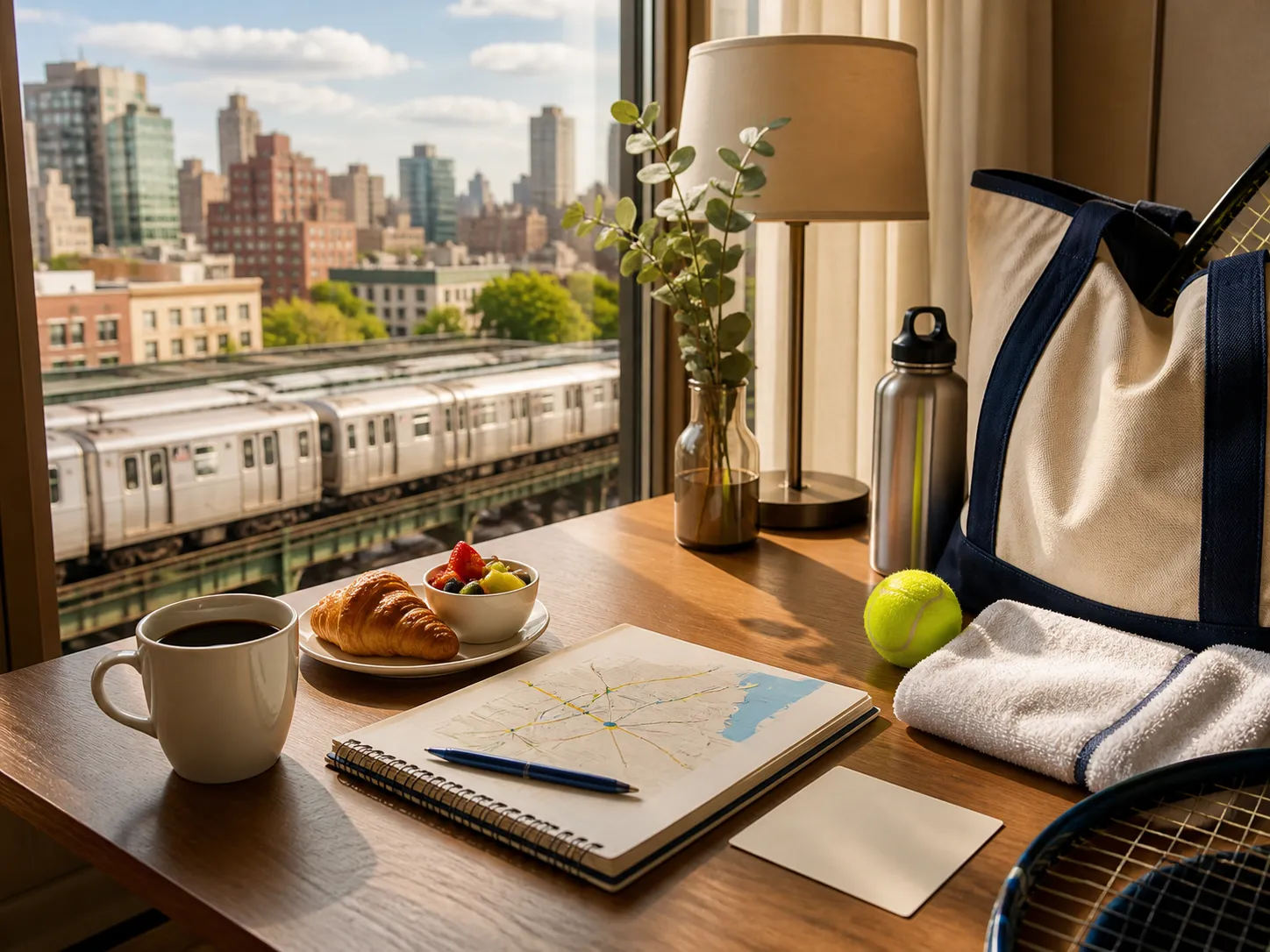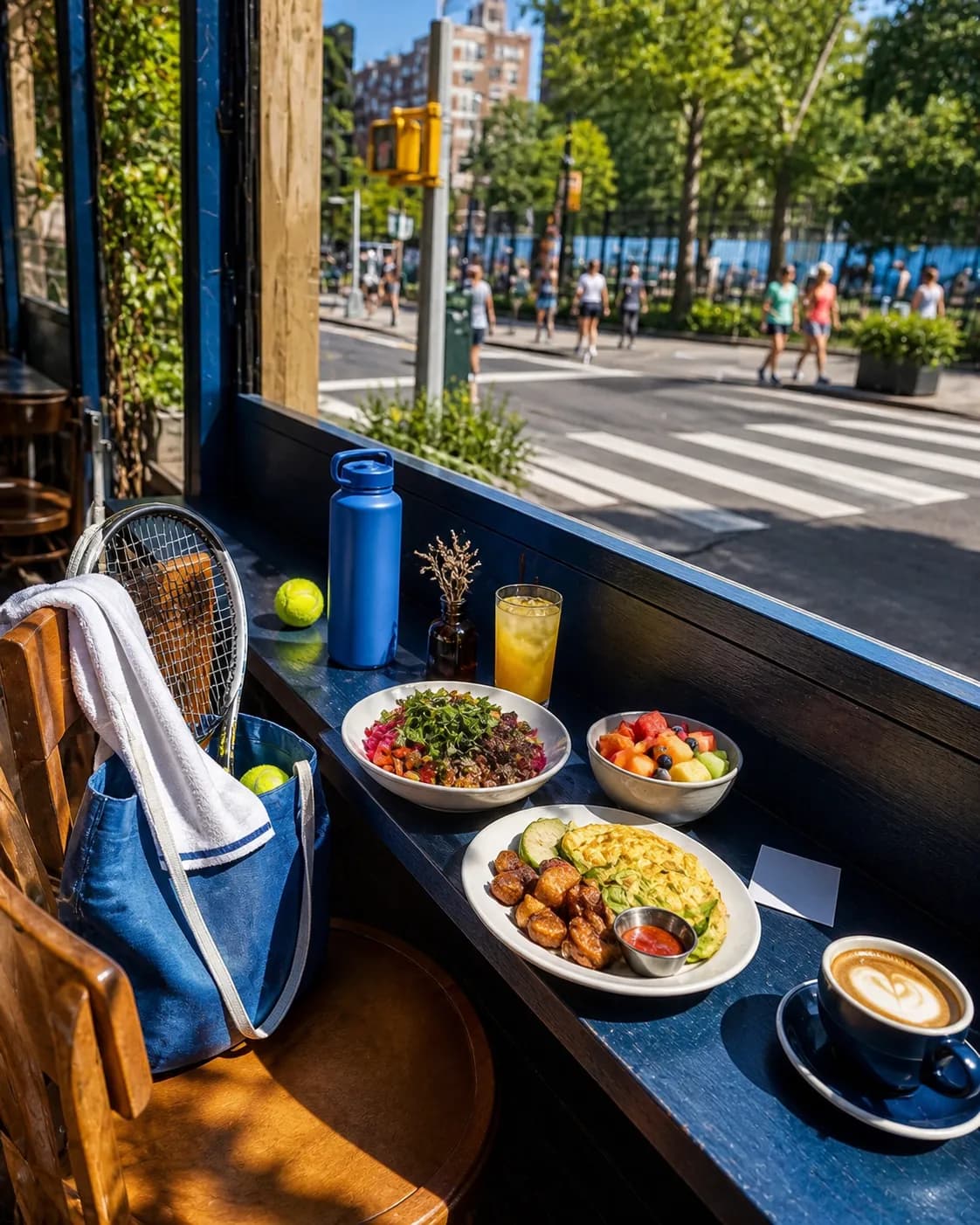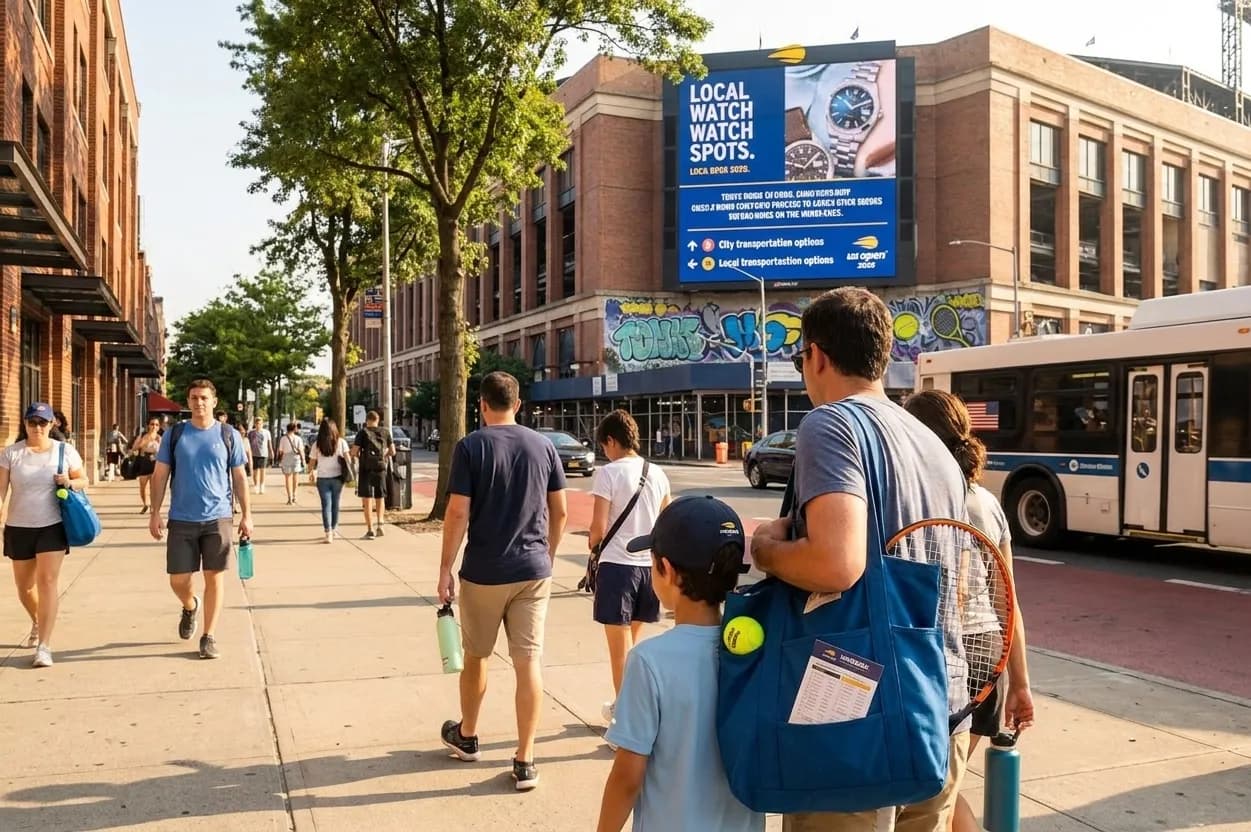
Bronny James became a household name not just for his basketball talent, but for navigating intense public scrutiny, family legacy, and the pressure of performing under a spotlight that never dims. For families planning to bring young tennis fans to the 2026 US Open in Queens, those same themes—pressure, expectations, crowd energy, and finding your own rhythm in a high-stakes environment—offer a surprisingly useful lens. The US Open junior championships and early-round matches create a unique atmosphere where tomorrow's stars play in front of passionate, sometimes overwhelming crowds, and where first-time visitors can feel just as disoriented by the scale of the Billie Jean King National Tennis Center as a teenager might feel stepping onto Arthur Ashe Stadium court. This guide uses that crossover energy to help you plan smarter days around Flushing Meadows, whether you're watching a junior match, supporting a young player, or simply trying to move through Queens with less stress and more intention.
Text Karpo with your US Open session time and Queens starting point, and we’ll turn this sports-fan crossover energy, watch spots, and movement lessons around Queens tennis into a practical local plan.
Why the Bronny James Lens Matters for US Open Planning
Bronny James's journey highlighted how public expectations, media attention, and the weight of comparison can shape an athlete's experience. At the US Open, junior players face similar dynamics—competing in front of scouts, college coaches, family members who've traveled across continents, and fans who project their own tennis dreams onto teenagers. For visitors, especially those bringing young athletes or aspiring players, understanding that pressure helps you plan more thoughtfully: choosing quieter practice-court sessions over packed stadium matches when your child needs focus, building in downtime between sessions, and recognizing when the energy of the crowd enhances the experience versus when it becomes overwhelming. The lesson isn't about avoiding intensity—it's about matching your day to your group's capacity and goals, just as any athlete learns to manage their own spotlight.
Mapping Your Queens Tennis Day Around Energy, Not Just Courts
The Billie Jean King National Tennis Center sprawls across 46.5 acres within Flushing Meadows Corona Park, and the official US Open visitor A-Z guide offers detailed maps and facility information. But maps don't capture energy flow. Early-morning practice sessions and junior matches on outer courts offer intimate, low-pressure viewing where you can hear ball contact and player communication. By midday, the grounds fill with crowds moving between Arthur Ashe Stadium, Louis Armstrong Stadium, and the Grandstand, and the food plazas become bottlenecks. Late-afternoon sessions bring a different rhythm—families with young kids start to leave, adult fans settle in with drinks, and the temperature and light shift. If your goal is to let a young tennis fan absorb the atmosphere without sensory overload, plan your arrival for the first or last session of the day, and use the middle hours to explore the park, grab food in nearby Flushing or Corona, or rest at your hotel.
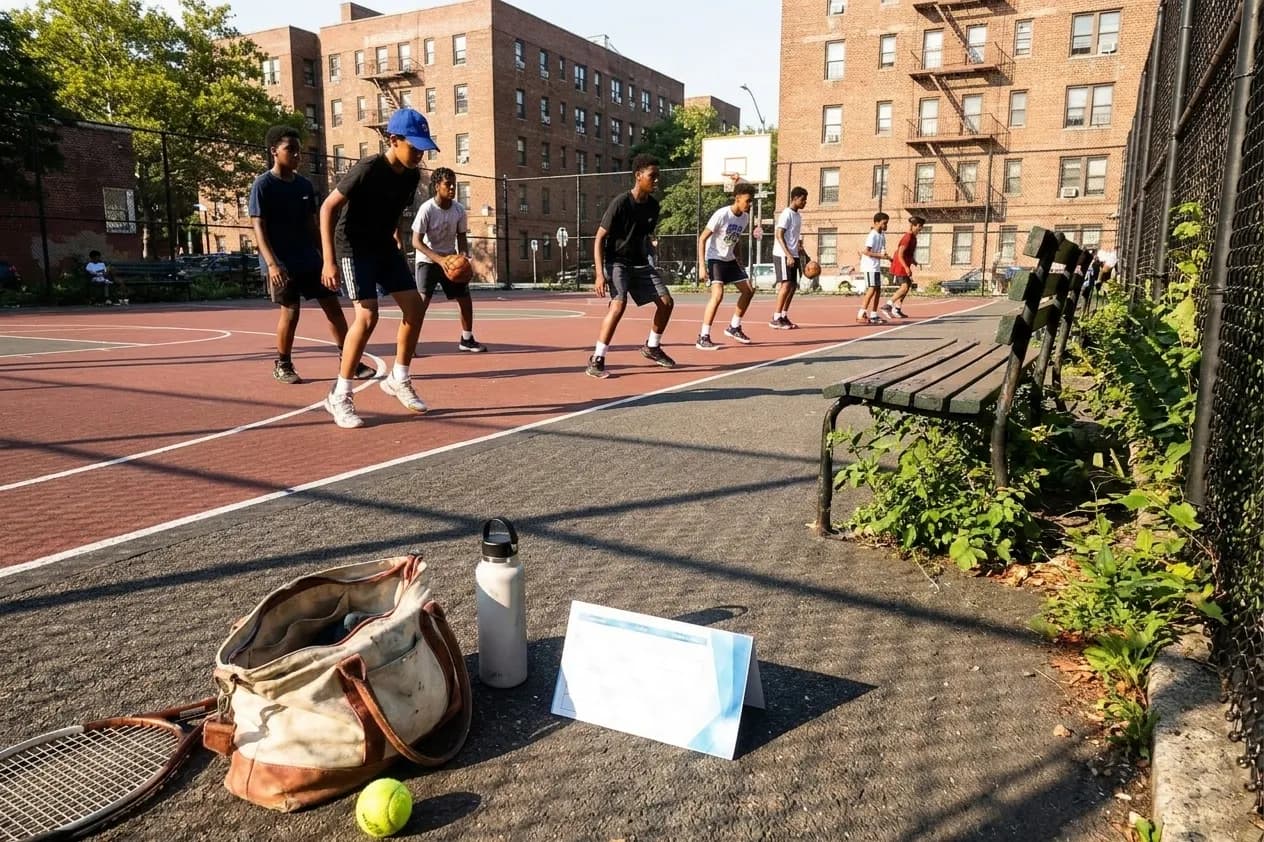
Transit Corridors and the Pressure of Arrival Timing
The official US Open transportation directions page recommends the 7 train to Mets–Willets Point, and during the tournament, the station becomes a river of humanity. Arriving during peak commute hours or right before a marquee night session means navigating dense crowds, long escalator waits, and limited platform space. The Bronny James lesson here is about self-awareness: know your group's tolerance for crowding and plan accordingly. If you're traveling with young kids, elderly family members, or anyone who finds packed transit stressful, consider arriving mid-morning or early afternoon when the 7 train is calmer. The Long Island Rail Road also stops at Mets–Willets Point, offering a less crowded alternative if you're coming from points east or from Penn Station. Once you exit, the walk to the tennis center is short but exposed—bring sun protection, water, and patience. The official prohibited-items guide lists what you cannot bring, so review it before packing to avoid delays at security.
Watch Spots That Match Your Group's Needs
Arthur Ashe Stadium holds more than 23,000 fans and delivers an electric, arena-scale experience. But for families with young tennis players, the outer courts—especially during junior championships—offer something more valuable: proximity, quiet, and the chance to study technique up close. Grounds passes grant access to all outer courts, the Grandstand, and Louis Armstrong Stadium (except during night sessions), and you can move freely, sampling different matches and energy levels. If your young fan gets restless, the park itself offers space to decompress—playgrounds, open lawns, and the Queens Museum and New York Hall of Science are short walks away, though you should confirm hours and any special closures on the NYC Parks website and each institution's site before your visit. The lesson is to build flexibility into your day, just as an athlete learns to adjust their game plan mid-match.
Food, Hydration, and the Reality of Long Days
The US Open offers dozens of food vendors, from grab-and-go stands to sit-down restaurants, but prices reflect the captive-audience reality of a major sporting event. The official visitor guide provides a full food and beverage overview, but it won't tell you that lines peak between noon and 2 p.m., or that shaded seating disappears fast on hot days. If budget or dietary needs are a factor, consider eating a substantial meal in Flushing before entering—the neighborhood's dumpling houses, noodle shops, and bakeries are a short walk or one subway stop away—and bringing in permitted snacks. The prohibited-items page clarifies what food and drink you can carry in (sealed, soft-sided containers under a certain size). Hydration is non-negotiable, especially for kids spending hours in the sun, and water refill stations are marked on venue maps.
Movement Lessons: When to Stay, When to Leave
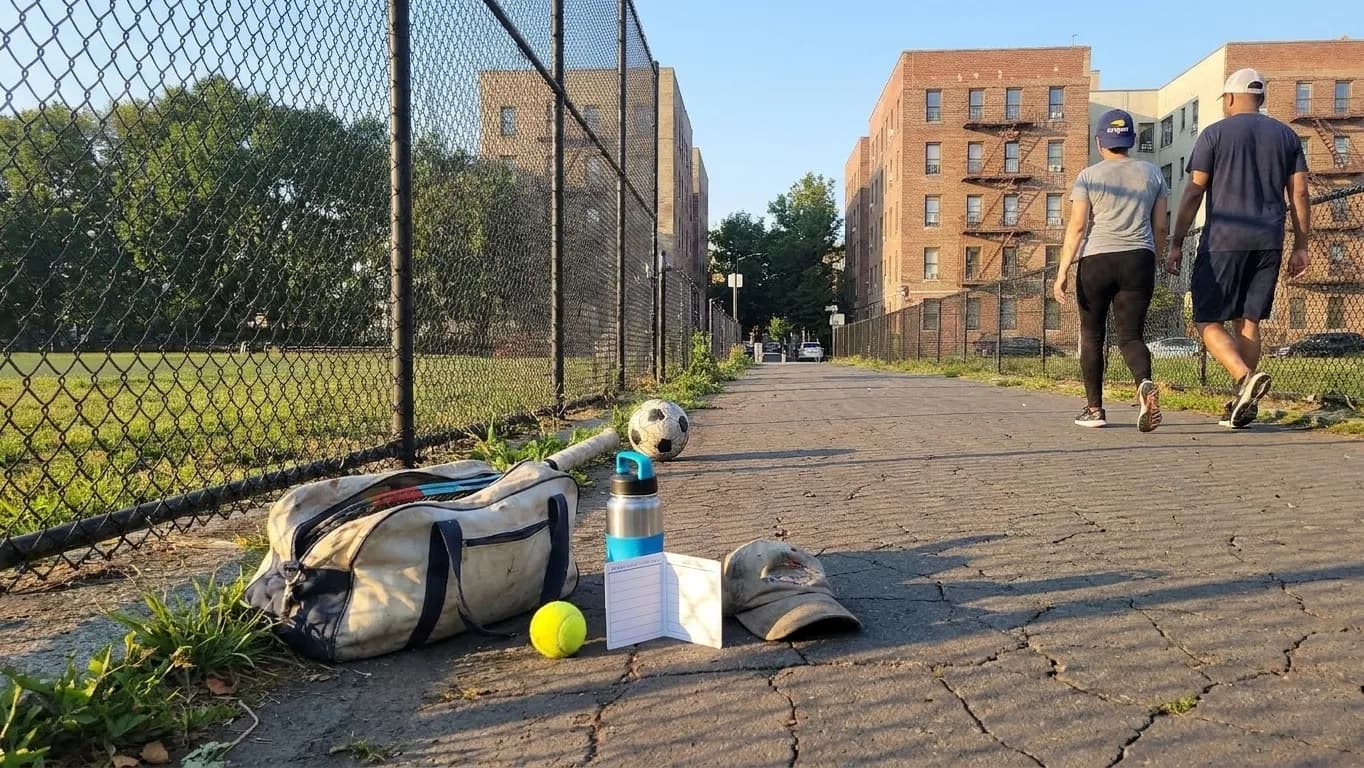
One of the most valuable lessons from watching any young athlete under pressure is recognizing when to push through and when to step back. The same applies to your US Open day. If your group is flagging—kids are cranky, adults are sunburned, everyone's overstimulated—it's okay to leave early, even if you paid for a full session. Flushing Meadows Corona Park offers plenty of low-cost, low-pressure recovery options: the Unisphere for photos, open fields for running around, or a quiet bench under trees. If you're staying in Long Island City, Astoria, or another nearby Queens neighborhood, the 7 train makes it easy to retreat and return later. The park is also adjacent to Citi Field, home of the New York Mets, and on game days the area gets even busier—check the Mets schedule on their official site if you want to avoid overlapping crowds or, conversely, if you want to catch both events in one trip.
Practical Notes for First-Time US Open Families
- Review the official US Open event schedule and visitor A-Z guide at usopen.org well before your visit to understand session times, ticket types, and facility layout.
- Check the prohibited-items list so you don't lose time at security; items like large bags, outside alcohol, and certain electronics are not allowed.
- Plan your 7 train or LIRR arrival to avoid peak crowding—mid-morning or early afternoon is often calmer than rush hour or right before night sessions.
- Bring sun protection, refillable water bottles, and portable snacks that meet venue guidelines; shade and seating are limited during peak hours.
- If traveling with young kids or first-time tennis fans, prioritize outer courts and junior matches for a lower-pressure, more intimate experience.
- Build in flexibility—plan a nearby park break, a Flushing food stop, or an early exit if your group's energy dips.
- Confirm any museum, park facility, or restaurant hours on official sites close to your visit; schedules and access can change.
- Check the Mets schedule at mlb.com/mets/ballpark if you want to avoid or embrace overlapping event crowds at Flushing Meadows.
The Crossover Energy That Makes Queens Tennis Work
The Bronny James story resonates because it's about more than basketball—it's about navigating expectations, finding your own path, and performing under pressure with the whole world watching. Those same themes run through every junior match at the US Open, every family's first visit to the Billie Jean King National Tennis Center, and every decision about when to stay in the crowd and when to step away. Queens offers the infrastructure—trains, parks, food, and courts—but the experience you build depends on self-awareness, flexibility, and a willingness to adapt your plan as the day unfolds. Whether you're a parent supporting a young athlete, a tennis fan exploring the sport's future stars, or a first-time visitor trying to make sense of the grounds, the lesson is the same: plan for pressure, but leave room for discovery.
This article references the trending keyword "bronny james" as a thematic lens for understanding pressure, expectations, and public attention in youth sports, and applies those lessons to practical planning for the 2026 US Open in Queens. It does not claim any current news, schedule conflict, athlete participation, or event disruption involving Bronny James or any other individual.
US Open, Billie Jean King National Tennis Center, Flushing Meadows Corona Park, Citi Field, and New York Mets are trademarks of their respective owners. This article is not affiliated with, endorsed by, or sponsored by the USTA, the US Open, Major League Baseball, the New York Mets, NYC Parks, or any other organization mentioned.
Ask Karpo First
Tags: #USOpen2026 #Queens #FlushingMeadows #KarpoFinds #Karpo #bronnyjames #NewYorkLocal #TennisTravel #NYCLocalLife #TennisTravel
Sources consulted: usopen.org — Official event schedule · usopen.org — Official visitor A-Z guide · usopen.org — Official transportation directions · usopen.org — Official prohibited-items guide · NYC Parks — Flushing Meadows Corona Park · New York Mets — Citi Field
All trademarks are the property of their respective owners.
Ask Karpo first
Want to know what is actually open, how to time the trip, and where to pause around Queens? Ask Karpo for the latest public US Open context, a respectful visitor plan, and a live route around Flushing Meadows before you head out.