Not every Brewers vs Giants matchup requires a seat inside Oracle Park. Whether tickets sold out, prices climbed beyond your threshold, or you simply prefer controlled sound and flexible departure timing, San Francisco offers dozens of neighborhood viewing options that let you follow pitch counts, lineup changes and late-innings drama without the ballpark commitment. The challenge shifts from securing a ticket to coordinating first-pitch timing with transit schedules, matching your group's noise tolerance to venue acoustics, and building an exit plan that respects both your schedule and your companions' preferences. This guide walks through the decisions that shape a successful watch night outside the stadium, using current transportation guidance and verified venue details rather than assumptions about availability or atmosphere.
Text Karpo with your neighborhood preference, group size, preferred noise level, first-pitch time and budget, and we'll match you to a watch plan that fits your evening—no guesswork, no scrambling at game time.
Check the Official Schedule Before You Commit to a Neighborhood
The Giants' official schedule page at mlb.com/giants/schedule remains the authoritative source for first-pitch times, postponements and start-time changes. Day games, makeup doubleheaders and weather delays alter transit windows and meal timing in ways that generic planning cannot anticipate. Confirm the start time on game day—ideally within six hours of first pitch—so your arrival buffer accounts for actual conditions rather than outdated assumptions.
If first pitch lands at 6:45 p.m., a 5:30 p.m. arrival gives your group time to claim seats, order food and settle in before the national anthem. A 12:45 p.m. start compresses that window and may conflict with brunch reservations or midday work obligations. Evening games let you build dinner into the plan; afternoon starts often require splitting the group between early arrivals and latecomers who join by the third inning.
Match Transit Routes to Your Viewing Base
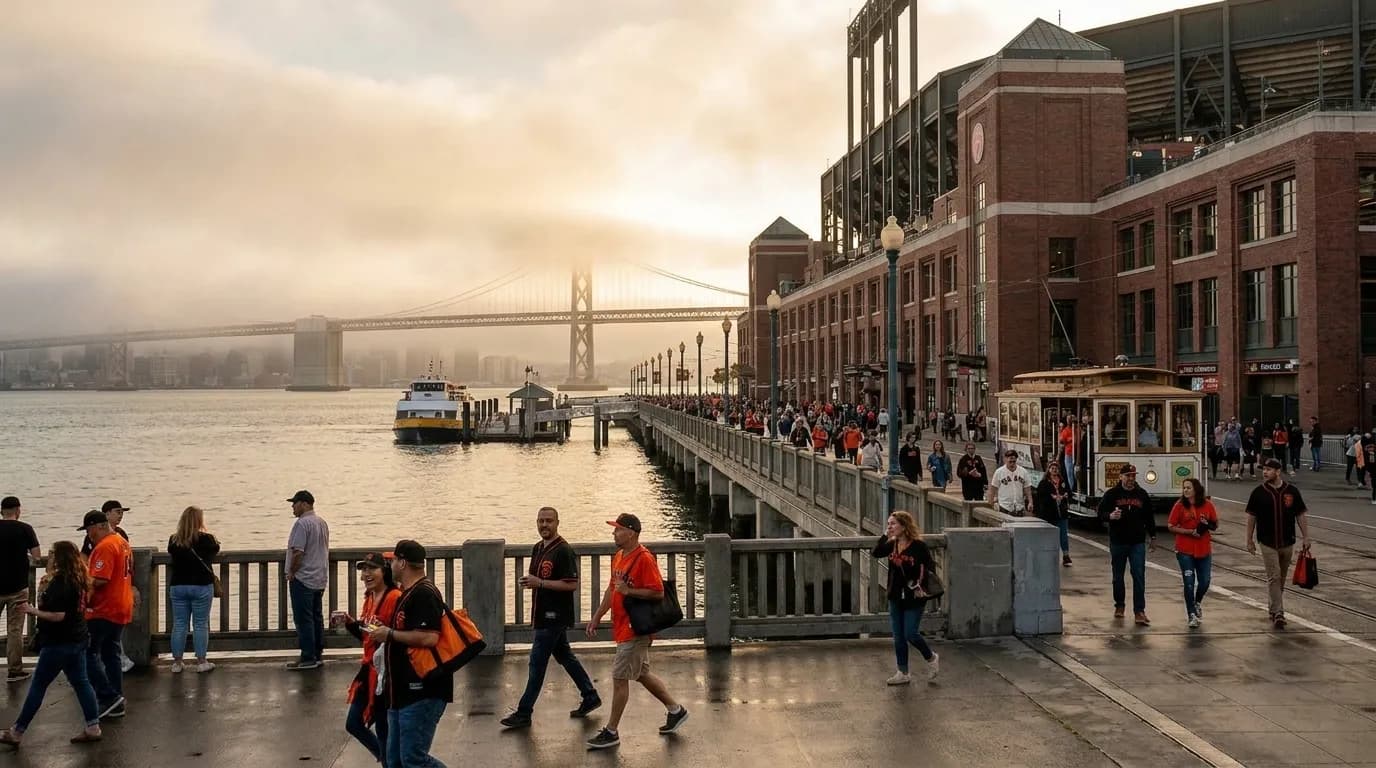
Oracle Park's official transportation page at mlb.com/giants/ballpark/transportation provides current Muni Metro, bus and ferry guidance that applies equally to viewers heading to neighborhood bars. The T Third line, N Judah and several bus routes serve districts where sports venues cluster, but frequency and crowding shift dramatically between weekday commute hours and weekend schedules.
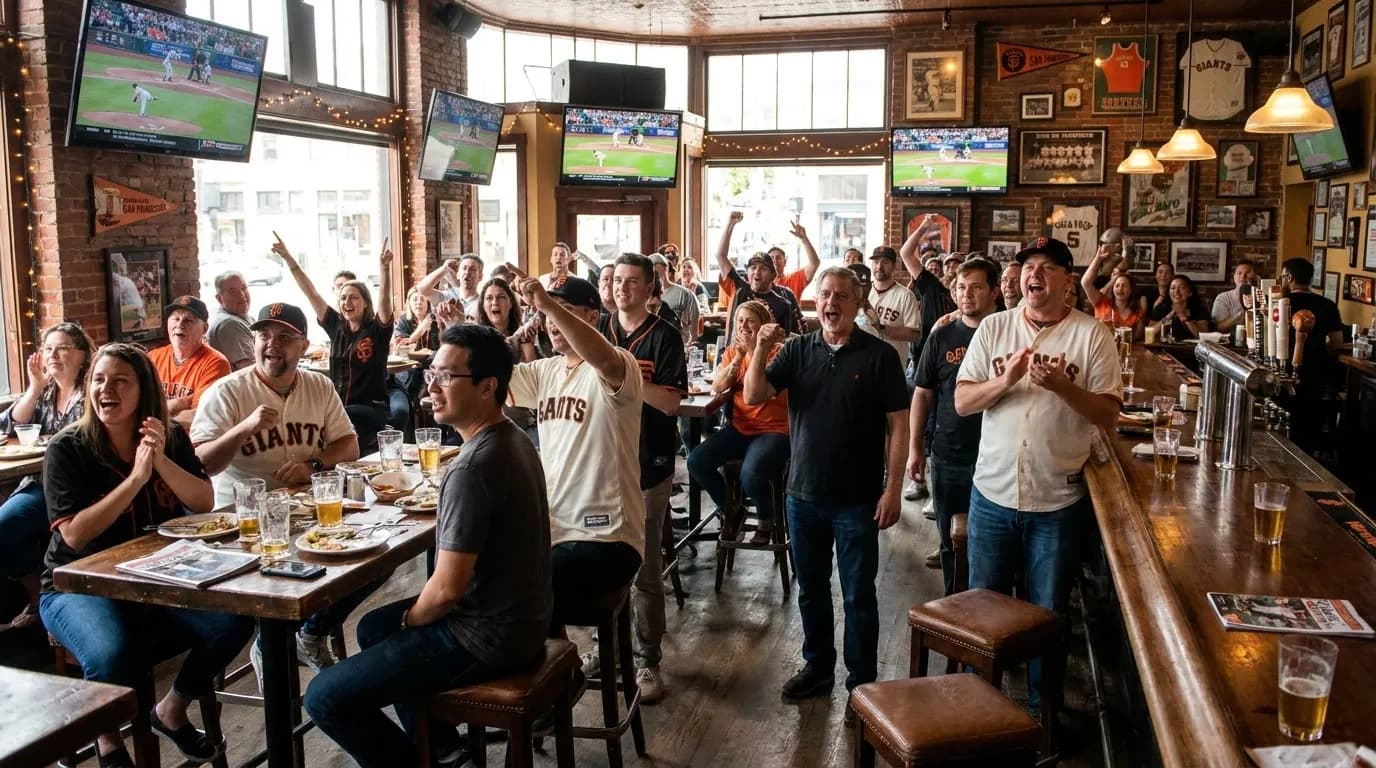
If you choose the Castro, the F Market line and multiple bus routes deliver you within two blocks of Hi Tops, a sports bar with an official location site at hitopsbar.com/san-francisco. Verify current hours and event programming directly through that site rather than relying on third-party aggregators. The Haight offers Kezar Pub, a long-running sports venue where readers should confirm hours and sound levels through direct contact or recent Yelp reviews before assuming game-night availability.
For groups arriving from the East Bay, BART to Civic Center or Powell stations positions you for quick Muni connections to most neighborhoods. Ferry riders disembarking at the Ferry Building can walk to Financial District venues or transfer to streetcars heading west. Build fifteen-minute transfer buffers into your timeline; tight connections fail when trains bunch or platforms crowd during peak travel.
Calibrate Sound Levels to Your Group's Tolerance
Sound management separates successful watch nights from evenings spent shouting over commentary you cannot hear. Some venues pipe crowd noise and announcer audio at conversation-blocking volumes; others treat baseball as background to social hours. Neither approach is wrong, but mismatches frustrate groups who expect one environment and encounter another.
Ask specific questions when you call ahead: Will announcers be audible during at-bats? Does the venue lower volume between innings? Are closed captions available on screens? If half your group wants to follow every pitch and the other half plans to catch up between innings, choose a venue with multiple zones or a layout that lets subgroups self-sort by engagement level.
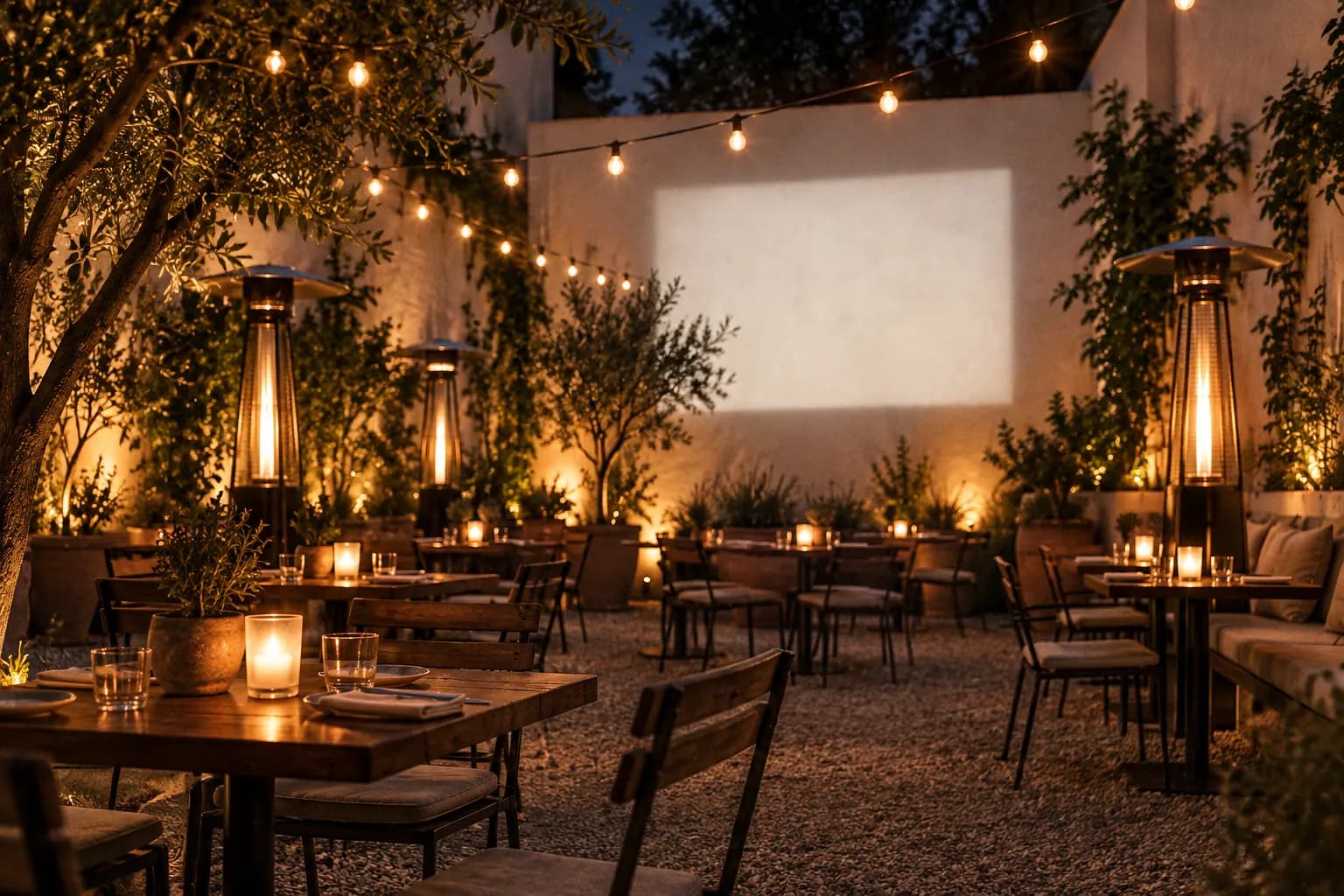
Outdoor patios and parklets offer a third option where ambient street noise competes with television audio. These spaces work well for groups prioritizing conversation over play-by-play but poorly for viewers tracking pitch counts or defensive shifts. Visit the venue's website or social channels for recent photos that reveal screen placement, seating density and patio configuration.
Build an Exit Strategy That Respects the Whole Group
Departure timing splits groups more reliably than any other decision. One member wants to leave after seven innings to catch the last train; another insists on watching every pitch of a close game; a third prioritizes beating the post-game transit surge. Establish your exit criteria before first pitch: Are you leaving at a fixed time, after a certain inning, or when the final out records?
If your venue sits near a Muni Metro line, check the last scheduled departure for your direction. The T Third and N Judah run later than some bus routes, but weekend schedules differ from weekday service. BART's final trains leave around midnight on weekdays and run later on weekends, but connections to your home station may require earlier departures than the systemwide cutoff suggests.
For groups with mixed departure needs, agree on a rally point and a backup communication method. Cell service degrades in crowded bars, and dead phone batteries eliminate your ability to coordinate last-minute changes. Designate one person to monitor the game clock and another to track transit schedules so decisions rest on current information rather than outdated assumptions.
Manage Group Size and Seating Expectations
Parties of two secure tables easily; groups of eight face seating challenges that advance reservations may not solve. Many sports bars operate on first-come basis during games, and even venues that accept reservations cannot guarantee screen sightlines or grouped seating when the room fills. Call ahead to ask about large-party accommodation, typical game-night crowds, and whether the venue holds tables for reservations or assigns seating on arrival.
If your group exceeds six people, consider splitting into two smaller parties that claim adjacent tables or booth clusters. This approach improves your chances of seating everyone within sight of a screen and reduces the pressure on staff managing table turns. Arrive thirty to forty-five minutes before first pitch for groups larger than four; that buffer absorbs delays and gives slower members time to navigate transit or parking without forcing the entire party to wait.
Plan for Budget Transparency and Shared Costs
Watch-party budgets vary widely depending on venue minimums, drink prices and food expectations. Some bars enforce per-person spending floors during high-traffic games; others operate without formal requirements but expect steady ordering throughout the evening. Clarify these expectations when you call to confirm seating availability.
Discuss cost-sharing norms before your group orders. Will you split the bill evenly, track individual tabs, or designate one person to cover appetizers while others buy their own drinks? Mismatched expectations generate friction when the check arrives, especially if some members ordered significantly more than others. Agree on a structure early, communicate it clearly, and confirm that everyone understands the plan before the first round arrives.
For groups watching on tight budgets, prioritize venues with happy-hour pricing that extends into early innings or spots where food portions support sharing. A single large appetizer often costs less per person than individual entrees and creates a communal tone that fits group viewing better than isolated meals.
Prepare Backup Plans for Capacity and Technical Issues
Venues reach capacity, screens fail, and broadcast rights occasionally black out local games on certain platforms. Your plan should include at least one alternate location within a ten-minute walk or a single transit connection. Identify that backup before you leave home so you are not researching options on a crowded sidewalk while your group debates next steps.
If your first-choice venue turns you away at the door, move decisively to the backup rather than wandering the neighborhood hoping for open seats. Time spent debating costs you innings and increases the likelihood that your second choice also fills. Designate one person to lead the group to the alternate location while others handle any outstanding tabs or coat-check retrieval.
Technical failures—lost satellite feeds, internet outages, or audio problems—occasionally disrupt viewing. Ask staff whether they have backup systems or alternative screens before you commit to staying. If the issue persists past the first inning and the venue cannot resolve it, your backup plan becomes essential. Waiting for a fix that never arrives wastes the evening and frustrates everyone involved.
Tags: San Francisco watch parties, Brewers vs Giants viewing, Oracle Park alternatives, SF sports bars, game night planning, public transit to bars, Castro sports venues, group viewing logistics
Karpo is a trademark of Karpo Inc. and is not affiliated with Major League Baseball, the San Francisco Giants, Oracle Park, or any venues mentioned in this guide.
Sources consulted: mlb.com · mlb.com · hitopsbar.com · yelp.com