brandon clarke is a useful reminder that back-to-school searches can move faster than verified local information. In Miami, the smarter move is not to chase a rumor, assume an appearance, or build a school-week plan around an unconfirmed name. Treat the phrase as a research prompt: What can be verified? Which public tools help a student compare sources? Where can a family study without overcommitting time, money, or transportation? This route keeps the focus on official Miami-Dade resources, public access, and realistic timing. It is designed for a weekday or weekend study block, but every stop should be checked before leaving because library access, transit service, construction, and alerts can change.
Want a quicker pre-trip check before you leave home? Text Karpo with your branch, transit mode, and study window, then ask for a verification-first Miami school-day route.

Turn curiosity into a research question
Start by writing the search phrase at the top of the page: brandon clarke. Then separate the task into two columns: what is known from primary sources and what is merely being repeated. That distinction matters in Miami during the back-to-school season, when students are juggling assignments, sports conversations, social media clips, and last-minute transportation plans. The goal is not to prove a rumor. The goal is to practice a clean research method.
A useful student question could be: “How do I verify a current public topic without relying on fan posts or recycled summaries?” From there, assign roles if working as a group. One person checks official institutional pages, one compares news or database results available through the library, and one tracks logistics such as travel time, access, and closing notices. If a claim has no official source, label it as unverified rather than stretching it into a fact.
Keep the Miami plan public and modest. Do not assume local appearances, private access, school visits, endorsements, or event guarantees. A timely name can make the assignment feel current, but the lesson is verification. That is a better back-to-school habit than chasing the loudest post.
Start with a reliable public resource
The Miami-Dade Public Library System is the logical first stop because its official site points readers to locations, library cards, catalog browsing, learning and training, eBooks, audiobooks, and more. It also lists online newspapers and magazines, which are exactly the kind of resources students can use to compare reporting before forming an opinion. The library’s digital books, audiobooks, movies, music, and other eContent are described as available anytime, anywhere, free with a library card.
Before choosing a branch, check the library’s official locations information and any notices on the site. The current public notice says the Miami Lakes Branch and South Dade Regional Libraries are closed for construction, renovations, and improvements. That does not mean every other branch is open at the moment you want to go; it means those two closures should be removed from your first-choice list unless the official notice changes.
If you do not already have a card, the library site includes a “Get a Library Card” option. For a school assignment, that step is more than an errand. It can unlock the difference between searchable reporting and random scrolling, especially when a trend phrase is circulating without enough context.
Compare primary reporting before opinions
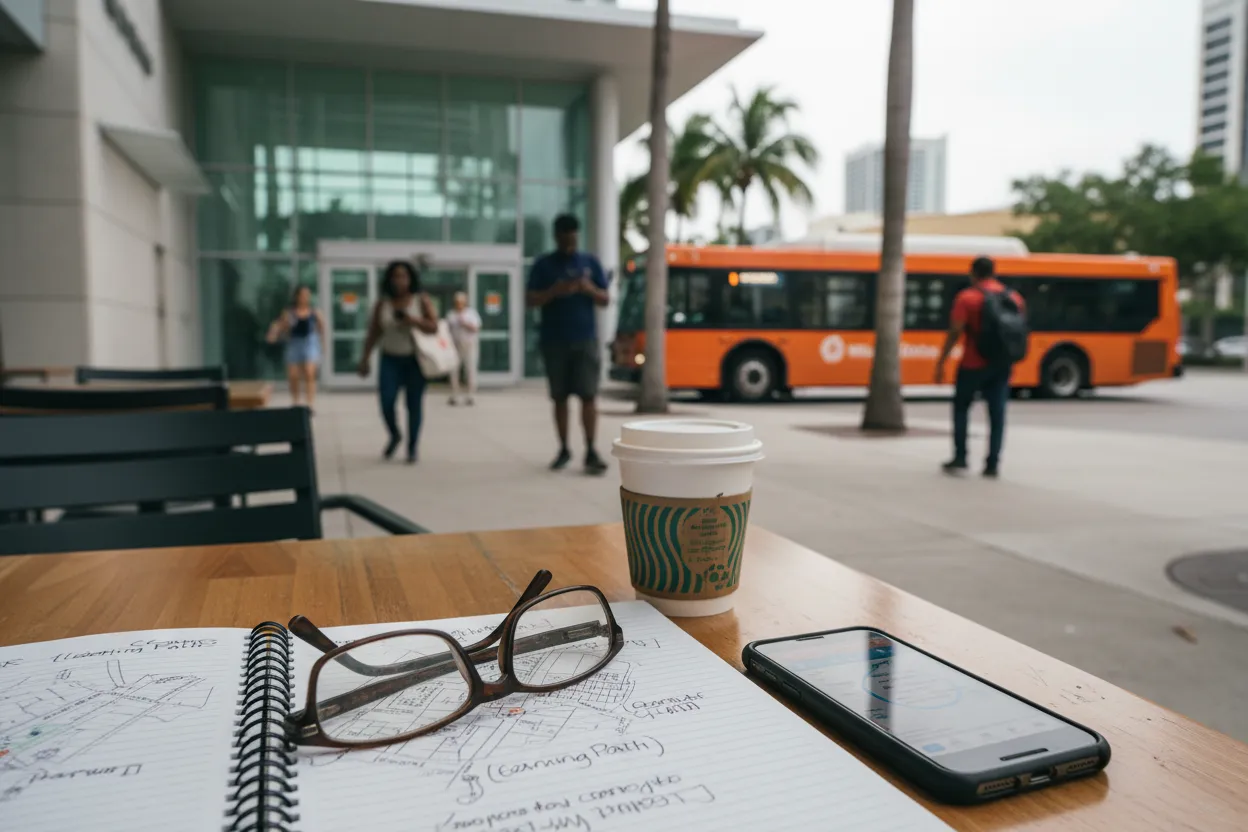
Once you have access to library resources, build a simple comparison grid. Use the library’s online newspapers and magazines to look for reporting that names sources, dates its information clearly, and distinguishes confirmed facts from commentary. Put opinion pieces in a separate category. They may be useful later, but they should not be the foundation of a verification exercise.
For the brandon clarke assignment, students can record what each source actually says, what it does not say, and whether it links to an original record or official organization. If a story implies a Miami connection but does not document one, write “not verified through the available source.” This wording keeps the project accurate without pretending the search term is irrelevant.
The same method works for sports, entertainment, public policy, and school topics. Miami readers are used to big-event energy, but back-to-school research rewards patience. A source that is slower, dated, and accountable is usually more useful than a fast post with no trail.
Choose a study stop that fits the task
Pick the study location based on the work, not the vibe. If the task requires database searching, note-taking, and quiet comparison, a library branch is the strongest fit. If the task is mostly planning, downloading materials, or reviewing a draft, a shorter stop near transit may work. Use the Miami-Dade Public Library System locations page to confirm the branch you want, and avoid relying on memory from a previous school year.
Timing should be treated as part of the assignment. Build a route with a departure window, a study window, and a return window. Miami traffic, rain, school dismissal patterns, and transit changes can all compress a good plan. If a student has after-school obligations, choose a branch or public study stop that allows an easy exit rather than one that requires a complicated transfer at the end.
Transit can make the plan easier if checked first. Miami-Dade Transportation and Public Works says full-time students ride Metrobus and Metrorail for half the price. The same official transportation page points riders to service updates, rider alerts, a trip planner, transit tracker tools, and the GO Miami-Dade Transit mobile app for planning, tracking, and mobile pass functions. Verify the exact route and alert status before committing.
Add one low-cost reset nearby
A back-to-school research route should include one reset, but do not overbuild it. The reset can be a short walk, a snack break, a phone call home, or a move from heavy reading to outlining. The point is to prevent the search from becoming a two-hour scroll. Since the provided official parks page is unavailable, do not assume a park facility, amenity, or schedule from that source; choose only what you can verify independently before going.
If you are riding transit, make the reset fit the route rather than adding a detour. Miami-Dade Transit’s official page emphasizes planning the trip, viewing rider alerts, checking service updates, and tracking buses and trains in real time. Those tools matter most when the day is crowded, the weather turns, or a student needs to be home by a specific time.
Crowd risk is highest when school schedules, work commutes, downtown activity, and special service changes overlap. The practical answer is not panic; it is a backup. Decide in advance whether you will shorten the study block, switch to library eContent from home, or use another open branch if the first choice is too busy or unavailable.
Verify hours and access before leaving
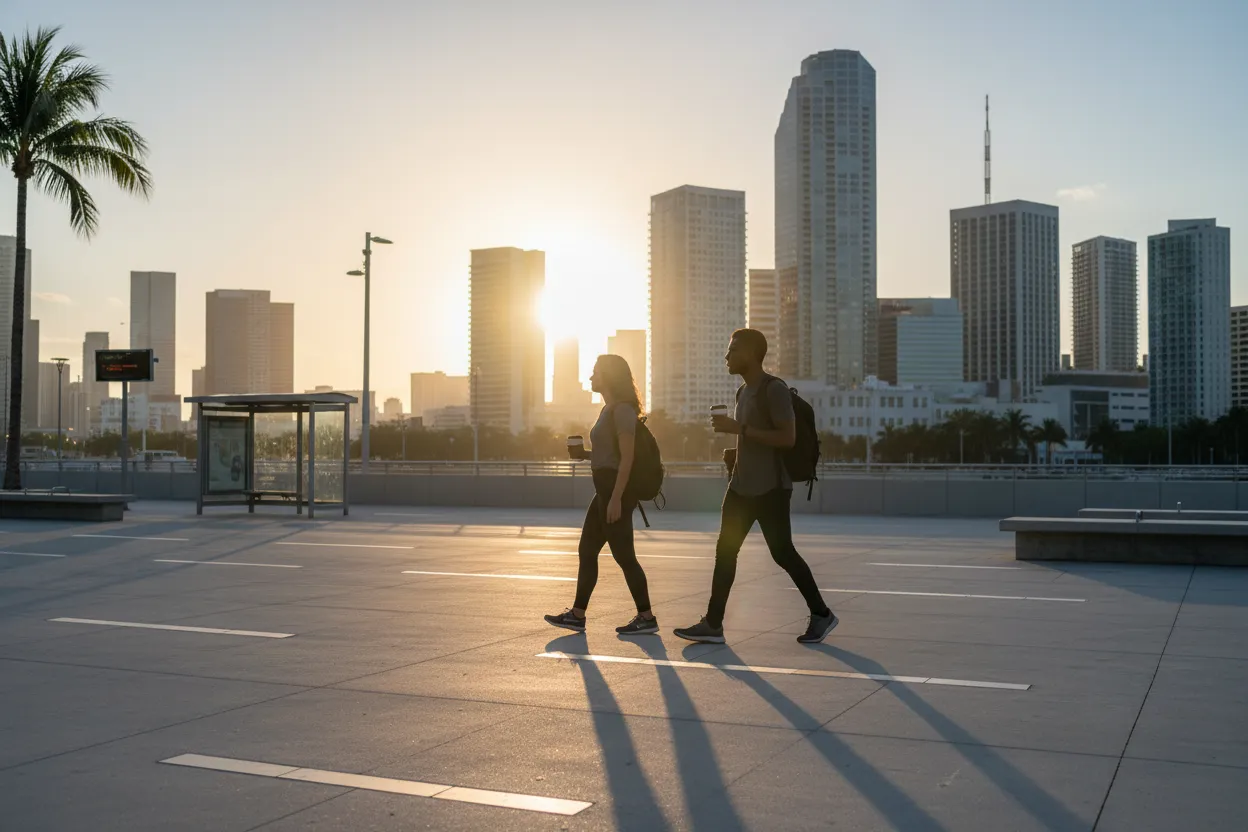
Make the final check in this order: library access, transportation alerts, route timing, and backup choice. On the library side, confirm the branch page, account needs, card requirements, and any closure notice. Remember that the official site currently identifies the Miami Lakes Branch and South Dade Regional Libraries as closed for construction, renovations, and improvements. If that notice changes, follow the current official page.
On the transportation side, check Miami-Dade Transit rider alerts and service updates before leaving. The official transportation page also notes that on Saturday, Aug. 15, Metromover service will begin operating at 2 p.m. while work continues on upgrading the Metromover system. Because service information can change, confirm the alert on the official page if your route depends on Metromover.
Also check elevator and escalator status if accessibility, luggage, instruments, sports gear, or fatigue make vertical movement a concern. Miami-Dade Transportation and Public Works provides an elevators and escalators status option and describes accessible transit services and complaint processes. A good school route is not only fast; it is usable by the people taking it.
Your backup should be specific: a second library branch, a digital-only research session using library eContent, or a later departure after alerts clear. Do not wait until the platform, lobby, or parking area is crowded to invent Plan B. Verification is the academic skill; the route is just the real-world test.
Tags: #brandonclarke #Miami #BackToSchool #MiamiDade #MDPLS #MiamiDadeTransit #StudentResearch #LibraryCard #TransitAlerts #PublicResources #StudyRoute #VerifyFirst #AskKarpo #BeforeYouGo
Sources consulted: mdpls.org · miamidade.gov · miamidade.gov
All trademarks are the property of their respective owners.
Ask Karpo first
Ask Karpo first before turning a trending name into a Miami plan. Send the phrase, your nearest cross streets, your available study window, and whether you need transit, library access, or a backup branch. Karpo can help you organize the checks without treating unverified hype as fact.