 Salad Near Me in Chinatown: Dimes' Grain Bowls and Greens
Coffee & Dessert
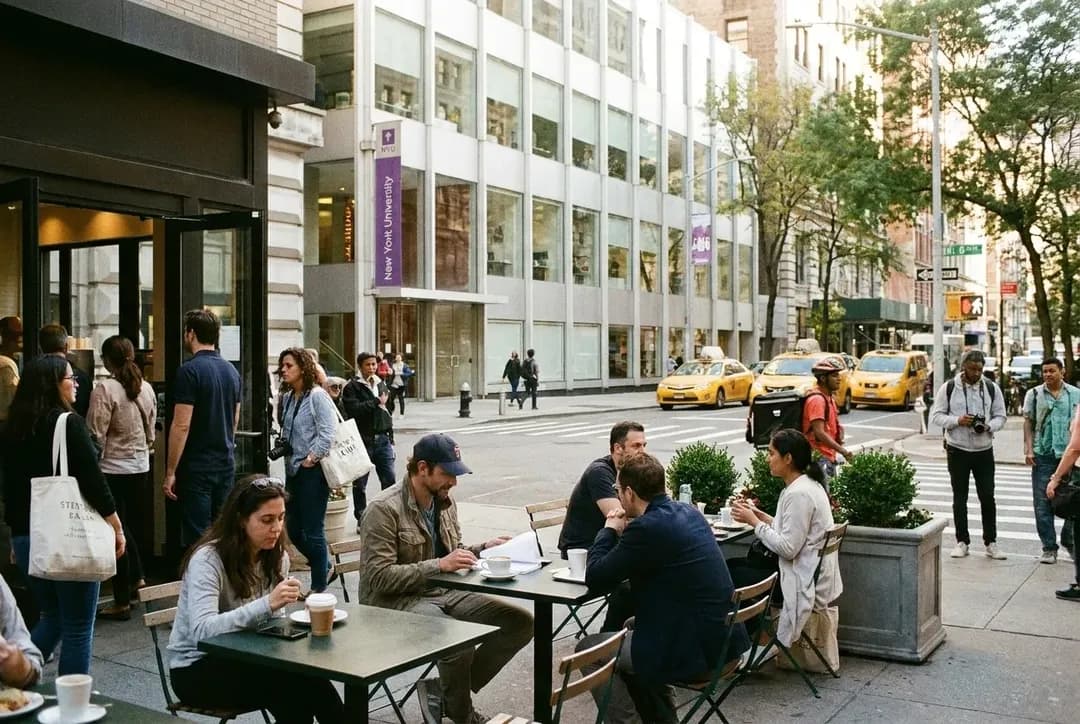
Bradley Cooper NYC Filming Cafes: Coffee Spots from Recent Productions
Explore Manhattan cafes connected to Bradley Cooper's film work and discover the coffee culture that draws Hollywood talent to New York's neighborhoods. Navigate film location tourism with practical tips for respectful visits.
The intersection of celebrity film production and New York City's coffee culture creates unique opportunities for film location tourists seeking authentic experiences. When searching for cafes connected to bradley cooper and his recent productions, visitors face the challenge of distinguishing between verified filming locations, rumored celebrity haunts, and establishments leveraging Hollywood associations for marketing purposes. This guide helps mid-morning explorers navigate Manhattan's cafe scene with realistic expectations about what film location tourism actually entails—balancing the thrill of visiting spaces that appeared on screen with the practical realities of operating hours, crowd management, and the likelihood of encountering production remnants or acknowledgment of filming history.
Text Karpo your starting point, timing, group size, and priorities for a NYC plan tailored to this exact situation, with one realistic backup before you leave.
Verifying Film Location Claims Before Your Visit
Before planning your cafe route, understand that most New York establishments don't prominently advertise their appearance in films, and staff turnover means current employees may be unaware of past productions. Film location databases and entertainment news archives provide more reliable information than cafe websites themselves, though even these sources rarely specify exact shooting dates or which interior spaces appeared on camera. The challenge intensifies because production companies typically use multiple locations for a single film scene, and exterior shots may have been filmed at one address while interiors were captured elsewhere or on a soundstage.
Your verification process should include checking whether the cafe has changed ownership, undergone renovation, or closed since the production period—a common occurrence in New York's dynamic restaurant landscape. Social media location tags from the approximate filming period can reveal whether a space was actually accessible during production or if it was closed for private shooting. This research matters because arriving at a cafe expecting film history acknowledgment often leads to disappointment when the current operation has no connection to previous productions or chooses not to emphasize entertainment industry associations.
Timing Your Visit to Balance Crowds and Atmosphere
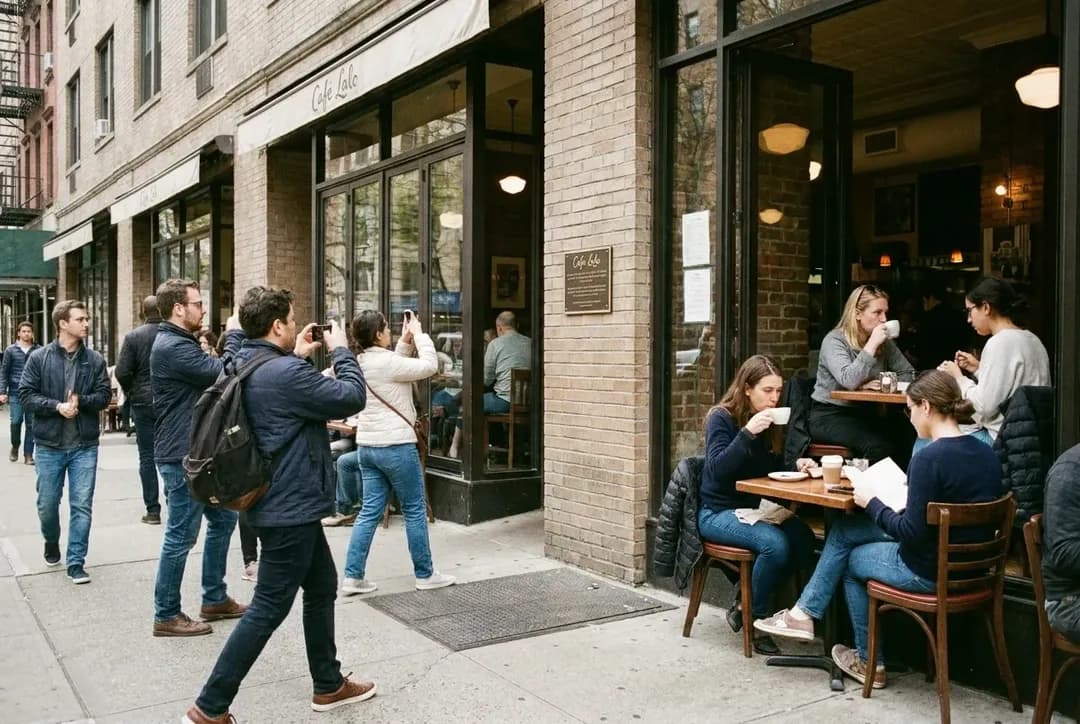
Mid-morning visits between 10 AM and 11:30 AM typically offer the best compromise for film location tourists—late enough that cafes have completed their commuter rush but early enough to secure seating before lunch crowds arrive. This window allows time to appreciate the space's aesthetic qualities that likely attracted location scouts while avoiding the peak periods when photographing interiors becomes disruptive to other patrons. However, this timing strategy assumes the cafe operates on a standard schedule; many New York coffee spots have reduced their hours or shifted to weekend-focused operations, making advance verification essential.
The crowd composition changes throughout the day, affecting your experience as a film location visitor. Morning regulars tend to be neighborhood residents focused on their routines rather than tourists, creating a more authentic atmosphere but also meaning your film-related questions may receive polite disinterest. Weekend mornings attract more leisure visitors, including other film location tourists, which can make photography easier through shared understanding but diminishes the authentic New York coffee culture experience. Consider whether your priority is capturing the space as it appeared on screen or experiencing it as a functioning neighborhood establishment.
What to Expect Regarding Reservations and Wait Times
Most Manhattan cafes operate on a first-come basis without reservation systems, meaning your wait time depends entirely on capacity and turnover rate rather than advance planning. Film location status doesn't typically create the extended queues associated with viral food trends or celebrity chef restaurants, but cafes in high-traffic neighborhoods like SoHo, West Village, or Upper West Side may have limited seating that fills quickly regardless of entertainment connections. The tradeoff involves choosing between well-located cafes with frequent turnover but less intimate atmosphere versus neighborhood spots with more character but potentially longer stays by existing patrons.
Photo opportunities present a separate consideration from seating availability. Taking a quick exterior photo rarely requires waiting, but capturing interior details respectfully means either visiting during genuinely slow periods or ordering and occupying a table, which commits you to the cafe's minimum spend expectations. Some establishments welcome photography as free marketing while others discourage it to protect regular customers' privacy—policies that aren't always posted but become apparent through staff responses. Solo visitors often find interior photography easier to accomplish discreetly than groups attempting coordinated shots.
Navigating to Film Location Cafes Using Public Transit
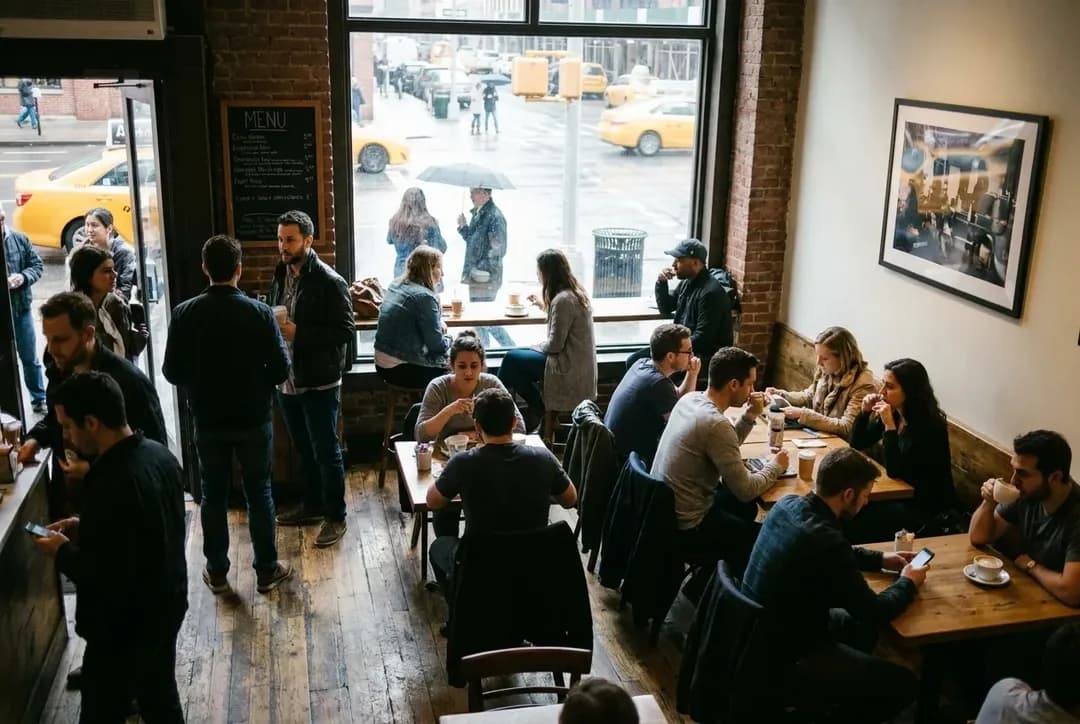
Manhattan's cafe concentration in specific neighborhoods simplifies transit planning, with most film-worthy coffee spots located within walking distance of multiple subway lines. The MTA system provides real-time service updates and accessibility information that matters when planning a multi-cafe route, though visitors should build flexibility into schedules since service changes affect travel times unpredictably. Mapping apps show walking distances between locations, but New York's grid system and neighborhood density mean that what appears as a short distance may involve navigating crowds, construction, or unexpected detours that extend travel time beyond digital estimates.
Consider creating a geographic cluster rather than a comprehensive checklist—selecting three to four cafes within a walkable area allows for spontaneous adjustments if one location is closed, overcrowded, or doesn't match expectations. The West Village and SoHo neighborhoods contain particularly high concentrations of aesthetically distinctive cafes that attract film productions, while Upper West Side locations offer easier navigation and less tourist density. Your companion situation affects route planning; solo visitors can move efficiently between locations while pairs or small groups benefit from choosing cafes with more spacious seating arrangements.
Managing Expectations About Celebrity Encounters and Film Acknowledgment
The reality of film location tourism involves appreciating spaces for their cinematic qualities rather than expecting ongoing celebrity presence or shrine-like preservation of filming history. New York cafes serve neighborhood populations first, and most actively avoid creating celebrity spectacle that would disrupt regular operations or attract disruptive crowds. Staff members typically won't discuss celebrity visits even when they occurred, both for privacy reasons and because such conversations create expectations among subsequent visitors that the establishment can't sustainably meet. This discretion protects both the business model and the authentic neighborhood character that made the location appealing to productions initially.
Your starstruck-but-respectful approach aligns well with New York cafe culture, which values understated appreciation over demonstrative fandom. The satisfaction comes from recognizing architectural details, lighting qualities, or spatial arrangements that translate effectively to screen rather than from tangible film production remnants. Some cafes may have framed press clippings or subtle acknowledgments of their screen appearances, but these are rare and typically understated. The beginner-friendly aspect of this tourism type lies in its low stakes—unlike exclusive restaurants or private locations, cafe visits involve minimal financial commitment and no advance credentials, making experimentation and course correction simple throughout your exploration.
Tags: #FilmLocationTourism #NYCCafes #ManhattanCoffeeShops #CelebrityFilmingLocations #MovieLocationVisits #NewYorkCoffeeCulture #FilmTourismGuide #NYCTravelTips
Sources consulted: Source 1: nycgovparks.org · Source 2: new.mta.info · Source 3: nypl.org · Source 4: a816-health.nyc.gov
All trademarks are the property of their respective owners.
Ask Karpo first
Ask Karpo to turn this NYC idea into a current plan for your date, budget, companion, transit preference, and energy level. Karpo can narrow the route and flag what to verify before you go.
Ask Karpo for more information.
Keep reading
- Salad Near Me in Chinatown: Dimes' Grain Bowls and Greens
 Best Breakfast Near Me at Russ & Daughters Cafe: Lox Board
 Best Breakfast Near Me in Williamsburg: Sunday in Brooklyn's Hazelnut Pancakes