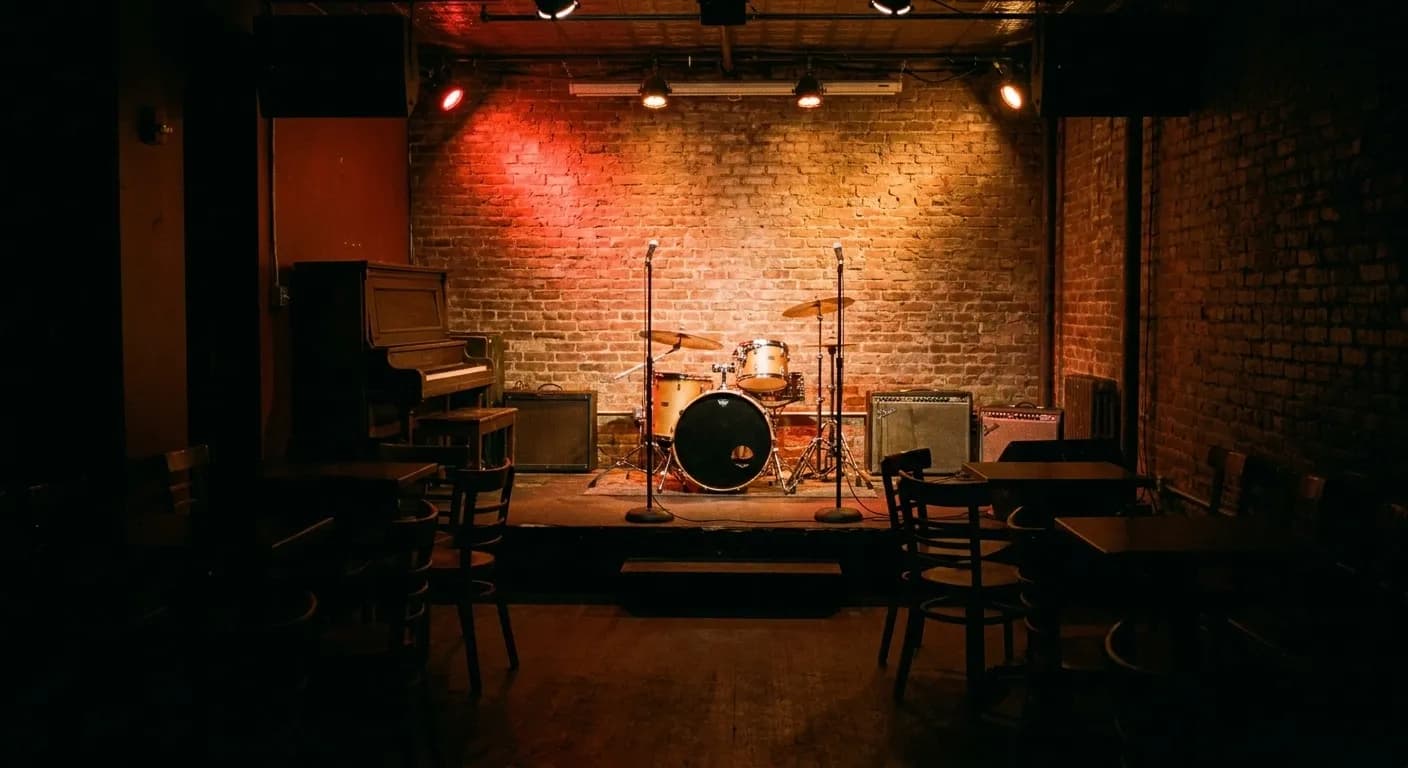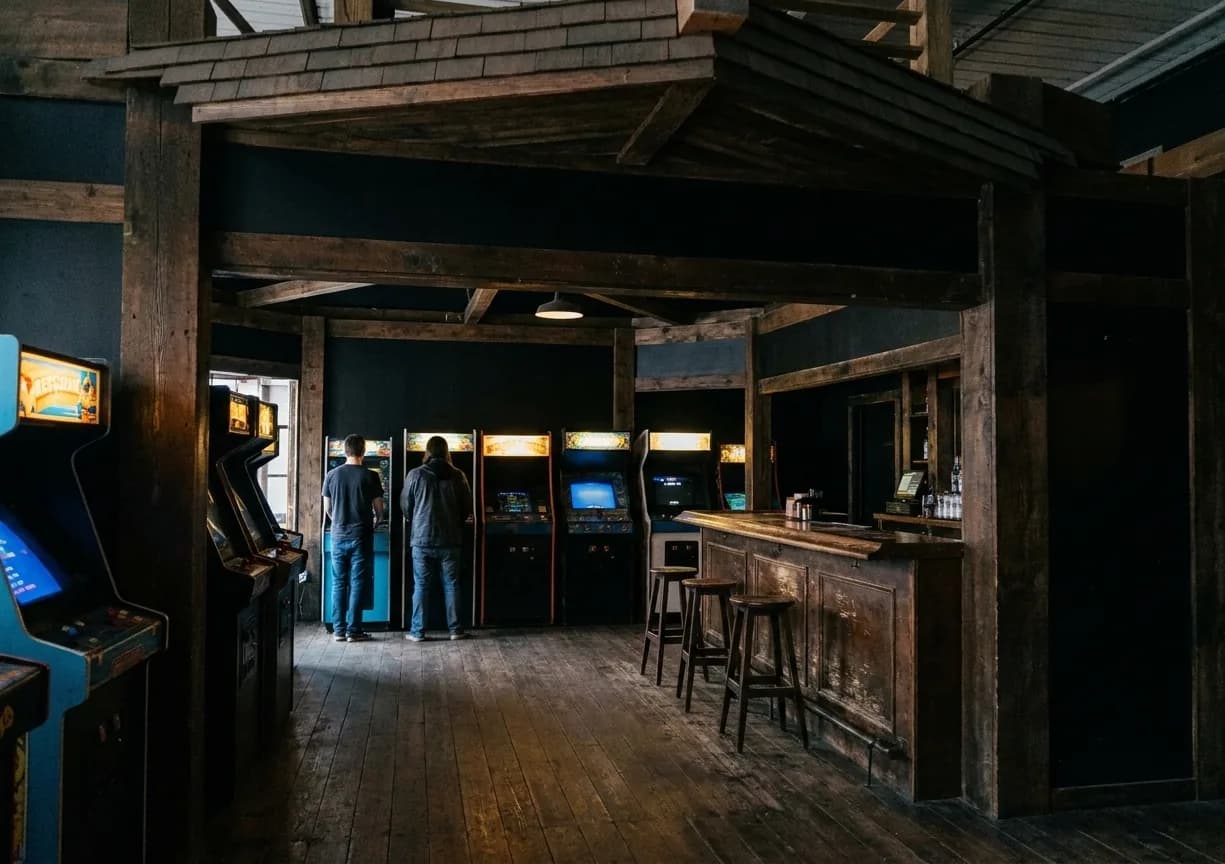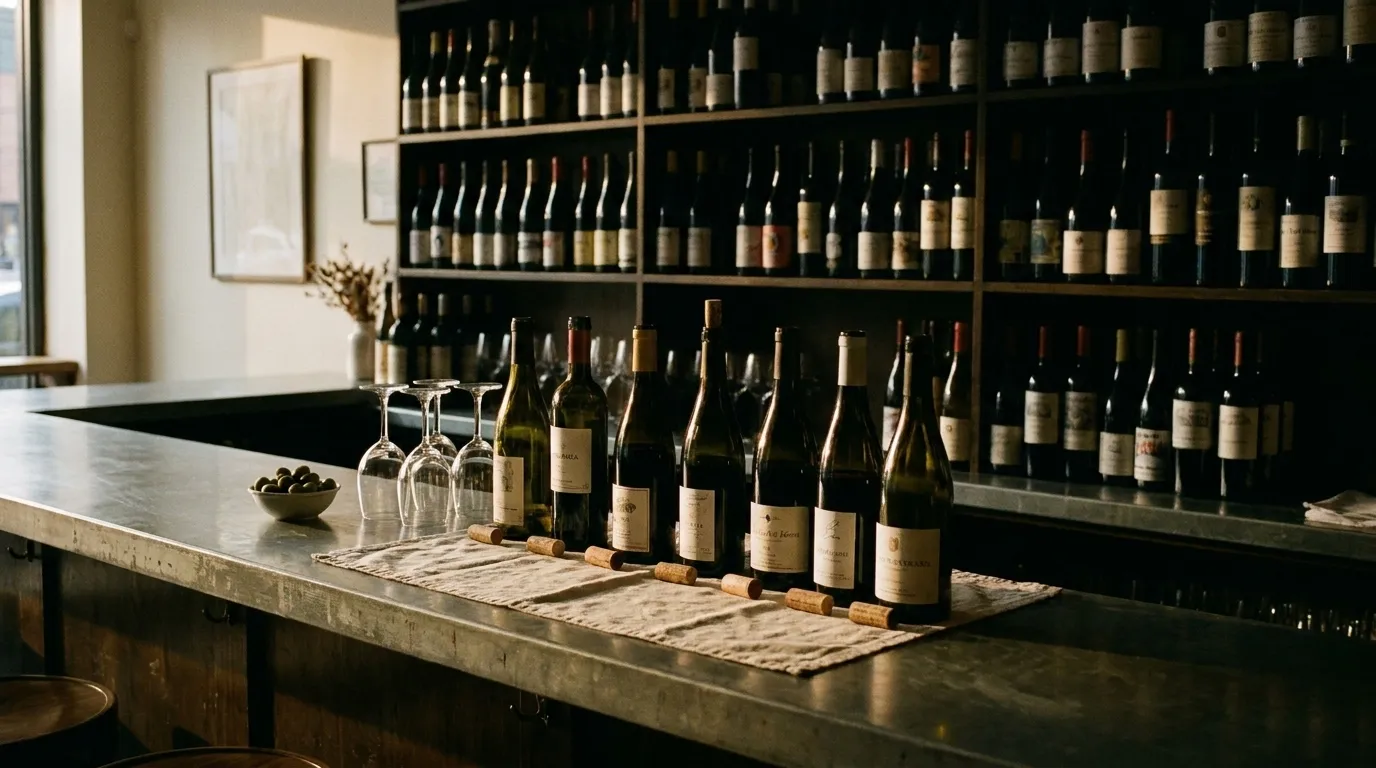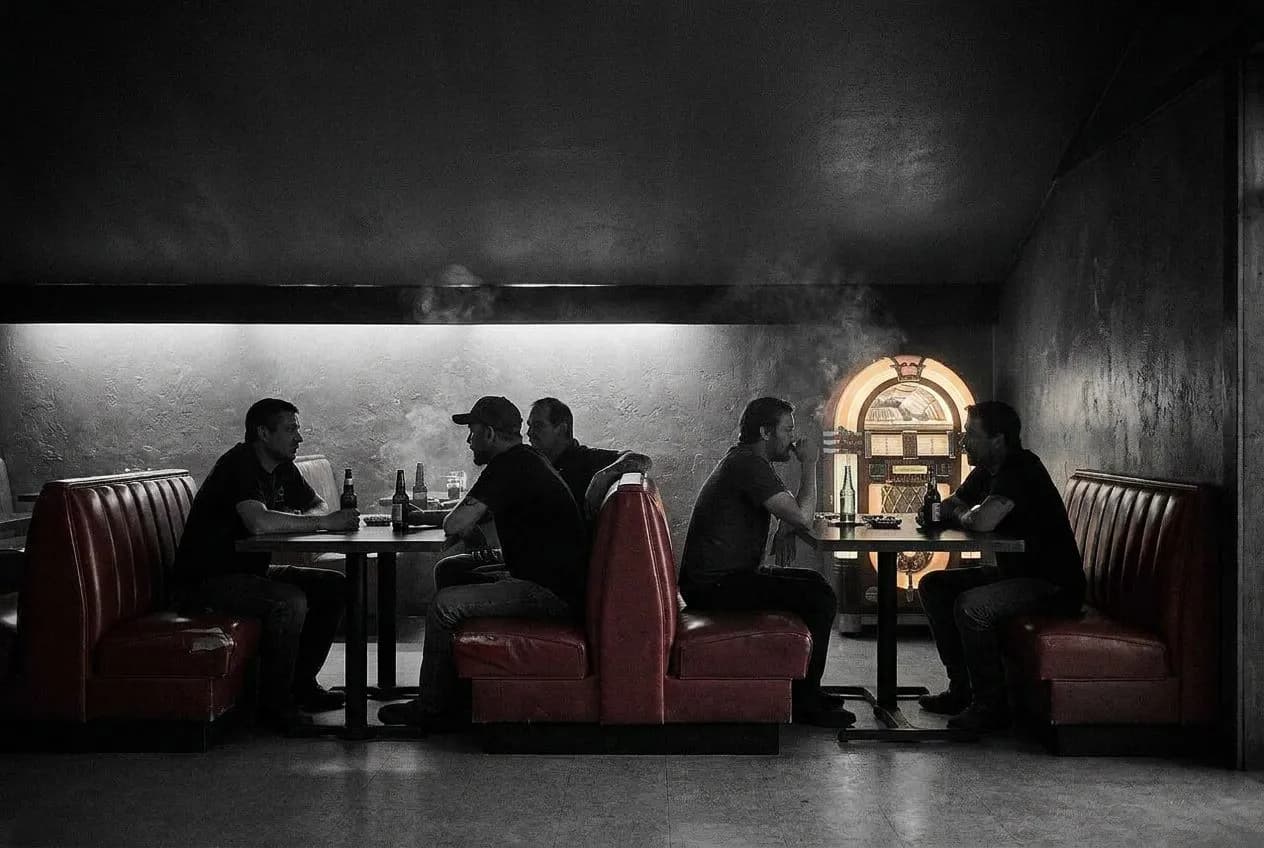
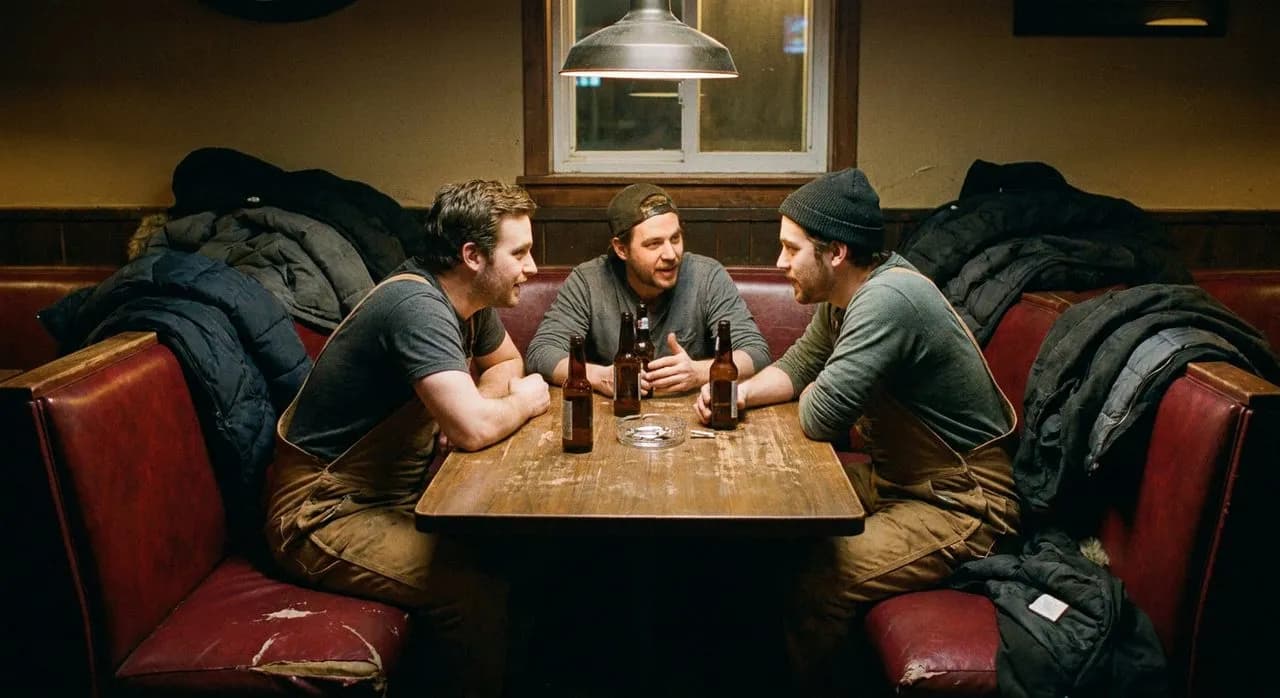
Johnny's Bar doesn't announce itself. The storefront on Greenwich Avenue is dim even in daylight, the kind of place you walk past a dozen times before noticing the door. Inside, the layout tells you everything: a narrow front room with a handful of stools and two-tops, then a doorway leading to the back, where red vinyl booths line the walls and the jukebox sits in the corner like a glowing altar. Before midnight, the front room holds the evening—a few regulars nursing beers, the bartender wiping glasses in slow motion. But after the restaurants close and the last tickets get fired, the back room wakes up. This is where the people who've been on their feet since four in the afternoon finally sit down.
Two rooms, two rhythms
The architecture is simple: front room for the early crowd, back room for everyone else. The front has decent lighting, enough to read by if you wanted to. A working clock on the wall. The beer list scrawled on a chalkboard. The back room operates under different rules. The booths are deep enough that you sink into them, vinyl cracked in places but still holding its shape after years of bodies sliding in and out. The lighting drops to a ruddy amber glow, and the jukebox—silent or nearly so before midnight—becomes the room's heartbeat. By late 2026, this two-room layout feels almost quaint in a city where every bar wants to be a concept. Johnny's isn't interested in concepts. It's interested in function.
The midnight shift
The back room remains nearly empty until midnight, when service industry workers from nearby West Village and Chelsea restaurants arrive post-shift, still smelling faintly of fryer oil or dish soap, the adrenaline of a busy Saturday service still buzzing under their skin. They collapse into the booths with the particular relief of people who've just survived something. The corner booth is traditionally left open for groups of four or more—an unspoken rule that regulars respect, knowing that kitchen crews tend to move in packs and need the space to sprawl.
This is when the room finds its center. Bartenders slide in next to line cooks. Servers commandeer the booth closest to the jukebox. Someone orders a round, then another. The conversation is shop talk at first—who got slammed tonight, which table left a twenty on two hundred, whose expo completely lost the plot during the eight o'clock push. Then it loosens into gossip, jokes, weekend plans cobbled together between double shifts. The energy is specific: not the polished conviviality of guests at a restaurant, but the rawer camaraderie of people who know what it costs to smile for eight hours straight.
Industry clubhouse
Bartenders from at least six nearby restaurants are known to gather at Johnny's after one in the morning, turning the back room into an informal industry meeting spot where job openings and shift swaps are negotiated over cheap beer and whiskey backs. This isn't networking in the LinkedIn sense—no one's handing out business cards—but it's how the ecosystem functions. A sous chef mentions her restaurant needs a new garde manger. A bartender knows someone who just quit their gig in Tribeca. A server asks if anyone's heard whether that new opening on Hudson is actually going to happen or if it's vaporware. Information moves through the booths like currency.
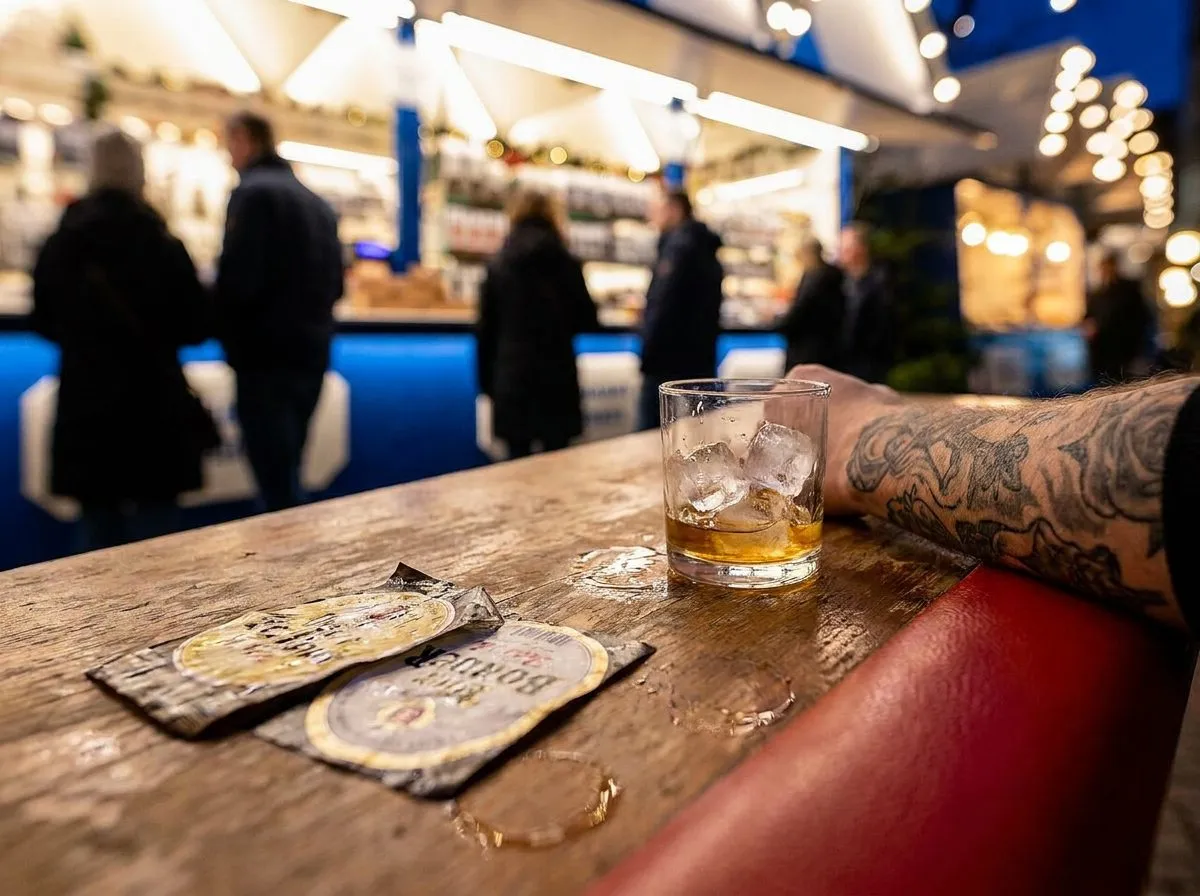
The dive bar democracy is real here. It doesn't matter if you work at a Michelin-starred tasting menu spot or a corner bistro where the special is always chicken parm. Everyone's tired, everyone's thirsty, and everyone understands the specific exhaustion of performing hospitality for strangers. Johnny's offers something rare: a place where the people who serve others all day finally get served, no questions asked, no performance required.
Jukebox volume as signal
The jukebox is the room's thermostat, and the bartender controls it with intention. Before midnight, it hums at conversational volume—Springsteen, Dolly, the Replacements, whatever. After midnight, the volume increases noticeably, controlled by the bartender in a move that regulars say signals the transition from 'front room hours' to 'back room hours' and the arrival of the service industry crowd. It's not loud enough to kill conversation, but it's loud enough to make you lean in, to create a bubble of semi-privacy even in a crowded booth.
The selection skews classic: seventies rock, eighties punk, nineties hip-hop, a surprising amount of Motown. No one's playing ironic yacht rock or trying to make a statement. The jukebox is utilitarian, a soundtrack for drinking and decompressing. When a particularly good song comes on—Fleetwood Mac, say, or the Clash—someone in the back will raise a glass in acknowledgment, and for a moment the whole room is aligned.
The corner booth advantage
The corner booth is the best seat in the back room, and not just because of the unspoken reservation system for larger groups. It offers privacy while staying connected to the room's energy—you can see the door, the bar, the jukebox, and the other booths without being directly in the flow of traffic to the bathroom or the bar. You're nestled into the architecture, buffered by the walls on two sides, but still part of the scene. It's where the kitchen crews tend to land, spreading out with the ease of people who know they belong.
Why it works
Johnny's works because it doesn't try to be anything other than what it is: a dive bar with good bones and a back room that knows its purpose. There's no craft cocktail menu, no small plates, no attempt to gentrify the experience into something Instagrammable. The red vinyl booths are red vinyl booths. The beer is cold. The jukebox plays. The bartender pours with the economy of someone who's done this ten thousand times. In a neighborhood where rents push out anything without a venture capital cushion, Johnny's survives by serving a specific clientele with specific needs: a place to sit down, drink, and remember that you're not alone in this industry.
The back room fills because it offers something increasingly rare in the city—a space that doesn't demand anything of you beyond showing up and being human. For people who spend their nights making sure everyone else has a good time, that's not a small thing. It's everything.
Practical notes
Johnny's Bar is in the West Village; verify the exact Greenwich Avenue address before publication the nearest subway stop is Christopher Street–Sheridan Square, served by the 1 train and the PATH at nearby Christopher Street Street parking in the neighborhood is challenging; consider walking from another part of the Village. Verify current hours directly before making the trip The bar is cash-friendly; bring bills. Accessibility is limited due to the older building layout. Verify current hours directly before making the trip, as dive bar schedules can shift seasonally. Dress code is nonexistent; come as you are, preferably after your own shift ends.
Tags: #PullUpAChair #JohnnysBar #WestVillage #NYC #DiveBar #ServiceIndustry #LateNight #GreenwichAvenue #BackRoomBooths #BarCulture #Winter2026 #CityLife #AfterHours #NewYorkNights #KarposFinds
Please drink responsibly. Must be of legal drinking age.
Sources consulted: Greenwich Village · Dive bar · NYC West Village · MTA subway map · Time Out New York Bars
All trademarks are the property of their respective owners.