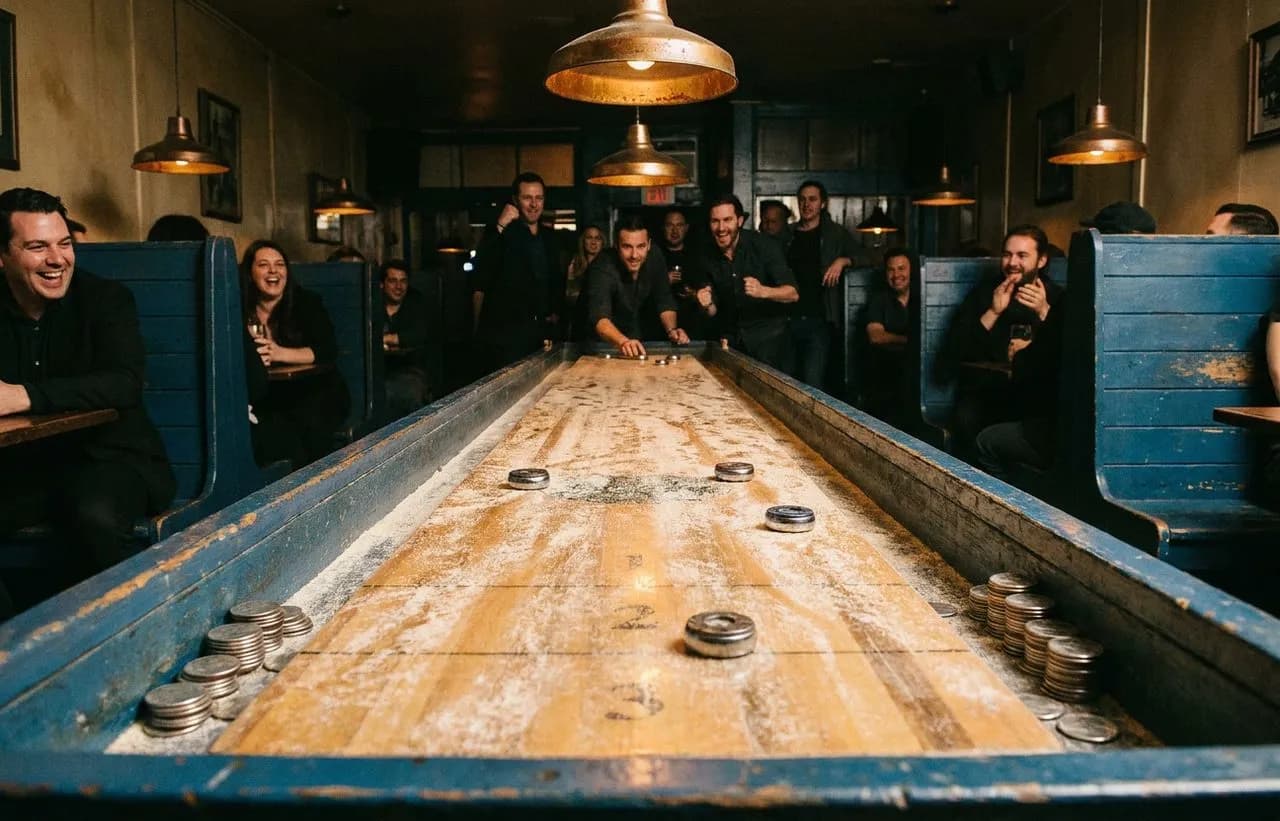
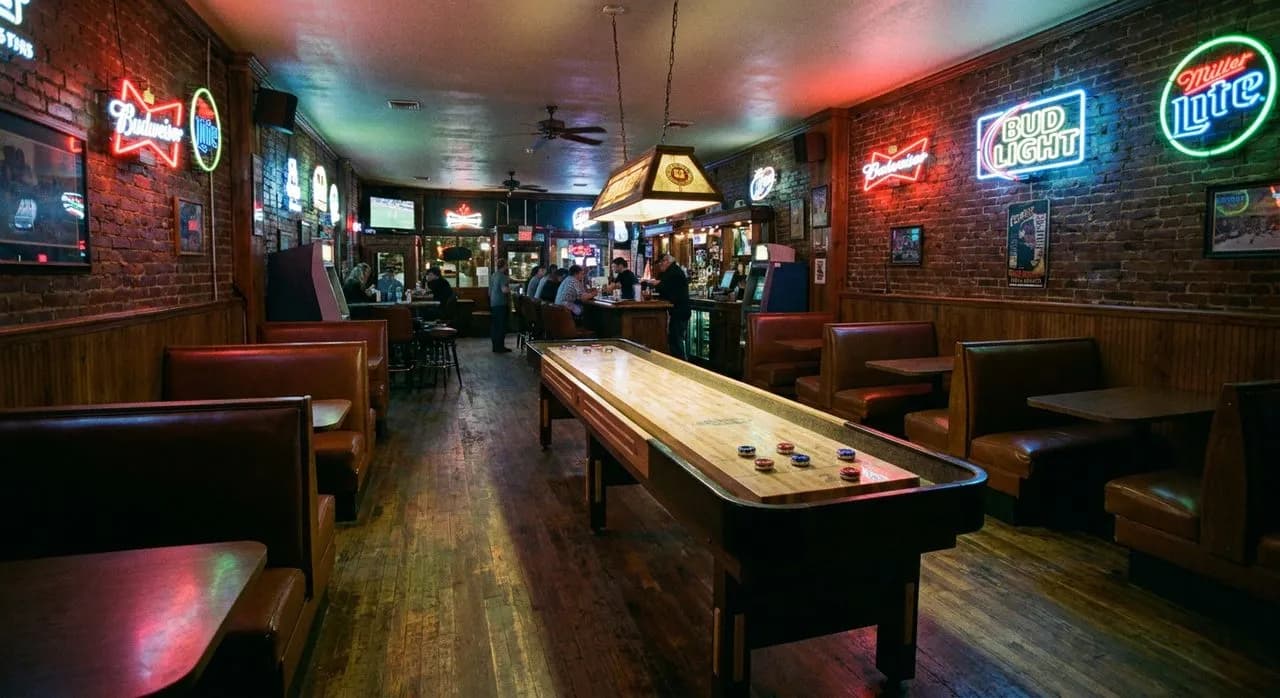
The door at Grassroots Tavern swings open onto a narrow room organized around a single principle: everything defers to the shuffleboard table. The long wooden lane stretches nearly wall to wall, its polished surface catching the amber light from fixtures overhead, and the booths that line both sides exist in relationship to it—some offering sightlines that take in the full arc of a game, others positioned for conversation that can ignore the puck sliding past. This is not a bar that pretends to be anything other than what it is: a place where shuffleboard dictates the rhythm, well drinks arrive strong, and booth selection matters more than most patrons realize on their first visit.
The geography of booth seating
Grassroots operates on a simple floor plan. The shuffleboard table occupies the center spine of the room, leaving narrow aisles on either side, and red vinyl booths press against the north and south walls in parallel rows. The configuration means every seat faces either the table or the opposite wall, and the quality of your evening depends significantly on which booth you claim. Some offer panoramic views of the game in progress. Others cocoon you in acoustic privacy but at the cost of missing half the action.
The booth three down from the front door on the north wall offers the best full-table view—a sightline that captures both ends of the shuffleboard lane and the entirety of play between them. Sit there and you can track a puck from release to scoring zone without turning your head, can read the body language of players weighing their next move, can see the quarters stacking up before the next team even approaches. The booths at the back have better acoustic separation, walls that dampen the bar noise into something approaching privacy, but they miss half the shuffleboard action. You choose between spectacle and intimacy. Most nights, the front booth gets claimed early.
Shuffleboard protocol and the quarter system
If you've never played tavern shuffleboard, the etiquette reveals itself quickly through observation. Players stand at opposite ends of the long table, sliding weighted pucks toward scoring zones demarcated by lines in the wood. Games unfold in a rhythm of concentration and release, the puck gliding across waxed surface with a whisper of friction, sometimes knocking an opponent's piece off the board entirely, sometimes settling into a high-value zone with the satisfaction of a well-placed bet.
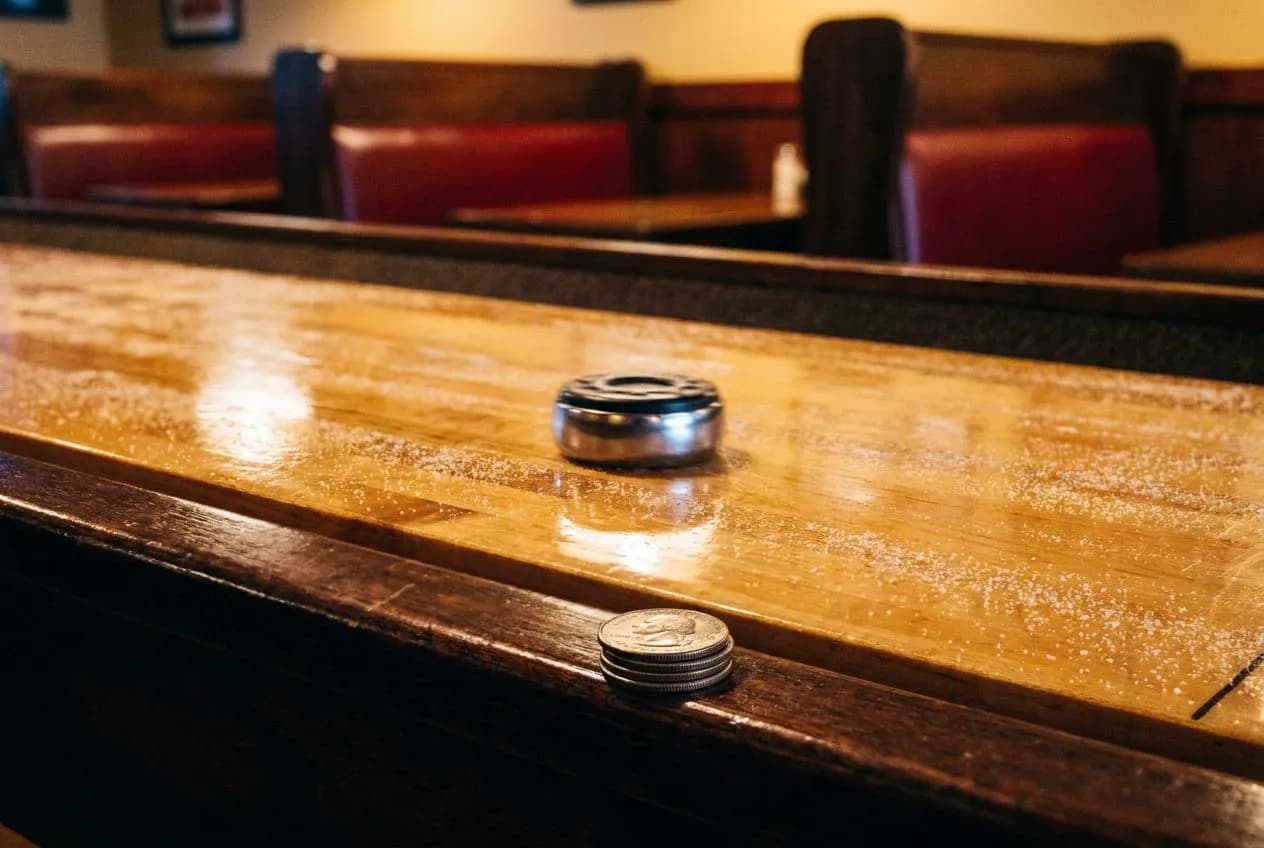
The queue system operates on currency. Quarters are stacked on the rail at either end of the table to claim next game—a single quarter means a solo player looking for an opponent, two quarters means a team waiting. The protocol is both transparent and binding. You add your coins to the lineup, you wait your turn, and when the current game concludes, you step up without negotiation. On weekends the rail can accumulate a small skyline of quarters, each stack representing fifteen or twenty minutes of anticipation. The system works because everyone honors it.
From the right booth, you can watch this economy in action. Players approach the rail between rounds, add their stake, return to their seats to wait. The quarters catch the light, small towers of intention. It's a visible queue in a culture that usually hides its waiting, and there's something oddly satisfying about seeing exactly where you stand in line.
Well drinks and the unmeasured pour
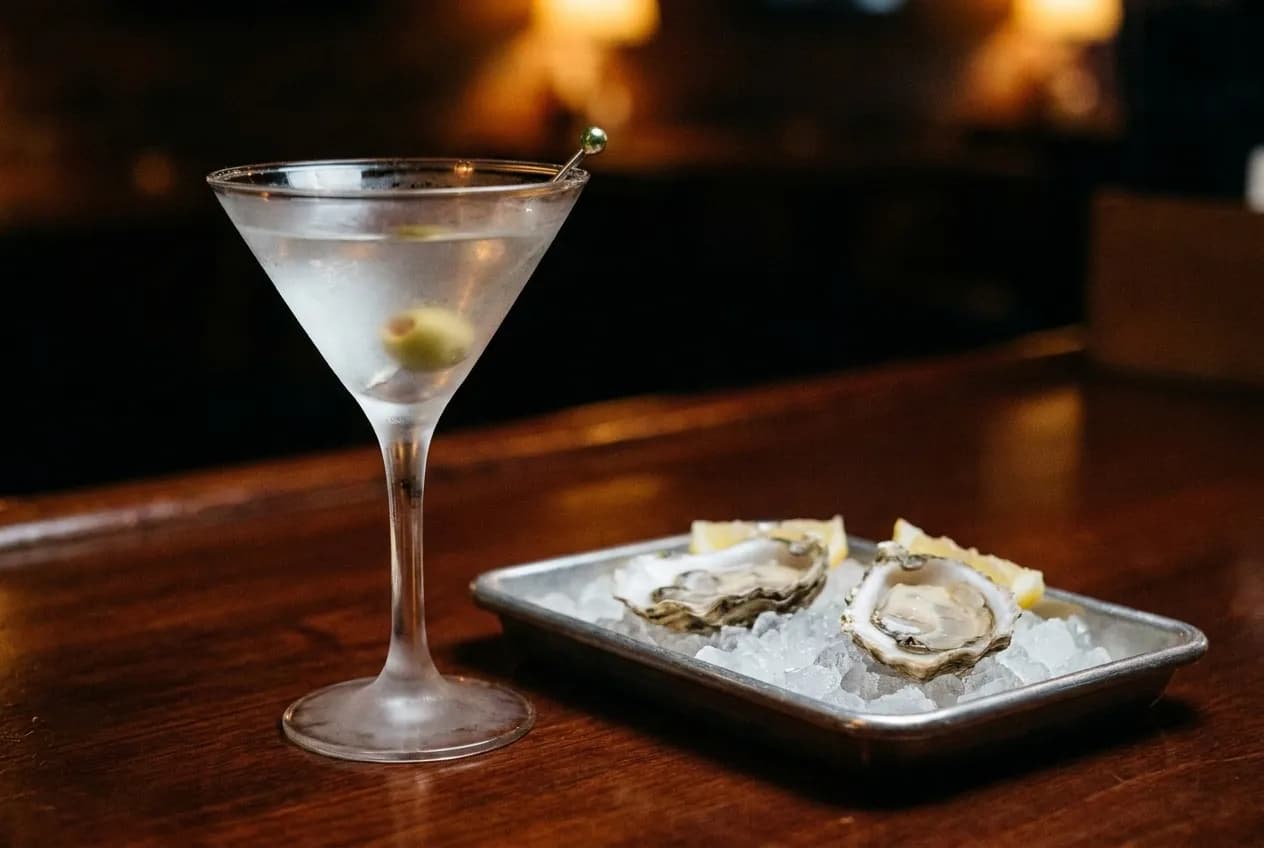
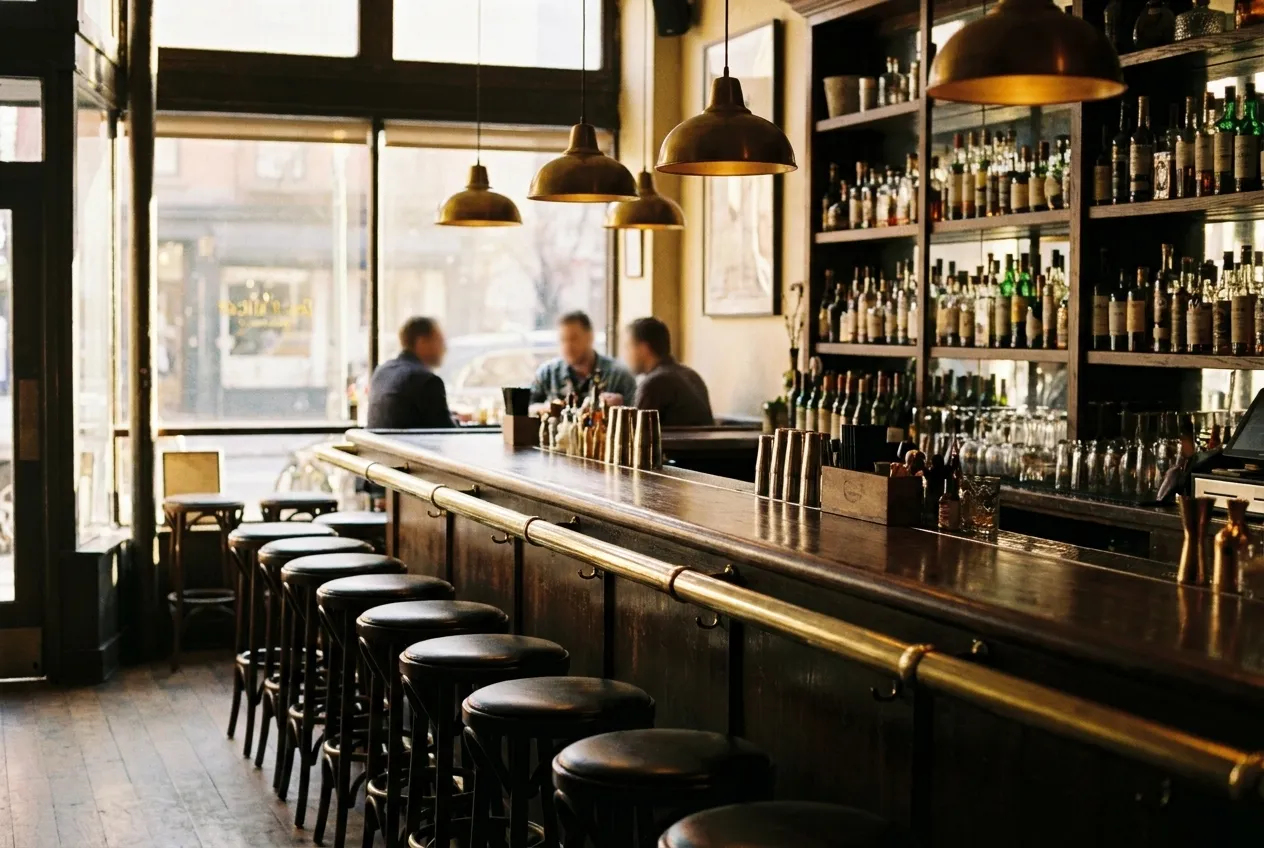
The bar at Grassroots does not traffic in craft cocktails or small-batch spirits. The well is stocked with standard-issue vodka, gin, rum, whiskey—the workhorses that power a dive bar through long nights and weekend plans that stretch past last call. Well drinks are six to seven dollars and poured without jiggers, the bartender's hand moving in a fluid arc that suggests muscle memory rather than measurement. The result is a drink that runs stronger than you'd find at establishments where liability and profit margins demand precision.
Requesting a light pour is respected but uncommon. The bartender will comply without judgment if you ask, but the default is approximately two and a half ounces per drink—a generous margin over the standard pour that makes the seven-dollar price point feel less like economy and more like fair trade. You taste the difference. The gin and tonic arrives with enough gin to announce itself. The rum and Coke skews noticeably away from soda. If you're settling in for the evening, pacing matters.
Sound and light in the late hours
As fall 2026 deepens and the nights stretch longer, Grassroots takes on the burnished quality of a room that's found its groove. The lighting remains dim but warm, the kind of illumination that flatters without trying, that makes faces across the booth look a little softer and a little more interesting than they might under fluorescent scrutiny. The jukebox rotates through selections that span decades—rock, punk, old country—and the volume sits just below the threshold where conversation becomes a shout.
The acoustic texture shifts depending on where you sit. Up front, near the door and the bar, every sound mingles: the clack of pucks on wood, the scrape of quarters on metal rail, fragments of laughter and argument from adjacent booths, the hiss of soda guns behind the bar. In the back booths, the noise softens into a generalized hum, voices separating out into intelligible threads. You can have an actual conversation back there, the kind where you hear nuance and tone, where you're not repeating yourself every third sentence.
Why the booth matters
At most bars, seating is incidental. You grab whatever's open, and the evening unfolds regardless. At Grassroots, the booth you choose shapes the experience in tangible ways. Sit in the prime sightline and you're attending the shuffleboard theater, watching skill and luck play out in real time, becoming fluent in the unspoken language of who's good and who's learning and who's had one drink too many to manage a straight release. You might get pulled into a game yourself. You might just lean back with your unmeasured bourbon and appreciate the choreography.
Sit in the back and you're opting out of the central narrative. You're there for the cheap drinks and the vinyl booth and the company across the table, and the shuffleboard becomes background texture rather than main event. Both modes are valid. Both have their nights. The trick is knowing which one you want before you walk in, because once the room fills, you don't get a second chance to relocate.
Practical notes
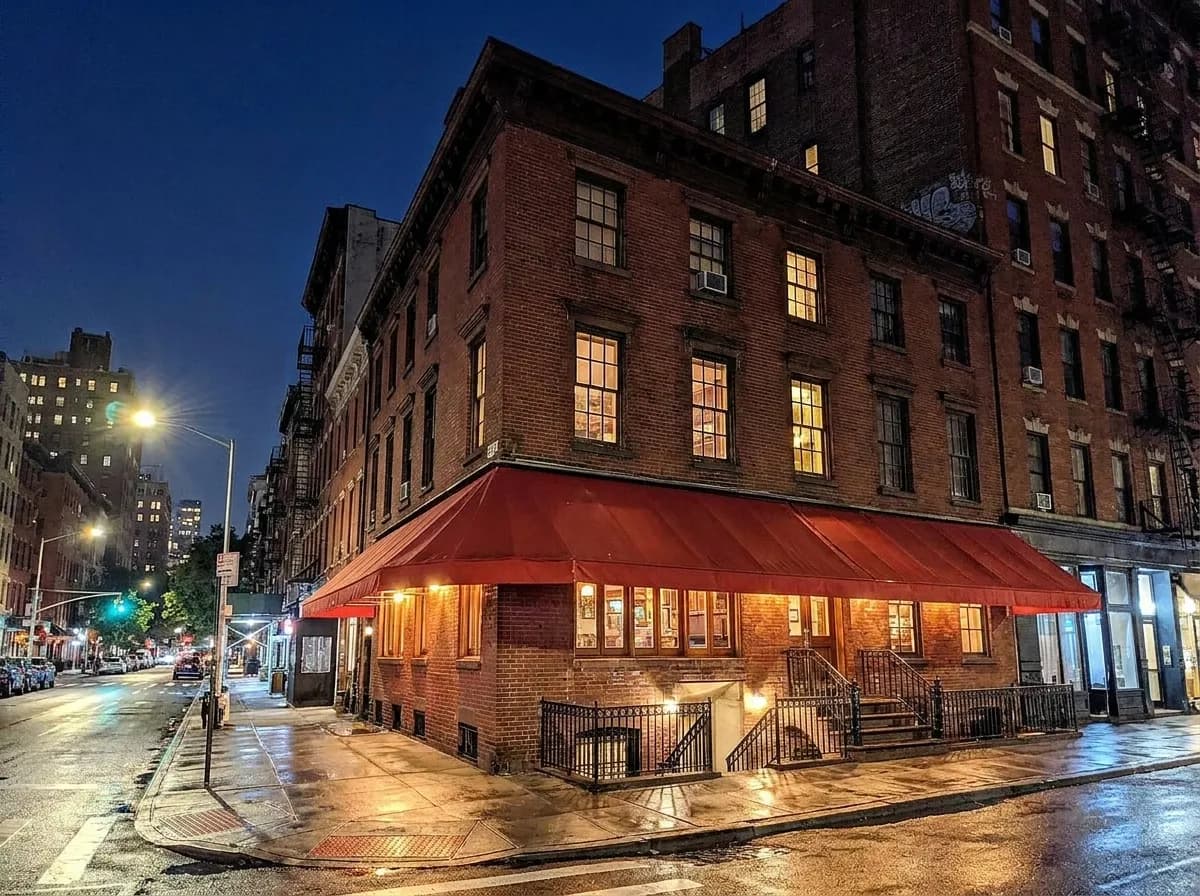
Grassroots Tavern is located in the East Village. Transit and parking details should be verified before publication. Hours vary, so verify directly before planning a visit. Accessibility should be verified directly with the venue before publication. Bring cash for drinks and quarters for shuffleboard; cards are accepted at the bar but cash moves faster. Seating is first-come, and the front booths fill quickly on Friday and Saturday nights.
Tags: #PullUpAChair #GrassrootsTavern #EastVillageBars #ShuffleboardNYC #DiveBarChronicles #NYCNightlife #StMarksPlace #BoothSeating #WellDrinks #NeighborhoodBars #Fall2026 #WeekendPlansNYC #ClassicBars #VinylBooths #QuartersOnTheRail
Please drink responsibly. Must be of legal drinking age.
Sources consulted: Shuffleboard · East Village, Manhattan · Official NYC Tourism - East Village · The Village Voice
All trademarks are the property of their respective owners.