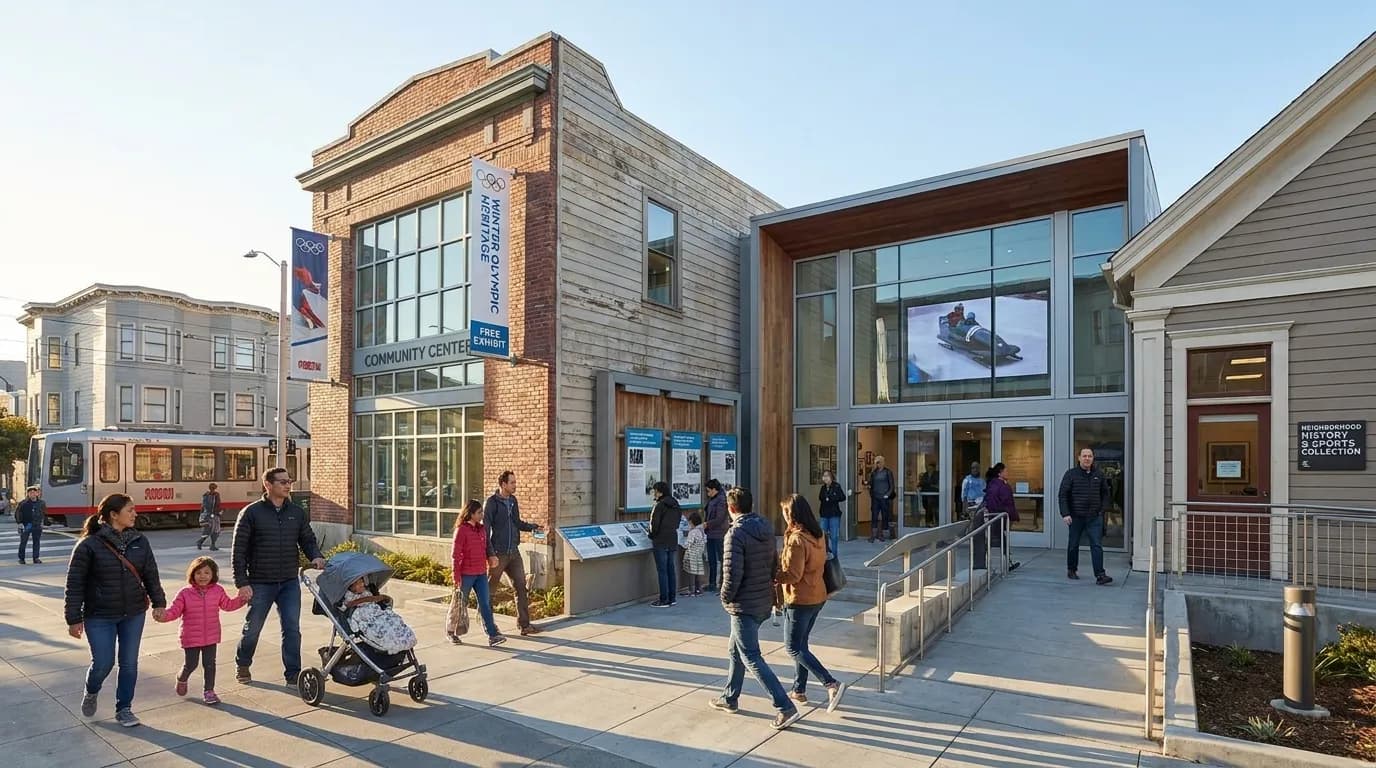
San Francisco may not see snowfall, but the city's museums and community centers maintain a surprising connection to winter Olympic sports history, including bobsled, luge, and skeleton racing. Across several neighborhoods, free public exhibits and archival collections document the evolution of these gravity-powered sports, the engineering behind sled design, and the stories of athletes who have represented Team USA at the Winter Games. The California Academy of Sciences occasionally features physics and motion exhibits that touch on the science of speed and ice, while city recreation centers host rotating displays of Olympic memorabilia and video archives. For visitors interested in bobsled specifically, these venues offer a cost-free way to explore the sport's technical demands, its place in Olympic tradition, and the biomechanics that separate a winning run from a crash. The experience works equally well for solo learners seeking a quiet afternoon of discovery and for families with children curious about how sleds reach speeds exceeding eighty miles per hour on ice.
Planning a route that connects multiple venues—and knowing which exhibits are currently on view—takes local insight. Karpo helps you design a personalized itinerary based on your starting neighborhood, your schedule, whether you're traveling solo or with children, and your balance of interest between Olympic history and hands-on science. Text Karpo to receive a custom plan that includes Muni directions, backup options if a venue is closed for installation, and suggestions for nearby parks or playgrounds to round out your day.
What to Expect: Exhibits, Archives, and Occasional Talks
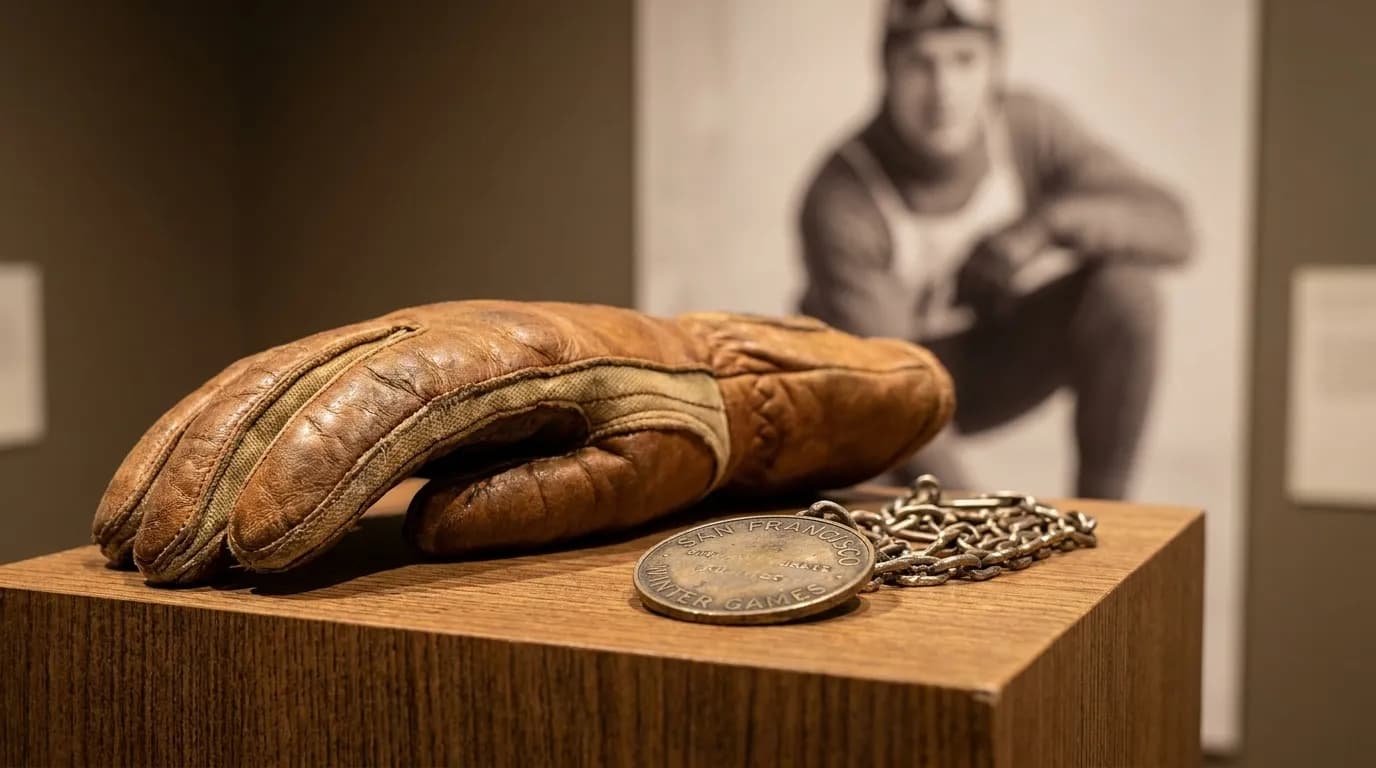
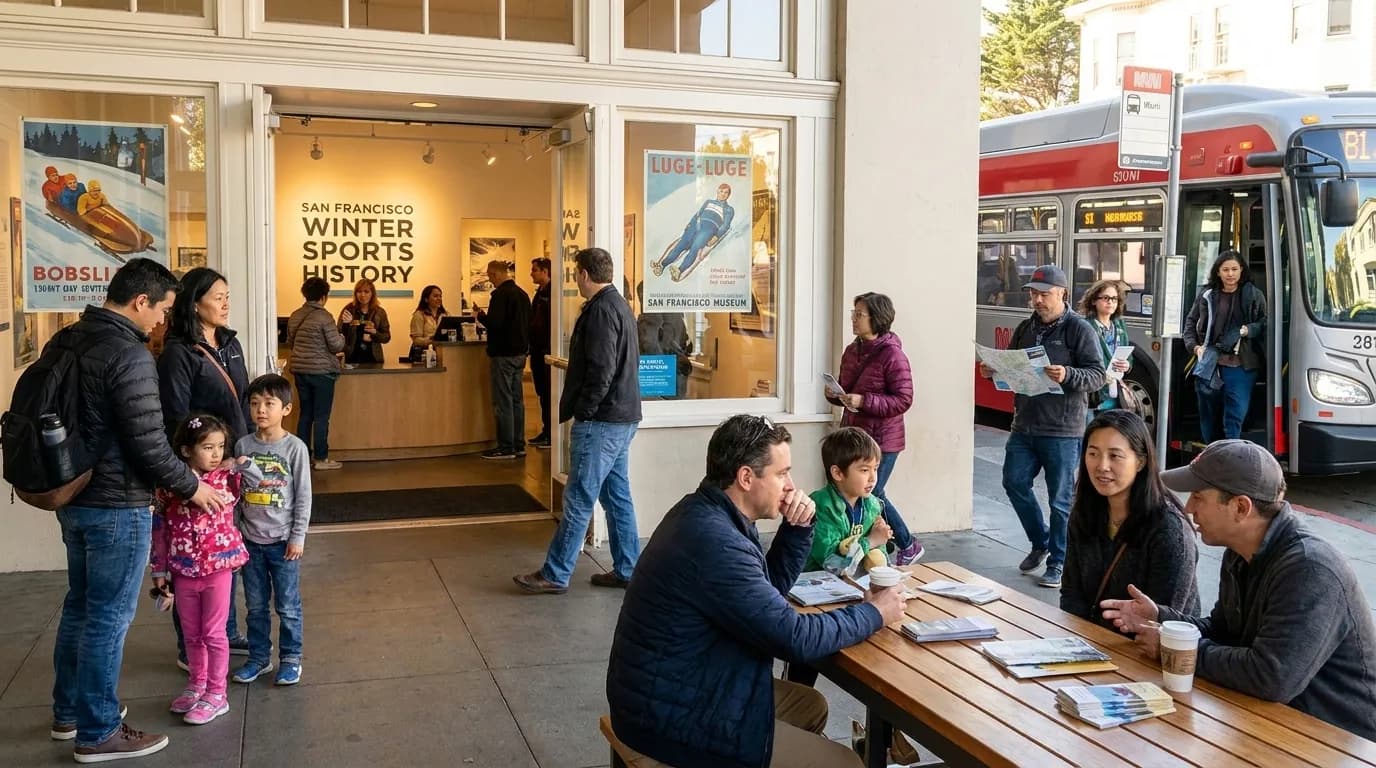
Free winter sports programming in San Francisco typically includes static exhibits with photographs, equipment displays, and interpretive panels explaining the rules and history of bobsled, luge, and skeleton. Some community centers maintain video archives where visitors can watch historic Olympic runs, including memorable Team USA performances. Occasionally, local organizations coordinate athlete talks or Q&A sessions, though these are not scheduled regularly and depend on availability. The California Academy of Sciences, while primarily a natural history and science museum, periodically incorporates physics demonstrations related to motion, friction, and velocity—concepts directly applicable to understanding how bobsleds navigate icy tracks. Visitors should not expect dedicated winter sports museums in the traditional sense, but rather a patchwork of free resources that together offer a substantive introduction to the sport and its Olympic context.
Best Times and Practical Timing
Weekday afternoons and weekend mornings tend to be the most relaxed times to visit, with fewer school groups and a quieter, more contemplative atmosphere conducive to reading exhibit text and watching archival footage. Community centers often see peak traffic in late afternoons when after-school programs begin, so arriving before 2 p.m. on weekdays is advisable. Weekend mornings, particularly Saturday between 10 a.m. and noon, offer a calm window before family crowds arrive. Allow two to three hours to visit two venues comfortably, including transit time between stops. If you plan to include the California Academy of Sciences, confirm in advance whether any relevant temporary exhibits are on display, as the museum's programming rotates and not all periods will feature winter sports or motion science content.
Getting There: Muni Routes and Accessibility
San Francisco's Muni system connects all major museum and recreation center locations, making this route fully accessible without a car. The California Academy of Sciences in Golden Gate Park is served by the N Judah line and several bus routes, including the 5 Fulton and 44 O'Shaughnessy. Community centers in neighborhoods such as the Mission, Richmond, and Sunset districts are reachable via bus lines that run frequently throughout the day. All Muni vehicles are equipped with wheelchair lifts or ramps, and museum venues comply with ADA accessibility standards, including elevator access and accessible restrooms. If mobility is a concern, prioritize venues on a single Muni line to minimize transfers. Real-time Muni arrival information is available through the agency's mobile app, helping you plan connections and avoid long waits.
Who This Route Fits: Solo Learners and Families
This itinerary suits solo visitors with a curiosity about Olympic sports, engineering, or athletic achievement, as well as families with children old enough to engage with exhibit text and video content—typically ages seven and up. Younger children may enjoy the visual elements and the novelty of seeing sleds and helmets, but the experience is more educational than interactive. Parents traveling with toddlers should consider pairing museum stops with nearby playgrounds; Golden Gate Park, for example, offers multiple play areas within walking distance of the Academy of Sciences. Solo travelers will appreciate the unhurried pace and the opportunity to linger over archival footage or detailed engineering diagrams without the pressure of keeping a group entertained. For families, the zero-cost model makes this an appealing option for budget-conscious outings that still deliver educational value.
Budget and Cost Considerations
This route is designed to be entirely free. Community center exhibits and video archives are open to the public at no charge, and while the California Academy of Sciences typically charges general admission, it offers free admission days throughout the year—check the museum's official calendar in advance. Muni fares apply unless you hold a valid transfer or day pass; a single adult fare is modest, and children under five ride free. Bringing your own snacks and water further reduces costs, though Golden Gate Park and other neighborhoods have affordable food options nearby if you prefer to purchase a meal. The absence of ticket costs, parking fees, or mandatory guided tours makes this one of San Francisco's most accessible cultural experiences for visitors on any budget.
Uncertainty, Closures, and Backup Plans
Exhibits rotate, community centers occasionally close for maintenance or private events, and athlete talks are not guaranteed on any given day. Before heading out, confirm hours and current programming by calling ahead or checking official city recreation department listings online. If your primary venue is closed, having two or three alternate locations in mind ensures the winter sports theme continues. The San Francisco Public Library's main branch, for example, maintains a sports history collection that includes Olympic materials, and park visitor centers sometimes display rotating exhibits on local athletic history. Flexibility is key: treat this route as a framework rather than a fixed schedule, and be prepared to adjust based on real-time conditions. The educational value remains high even if you visit only one or two venues, as the archival and interpretive materials are substantive enough to fill an afternoon.
Combining with Parks and Playgrounds
Golden Gate Park is the most obvious pairing, offering expansive lawns, multiple playgrounds, and the Koret Children's Quarter near the Academy of Sciences. Families can split the day between museum exhibits and outdoor play, giving children a chance to burn energy between educational stops. In the Mission District, Dolores Park provides a sunny, family-friendly environment with playground equipment and open space for picnics. The Richmond and Sunset neighborhoods also feature smaller neighborhood parks within walking distance of recreation centers. For solo visitors, these green spaces offer a quiet spot to reflect on what you've learned or simply enjoy San Francisco's microclimates and urban landscapes. Pairing indoor learning with outdoor relaxation creates a balanced, full-day experience that accommodates different energy levels and interests.
Tags: bobsled, San Francisco, free things to do, winter sports, Olympic history, museum exhibits, family activities, Muni accessible, California Academy of Sciences, community centers, archival video, athlete talks, educational outings, budget travel, Golden Gate Park
Sources consulted: teamusa.org · calacademy.org · sf.gov
All trademarks are the property of their respective owners.
Ask Karpo first
Tell Karpo which San Francisco neighborhood you're starting from, your preferred visit day and time, whether you're going solo or with family (and ages of children), your interest level in Olympic history versus hands-on science exhibits, and if you want to combine this with a park or playground stop.