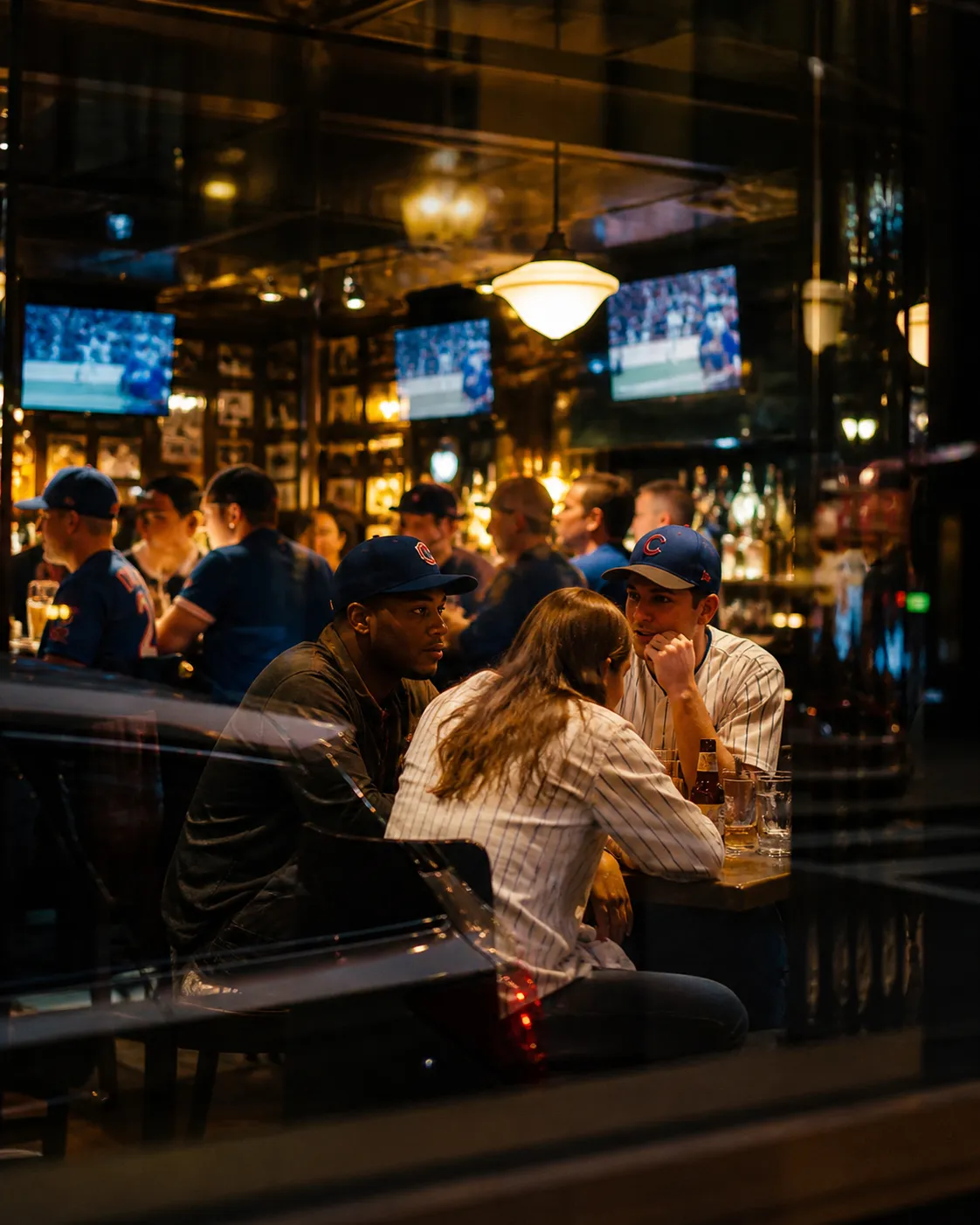
For office friends trying to catch blue jays vs cubs after work, Midtown is less about finding one perfect bar and more about choosing the right pocket before the weekday rush hardens. The practical tradeoff is screen density versus tourist pressure: the more obvious blocks usually offer more places to look, but also more bodies at doors, sidewalks, and subway stairs. A good plan starts with first pitch, audio expectations, and the nearest train exit, then keeps a second nearby option in reserve. This guide compares five Midtown viewing zones by energy, friction, and fit, without assuming any venue has the game, sound, seats, or a specific deal. Check the game time, confirm the bar's TV setup directly, review MTA service alerts, and use NYC restaurant lookup tools if food confidence matters to the group.
Give Karpo your Midtown office cross streets, team side, group size, and arrival cutoff to choose a practical Blue Jays vs Cubs watch pocket.

West Midtown For Maximum Screen Density
West Midtown is the easiest first instinct when the group wants spontaneous energy and does not want to over-plan. The office-to-bar walk can feel simple because the area is built for after-work movement, commuter spillover, and quick decisions. That same advantage is also the drawback: obvious sports-friendly rooms can fill with people who made the same calculation. For blue jays vs cubs, this pocket fits a group that values quick visual confirmation over atmosphere control. Walk in, scan for baseball on multiple screens, ask about audio before ordering, and keep the group small enough to move if the first choice is too loud, too packed, or showing another event.
The best West Midtown tactic is to treat the first venue as a test, not a commitment. Before leaving the office, pick a primary block and a secondary block that are close enough to walk without restarting the night. Have one person check first pitch and one person check the MTA site for schedules, maps, planned service changes, real-time alerts, and elevator or escalator status if anyone needs that information. If the game is already on when you arrive, decide within five minutes whether the sightlines and sound work. This pocket rewards fast calls; lingering at the door usually costs the group better seats somewhere else.

Central Midtown For Mixed-Group Convenience
Central Midtown works when the group is coming from different offices and nobody wants to argue about the meeting point. It is the compromise zone: easier to describe, easy to reach, and usually surrounded by enough venue types that the plan can bend. The risk is sameness. Some places may feel built for passing traffic rather than committed baseball viewing, and a weekday early evening can bring private events, happy-hour crowds, or tourists looking for a quick stop. For an office-friend group, the question is not whether the neighborhood has options; it is whether those options will let the game be the center of the table.
Use Central Midtown when convenience is the product. Confirm the bar audio by phone or direct message, because screens without sound can turn the outing into background noise. If the group includes casual fans, this zone may be better than a louder sports-first pocket because people can talk between innings without feeling trapped. If everyone is locked into every pitch, set a stricter standard: clear view from most seats, no competing headline event, and staff confirmation that baseball will stay on. Keep the plan easy by choosing subway exits in advance and checking MTA alerts shortly before departure, especially if people are joining from multiple lines.
East Midtown For Lower-Friction Conversation
East Midtown is better for groups that want the game, but also want to decompress from work. The pace can feel more controlled than the most crowded west-side corridors, and that can matter when coworkers are deciding whether this is a quick drink, a full game, or a one-hour reset before heading home. The tradeoff is that the most convenient room may not be the most baseball-forward room. For blue jays vs cubs, East Midtown fits fans who care about a comfortable table and predictable conversation as much as a wall of screens. It is less ideal for people who need a high-volume crowd reaction on every big inning.
The planning move here is to verify, then arrive early enough to claim the right sightline. Ask whether the venue expects to show the game, whether sound is possible, and whether any other event could take priority. Do not assume a quieter-looking place will be easier; some rooms have fewer screens, tighter bar seating, or a TV angle that only works from one side. If dinner is part of the plan, use NYC's ABCEats restaurant search as a confidence check before choosing where to eat. This pocket is strongest when the group wants baseball to anchor the evening without letting the neighborhood energy make every decision for them.
South Midtown For A Cleaner Exit Plan
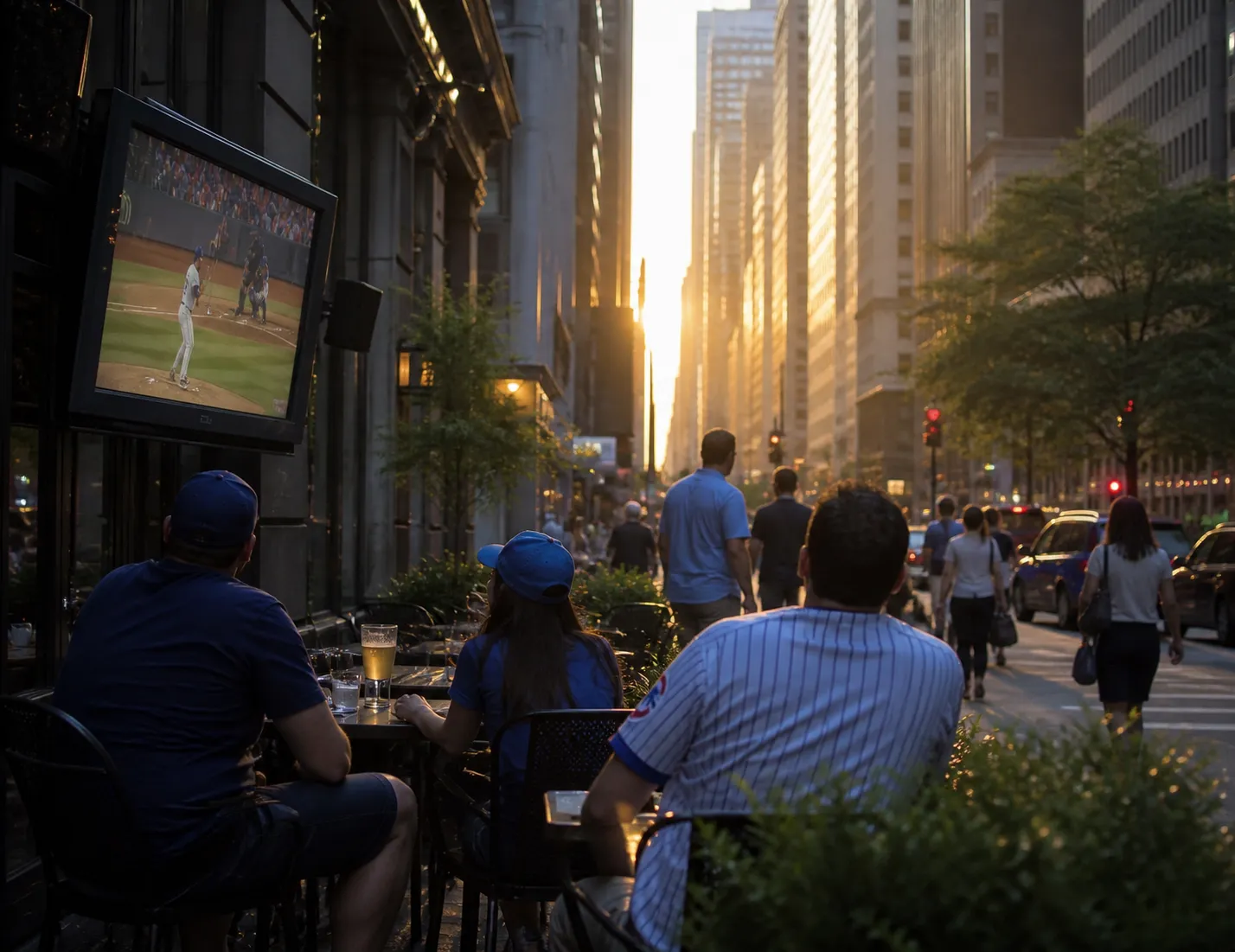
South Midtown is useful when the group cares about the end of the night as much as the first inning. After-work watch plans often fail because leaving becomes harder than arriving: one person needs an uptown train, another needs a crosstown connection, and someone else wants to bail after three innings. A south-leaning Midtown pocket can make that easier if it shortens the walk to multiple onward routes. The viewing experience may be less dramatic than a louder sports corridor, but the practical value is high. This is the pocket for office friends who want an easy weekday plan that does not trap anyone after the seventh inning.
Build the route before choosing the room. Start with the likely departure directions, then use MTA schedules, maps, nearby stations and stops, real-time alerts, and planned service change information to narrow the meeting area. Once the transit logic is clear, look for a venue that passes the baseball checks: visible screens, confirmed channel or package, no promise of audio unless staff confirms it, and enough seating flexibility for late arrivals. This approach keeps the plan grounded. Instead of chasing the loudest room, the group chooses a pocket that protects the work-night constraint: watch enough of the game to feel social, then leave cleanly when people need to.
North Midtown For A Softer Crowd Edge
North Midtown can suit a group that wants some city energy without standing in the thickest tourist flow. It is not automatically quiet, and it should not be treated as a secret workaround, but the feel can be different from the most obvious entertainment blocks. The upside is a better chance of finding a room where the group can settle in and make the game part of a broader after-work hang. The downside is that baseball may need more confirmation. A venue that feels pleasant for conversation may still prioritize another broadcast, private crowd, or general bar ambience over a specific regular-season matchup.
This pocket is strongest for mixed-intensity fans: one person tracks every at-bat, two people follow the score, and the rest are there for the social charge of a spontaneous weekday plan. To make it work, set expectations before anyone travels. Confirm first pitch, ask directly about blue jays vs cubs, and decide whether silent screens are acceptable. If not, keep a backup within a short walk instead of sending the group across Midtown after arrival. Check MTA service alerts before moving, and review elevator or escalator status when access needs matter. The right north-side plan feels flexible, not vague: a clear first stop, a realistic backup, and an easy exit.
Tags: #NYCneighborhoodguides #Midtownafterwork #baseballviewing #officefriends #weekdayeveningplans
Sources consulted: Source 1: nycgovparks.org · Source 2: new.mta.info · Source 3: nypl.org · Source 4: a816-health.nyc.gov
All trademarks are the property of their respective owners.
Ask Karpo first
Ask Karpo to turn this NYC idea into a current plan for your date, budget, companion, transit preference, and energy level. Karpo can narrow the route and flag what to verify before you go.


