For those in New York City seeking a genuine escape into nature without contending with crowds, Blue Heron Park on Staten Island offers a compelling destination. This wetland refuge, nestled on the South Shore, is a mosaic of meadows, kettle ponds, freshwater streams, marshes, and woodlands. Unlike more conventional city parks, Blue Heron provides an immersive natural environment, inviting visitors to reset their perspective and experience a different facet of the five boroughs. It's a place for quiet observation and exploration, rewarding those willing to journey beyond Manhattan's immediate orbit for a truly tranquil experience.
Want a personalized itinerary for exploring Staten Island's natural wonders, including Blue Heron Park? Text Karpo for a curated plan.
Discovering Staten Island’s South Shore Gem
Blue Heron Park is situated on the South Shore of Staten Island, specifically within the Annadale area. Maintained by the New York City Department of Parks and Recreation, this extensive nature refuge is bounded broadly by Amboy Road, Barclay Avenue, Hylan Boulevard, and Bertram Avenue. Its designation as a nature preserve within the NYC Parks system underscores its ecological significance and commitment to conservation.
The park’s origins trace back to land acquisitions by the city between 1974 and 2001, culminating in its official dedication on October 22, 1996. This gradual expansion allowed for the preservation of its diverse ecosystems, which include not only the prominent wetlands but also critical woodlands and meadows, providing habitats for various wildlife species.
A Landscape of Ponds, Streams, and Trails
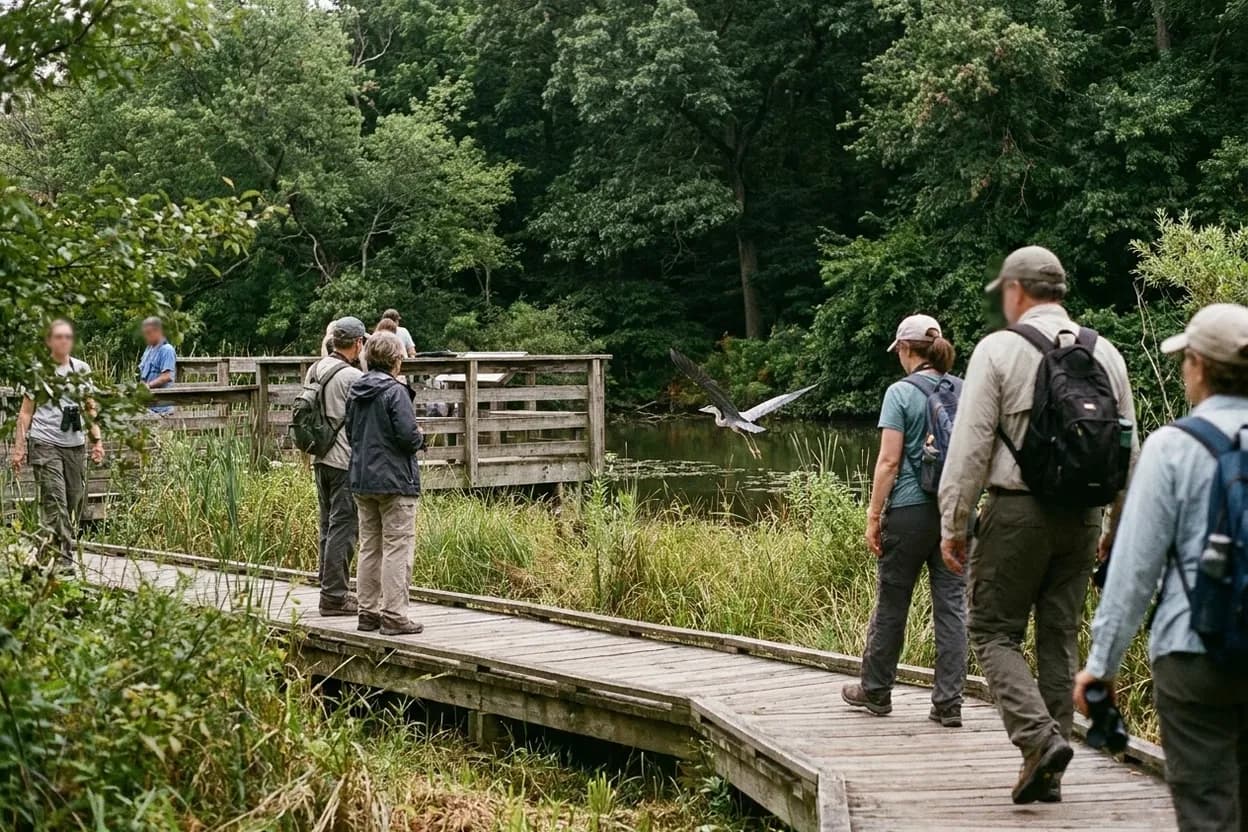
Blue Heron Park is characterized by its rich variety of natural features. Visitors can traverse trails that wind through meadows, past tranquil kettle ponds, and along freshwater streams. The park's marshlands contribute to its unique wetland ecosystem, offering a distinct environment compared to typical urban green spaces. This combination of habitats means that a visit is best approached as an extended exploration of diverse landscapes rather than a singular viewpoint.
A central element of the park experience is its visitors center, which also functions as a nature center. This facility serves as a practical starting point, likely providing access to maps and information. It is described as the gateway to three distinct trails that span different ecological zones within the preserve, ensuring that visitors can tailor their walk to their interests and available time.

Starting Your Exploration at the Nature Center
The nature center, reportedly completed in 2000, is more than just an informational hub; it functions as a ranger office featuring displays and classrooms, indicating an educational component to the park experience. For most visitors, this center will be the logical place to begin their Blue Heron Park adventure, offering guidance and context for the natural surroundings.
Upon starting from the nature center, visitors are likely to quickly encounter Spring Pond, identified as the closest body of water to this central facility. This immediate access to one of the park’s many ponds provides an early glimpse into the wetland environment that defines Blue Heron Park, setting the tone for further exploration along its trails.
Navigating Public Transit to This Secluded Spot
Accessing Blue Heron Park via public transit from the Staten Island Ferry is feasible, though it requires a multi-step journey. One recommended route involves taking the S78 bus along Hylan Boulevard to Poillon Avenue. From this stop, a walk of approximately one-fifth of a mile will lead visitors directly to the park entrance and the Nature Center, providing a clear path for those relying on public transportation.
Another public transit option for reaching the park is by utilizing the Staten Island Railway. The Eltingville Station is noted as an access point, offering an alternative for those preferring rail transport on the island. While specific walking directions from this station are not detailed in available information, it provides flexibility for visitors coming from different parts of Staten Island or points accessible by the railway.
An Opportunity for Quiet Observation and Reflection
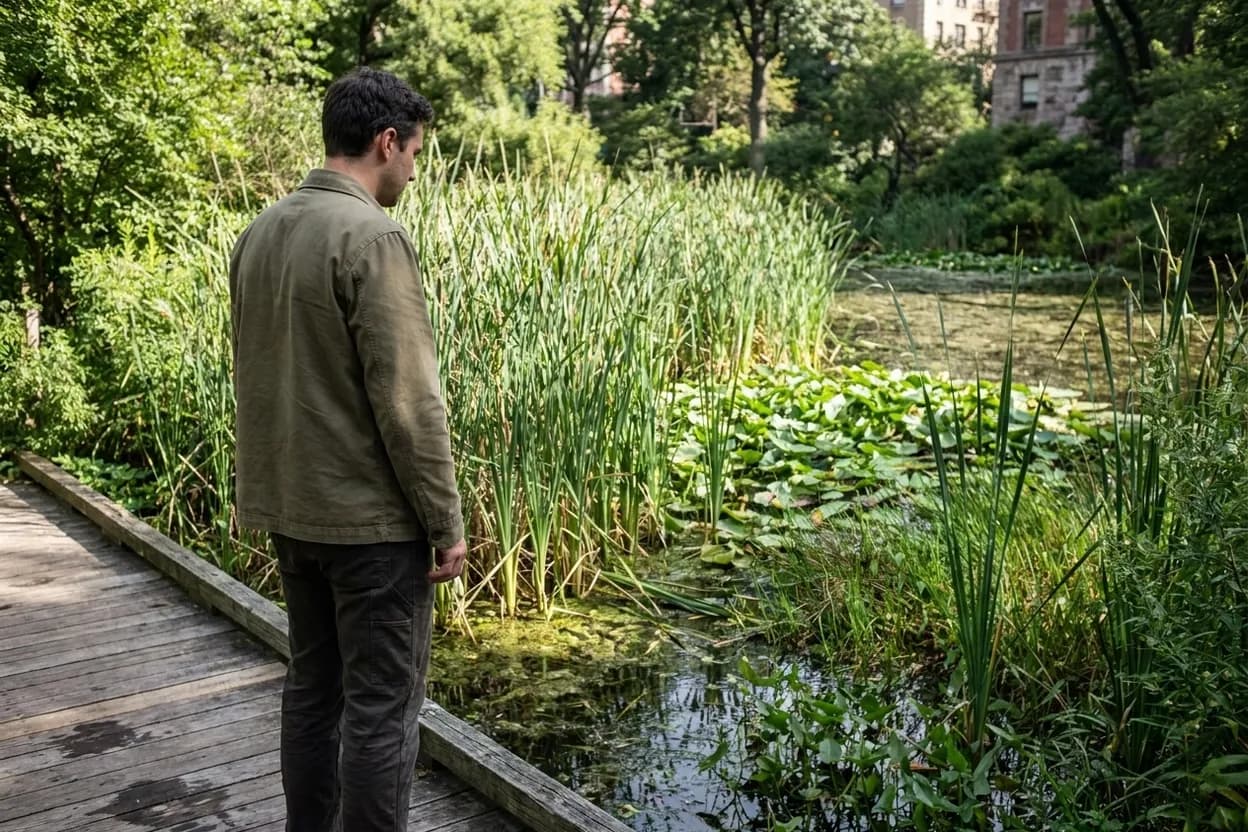
Blue Heron Park stands out as a destination for those seeking a quiet, unhurried encounter with nature. Its designation as a nature refuge and preserve means it prioritizes the protection of its ecosystems, offering a more pristine experience than heavily trafficked urban parks. The absence of widespread tourist crowds allows for genuine appreciation of the natural sounds and sights.
The park's diverse habitats—from open meadows to dense woodlands and various water features—create opportunities for observing local wildlife and plant species. This environment encourages visitors to slow down, engage with their surroundings, and find moments of reflection amidst the tranquility, making it ideal for nature photography, bird watching, or simply a peaceful walk.
Planning Your Visit: What to Expect
When planning a trip to Blue Heron Park, it's beneficial to envision a wetland and trail walk rather than a brief stop. The interconnectedness of its ponds, marshes, streams, meadows, and woodlands suggests that the most rewarding visits will involve exploring multiple areas. Allocating ample time for exploration will allow visitors to fully appreciate the park's ecological diversity and serene atmosphere.
Consider the season and weather conditions, as the park's wetland nature means trails can be affected by rain. Comfortable walking shoes are advisable for navigating the various terrains. While the park offers a distinct natural experience, visitors should manage expectations regarding amenities; the focus is on the environment itself, with the nature center serving as the primary facility.
Practical notes for a Smooth Experience
The official NYC Parks pages identify Blue Heron Park as a nature preserve, confirming its status and general location. However, specific daily opening and closing hours for the park or its nature center are not consistently provided in readily available official sources. Similarly, information regarding potential seasonal restrictions for trails or ponds is not explicitly detailed. Visitors should plan to verify current operating hours and any alerts directly on the NYC Parks website for Blue Heron Park or through any 'Friends of' groups if specific programs or guided walks are desired. This proactive check ensures the most up-to-date information before departure.
While public transit access points and routes to the Nature Center are confirmed, the available sources do not indicate any reservation requirements for park entry or for accessing the nature center. It is always prudent to check the official NYC Parks website for Blue Heron Park before your visit for the most current information regarding access, any special events, or temporary closures that might affect your plans. This verification step is crucial for a smooth and uninterrupted experience at this unique Staten Island refuge.
Tags: #BlueHeronPark #StatenIsland #NatureRefuge #NYC desconocida #Wetlands #Trails #NYC Parks #QuietEscape #ExploreNYC #OutdoorAdventures #NYCNature #Annadale #AskKarpo #BeforeYouGo
Sources consulted: Source 1: nycgovparks.org · Source 2: nyc.gov · Source 3: hiddenwatersblog.wordpress.com · Source 4: en.wikipedia.org · Source 5: yelp.com · Source 6: en.wikipedia.org
All trademarks are the property of their respective owners.
Ask Karpo first
Tell Karpo your date, group size, budget, and starting neighborhood. We’ll check current access, timing, transit, and the cleanest plan for Blue Heron Park before you head out.