The corner lot on a residential stretch of Bed-Stuy announces itself quietly—a wide storefront window, a hand-painted sign, the smell of cardamom drifting onto the sidewalk before the door even opens. Inside, the Black-owned bakery and coffee shop has claimed its block the way good neighborhood spots do: by showing up daily, by knowing names, by letting the afternoon stretch without rush.
A Room That Breathes at Its Own Pace
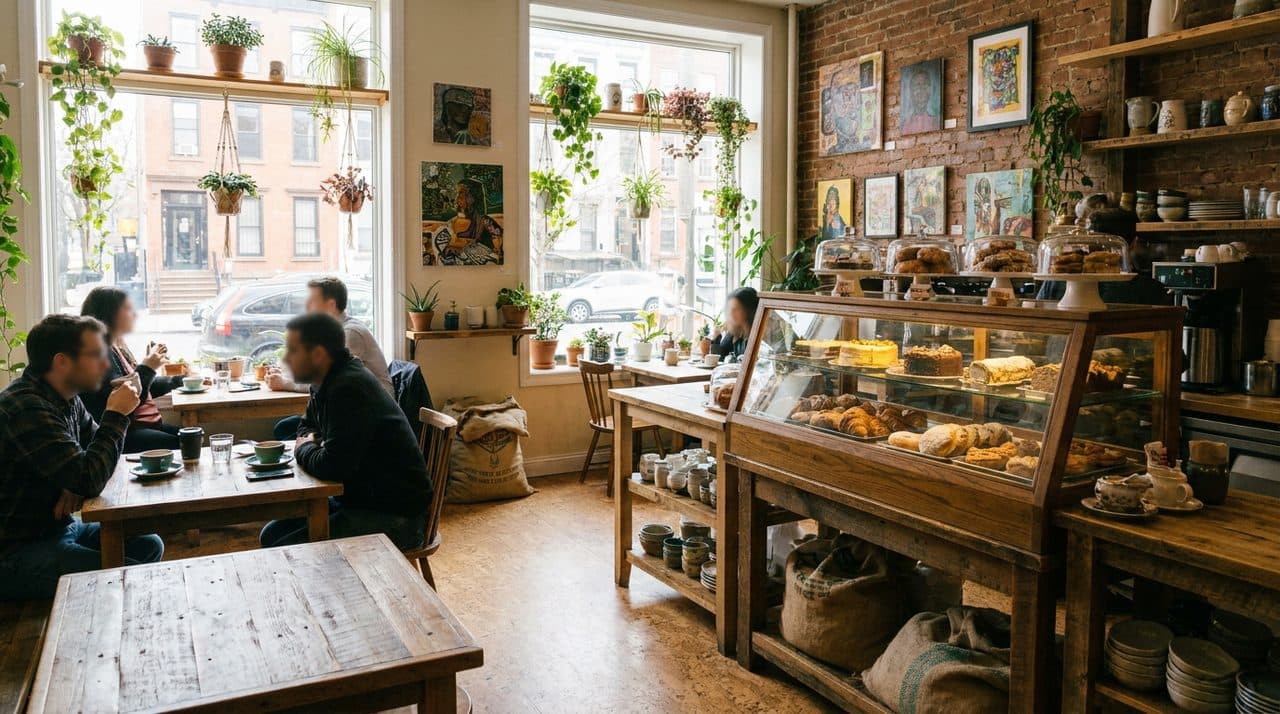
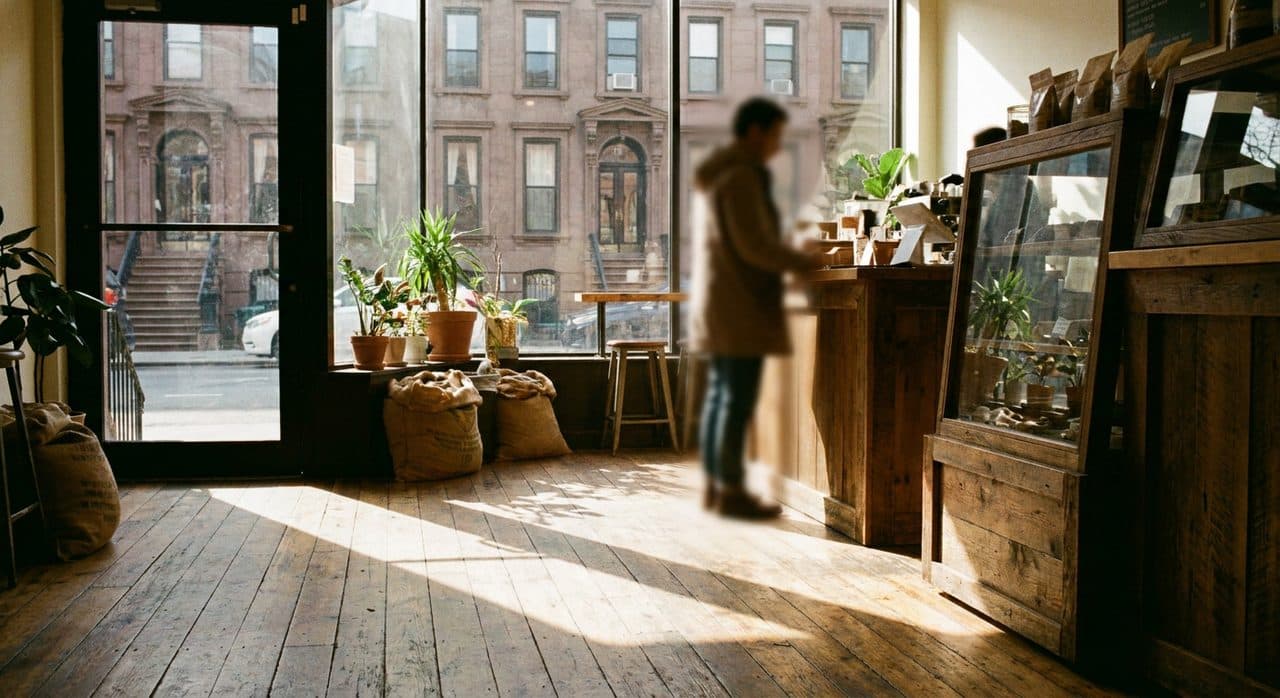
The space runs deeper than the frontage suggests. Reclaimed wood tables anchor the main room, their surfaces worn smooth and unbothered by laptop stickers or ring marks. Natural light floods in through those tall windows until mid-afternoon, when the sun shifts and the Edison bulbs overhead take over. Locally made ceramics line open shelving along the back wall—mugs, small bowls, a few decorative pieces that rotate as artists drop off new work. The aesthetic leans minimal without feeling sparse: cream walls, dark wood, greenery in terracotta pots that someone actually waters. A long communal table down the center encourages the kind of accidental conversation that happens when strangers reach for the same sugar caddy. Smaller two-tops hug the perimeter for those who prefer their own radius. The counter sits to the left as visitors enter, close enough to catch the barista's eye without crowding the workflow. Behind it, pastries rest under glass domes, each one labelled in neat handwriting on small chalkboard tags.
What Sits Behind the Glass
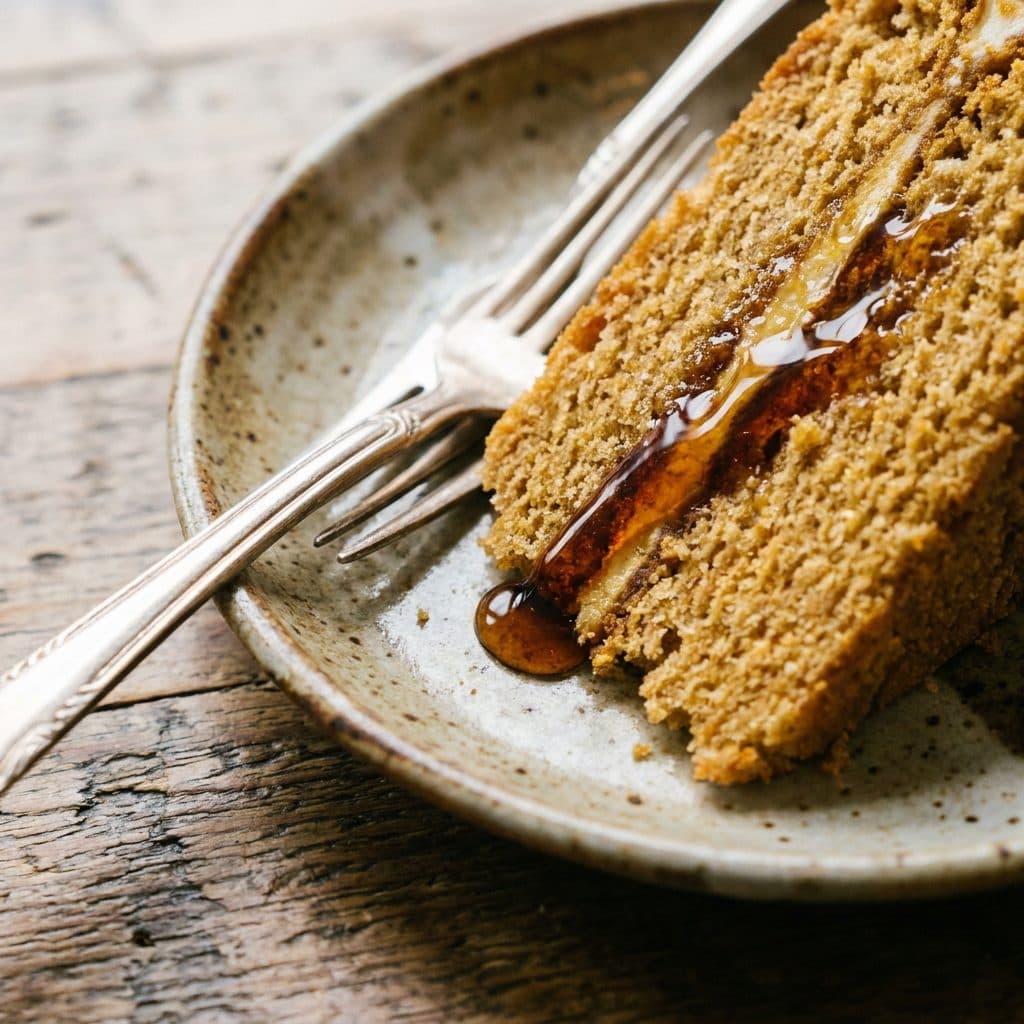
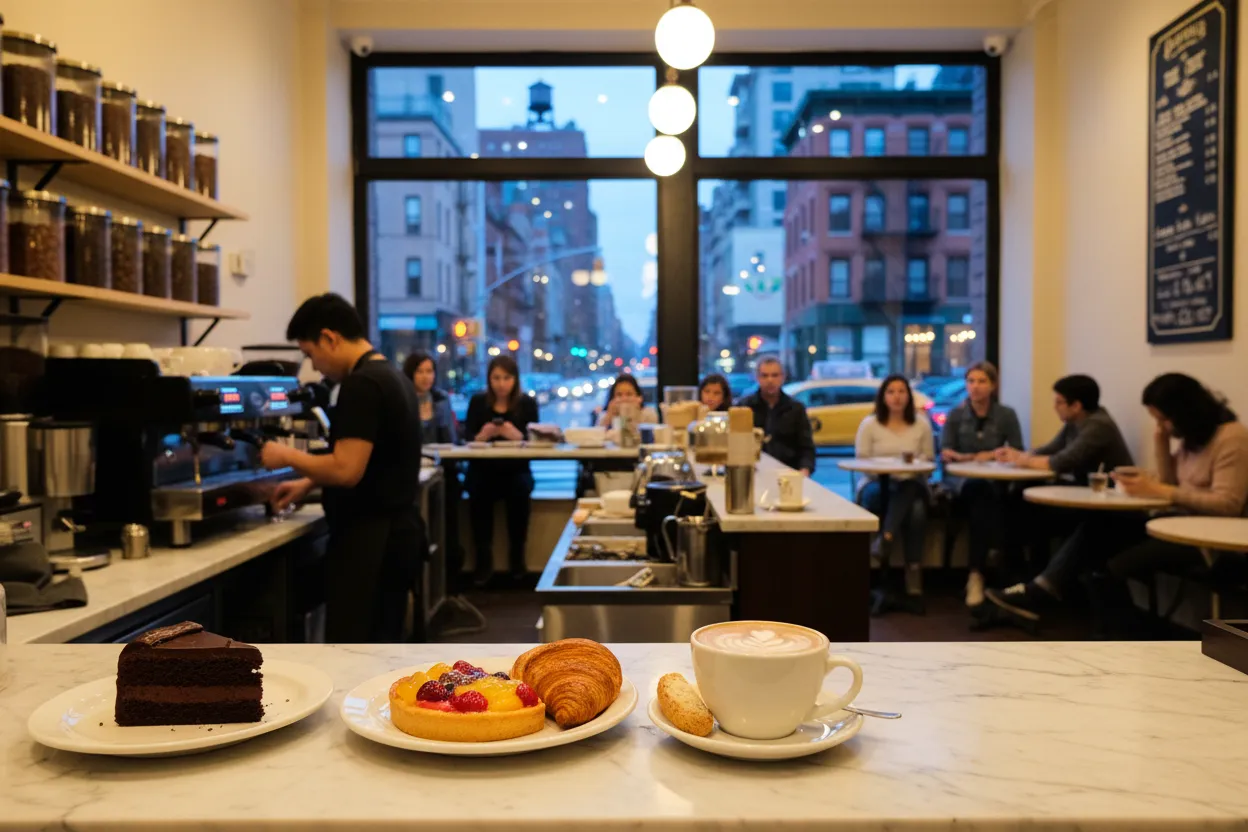
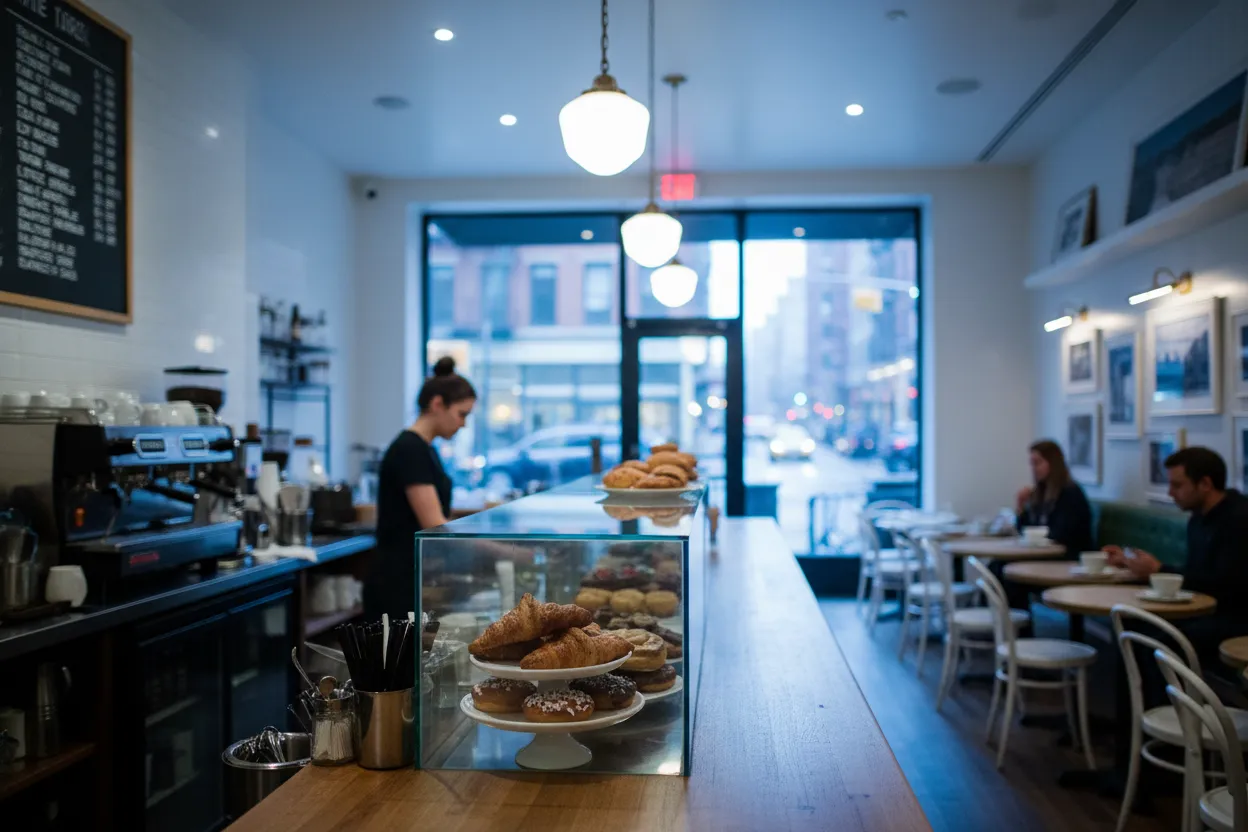
Honey cake appears daily, its crumb dense and sticky-sweet, the kind of bake that tastes like someone's grandmother's kitchen even if it's not. Banana bread comes studded with walnuts, sliced thick. Scones rotate—sometimes cranberry-orange, sometimes cheddar-chive, depending on what arrived fresh that morning. The pastry case isn't trying to compete with the sprawling operations in Manhattan; it offers six or seven items, executed well, turned over by mid-afternoon on busy days. A few regulars know to call ahead for the lemon loaf, which sells out early on weekends. The menu board lists oat milk as the default for lattes, a choice that feels less like trend-chasing and more like listening to what the neighborhood asks for. Drip coffee comes from a Brooklyn roaster whose beans lean bright and fruit-forward. Cold brew sits in a glass dispenser during warmer months, poured over ice that doesn't water it down too fast. No one rushes the pour-over orders; the process happens in full view, methodical and unhurried.
The Crowd That Finds It
Neighbours drift in without announcing themselves—the kind of foot traffic that suggests people live within a three-block radius and have made this part of their weekly routine. Parents with strollers arrive mid-morning, parking near the window where sunlight warms the floorboards. Freelancers claim the corner spots with laptops and headphones, staying for hours but buying multiple rounds. Older residents stop by for drip coffee and a few minutes of conversation at the counter, their presence a reminder that this block has seen decades of change and continuity both. The afternoon shift brings students from nearby schools, pooling dollars for a shared pastry. Weekend mornings see a different rhythm: couples lingering over lattes, friends catching up across the communal table, first-time visitors who wandered over from the train and decided to stay. The staff knows enough names to make it feel personal without performing familiarity for newcomers. There's no velvet rope, no coded menu, no insider handshake required—just a threshold low enough that walking in feels easy the first time and easier every time after.
Details That Reward Attention
The bathroom key attaches to a wooden block too large to fit in a pocket, a low-tech theft deterrent that also serves as a conversation starter. A small bookshelf near the back holds a rotating selection of titles—cookbooks, local history, a few novels—that patrons borrow on an honour system. The chalkboard menu updates throughout the day as items sell out, erased and rewritten in real time rather than left to mislead. A narrow bench runs along the window, cushioned just enough to be comfortable for an hour but not so plush that it invites all-day camping. The shop occasionally hosts small events—poetry readings, album listening sessions—that get announced via a hand-lettered poster in the window rather than blasted across social media. Those who pay attention to the pastry tags notice that some items are marked with a small star, indicating they're made with ingredients sourced from Black-owned farms upstate. The Wi-Fi password, written on a small card at each table, changes monthly and always references a figure from Black cultural history—a quiet educational nudge embedded in the infrastructure.
When to Arrive and What to Expect
Weekday mornings between eight and ten bring the pre-work crowd, efficient and focused. The room empties slightly by eleven, leaving space for those who prefer a quieter backdrop. Lunch hours see a brief surge—people grabbing pastries to go, refilling on coffee before afternoon meetings. The sweet spot for settling in runs from two to four, when the light is best and the tables turn over slowly. Weekend mornings require patience; the line forms by nine and doesn't dissipate until noon. The shop closes earlier than some of its Manhattan counterparts, typically wrapping by early evening, a rhythm that respects the staff's hours and the neighbourhood's residential character. Walk-ins work fine on most days; the space doesn't take reservations, and seating operates on a first-come basis. Bringing cash helps, though cards are accepted—the point-of-sale system occasionally lags during peak hours, and having a few bills smooths the transaction.
Practical Notes
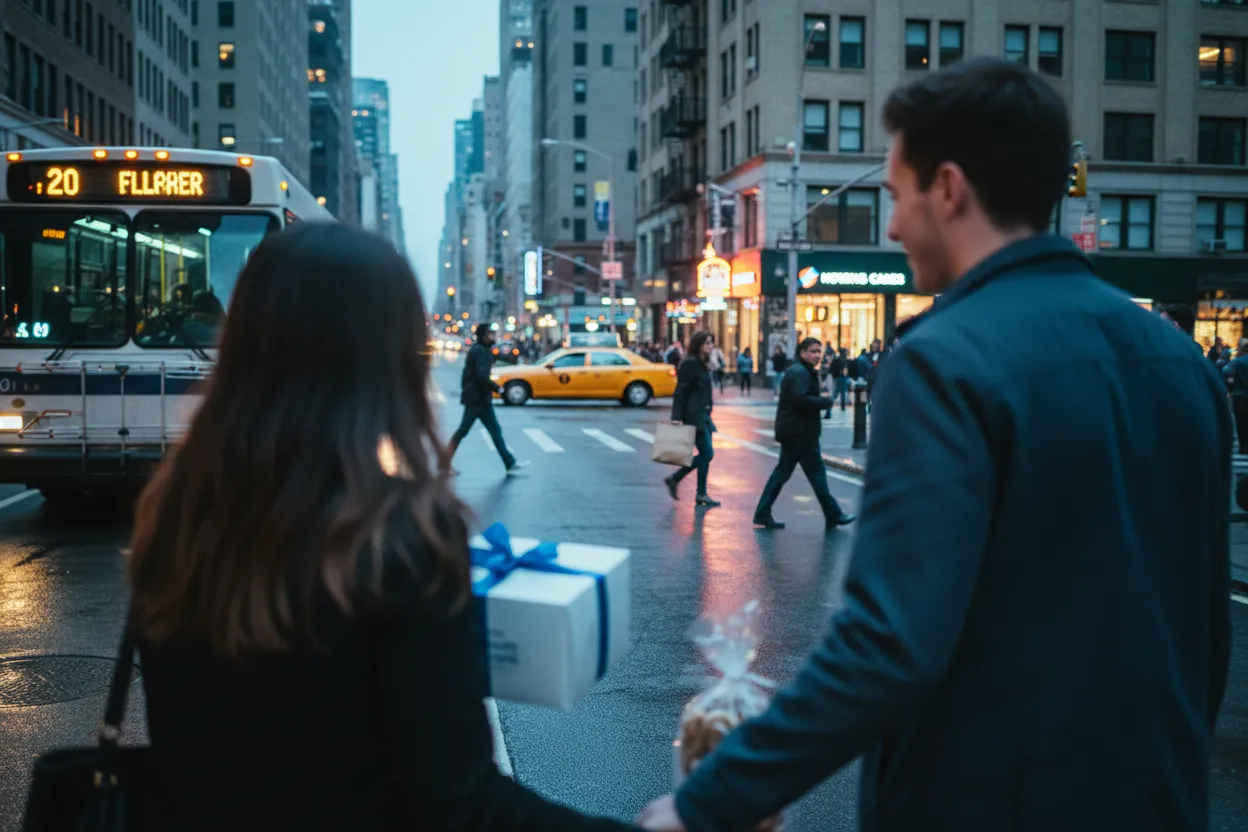
The shop sits a short walk from the A and C trains, closer to the Nostrand Avenue stop than to Utica. The G train also serves the area, though the walk stretches a bit longer from those platforms. Street parking exists but fills quickly on weekends; the neighbourhood sees steady residential traffic. Hours generally run from early morning to early evening on weekdays, with slightly later starts on weekends—checking the window sign or calling ahead prevents a wasted trip. No reservations, no table service; order at the counter, grab a number, and wait for the call. Seating is limited, especially during peak hours, so flexibility helps. The space is small enough that large groups might struggle to find adjacent seating. Prices hover in the range of a few dollars for pastries, under ten for most coffee drinks—affordable enough for regular visits without feeling like a steal or a splurge.
Why It Holds the Block
The shop doesn't announce its importance loudly, but the steady stream of repeat visitors tells the story. In a neighbourhood where commercial turnover happens fast and gentrification rewrites blocks annually, a Black-owned business that centres community over rapid expansion matters in ways that extend beyond the quality of the coffee. The reclaimed wood and local ceramics aren't just aesthetic choices; they're a deliberate investment in a local economy, a network of makers and suppliers who also call Brooklyn home. The honey cake and oat milk lattes exist within a larger framework of intentionality—who gets to open a shop here, who gets to stay, who the space serves first. Those who walk in once tend to return, not because the shop chases trends or performs Instagram-ready moments, but because it does the foundational work well: good bakes, solid coffee, a room that feels like it belongs to the people who live nearby. The afternoon light on those tables isn't incidental; it's the reward for choosing a corner lot on a residential block, for building something meant to last longer than a lease cycle, for trusting that the neighbourhood will show up if the work is honest.
Tags: #BedStuy #BrooklynCoffee #BlackOwnedBusiness #NeighborhoodBakery #BrooklynEats #CommunitySpace #LocalCeramics #HoneyCake #OatMilkLatte #BedStuyFinds #SupportBlackBusiness #BrooklynNeighborhoods #NYCCoffeeShops #PullUpAChair #KarposFinds
Sources consulted: eater.com · timeout.com · infatuation.com
All trademarks are the property of their respective owners.
Ask Karpo first
Want to know when the honey cake comes out of the oven and how to access the back patio?
Ask Karpo for the daily baking schedule, the story behind those ceramics, and which local artists to follow before you head out.