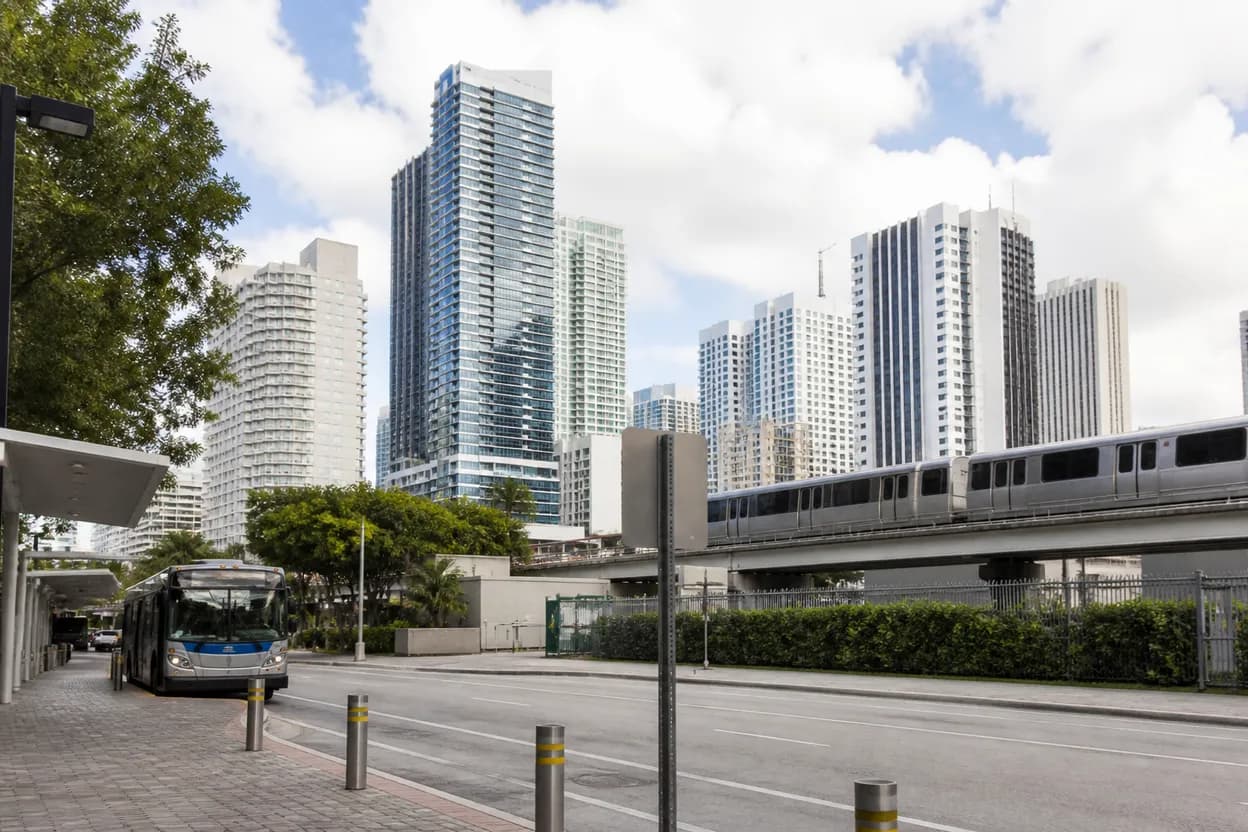
birthright citizenship can move from headline to homework fast, especially during back-to-school weeks when students are asked to separate law, politics, history, and opinion. In Miami, the smarter move is not to chase a rumor, a crowded event, or a social post promising special access. Build a public, verification-first route instead. The plan below keeps the work inside sources you can check before you leave: Miami-Dade Public Library System for research access, online newspapers, magazines, eContent, branch information, and library-card services; Miami-Dade Transit for trip planning, alerts, elevator and escalator status, and real-time tracking. Treat every hour, route, closure, and access point as changeable until you confirm it on the official page that day.
Want a cleaner research route before the school week gets busy? Text Karpo with your starting point, study goal, and time window, and ask for a public-check plan you can verify.

Turn curiosity into a research question
Start by narrowing the search term into a question a teacher, librarian, or classmate can understand. Instead of “What is everyone saying about birthright citizenship?” try: “Which primary sources and recent reporting help explain the current debate over birthright citizenship?” That wording keeps the assignment from becoming a feed-scrolling exercise and gives you a way to judge sources.
Write down three lanes before you open tabs: definition, current reporting, and competing interpretations. The definition lane helps you avoid using the phrase loosely. The reporting lane helps you separate recent developments from recycled commentary. The interpretation lane is where editorials, legal analysis, and class discussion belong, but only after the first two lanes are documented.
Set a time box. For a Miami school-night plan, aim for a route that can survive a delayed bus, a full study table, or a closed branch. Your research question should be strong enough that you can continue with digital materials if the in-person stop does not work.
Start with a reliable public resource
Miami-Dade Public Library System is the obvious first stop because its public site points readers toward library cards, branch finding, the catalog, learning and training, eGovernment, online newspapers and magazines, and eContent. The library also says digital books, audiobooks, movies, music, and more can be downloaded or streamed anytime, anywhere, free with a library card.
Do not assume the nearest building is open just because you remember using it last semester. The library site includes an “Open Now” option and a “Find a Branch” path, and it also posts patron notices. One current notice says the Miami Lakes Branch and South Dade Regional Libraries are closed for construction, renovations, and improvements. If either one is your default, choose another branch before you leave.
If you do not already have a card, check the library’s “Get a Library Card” information first rather than showing up with guesses about what is required. For a back-to-school assignment, a working login can matter as much as a quiet chair because online newspapers, magazines, catalog tools, and eContent may carry the research when travel does not.
Compare primary reporting before opinions
Use the library’s online newspapers and magazines as your comparison layer. The library describes that service as a way to stay up to date on the latest news and read insightful articles that keep you informed and engaged. That is useful for a topic like birthright citizenship because the conversation can shift quickly and headlines may frame the same development differently.
A simple comparison grid works better than a pile of links. For each article, capture the outlet, date, author if shown, central claim, cited documents or officials, and what the article does not answer. Mark opinion pieces clearly. A column labeled “needs verification” will save you from repeating a claim that sounded confident but was not supported.
Keep your skepticism local, too. This article is not pointing you to a Miami appearance, private briefing, guaranteed program, or endorsed event. If a social post claims a special school-related session, celebrity visit, or limited-access discussion, verify it on the named institution’s official page before building your day around it.
Choose a study stop that fits the task
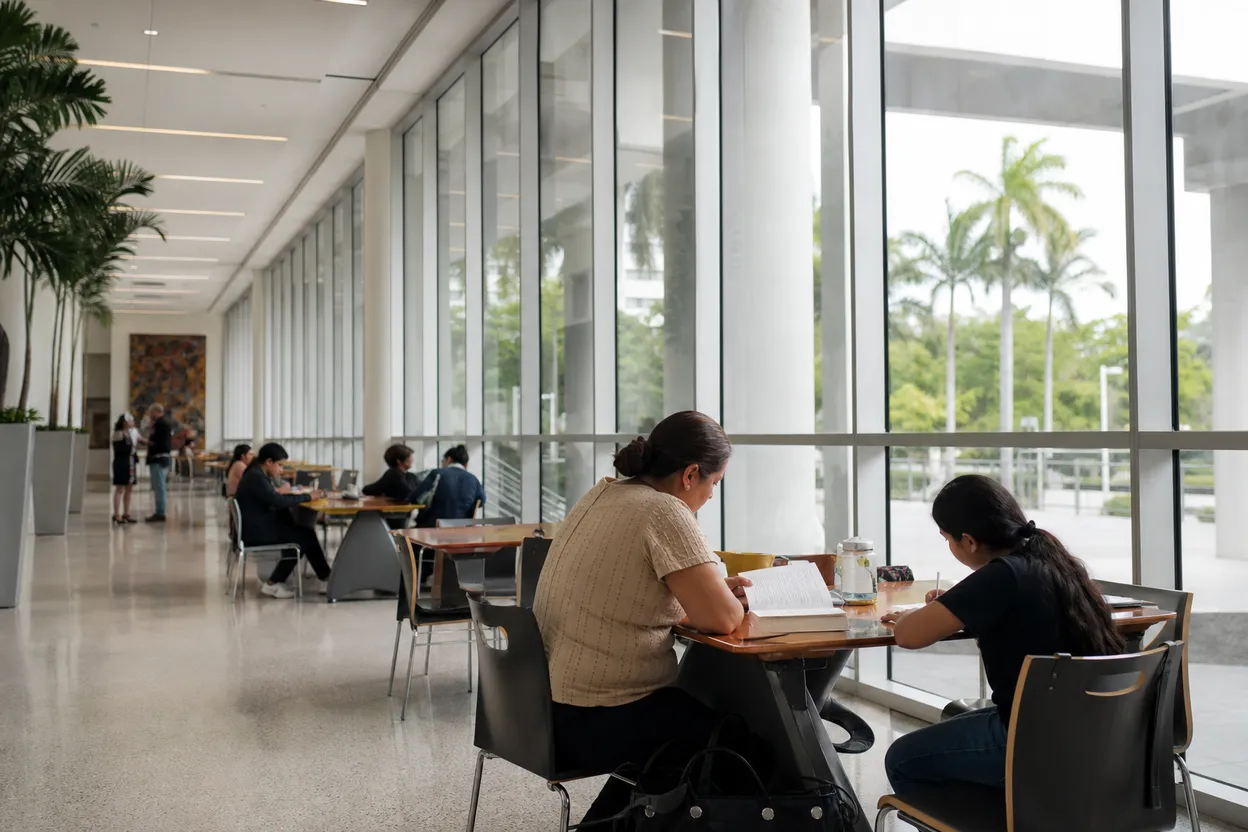
Pick the study stop based on the work, not the vibe. If you need newspaper access, catalog searching, and a place to outline, start with a Miami-Dade Public Library branch you have confirmed through the official location tools. If you mainly need to read and take notes, confirm whether the digital materials you need are available through your account before committing to the trip.
Plan the trip through Miami-Dade Transportation and Public Works tools rather than from memory. The transit page points riders to service updates, a Transit Tracker, a Trip Planner, alerts, and the GO Miami-Dade Transit mobile app for planning trips, tracking rides, purchasing a mobile pass, and more. Full-time students are also told they can ride Metrobus and Metrorail for half the price; check the official transit information for the details that apply to you.
Build in platform awareness if your route touches Metromover. Miami-Dade Transit currently says Metromover is operating a modified Inner Loop, with trains running on the same track as the Brickell and Omni Loop, and that Inner Loop trains will not appear on the platform display. The instruction is practical: look inside the train to confirm the loop designation.
Add one low-cost reset nearby
A reset does not have to mean buying something or adding a second destination. If the branch is crowded, noisy, or not useful for the assignment, shift to a lower-friction task: use the library’s online newspapers and magazines, download or stream eContent with your library card, or outline your comparison grid while waiting for the next bus or train.
For students using transit, the reset can also be operational. Open service updates, check the Transit Tracker, and confirm whether an elevator or escalator on your route is out of service. That is especially important if you are carrying a heavy bag, traveling with someone who needs accessible routing, or trying to avoid missing a pickup window after school.
Keep the backup choice boring on purpose. If your selected branch is unavailable, use the library’s branch finder to choose another open public option, or switch to the digital library-card route from a safe, suitable place. The goal is not to force the perfect study session; it is to leave with verified notes.

Verify hours and access before leaving
Do the final check in this order: library branch status, library account access, transit route, rider alerts, elevator and escalator status, then return trip. Miami-Dade Transit encourages riders to read service updates and alerts, plan routes, and track buses and trains in real time. Those tools matter most when the school year adds traffic, weather delays, and crowded afternoon travel.
If you are considering Metrorail, remember that the transit department identifies a Metrorail Single-Tracking Program tied to maintenance and upgrades for safety and reliability, with single-tracking performed on weekends and after 8 p.m. on weekdays. That does not mean your trip will be disrupted, but it does mean late or weekend study plans deserve a fresh check.
End the route with receipts: save your source links, article citations, branch page, and any transit alerts that affected the plan. A teacher may not care which train you took, but documenting how you verified access trains the same habit you need for the assignment itself.
Tags: #birthrightcitizenship #Miami #BackToSchool #MiamiDadeLibrary #MiamiDadeTransit #StudentResearch #Civics #HomeworkHelp #PublicLibraries #TransitTips #ResearchSkills #AskKarpo #BeforeYouGo #VerifyFirst
Sources consulted: mdpls.org · miamidade.gov · miamidade.gov
All trademarks are the property of their respective owners.
Ask Karpo first
Ask Karpo first before you turn a headline into a Miami errand. Share your starting area, time window, school deadline, and whether you need library access, transit help, or a backup study option. Karpo can help you build a checkable route without relying on hype.