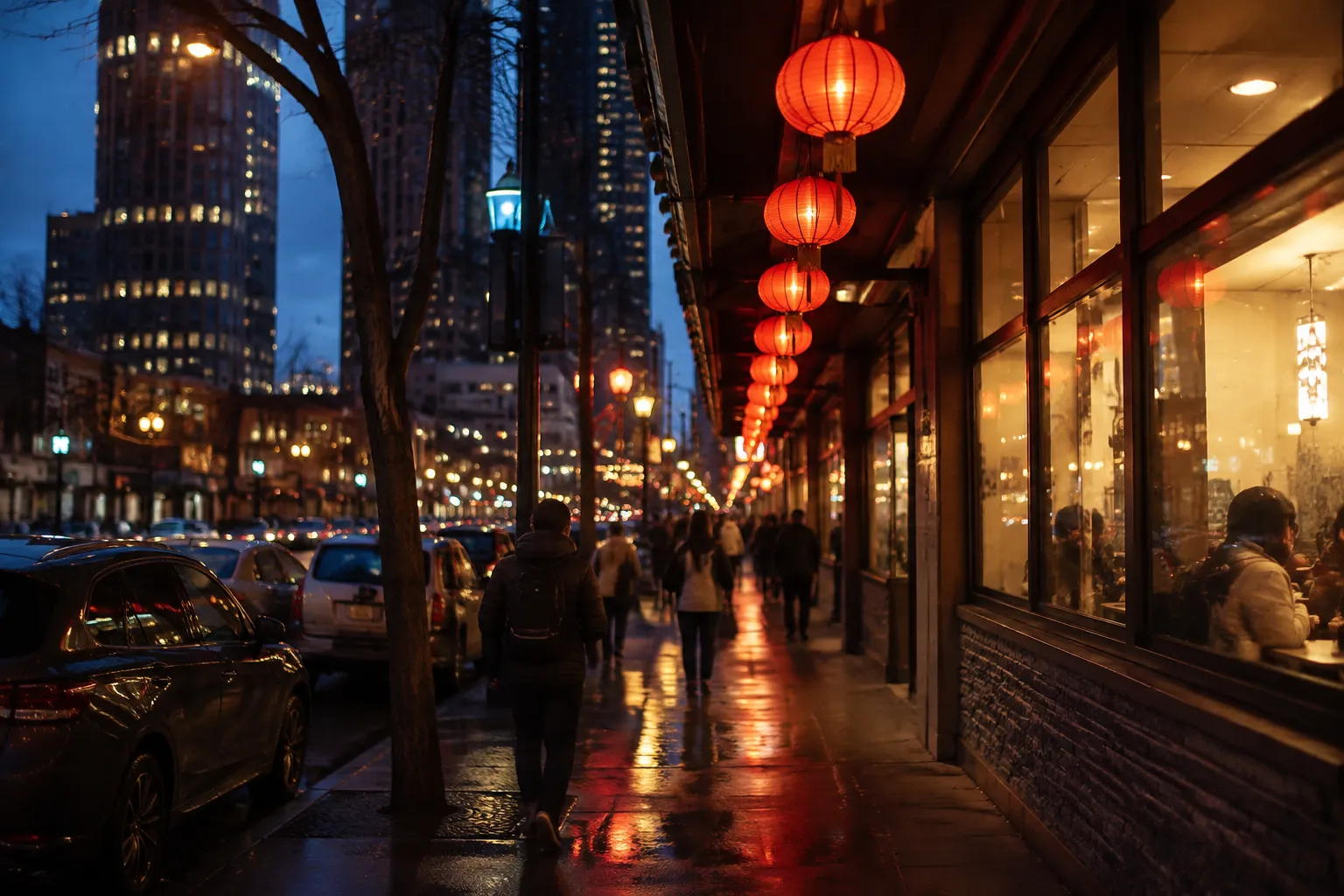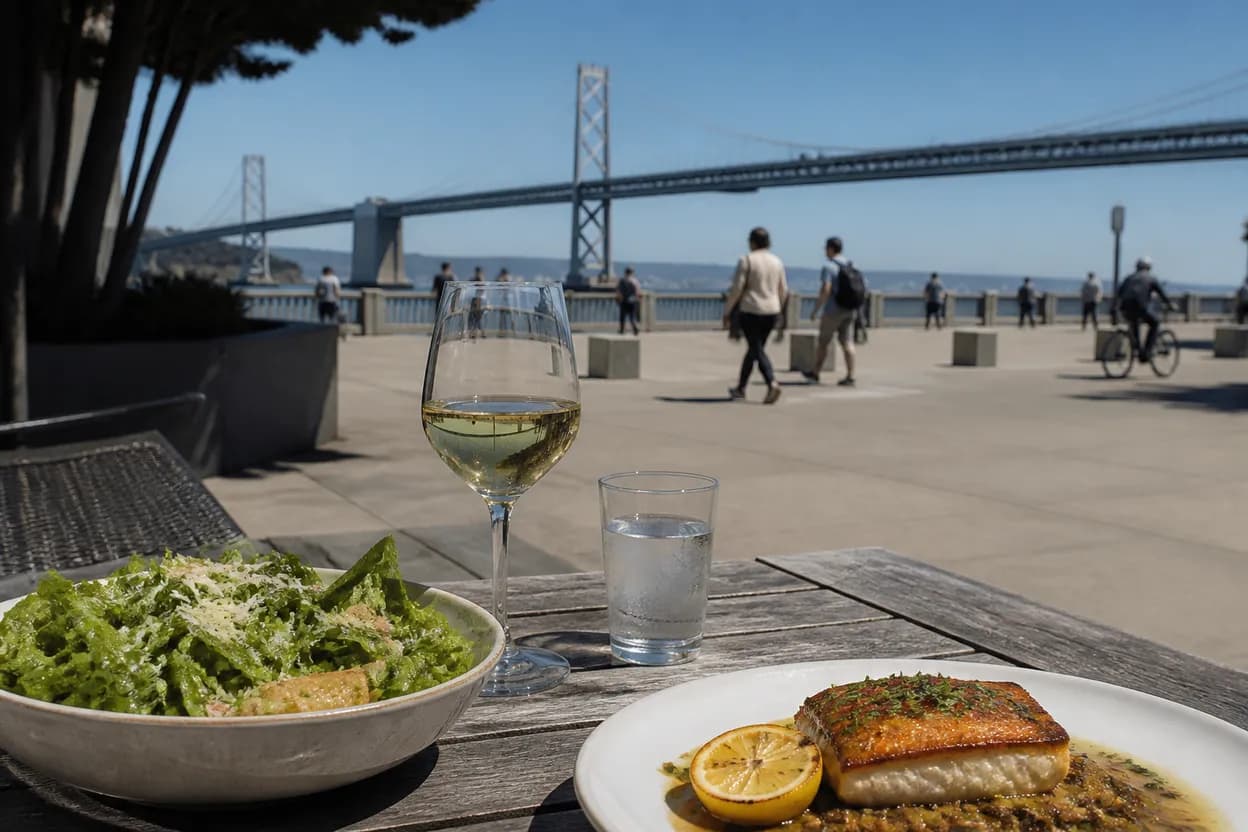
betty gilpin may be the search phrase that gets everyone texting, but it should not be treated as proof of a San Francisco appearance, reservation lead, endorsement, or private event. For a group meal in the city today, Friday, August 7, 2026, the smarter move is to use the phrase as a conversation starter and build the night around facts you can verify. San Francisco dining can turn from easy to awkward fast when a group chooses the wrong room, ignores transit updates, or assumes a vendor is open. Start with official checks: SFMTA for getting there and travel alerts, and the San Francisco Department of Public Health for restaurant safety and health-score resources. Then choose a first stop and a backup before anyone leaves home.
Want a smoother group dinner plan before the group chat spirals? Text Karpo with your neighborhood, headcount, access needs, and arrival window, and ask for a verified first stop plus backup.

Use the trend as a dinner conversation hook
A timely search term can be useful without being overread. If someone brings up betty gilpin in the group chat, let it be the icebreaker, not the itinerary. There is no official-source basis here to claim a San Francisco sighting, local affiliation, restaurant appearance, or special access. That distinction matters because celebrity-adjacent chatter can push people toward rumor-based plans instead of practical ones.
Keep the plan public and executable. Decide the neighborhood, arrival window, mobility needs, and backup before debating the exact menu. If the group is meeting after work, the best restaurant is not always the most talked-about one; it is the one everyone can reach, enter, understand, and leave without turning dinner into logistics management.
The verification-first rule is simple: if a claim affects whether people show up, spend money, wait outside, or change transit, check it on an official page or directly with the business before relying on it.
Choose the room before choosing the menu
For San Francisco groups, the room often matters more than the cuisine. A tight dining room may be perfect for two and miserable for eight. A counter-service setup can work better when people arrive at different times. A market-style or hall-style stop can reduce ordering friction because each person can make individual choices, but the group still needs a shared meeting point and a backup if seating is limited.
Before committing, assign one person to check the restaurant’s own current information and another to check public-health basics. The San Francisco Department of Public Health says it makes sure food in San Francisco is safe for the public and provides food safety education, inspection, permitting, and related measures. Its site also points users toward opening a restaurant or checking health scores. Use that official city resource rather than relying only on social posts or old review screenshots.
Accessibility should be treated as a planning requirement, not a last-minute courtesy. Confirm entrance conditions, restroom access, seating type, noise level if relevant, and whether the restaurant can handle the group size. If any detail can change, verify it the day of the meal.
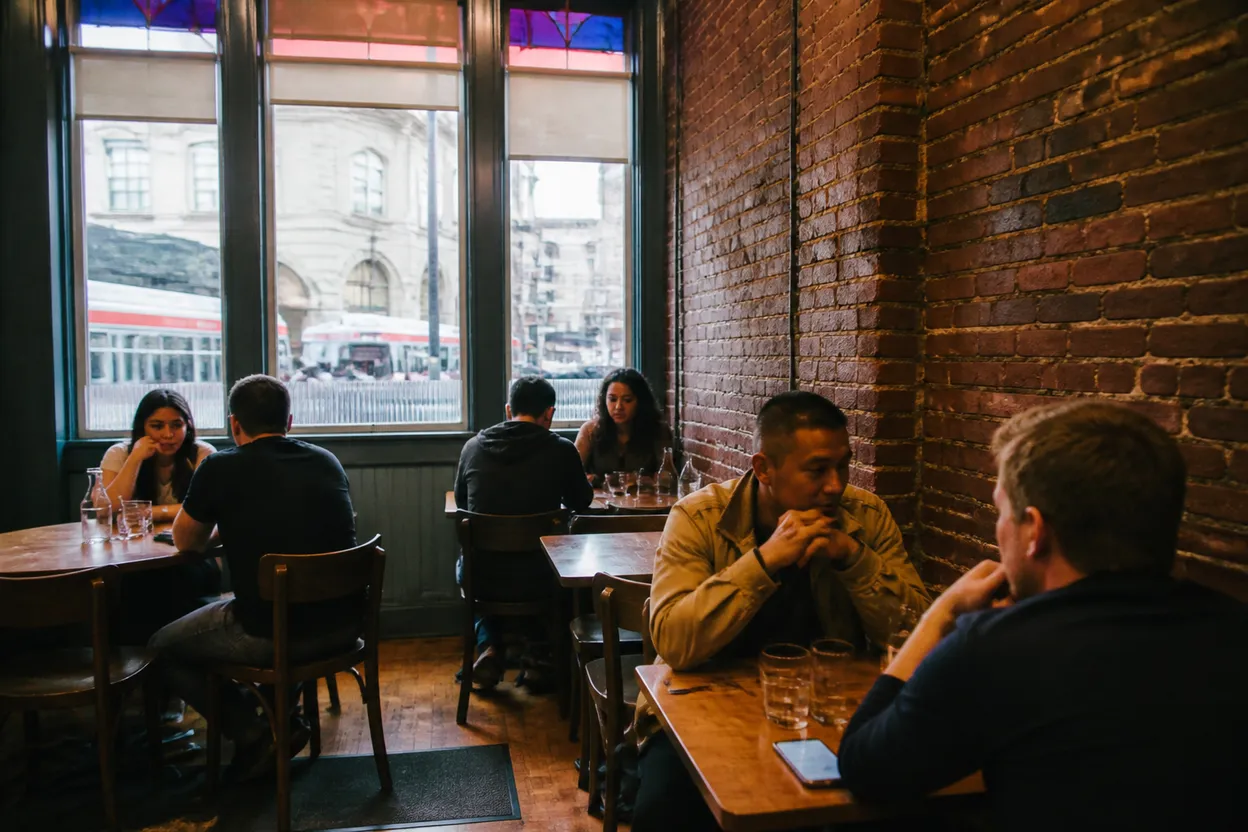
Match the market or hall to the group
Markets and food halls can be useful for mixed-preference groups because they avoid one menu trying to satisfy every diet, budget expectation, and appetite. They also give late arrivals a softer landing: someone can order quickly while the rest of the group settles. The tradeoff is that public seating can be unpredictable, and separate vendors may keep different hours.
Use a market or hall when the group values flexibility more than a single seated experience. Use a traditional restaurant when the group needs one table, one check structure, and a more predictable place to talk. For birthdays, work dinners, visiting relatives, and post-event meals, ask whether the group needs conversation space or simply fast food access.
Do not assume every vendor is open just because the building is open, and do not assume every seating area is available just because photos show tables. Vendor hours, closures, and service formats can change. Check the official pages you can find, then call or message when the detail is essential.
Keep the first stop easy to reach
A good San Francisco dinner plan starts with the route, not the entrée. SFMTA’s site provides a trip planner with options for Muni, walking, biking, driving, and parking, and it also publishes Muni routes, stops, visitor information, neighborhood transportation details, maps, and travel updates. Use those tools before choosing a location that looks convenient on a static map.
For August 7, 2026, the SFMTA homepage lists current city mobility context, including Outside Lands Aug. 7-9, Muni service changes starting Aug. 29, and multiple alerts from the last 48 hours. It also shows travel and transit updates such as Hayes Valley Shared Spaces on Fridays and Saturdays in August 2026, 40-foot bus service substitutions updated July 6, 2026, and Chinatown construction from July 30-Aug. 9, 2026. Treat those items as prompts to verify the exact route and timing before departure.
If the group includes visitors, pick a first stop near a simple transit path or an easy walking connection. If people are driving, parking conditions need their own check; do not let the driver become the person circling while everyone else orders.
Save a nearby option for long waits
Every group plan needs a defined escape hatch. Choose the backup before the first stop fails, and make it close enough that the group can move without renegotiating the night. The backup should serve the same functional need: if the first choice is casual and flexible, the second should be casual and flexible too. If the first choice is seated and conversation-friendly, do not make the backup a crowded counter unless the group agrees.
Long waits are not only about popularity. They can be caused by transit delays, street conditions, staffing changes, private bookings, unexpected closures, or weather-driven shifts in demand. Because the official extracts here do not provide restaurant-specific availability, no article should promise that a given dining room will seat a group at a given time. The safer instruction is to verify directly and keep Plan B within reach.
Set a decision time. For example, the group can agree that if the first stop cannot accommodate everyone within the agreed window, you move. That removes the social pressure of standing outside while one person tries to rescue an increasingly unrealistic plan.
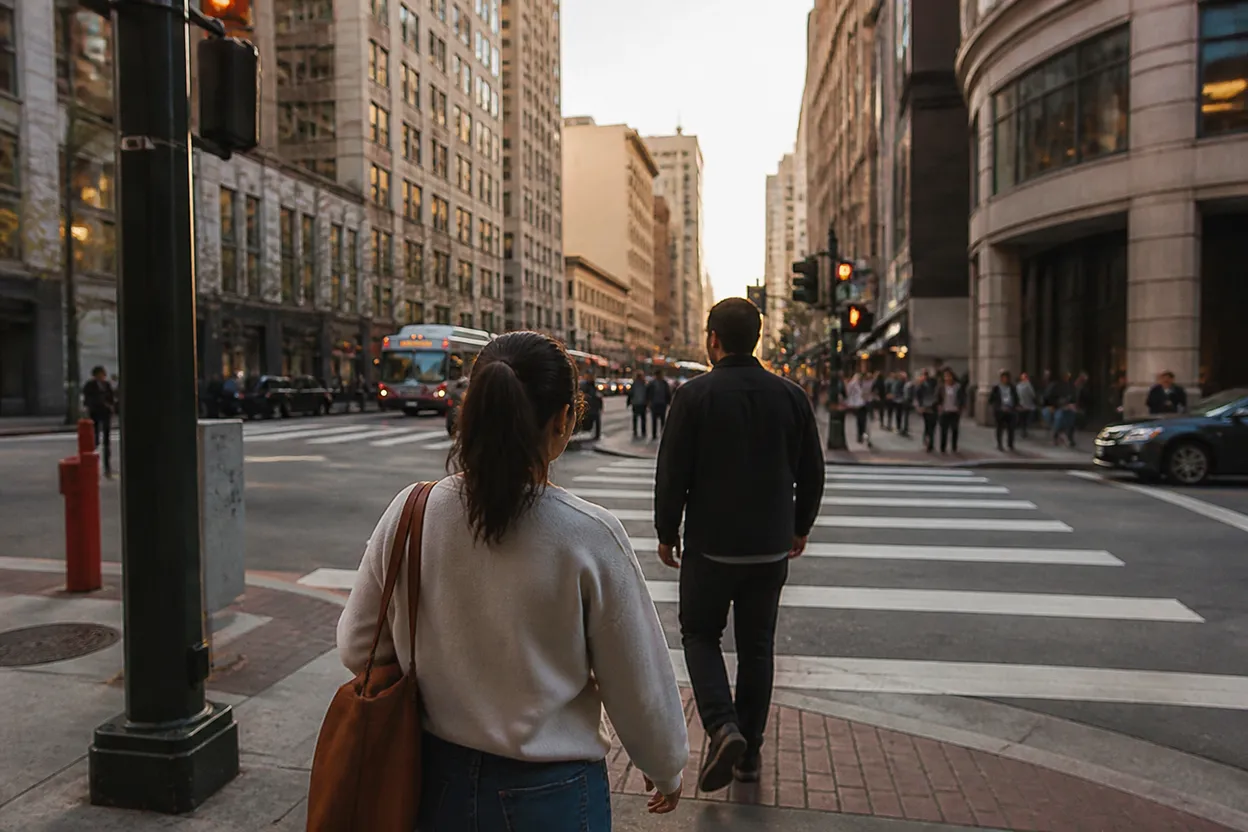
Verify vendor hours before leaving
The last check should happen shortly before departure, not the day before. Look at the restaurant or vendor’s own current channel for hours, service format, reservation notes, and access information. Then check the city layer: SFMTA for routes, stops, alerts, maps, and travel updates; SFDPH for health-score and food-safety resources when you want official public-health context.
This is especially important for groups moving through busy corridors or event-affected parts of the city. SFMTA’s homepage on August 7 lists Outside Lands Aug. 7-9 and active transportation notices, which is enough reason to confirm travel time rather than assume a normal Friday pattern. If the route depends on a specific bus, train, streetcar, cable car, bike path, parking plan, or walking connection, verify it while people can still adjust.
A clean group-dining plan is not glamorous: confirmed hours, realistic arrival time, access notes, health-score awareness, transit check, and backup. That is what keeps a San Francisco restaurant night from being hijacked by hype, rumor, or one unverified assumption.
Tags: #SanFranciscoRestaurants #SFRestaurants #GroupDining #SanFranciscoFood #SFMTA #PublicTransit #FoodSafety #HealthScores #RestaurantPlanning #BayAreaDining #CityDining #AskKarpo #BeforeYouGo #BettyGilpin
Sources consulted: sftravel.com · sfdph.org · sfmta.com
All trademarks are the property of their respective owners.
Ask Karpo first
Ask Karpo first when the dinner plan depends on more than taste. Send the neighborhood, group size, timing, mobility needs, and whether you want a market, hall, or seated restaurant. Karpo can help you structure a verified first choice, a nearby backup, and a before-you-go checklist.