Vietnamese cooking divides along the length of the country and the three regions are genuinely distinct. Northern food is subtler and saltier, with clearer broths and less sugar. Central food, from Hue and Da Nang, is the spiciest and the most complex. Southern food, from Saigon and the Mekong delta, is sweeter, uses more herbs and more sugar, and has the fuller, more aromatic broths. What arrived in the United States after 1975 was overwhelmingly southern, and Miami's Vietnamese restaurants are almost all cooking in that register.
The Vietnamese restaurants here are scattered across the county rather than clustered, and several are lunch-heavy. Tell Karpo where you are and when.
What southern style means on the plate
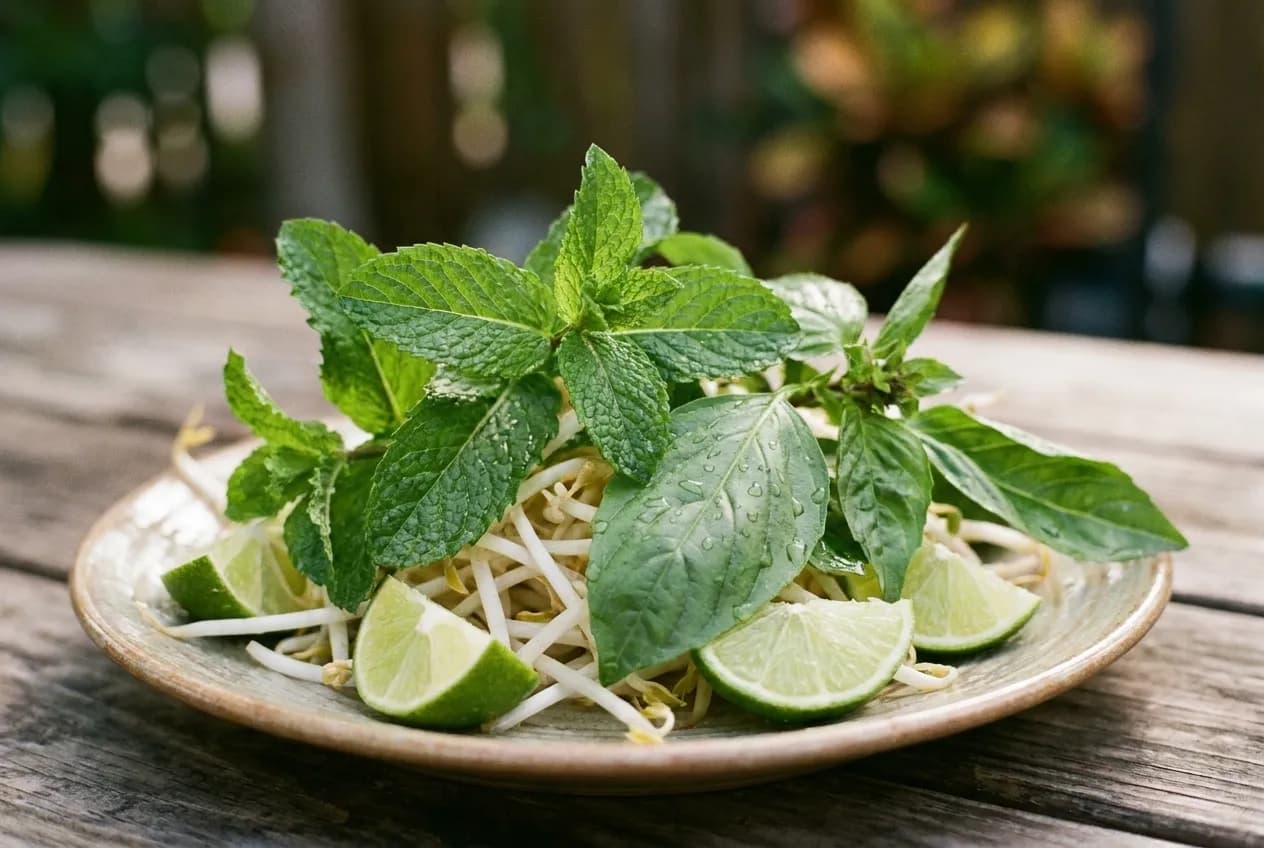
Three things. The broths are sweeter - southern pho uses more rock sugar and often more spice in the aromatics, giving a rounder, fuller flavour than the clear northern version. The herbs arrive as a separate plate rather than being cooked in: Thai basil, mint, culantro, beansprouts, lime, chilli, added by you at the table. And the sauces lean sweeter, with more sugar in the nuoc cham and more use of hoisin and sriracha as table condiments.
That last point is worth stating because it produces the most common argument about pho. Adding hoisin and sriracha to the bowl is a southern Vietnamese-American practice and it is not wrong; northern purists object because their broth is not built to take it. In a Miami restaurant cooking southern style, the condiments are on the table because the kitchen expects you to use them. Taste the broth first, then decide.
Pho, and how to judge it
The broth is the whole dish. It should be clear rather than cloudy, aromatic with star anise, cinnamon, charred ginger and onion, and it should taste of beef rather than of salt. A good bowl smells strongly before you taste it. Cloudiness means it was boiled too hard; a flat, brown, salty broth means shortcuts, and there is no way to hide either.
Order pho tai - rare beef, sliced thin and added raw so it cooks in the broth at the table - to judge a kitchen, because it shows both the broth temperature and the quality of the beef. Pho dac biet, the combination with brisket, tendon and tripe, is the fuller version and the better meal once you know the place is good. Add the herbs a handful at a time rather than all at once, so the broth stays hot.
Banh mi, which is a bread question
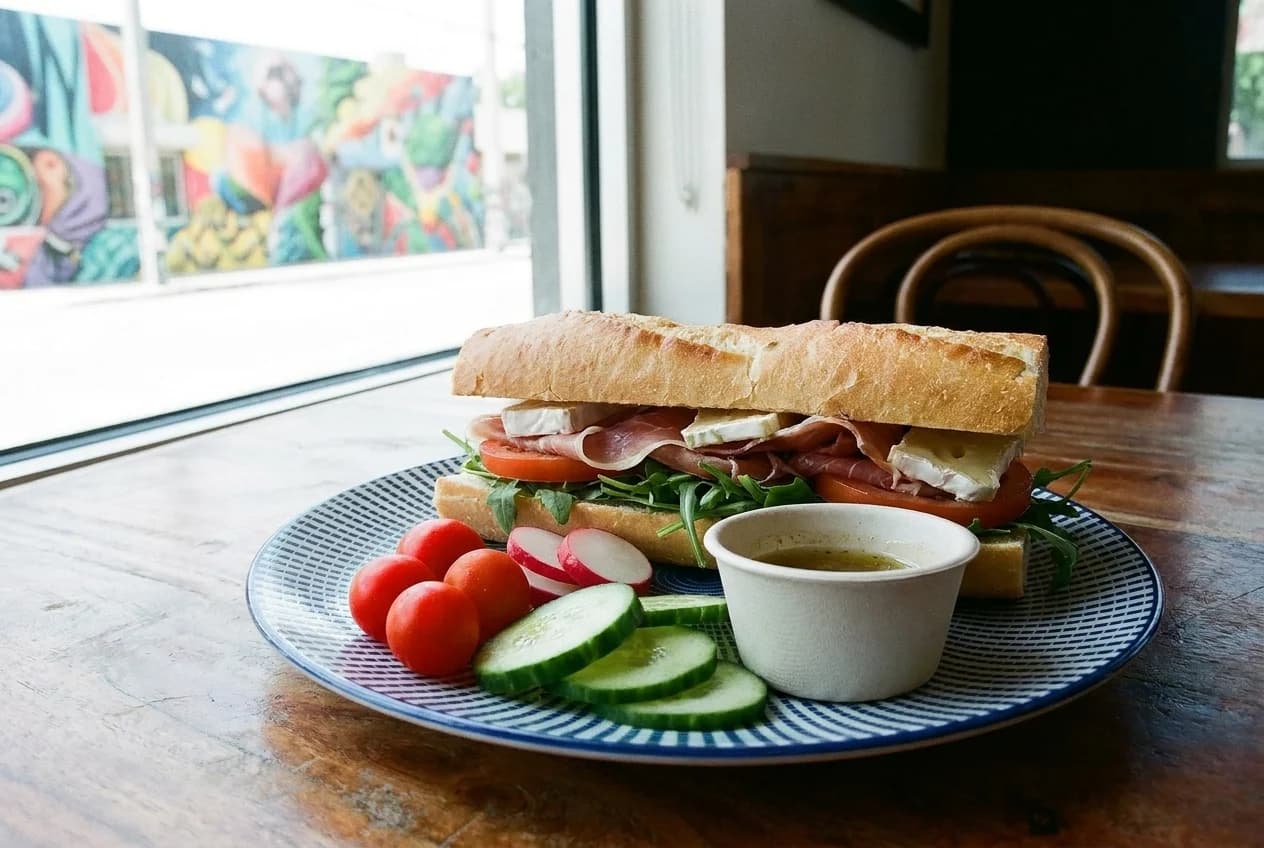
The Vietnamese baguette is the point and it is a genuinely distinct product: made with rice flour alongside wheat, which gives a very thin, crackly crust and an airy, almost hollow interior. It is much lighter than a French baguette and it shatters rather than tears. A banh mi made on a standard American sub roll is a different and heavier sandwich, and it is the single most common failure in this category.
Inside: pate and mayonnaise on the bread, then a protein - grilled pork, pork belly, cold cuts, chicken, or a tofu version - then pickled carrot and daikon, cucumber, coriander and chilli. The pickle is structural rather than decorative; it is the acid the fat is built around. Prices sit around eight to twelve dollars, and two is a large lunch. Ask whether they bake their own bread; the ones that do will tell you happily.
Bun, and the dish most people miss
Bun is the cold rice vermicelli category and it is the best food for this climate on any Vietnamese menu. Bun thit nuong is grilled pork over cold noodles with herbs, pickled vegetables, peanuts and a fish sauce dressing poured over. It is bright, sharp, cool and substantial, and it is a far better choice than pho on a thirty-four degree Miami afternoon.
The one to seek out if you see it is bun cha - grilled pork patties and belly served in a bowl of warm, sweet-sour dipping broth with noodles and herbs alongside, which you assemble yourself. It is a northern dish and therefore rarer here, which makes it a useful signal: a Miami restaurant that cooks bun cha properly is doing more than the standard southern repertoire.
Where they are
Miami's Vietnamese restaurants are dispersed rather than concentrated, which is the defining practical fact. There is no Vietnamese neighbourhood here in the way there is in Orange County or Houston. What exists is a scattering across the county - a cluster in the south-west toward Kendall, several along the western arterials, a handful in the north, and a few in the more central neighbourhoods aimed at a broader audience.
That means this is a driving category and the best rooms are usually in strip malls rather than on walkable streets. It also means prices vary widely: the neighbourhood restaurants in the south and west are considerably cheaper than the central ones, and frequently better, because they are cooking for people who eat this food weekly.
Practical notes
Prices: pho twelve to eighteen dollars, banh mi eight to twelve, bun fourteen to eighteen. Judge pho on the broth and order pho tai to test a kitchen. Judge banh mi on the bread - it should shatter, not tear. Order bun rather than pho in hot weather. Taste the broth before adding hoisin or sriracha. Add herbs gradually so the soup stays hot. Most Vietnamese kitchens here are lunch-weighted and many close by nine. This is a driving category - the best are in strip malls in the south and west. And if you see bun cha or anything explicitly northern or central on a menu, order it; it tells you the kitchen is doing more than the default.
Tags: #BestVietnameseFood #Miami #Pho #BanhMi #BunThitNuong #BunCha #Kendall #VietnameseFood #MiamiEats #PhoTai #NuocCham #SouthernVietnamese #MiamiLunch #StripMall
All trademarks are the property of their respective owners.
Ask Karpo first
A dispersed category in a spread-out county means the useful question is which of these is actually near you and open. Ask Karpo which Vietnamese kitchens are serving at the hour you want, which bakes its own banh mi bread, and whether any of them cooks outside the standard southern repertoire.