San Francisco is genuinely expensive, and most advice about doing it cheaply is a list of free attractions that ignores where the money actually goes. The admission fees are not the problem. Transport, food and the cost of being somewhere with nowhere to sit are the problem, and a budget day here works or fails on those three rather than on whether you paid to enter a building.
The free layer here is large but badly signposted. Ask Karpo what is free near you today and what it will actually cost to get there.
The genuinely free headline items
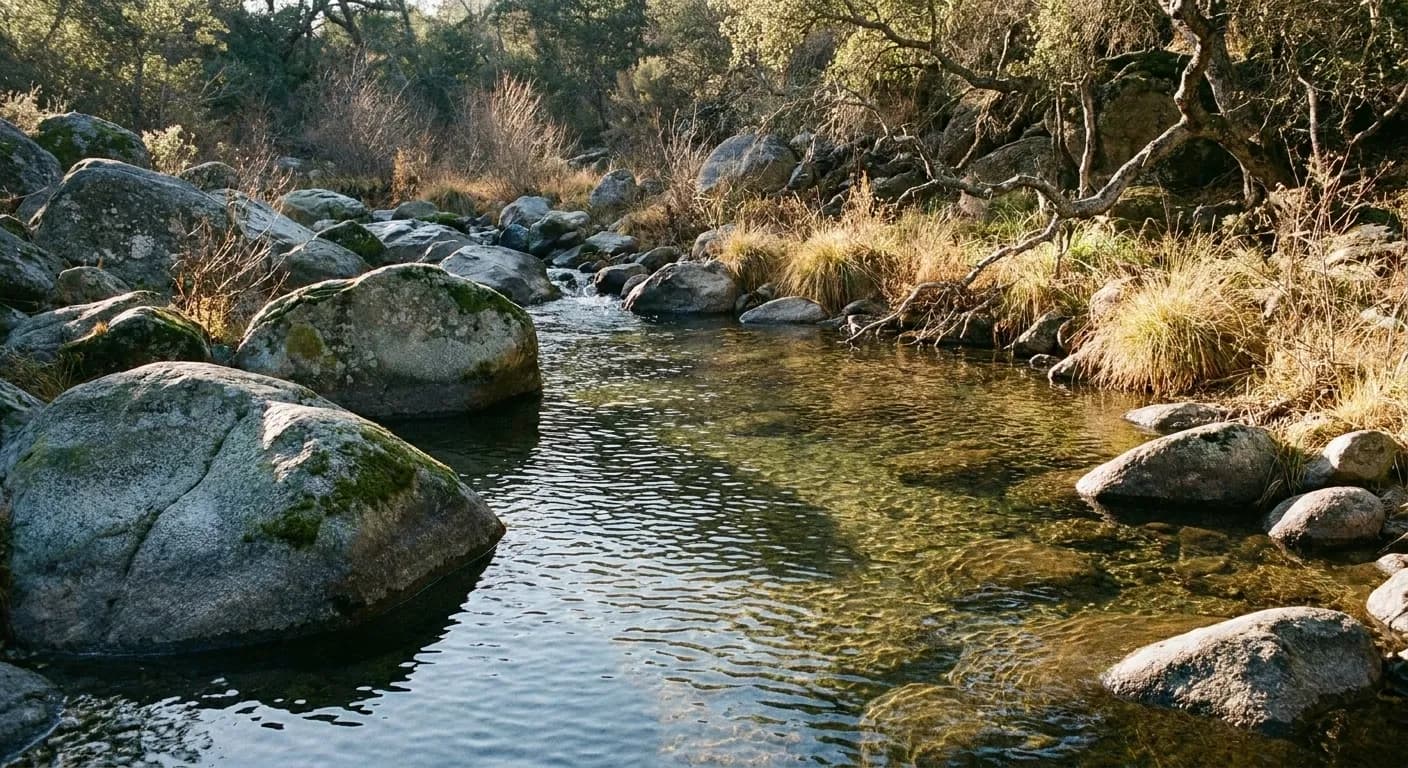
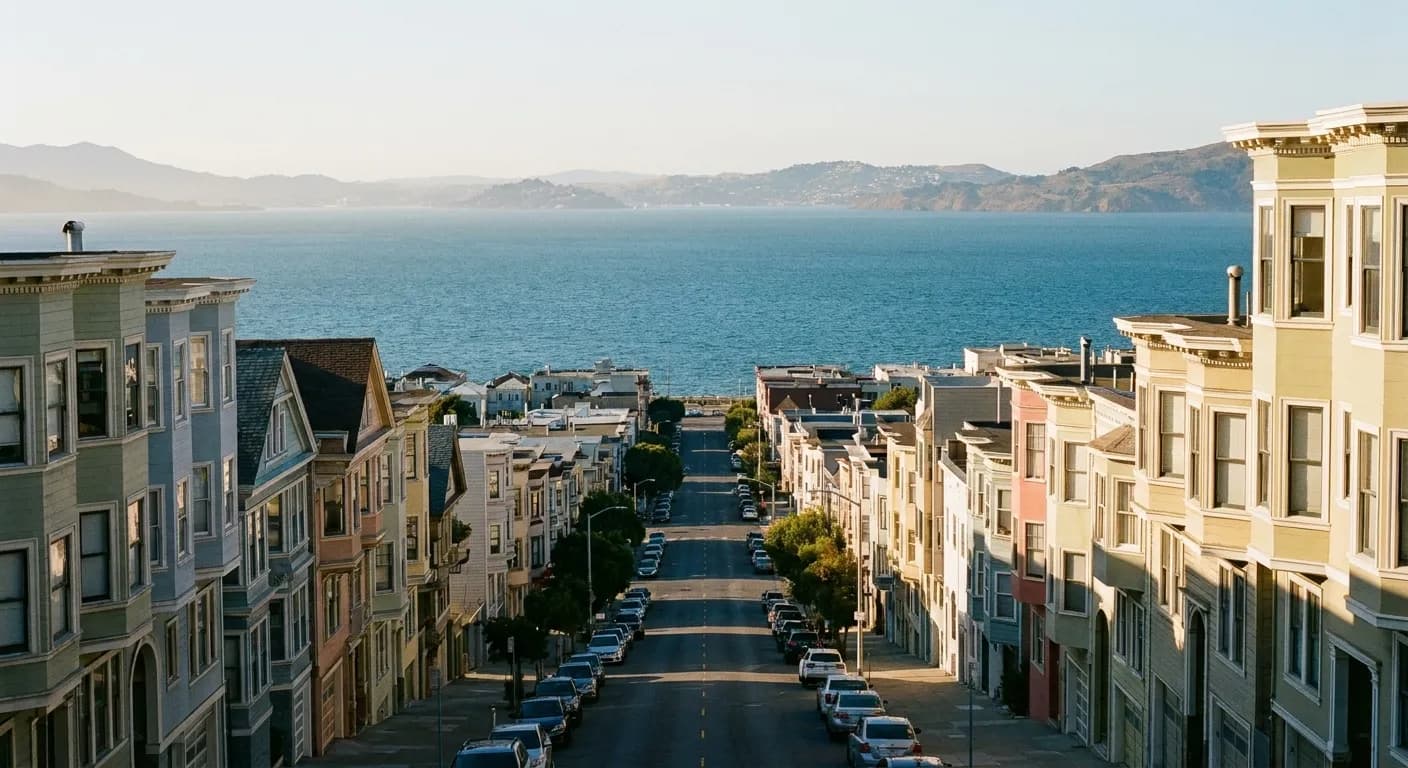
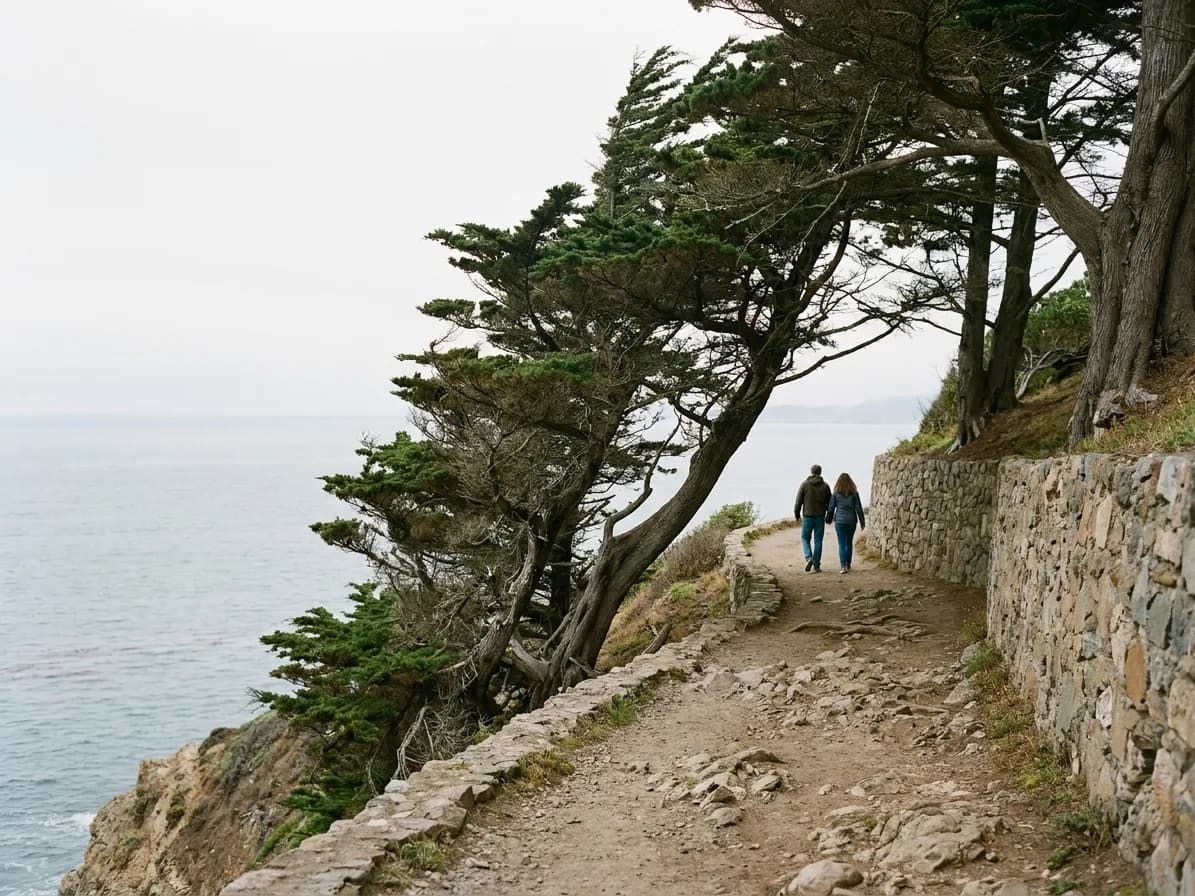
The best things to do in San Francisco at zero cost are mostly geographic. The coastal path along the western edge, the walk across the bridge, the eucalyptus and cypress trails in the big parks, the view walks over the hills, the whole of the northern waterfront. These are not consolation prizes for people who cannot afford tickets; they are the reason people move here, and they are free permanently rather than on a specific Tuesday.
Add to that the murals in the Mission, the botanical gardens on free days, the civic architecture, the public art programme, and the several museums with free admission for city residents or free days for everyone. A visitor who does only free things in this city has a better itinerary than one who spends four hundred dollars on the standard attractions, which is an unusual thing to be able to say about a major city.
Where the money actually leaks
Transport first. Individual fares add up fast and the day passes are only worth it above a certain number of trips, so the calculation matters. Walking between neighbourhoods that look far apart on a map is frequently faster than the transit connection between them, and the city is small — the distance between most places worth being is under an hour on foot.
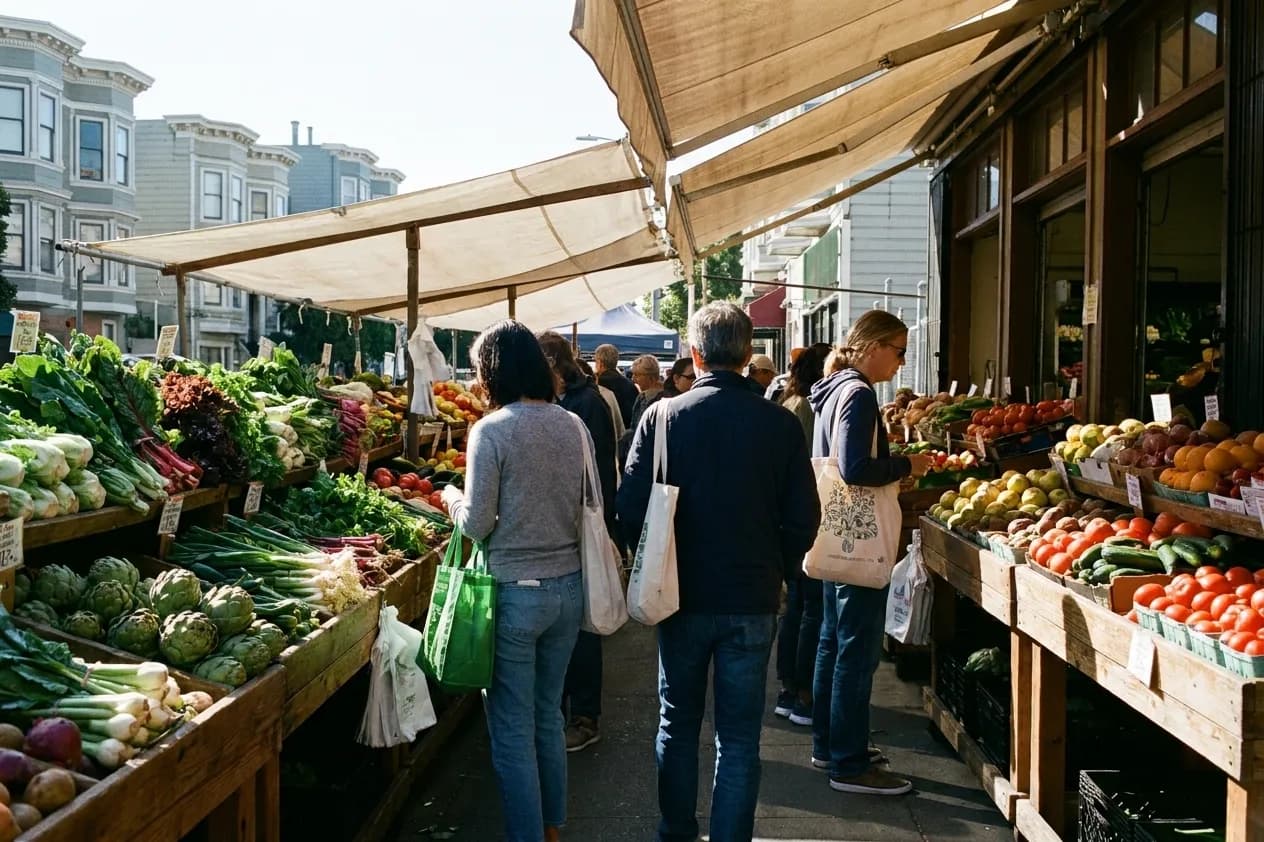
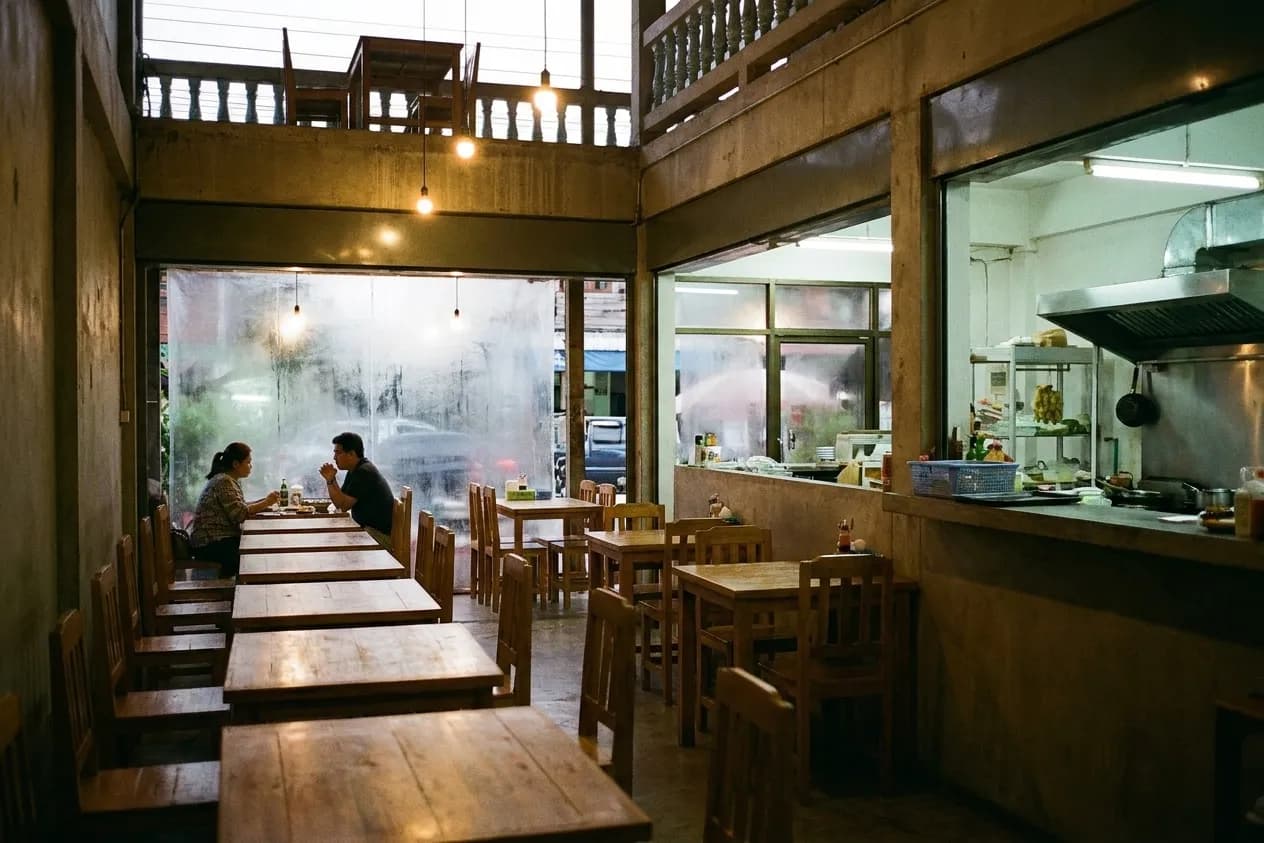
Food second, and this is the big one. Two people eating three meals out for two days is most of a budget. The fix is not to eat badly; it is to eat where the city eats, which is cheaper and better. A taqueria, a Chinese bakery, a grocery deli counter and a market stall between them cover a day for under twenty-five dollars a head, and none of it is a compromise.
The sitting-down problem
The hidden cost of a budget day in any city is that resting requires buying something. San Francisco is unusually good on this: the parks have benches, the libraries are warm and open to anyone, the big civic buildings have public seating, and the waterfront has miles of low walls facing the water. Knowing where you can sit for free is what turns a six-hour day into a ten-hour one.
The coffee-shop version of this costs about six dollars an hour and is worth it occasionally. The point is to make it a choice rather than a default. Three unplanned café stops is twenty dollars that a bench and a flask would have covered, and the bench usually has the better view.
The free days worth planning around
Most of the major museums run a free day each month, and several are free to residents at all times. The botanical garden, the arboretum and several of the smaller institutions have similar arrangements. These are on fixed schedules published a year in advance, which means a trip planned around them is straightforward and a trip that ignores them pays several hundred dollars for the same access.
The catch is crowding, and it is real. A free museum day is busy in a way that changes the experience, particularly for anything with a queue. The workaround is to arrive at opening or in the last ninety minutes, both of which are noticeably quieter, and to accept that the blockbuster show is not the part to prioritise on a free day.
Cheap rather than free
A tier worth knowing. Rush and standing-room tickets at the major performance houses put world-class opera, ballet and orchestral music within reach at prices below a cinema ticket. The repertory cinemas run cheap matinees. Several museums have pay-what-you-wish evenings. And a very large amount of live music in this city has no cover at all, particularly midweek.
The general principle is that the institutions here are much more accommodating than their headline prices suggest, because their funding models depend on attendance and civic legitimacy rather than solely on ticket revenue. Asking what the cheapest way in is, at a box office, gets a helpful answer far more often than people expect.
Building a full day
The shape that works: a long walk in the morning while it is clear, cheap food at a counter around one, a free or nearly free indoor thing in the afternoon when the wind comes up, and an evening built around a bar with no cover or a park before sunset. That is a genuinely good day in this city and it costs about thirty dollars including transport.
The failure mode is trying to see specific famous things in sequence, which converts the day into transit and queueing and costs money at every step. San Francisco rewards depth over coverage more than most cities, because the neighbourhoods are distinct and walkable and the famous items are mostly views you can get for nothing from somewhere else.
Tags: #SanFrancisco #BudgetTravel #FreeThingsToDo #ThingsToDoSF #CheapEatsSF #SFParks #LandsEnd #GoldenGatePark #FreeMuseumDay #SFOnABudget #BayArea #WalkableCity #SFGuide
All trademarks are the property of their respective owners.
Ask Karpo first
Ask Karpo what is free or cheap near you in San Francisco today, and how to get there without spending more on transport than the thing itself.