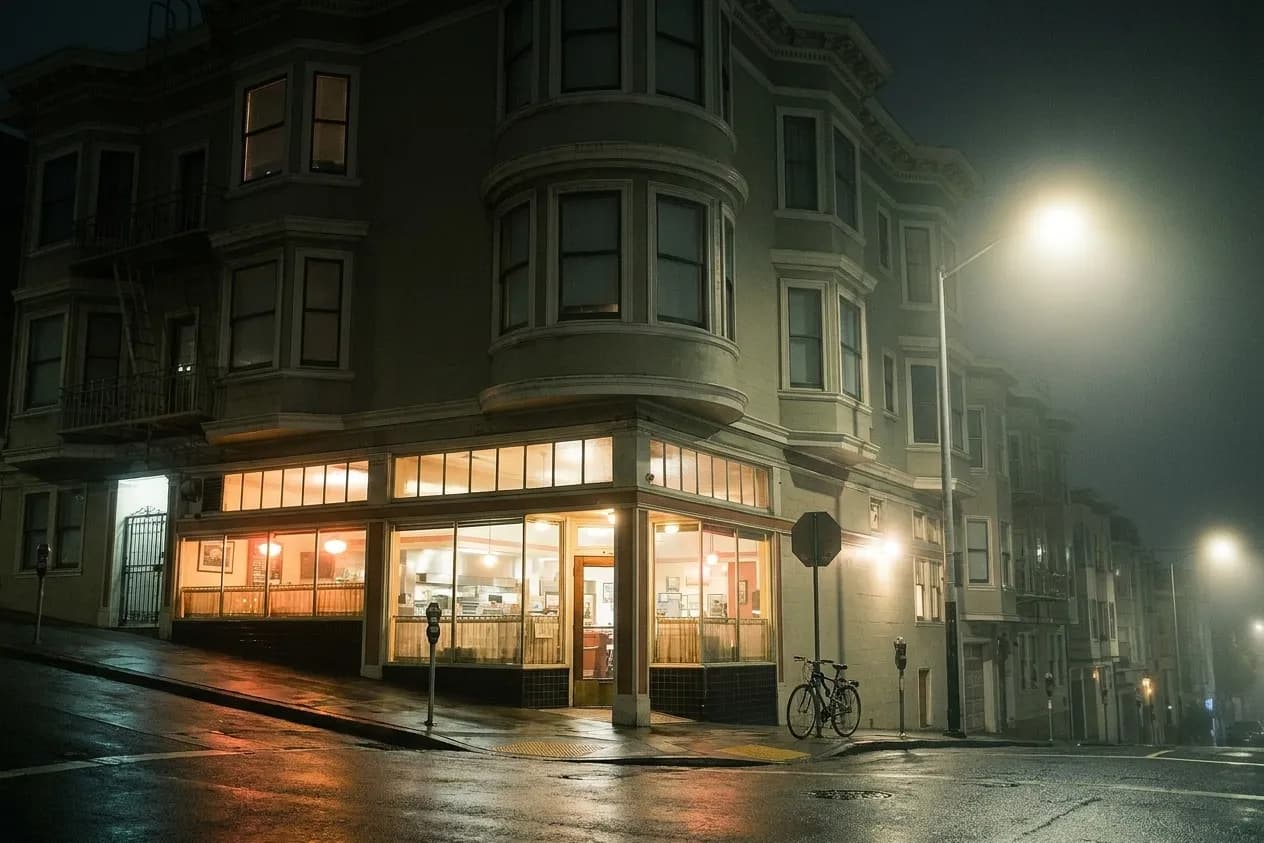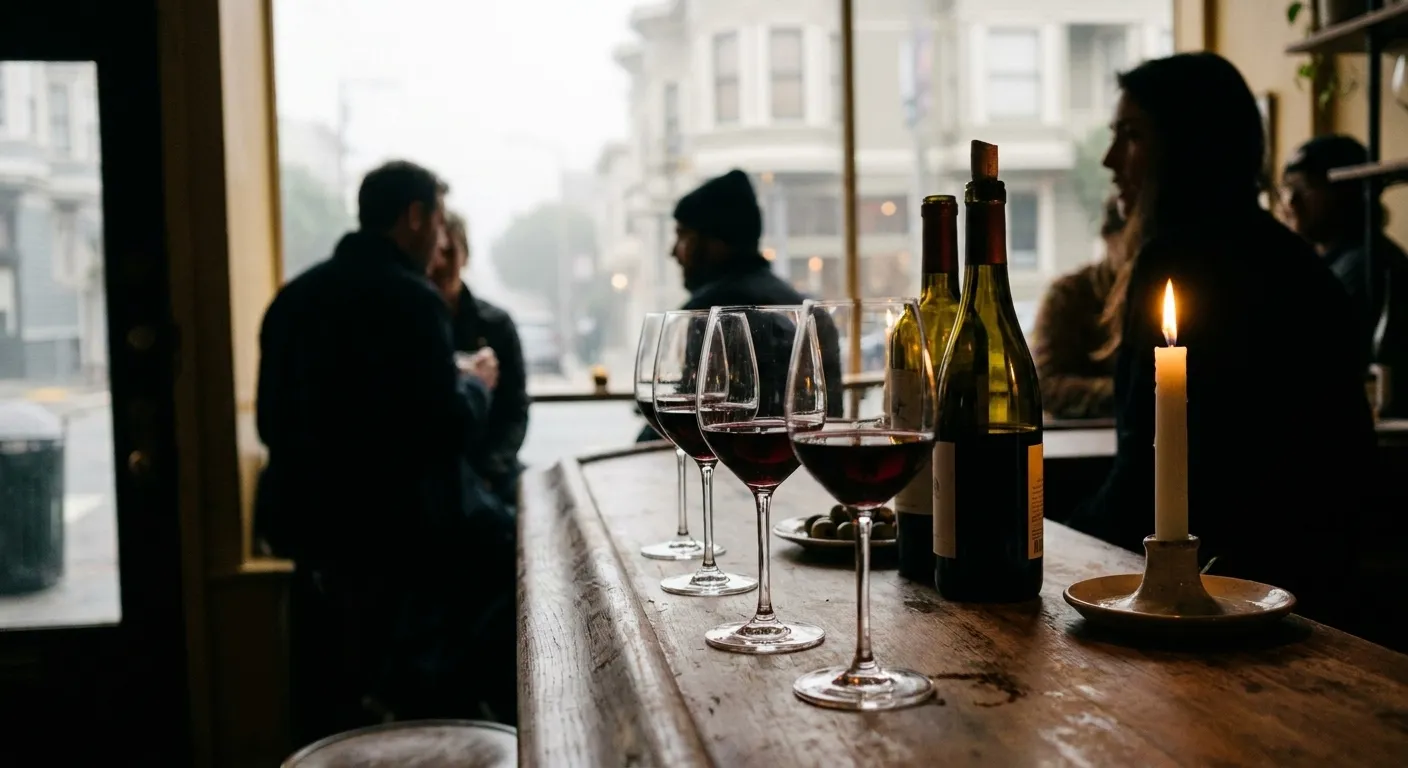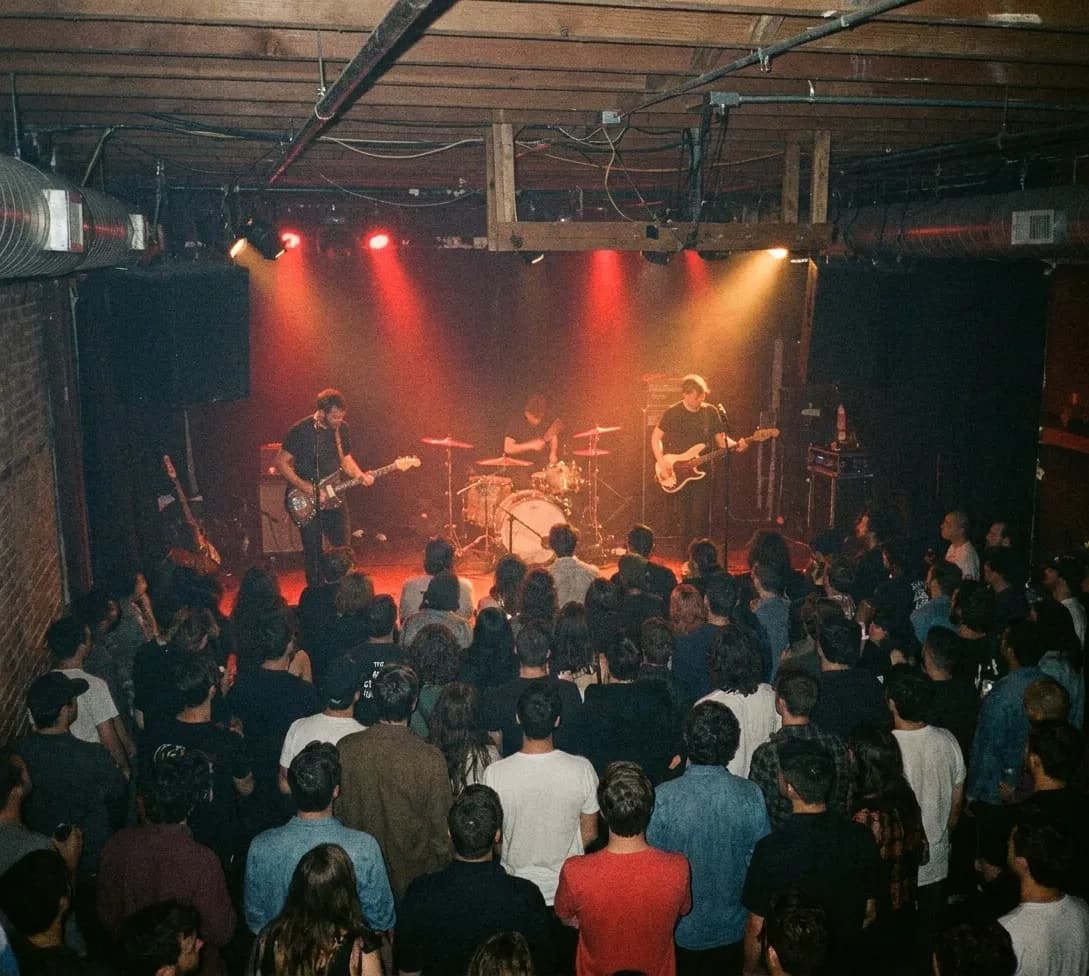
Concerts in San Francisco have a reputation for being expensive, and at arena scale that is entirely fair. But the city's actual musical life happens in rooms holding between one and five hundred people, where a ticket costs less than a cinema seat and you can see the drummer's hands. That scene is in better shape artistically than it has been in years and in worse shape commercially, and both of those facts are worth understanding before you book anything.
Small-venue listings are scattered across a dozen sites and half the good shows never get promoted. Ask Karpo what is playing near you this week under thirty dollars.
The rooms, and one that is going
Bottom of the Hill in Potrero has been the Bay Area's most important small room for decades — a stage that hosted Green Day, the Beastie Boys, Oasis and the Strokes on the way up — and it announced that it will cease operations at the end of 2026. If you have been meaning to see something there, this is the year, and that is not a promotional line: it is simply true and there is no version of the venue afterwards. Its closure is the clearest single data point about the pressure independent venues in this city are under.
The rest of the map remains strong. The Independent in NOPA opened in 2004, holds around five hundred, and is the room most likely to have a band you have actually heard of at a price that seems wrong. The Rickshaw Stop in Hayes Valley holds about two hundred and fifty and is the long-running home of Popscene, one of the longest-running weekly indie nights in the country. Between those two and a scattering of bar-venues across the Mission and Potrero, there is something worth seeing most nights of the week.
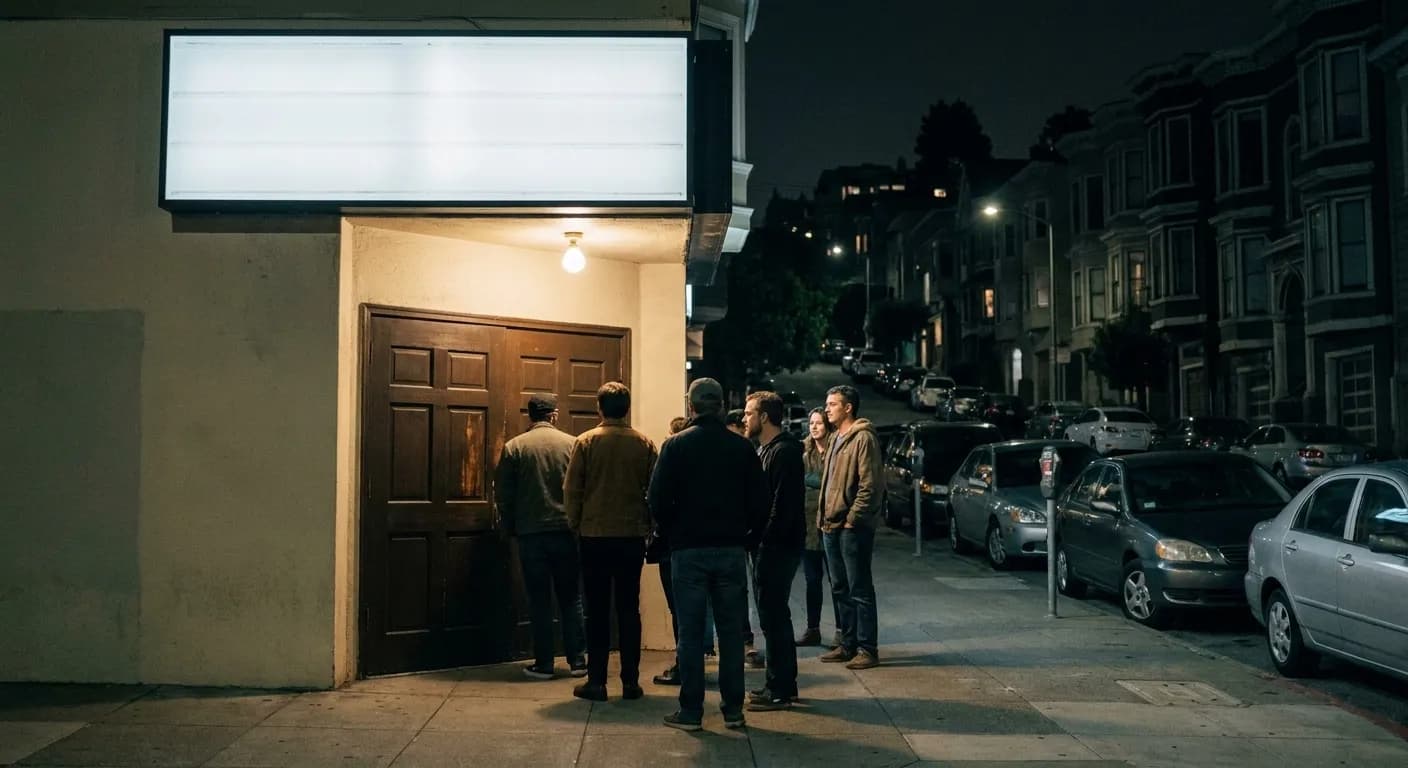
Why under thirty dollars is the sweet spot
The economics of a small room are simple and they work in your favour. A two-hundred-cap venue with a twenty-dollar ticket does not need a promoter, a dynamic pricing engine or a fee structure to clear its costs, so the price you see tends to be close to the price you pay. Above about five hundred capacity, the machinery arrives and the final number detaches from the listed one. This is why a twenty-dollar show can genuinely cost twenty dollars while a sixty-dollar show costs ninety.
Finding the shows, which is the actual hard part
The listings problem is real. Small venues do not buy advertising, the aggregators cover them inconsistently, and a lot of the best shows are announced on a venue's own calendar and nowhere else. The reliable method is unglamorous: pick four or five rooms whose booking you trust and check their own calendars directly every couple of weeks. Booking is a curatorial act, and a venue that has put on three bands you loved will put on a fourth. That is a far higher hit rate than following any individual artist.
The second technique is to buy the ticket for the headliner and turn up for the openers. Support slots at this scale are where you see bands two years before they are expensive, and the incremental cost is zero because it is the same ticket. Most people arrive forty minutes late and miss the entire point of a small room.
What the pressure on these rooms actually is
It is worth understanding why a venue with a legendary booking history closes, because it is not a lack of audience. Small rooms are squeezed from three directions at once: commercial rent in a city where the land under a two-hundred-capacity club is worth far more as something else, insurance and staffing costs that have risen faster than ticket prices, and a touring economy where artists increasingly need larger guarantees to make a route work at all. A room can be full every night and still not survive that combination.
The practical consequence for anyone who cares about live music here is unromantic: the money that keeps these places open is bar spend and merchandise, not the ticket. A twenty-dollar ticket barely covers the band. Buying two drinks in the venue rather than pre-drinking somewhere cheaper is, in a very literal sense, the difference between the room existing next year and not. This is the rare case where the sustainable choice and the enjoyable one are the same.
Practical notes
Buy from the venue directly where you can — the fee saving is meaningful at this price and the money stays in the building. Many of these rooms sell at the door on the night for shows that have not sold out, which is both the cheapest option and the riskiest. Check the age policy, because a number of San Francisco small venues are bar-first and therefore over-21 only. And go on a weeknight if you can: Tuesday and Wednesday bills at this scale are frequently the most interesting of the week, because that is when touring bands routing between larger weekend shows fill their off nights, and the room is half as full for the same music.
One last habit worth building: keep a rough mental list of the three or four rooms within reach of home, and treat a cheap ticket as the default rather than the exception. At this price point you do not need to be confident you will like the band. That is the actual argument for small venues in San Francisco — not that they are cheaper than arenas, but that they are cheap enough to go on a hunch, and going on a hunch is how anyone ends up with a favourite band nobody else has heard of yet.
Tags: #SanFrancisco #ConcertsSF #LiveMusicSF #SmallVenues #BottomOfTheHill #TheIndependent #RickshawStop #Popscene #IndieMusic #SFNightlife #BayArea #CheapConcerts #GigGuide #SupportLocal #ThingsToDoSF
All trademarks are the property of their respective owners.
Ask Karpo first
Ask Karpo which small venues near you in San Francisco have shows this week, what the door price is, and whether the support acts are worth turning up early for.