 Soccer Bar Near Me in SoMa: The Chieftain Shows Every Big Match
Watch Parties
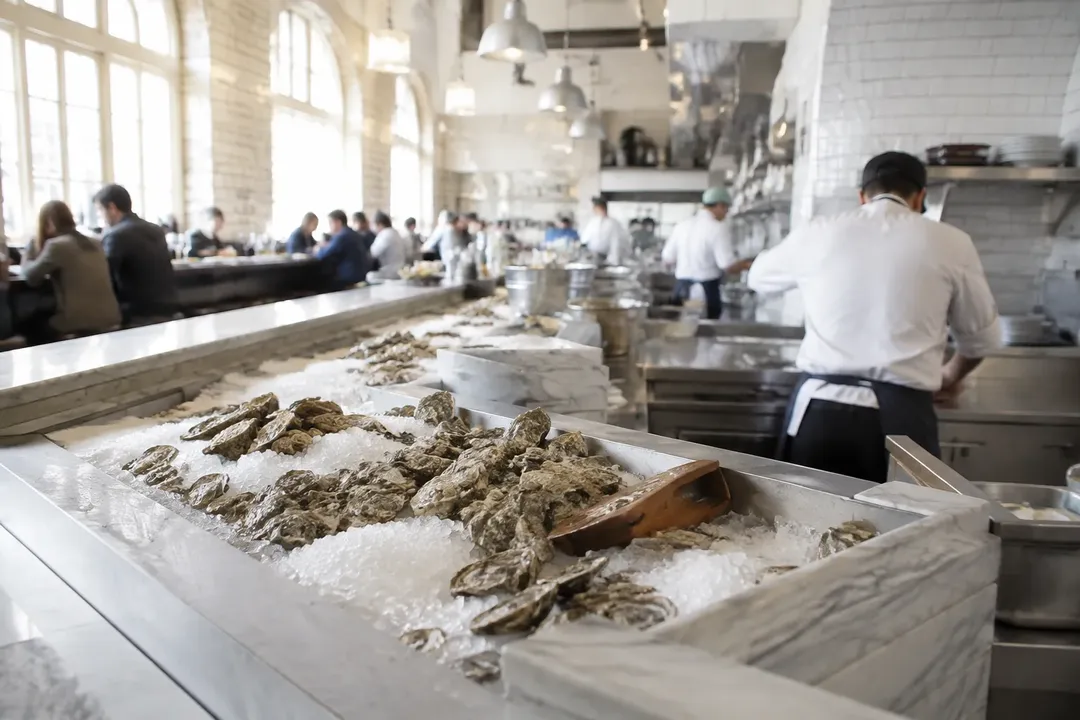
Best Seafood Spots in San Francisco for a Summer Weekend
Summer fog means most tourists cluster downtown, but locals know the seafood spots that work when the city turns cold at seven.
Most people arrive at Fisherman's Wharf around noon, stand in a forty-minute line for chowder in a bread bowl, then leave by three when the fog rolls in and the wind picks up. They miss the fact that San Francisco's best seafood isn't theater—it's served at marble counters where the kitchen stays open late enough to matter and the room is warm when you need it to be.
Karpo checks which seafood counters are still serving past eight tonight and maps a route that skips the windy blocks. Text it before you leave Noe Valley.
Why the wharf crowds miss the good oysters
The problem with planning a summer weekend around seafood in this city is that summer here behaves like autumn everywhere else. By the time you've walked from the Ferry Building to Pier 39, your jacket is zipped and the outdoor tables are empty. The visitors who flew in expecting coastal warmth are huddled inside tourist traps, while the locals are twenty blocks south at a crudo bar in the Mission or splitting Dungeness at a corner spot in the Sunset that doesn't bother with a website.
If you're texting someone to meet you for oysters and crab, the real question is whether the place will still feel right at eight-thirty, after the temperature has dropped fifteen degrees and Muni is running slower. The best seafood spots in San Francisco for a summer weekend are the ones that account for fog, hills, and the fact that your plan will change twice before you sit down.
A loop that holds up when the kitchen closes early
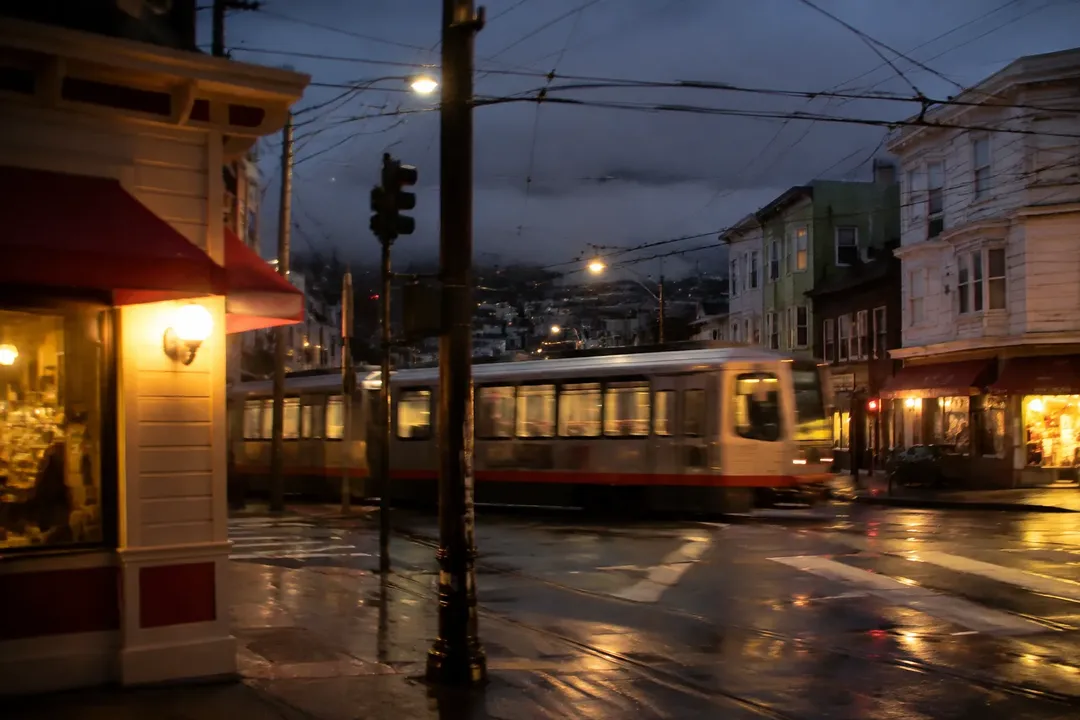
Start in Noe Valley in the late afternoon, when the sun is still clearing the rooftops on 24th Street. If you're coming from another neighborhood, the J Church gets you there without a transfer, and the walk from the stop to anywhere worth eating is flat. This is the staging ground—get coffee, confirm your evening plan, and decide whether you're committing to the Ferry Building or staying closer to the Mission.
If you're going north toward the Embarcadero, take BART from 24th Street Mission to Embarcadero Station. It's a straight shot, and you'll arrive at the Ferry Building before the merchants start shutting down their stalls. The seafood counter at Hog Island Oyster Co. inside the Ferry Building Marketplace is the anchor here—it's been open for years, the oysters are cold and clean, and the room doesn't empty out the moment the fog thickens. Check the posted closing time before you go; some vendors inside the Ferry Building wrap up by seven on weekends, but the oyster bar typically runs later. Walk outside after and the wind off the water will remind you why locals bring layers even in July.
The alternate route is to stay west and take the N Judah out to the Sunset. The ride is long, but it's reliable, and you end up near seafood spots that feel more like neighborhood corners than destinations. The stretch of Irving Street near 9th Avenue has Thai and Chinese restaurants that serve whole fish, salt-and-pepper squid, and steamed clams with ginger that locals have been ordering for decades. These kitchens close earlier than you expect—often by nine or nine-thirty—so if you're planning to eat late, call ahead or be ready to pivot.
Between those two endpoints, the Mission has smaller seafood operations tucked into blocks that also hold taquerias and wine bars. If your group can't agree on a single cuisine, this is where you compromise. You'll find ceviche, grilled prawns, and crudo on menus that also list pork and vegetables, so no one is stuck. The 24th Street corridor between Mission and Valencia is walkable, but the cross streets climb, and after dark the uneven sidewalks catch people off guard. Stick to the flatter blocks if anyone in your group has trouble with hills.
Who should pick a different plan
This route is not for people who want a single iconic experience they can photograph and leave. If your goal is to say you ate seafood at the wharf and then move on to the next landmark, you don't need a plan—you need a map and a tolerance for crowds. The spots that make sense for a summer weekend in San Francisco require patience with transit, acceptance that the weather will not cooperate, and a willingness to eat dinner at seven instead of nine because the kitchen closes early.
It's also not for anyone expecting warm patios and sunset views. The decks at waterfront restaurants are beautiful in theory, but in practice they're wind tunnels after five o'clock. If you're committed to eating outside, bring a heavy jacket and be prepared to move inside halfway through the meal. The food is worth it, but the romance is conditional.
Finally, this is not a plan for people who need everything decided in advance. San Francisco seafood spots that aren't tourist traps often don't take reservations, or they hold only a few tables and release the rest for walk-ins. If you can't handle the possibility of waiting thirty minutes or changing your destination because the place you wanted is at capacity, pick a reservations-only restaurant downtown and pay the premium for certainty.
What to confirm before you leave your neighborhood
Check whether the spot you're planning to visit is open that night. San Francisco restaurants close unexpectedly for private events, staff shortages, or because the owner decided to take the weekend off. A place that was packed last Saturday might be dark this Saturday, and you won't know until you're standing in front of a locked door. If the restaurant has an Instagram account, check the most recent post. If they have a phone number, call it an hour before you plan to leave.
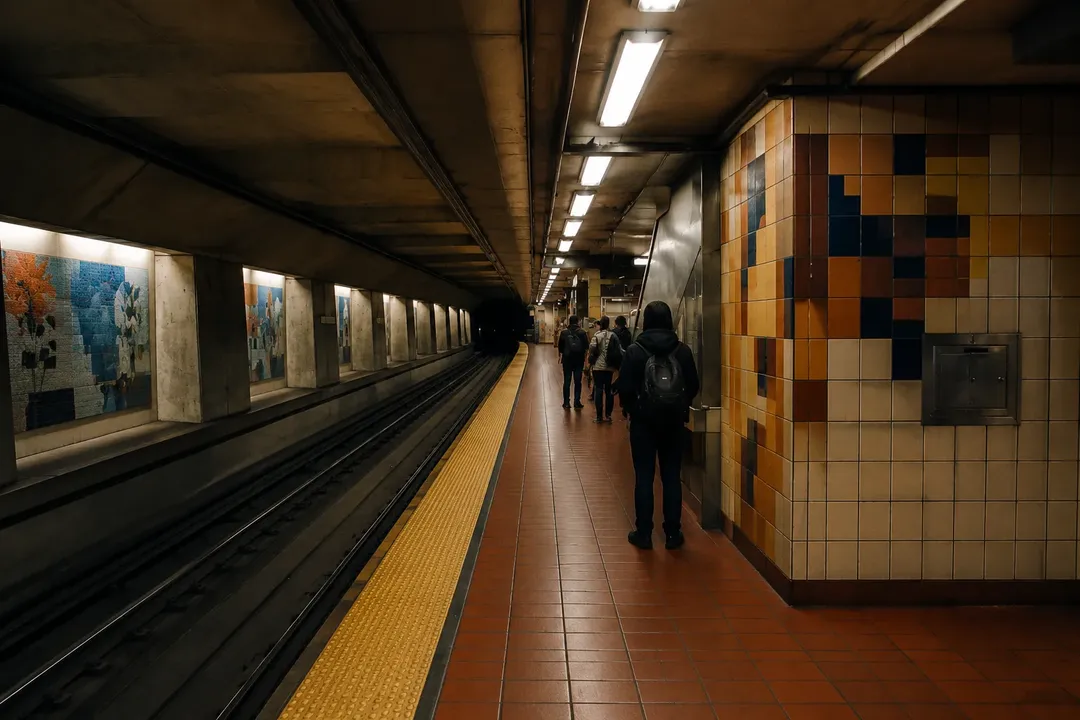
Confirm the Muni line you're taking is running normally. Weekend maintenance and track work shut down portions of the system with less notice than you'd expect, and the replacement bus service adds twenty minutes to any trip. BART is more predictable, but if you're counting on a transfer at a specific station, look up the schedule so you're not stuck on a platform in the wind.
Verify the kitchen's closing time, not the restaurant's closing time. A restaurant might say it's open until ten, but the kitchen stops taking orders at nine. If you're planning to eat late, arrive by eight at the latest, especially in neighborhoods outside the downtown core. The Sunset, the Richmond, and even parts of the Mission wrap up earlier than visitors expect, and seafood spots in particular tend to run out of the best items by the end of the night.
If your plan involves drinks, figure out your ride home before you order the second glass of wine. Late-night Muni is slow and unpredictable, and rideshare prices spike after ten on weekends. If you're coming from Noe Valley or another southern neighborhood, the last reliable BART train leaves Embarcadero around midnight, and the N Judah stops running to the Sunset well before one. Plan to leave earlier than you think, or budget for a car.
Practical notes
- Ferry Building vendors close between 7-8 PM on weekends; confirm hours before heading north.
- N Judah to the Sunset takes 35-40 minutes from downtown; factor in wait time at stops.
- Fog and wind intensify after 6 PM near the water; bring a jacket even if it's warm at 3 PM.
- Most neighborhood seafood spots stop seating by 9 PM; arrive by 7:30 if you want full menus.
- If you're drinking, arrange a safe ride home—late Muni is unreliable and rideshare surge pricing hits hard after 10 PM.
- Hills between Mission and Noe Valley are steep; stick to 24th Street for the flattest east-west route.
Tags: #karpo #sanfrancisco #seafoodsf #sfseafood #noevalley #ferrybuildingsf #missionsf #sunsetsf #sfweekend #summersf #sfmuni #localsf #sfoysters #bayareafood #sfrestaurants
Sources consulted: San Francisco Municipal Transportation Agency · Ferry Building Marketplace · Bay Area Rapid Transit
Please drink responsibly. Must be of legal drinking age.
All trademarks are the property of their respective owners.
Ask Karpo first
Text Karpo to check which seafood counters near you are still serving tonight and whether the Muni line you need is running on time. It'll map a route that avoids the windiest blocks and give you a backup spot if your first choice is at capacity or closed early.
Ask Karpo for more information.
Keep reading
- Soccer Bar Near Me in SoMa: The Chieftain Shows Every Big Match
 Soccer Bar Near Me: The Mission Room With Bike Racks and Sausages
 Where to Watch MLB Playoffs Near Me: The Polk Street Bar With 25 Screens