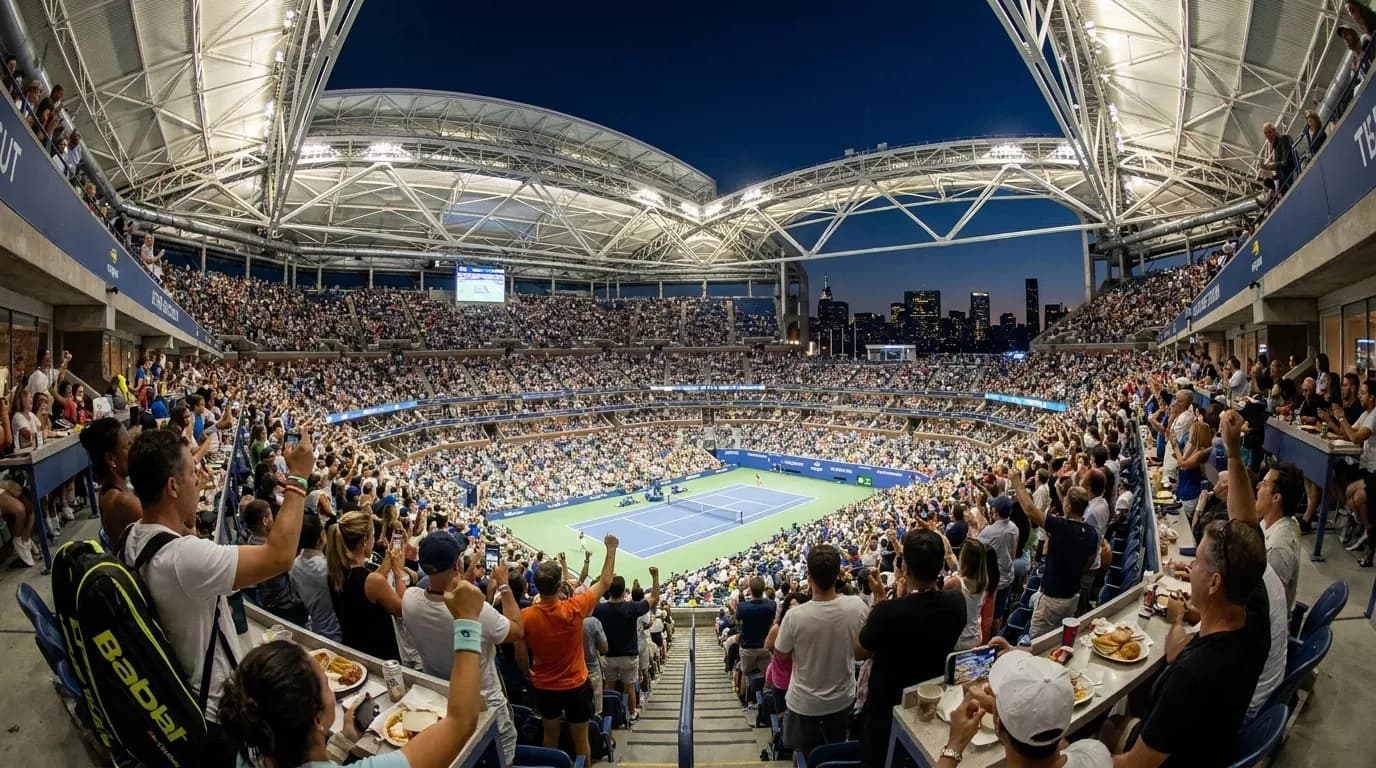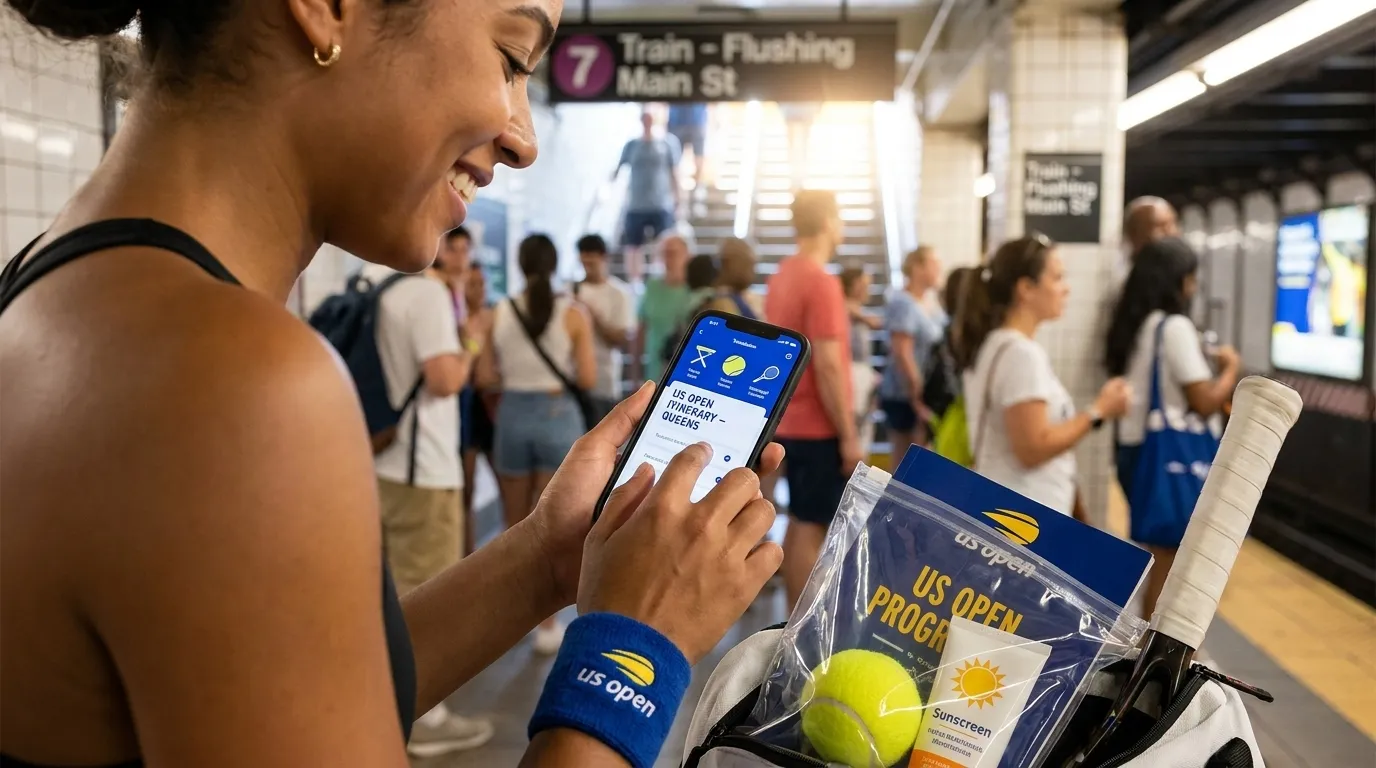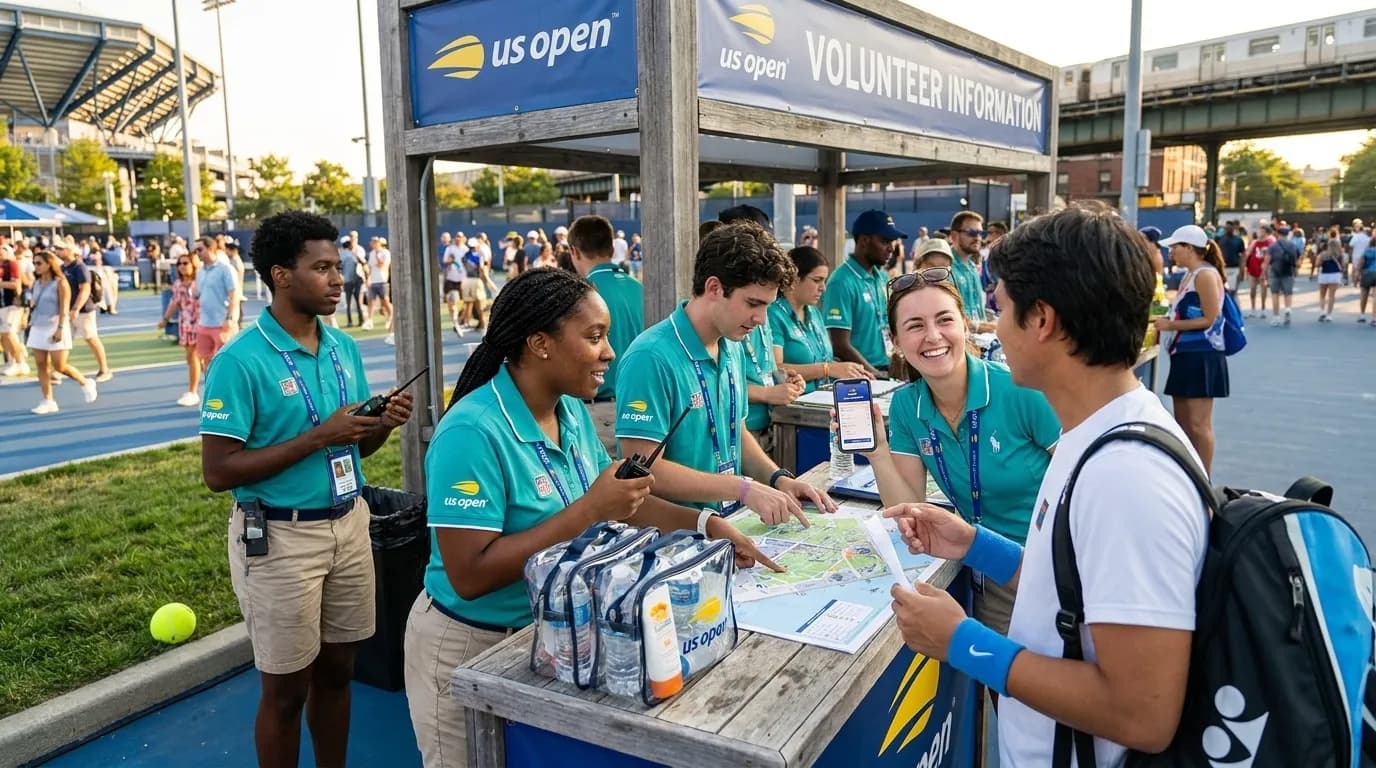
If you want the tennis atmosphere without spending the whole day inside the grounds, build the evening around verification, not assumptions. The official 2026 US Open calendar runs August 23 through September 13, with singles main-draw play beginning August 30, but match timing, gate procedures, transit conditions, weather, and nearby venue programming can shift. Start by checking the official US Open schedule, A-Z visitor information, transportation guidance, and prohibited-items page close to the day you plan to go. Then choose a rooftop, terrace, hotel bar, or elevated lounge that confirms three things directly: whether it will show US Open highlights or live coverage, whether adults-only or age-related rules apply, and whether reservations, walk-ins, minimums, or private-event closures could affect your visit. That small discipline keeps the night flexible, polished, and much less frustrating.
Text Karpo to find a nearby rooftop-style stop that fits your post-match mood and transit route.

Choose the Right Kind of Rooftop Night
“Rooftop bar” can mean very different things in New York: an open-air roof, a covered terrace, a hotel lounge with skyline views, a seasonal deck, or a bar that feels elevated even if it is not literally on a roof. For US Open highlight watching, the most useful question is not whether the space photographs well. It is whether the venue can support the kind of night you actually want: seated conversation, visible screens, weather protection, easy transit back, and staff who can confirm current programming.
A highlights-focused plan is also different from a live-match plan. If you are coming from the grounds after a day session, you may want a calmer place where recap packages, sports channels, or later matches might be shown. If you are meeting friends who did not attend, you may want a venue with screens visible from multiple tables, not just one TV over the bar. If you are planning around a featured match, treat that as provisional until the official schedule and broadcaster details are clearer. The better move is to ask the venue what they expect to show on your date and whether sound will be on, limited, or unavailable.
Neighborhoods to Search Near the Tennis
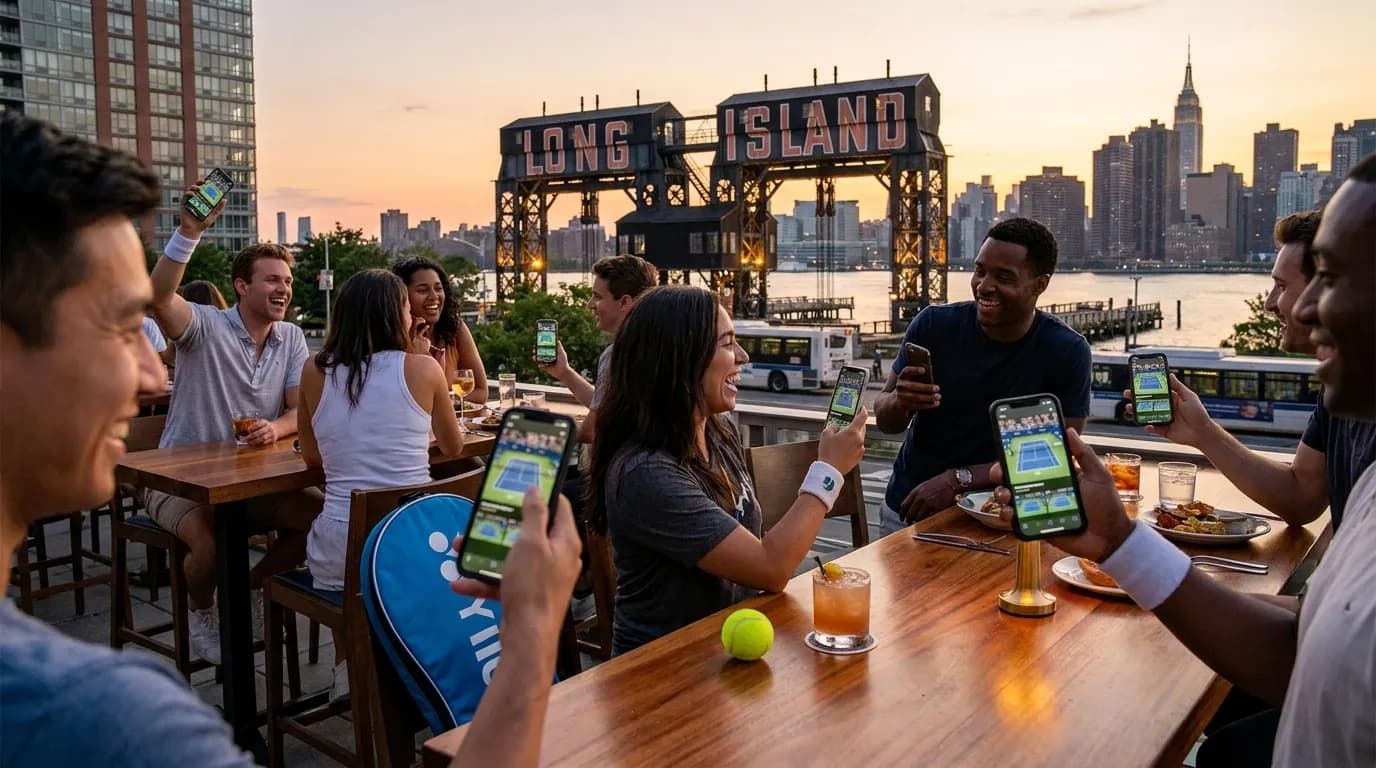
For proximity, start with Queens. Flushing is the natural first search area for visitors already oriented around the US Open, and NYC tourism information identifies Flushing as a Queens neighborhood worth exploring in its own right. The practical advantage is simple: less cross-borough complexity and more room to adjust if a match runs long, weather changes, or your group separates. Search for rooftop, terrace, hotel bar, lounge, and sports bar terms rather than relying on “rooftop” alone, because some useful venues may describe themselves differently.
If you are comfortable adding transit time, broaden the map to other Queens neighborhoods and then to Manhattan areas with direct or familiar connections. Long Island City-style skyline venues, Midtown hotel bars, and East Side lounges may appear in search results, but do not assume they are convenient on a tournament evening. Compare the trip from your specific starting point, not from a generic map pin. The official US Open transportation and directions page should be checked close to travel, especially if you are trying to coordinate rail, subway, rideshare, or a post-event pickup.
- Search first by date and party size, then filter for outdoor terrace, rooftop, covered roof, hotel lounge, or sports viewing language.
- Call or message the venue directly to confirm whether US Open coverage or highlights are expected on the screens that evening.
- Ask whether entry is limited by age at the door, by time of day, by seating area, or by a private-event policy.
- Check whether reservations are available, whether walk-ins are realistic, and whether weather could close or reconfigure the rooftop area.
- Map your return route before committing, especially if the night may end after transit patterns or rideshare demand have changed.
Age Rules Are Not One-Size-Fits-All
Because this is an adults-oriented night out, age rules deserve an early check. A venue may allow younger guests at lunch but not later in the evening, permit mixed-age groups in a dining area but not at a bar, or change access rules for ticketed events, private buyouts, or late-night service. Do not rely on an old review, a social post, or a booking platform blurb. The most reliable answer comes from the venue’s current website or a direct reply from staff.
When you ask, be specific. “Are you 21-plus after 8 p.m. on September 4?” is more useful than “Are kids allowed?” If your group includes international visitors, remind them that venues may require accepted physical identification and may not accept every digital or foreign document. Do not assume flexibility at the door. For a smoother night, every adult should carry current government-issued identification, and the organizer should save the venue’s written confirmation of any age or entry rule that matters to the group.
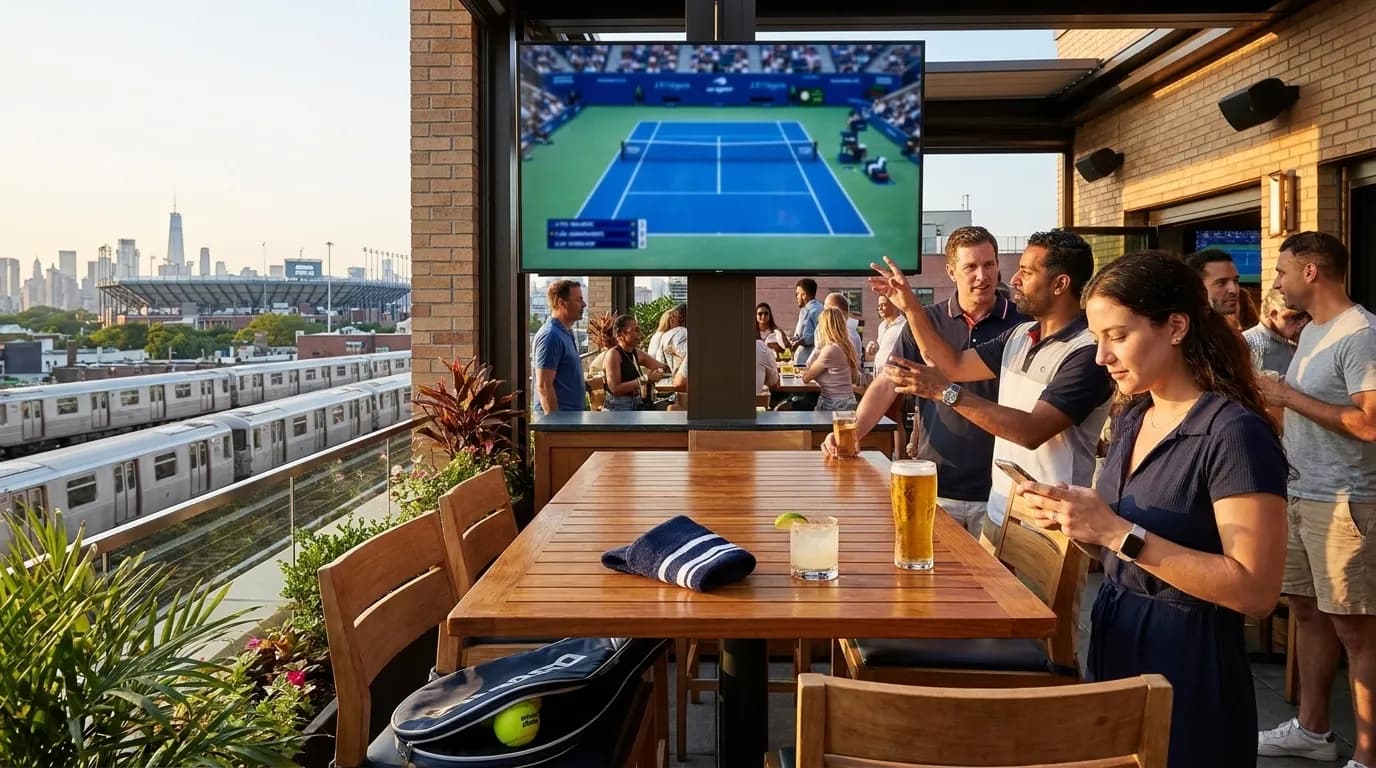
Screens, Sound, and Highlight Timing
A rooftop can be lovely and still be a poor place to watch tennis. Before booking, ask where the screens are, whether they are visible from reserved seating, and whether the venue plans to show tennis, general sports programming, or whatever a broadcaster carries at the time. Some places prioritize ambiance, music, or private events over sports audio. That may be perfect for a social night, but disappointing if your group wants to follow a match or compare highlights from the day.
Timing is another place to stay flexible. The US Open schedule identifies the broader tournament calendar, but specific viewing plans can depend on match order, weather, broadcast decisions, and the venue’s own programming. If your goal is “highlights nearby,” you have more freedom than someone chasing every point live. Plan around a time window rather than a single exact moment. For example, you might leave the grounds, get settled, order, and then ask staff what tennis coverage is available once you arrive. That approach is less brittle than building the entire evening around one presumed screen.
Food, Ordering, and Seating Without Guesswork
Do not build the plan around a menu item you have not verified. Rooftop and terrace venues may change menus, pause food service, limit outdoor seating, or host events that alter ordering. If dinner matters, confirm whether full dining, bar snacks, table service, or standing-room service is available during your planned window. If anyone in the group needs vegetarian, vegan, gluten-free, nut-aware, halal, kosher, or other dietary accommodations, ask the venue directly about current options and kitchen practices rather than relying on labels from third-party listings.
The most comfortable format is usually a reservation with a realistic arrival window and a backup nearby. If the venue takes reservations, ask whether a rooftop seat is guaranteed or merely requested. If the space is first-come, decide how early your group is willing to arrive and whether you would still enjoy the place without the view. For larger groups, ask about splitting checks, minimum spends, cancellation policies, and whether the venue can keep everyone in the same area. None of those details should be assumed in a busy tournament period.
Pairing a Grounds Visit With a Rooftop Stop
If you are attending the US Open earlier in the day, your rooftop plan should respect the official visitor rules. Check the US Open A-Z guide and prohibited-items page before packing, because venue rules can affect what you carry before and after tennis. A bag, camera accessory, food item, bottle, or other personal item that seems harmless at dinner may not be permitted at the tournament site. The cleanest strategy is to pack lightly, avoid questionable items, and know where you can store or skip anything that would complicate entry.
Also give yourself a transition buffer. Exiting a major sporting event, finding friends, checking transit, and reaching a rooftop can take longer than it looks on a map. Weather can change the feel of both the grounds and an outdoor bar, so keep the outfit practical: comfortable shoes, a layer, and a plan for rain or heat. If you are coordinating with people who are not attending the matches, set a meeting place outside the tournament flow rather than asking everyone to navigate by vague landmarks.
Practical Notes
- Recheck the official US Open event schedule close to your date, especially if you are planning around August 23 to September 13, 2026, or the singles main draw beginning August 30.
- Review the official A-Z visitor information, transportation and directions page, and prohibited-items guidance before leaving for the grounds.
- Verify the rooftop or terrace venue directly: date, time, party size, age policy, ID expectations, reservation status, weather plan, and whether tennis coverage or highlights are expected.
- Confirm food service and dietary needs with the venue rather than relying on older photos, reviews, or third-party menus.
- Choose a backup in the same neighborhood or along your route home, so a private event, capacity issue, weather closure, or programming change does not derail the evening.
The best version of this night is relaxed because the uncertain parts have already been checked. Treat the official US Open pages as your tournament baseline, treat the venue’s current staff response as your bar baseline, and keep the itinerary close enough to adjust. With that approach, rooftop-style highlight watching becomes a smart extension of the tennis day rather than a gamble on old information.
Tags: #USOpen2026 #Tennis #NewYork #Queens #FlushingMeadows #KarpoFinds #Karpo #USOpenHighlights #QueensRooftops #PostMatchPlans
Sources consulted: usopen.org — Official reference · usopen.org — Official reference · usopen.org — Official reference · usopen.org — Official reference · nycgo.com — Official reference
All trademarks are the property of their respective owners.
Ask Karpo first
Ask Karpo what to verify before going, from access policies to whether tennis highlights are actually on.