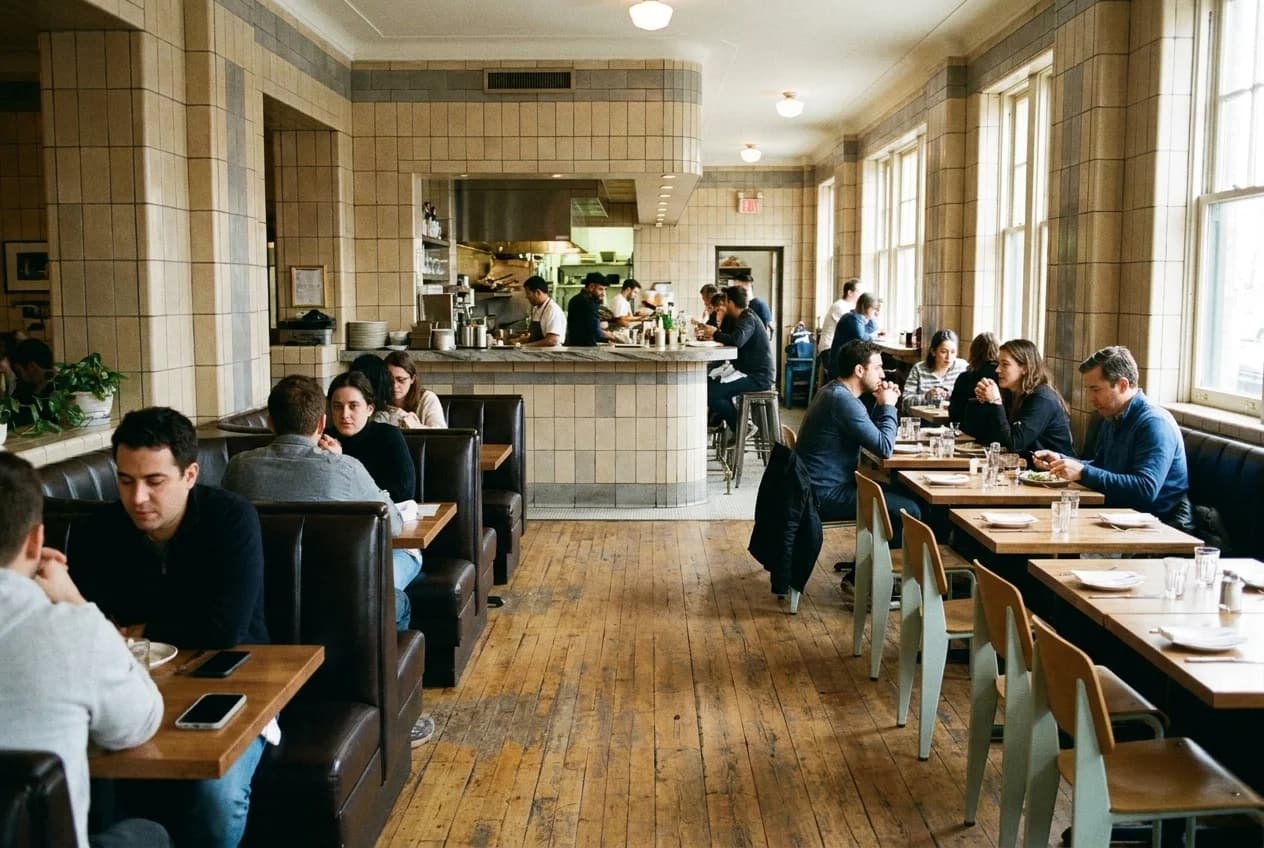
New York restaurant coverage is structurally biased towards week one. An opening is an event, it has a date, and it generates a list. What almost nothing covers is month fourteen, which is when the far more useful thing happens: the kitchen has stopped performing its own launch, the menu has been cut down to what actually sells, and the staff have worked together long enough to stop making small mistakes. A restaurant at fourteen months is a known quantity in a way it was not at four, and the ones that got better rather than quieter are a much more reliable list than anything published on opening night.
The difficulty is that nobody publishes a list of restaurants that quietly improved, because it is not news. Tell Karpo the kind of dinner you want and roughly where, and it will weigh how a place is running now rather than how it was reviewed when it opened.
What actually changes after the first year
Three things, usually. The menu gets shorter, because a year of data tells a kitchen which dishes are ordered and which were there to make a point. The pacing improves, because the front of house has learned the room's rhythms. And the sourcing settles, because the suppliers who could not keep up have been replaced.
The visible symptom of all this is that a first-year menu of twenty-two items becomes a second-year menu of fourteen, and the fourteen are better executed. If you ate somewhere at opening and found it scattered, that is precisely the sort of place worth a second visit at the anniversary.
How to tell the difference from outside
A restaurant that has settled reads differently on the page. The menu is shorter and the descriptions are plainer, because the kitchen no longer needs to explain itself. Prices have usually moved once - a correction rather than a creep - and the wine list has either grown properly or shrunk to something the staff can actually talk about.
A restaurant that is drifting shows the opposite pattern: the menu is the same length as it was but with substitutions, the specials do most of the work, and the online photographs are all from the opening month.
Booking is easier at fourteen months than at four
This is the practical payoff. The pressure on reservations at a new opening comes from coverage, and coverage moves on. A place that was impossible in month three frequently has weekday tables in month fifteen, at the same restaurant, cooking better food.
The window to exploit is roughly the second autumn. September and October push a fresh wave of openings into the news cycle, which pulls attention off everything from the previous year and briefly makes very good rooms bookable again.
The bar seat is the honest test
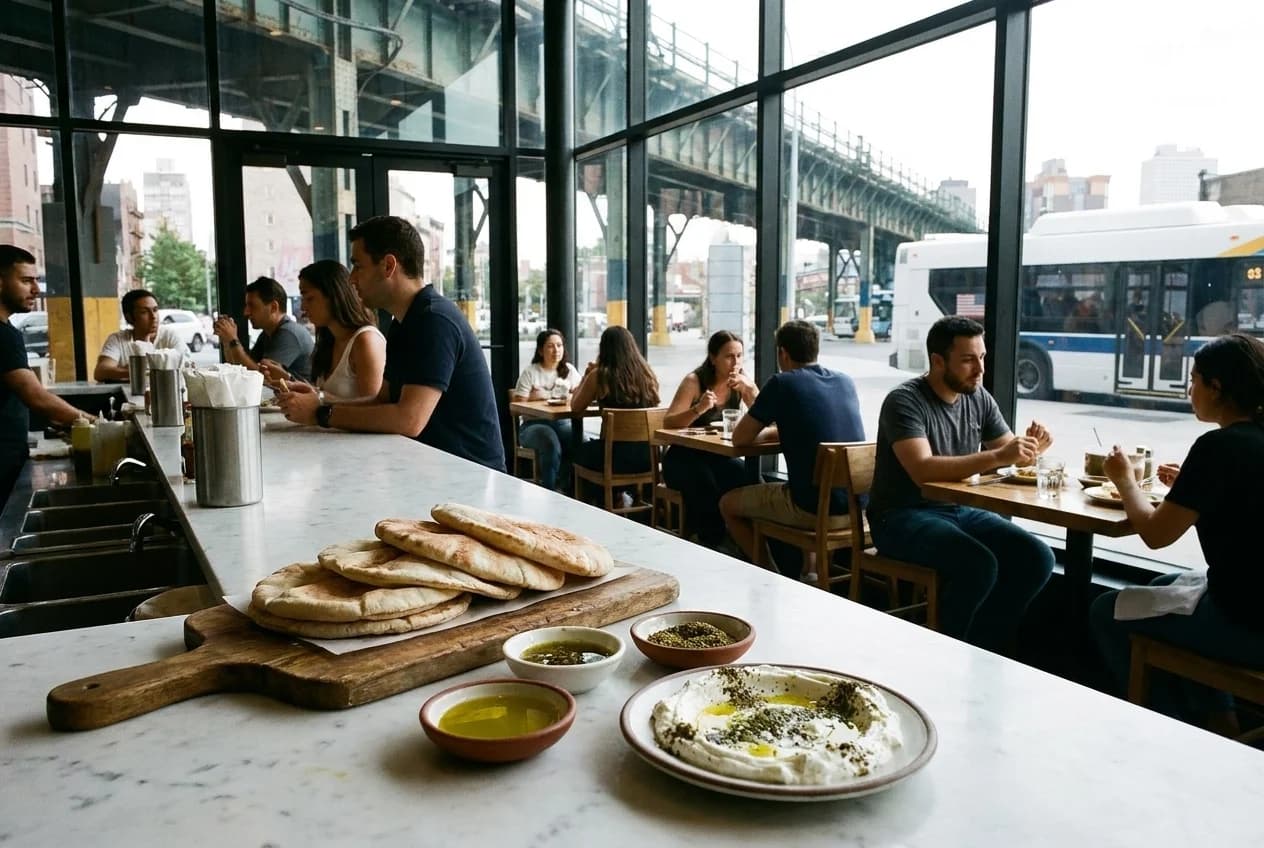
If you want to assess a room without committing to a two-hour dinner, eat at the bar. A kitchen that is running well sends food to the bar at the same standard as to the dining room, and the bartender in a settled restaurant knows the menu properly rather than reciting it.
It is also the format that reveals staffing. A restaurant that has held its people will have someone behind that bar who was there a year ago, and they will tell you which of the fourteen dishes is the one to order. That conversation is not available on any booking platform.
Neighbourhood rooms versus destination rooms
The survival economics differ. A destination restaurant needs to keep generating reasons to travel, which pushes it towards novelty and, often, towards a tasting format. A neighbourhood restaurant needs regulars, which pushes it towards consistency and a price that supports a Tuesday.
For most dinners the second is the better bet, and it is the category that benefits most from the year-two effect. The version of a neighbourhood restaurant that has learned its own street is genuinely different from the one that opened on it.
What to order when you are testing a room
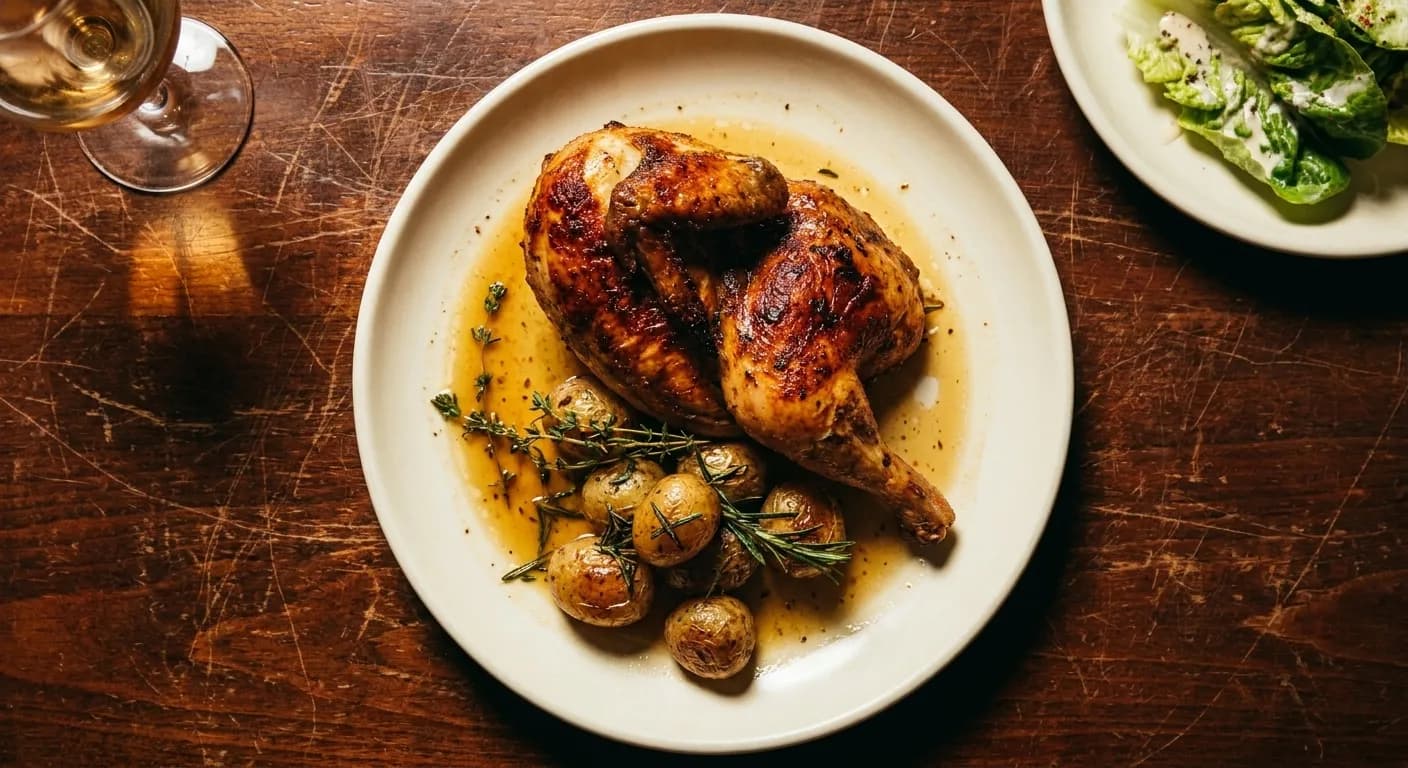
Order the thing that cannot be hidden. A roast chicken, a plate of pasta, a whole fish - dishes with nowhere to put a mistake. A kitchen that is confident after a year will have one of these on the menu and will not have dressed it up.
Then order one thing that sounds slightly odd. The proportion of the menu that is doing something specific rather than something safe tells you whether the second year made the place better or merely more cautious, and it is the difference between a restaurant you return to and one you simply remember.
When a second visit is not worth it
The year-two effect is not universal. Some restaurants respond to a hard first year by cutting rather than sharpening - the menu shortens, but so does the ambition, and what is left is a competent version of something that used to be interesting. That is a real and common outcome and it is worth naming.
The tell is usually the wine list and the daily specials. A kitchen that is still trying keeps changing something; a kitchen that has settled for survival prints the same page for eight months. If the menu you are looking at is identical to the one from a year ago minus six dishes, the room may be fine but it is no longer improving.
Tags: #BestRestaurantsNearMe #NYC #NewYorkRestaurants #WhereToEatNYC #NYCDining #RestaurantGuide #NewYorkCity #DinnerNYC #FoodNYC #NYCFood
All trademarks are the property of their respective owners.
Ask Karpo first
The best table in New York is often in a room that stopped being news a year ago. Ask Karpo which places near you are running better now than they were when they opened.