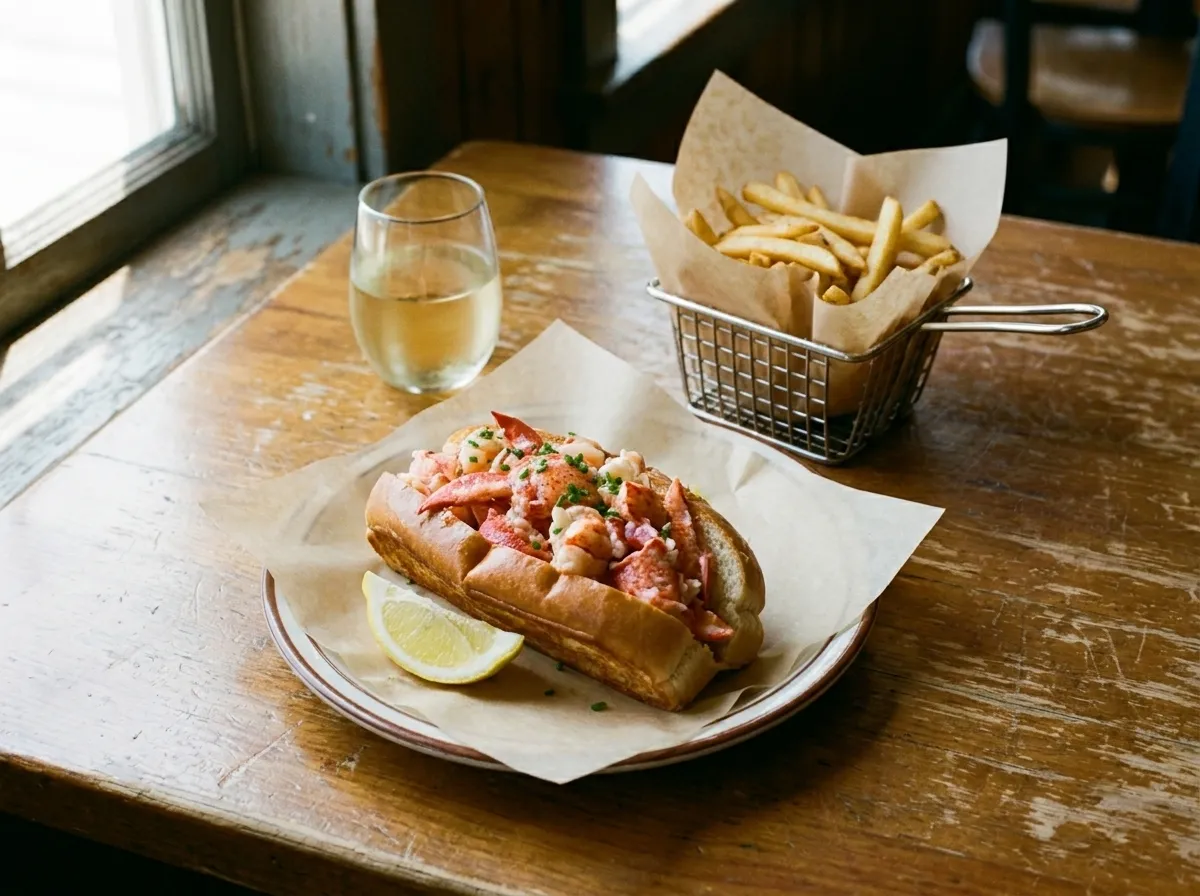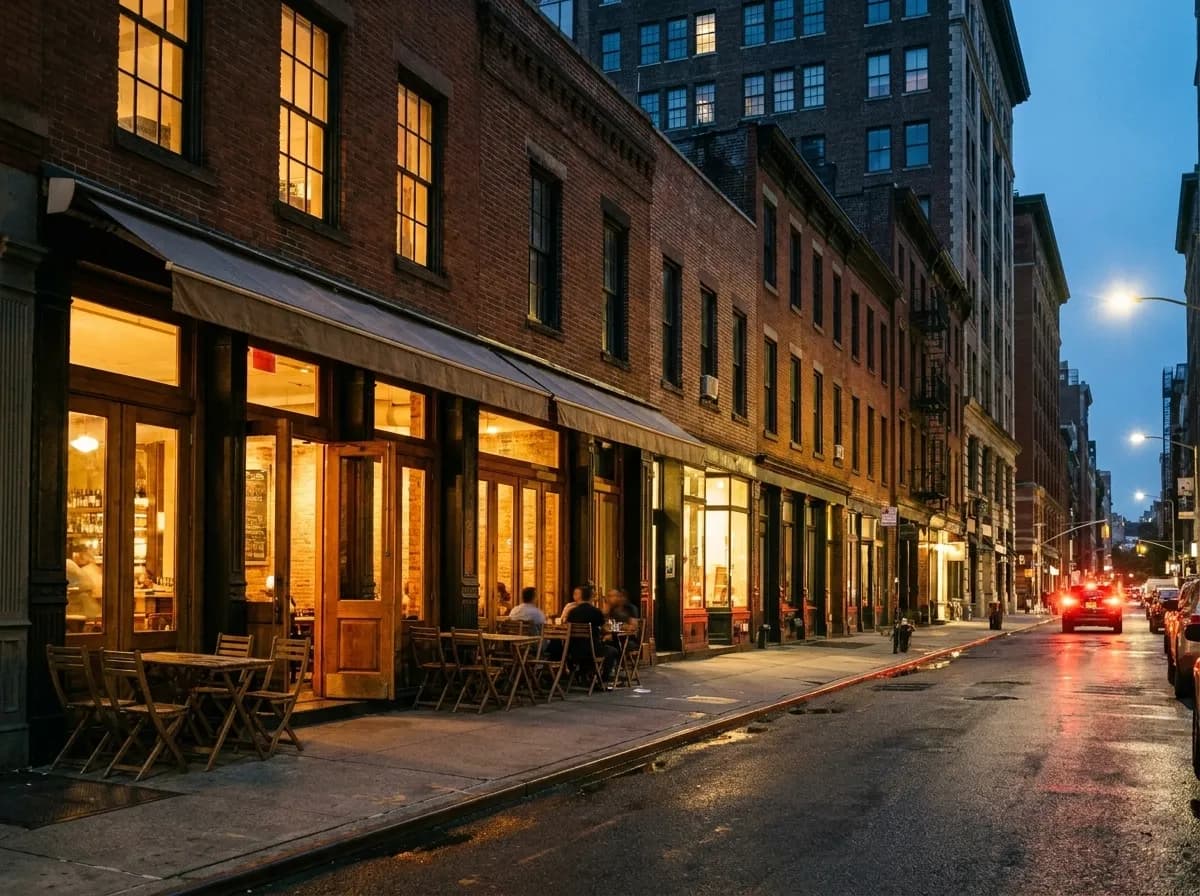
The gap between a restaurant's reputation and its weeknight reality lives in the menu, but almost no one reads it before they book. You look at the Resy slot, the rating, maybe a photo of the room, then you commit. By the time you sit down and see forty items spanning six cuisines, or a laser-focused list of eight dishes that all share one technique, the reservation is spent. The menu was always public. It told you whether this kitchen has discipline, whether the room is stable or flailing, and what your odds were as a walk-in if the booking falls through.
Before you lock in a reservation, the Karpo app can surface menus from clusters near you and flag which ones show real focus versus kitchen sprawl.
Menu length is a load-bearing signal
A menu with thirty-five or forty items is not a sign of abundance. It is a sign of a kitchen that cannot say no, which means it is pre-prepping across too many ingredient chains and holding things too long. In Manhattan below 34th Street and in north Brooklyn, the reliable rooms run eight to sixteen mains. The West Village and cobblestone stretches of Dumbo show this clearly: the places that hold their quality through a weeknight rush are plating six pastas, three proteins and two vegetable mains, maybe a crudo. They are not offering Thai curry, French onion soup, and a Cubano on the same printed card.
When the menu tops twenty-five items and spans multiple culinary traditions, the kitchen is either over-staffed for its covers or under-disciplined for its concept. Both problems mean the same thing for you: wildly uneven execution depending on what you order and when you order it. A forty-item menu also implies the kitchen has given up on seasonality, because no one can source and rotate that many plates on a weekly basis. You are looking at a static list that was printed once and defended with freezer space.
The flip side matters just as much. A menu with six items total is not automatically precious or focused. It can mean the chef is running a proof-of-concept and has not yet learned what the room actually wants to eat three times a week. The optimal signal in New York is ten to fourteen items: tight enough that every ingredient is turning over, broad enough that a table of four is not negotiating. You see this in the low-numbered streets of the East Village, along Court Street in Carroll Gardens, and on the reliable blocks of Astoria above the train. Those kitchens know exactly what they are.
Cooking methods cluster when the kitchen is organized
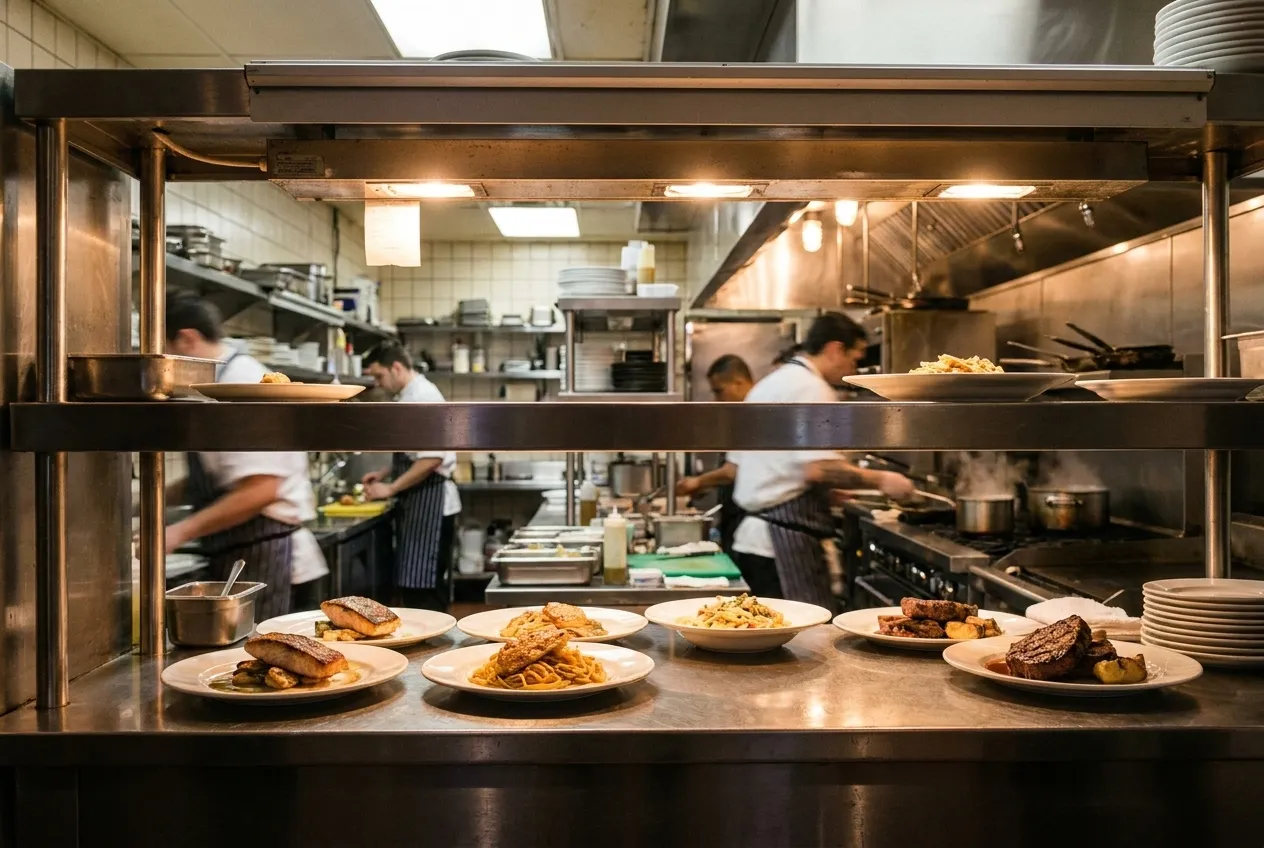
Read the menu for technique, not for ingredient. If you see grilled, roasted, braised, fried, raw, sautéed and steamed all on one card, you are looking at a kitchen that is operating every station at once on every service. That is a staffing overhead that only high-volume rooms can support, and high-volume rooms in New York do not take last-minute bookings. If they are offering you a table tonight, something is wrong with the flow.
The disciplined play is to cluster methods. A pasta-forward menu will show you boiled, baked and raw. A wood-fire concept will show you grilled, roasted and charred, with one cold appetizer. When a kitchen commits to two or three methods, it means the cooks are working in rhythm and the dishes are timed to each other. You see this in the northern blocks of the Lower East Side and the tight restaurant rows near Union Square: menus that know what their oven does, what their range does, and what comes out cold. The rest is declined.
If the menu lists a cooking method only once—one steamed dish in a lineup of twelve—that dish is either a liability or a chef's pet that does not sell. Either way, it is a loaded gun. The kitchen has to fire up and monitor a technique for one plate per service. That is exactly the kind of distraction that sinks timing on a busy night, and New York kitchens are busy four nights a week now.
Specials written by hand mean the room is still changing
Printed specials are not specials. They are the items the kitchen could not commit to when the menu went to press, or they are seasonal rotations that have calcified into permanent fixtures because guests kept ordering them. When the specials are laser-printed on card stock and clipped to the menu, the room has stopped evolving. You are looking at a restaurant that made its decisions two years ago and is now defending them.
Handwritten specials on a chalkboard or recited by the server mean the chef is still in the room and still responding to what came in that day. This is the mark of the kitchens that matter in Bed-Stuy, Greenpoint and the numbered streets west of Eighth Avenue. The specials are written in marker that morning, they sell out by eight, and they do not come back until the ingredient does. Those are the rooms that can take a walk-in, because they are working with margin and they are working fresh.
The absence of specials is also a signal. If the menu is twelve items and nothing is listed as a special, the chef is confident the menu does not need help. That is the stance you see in the West Village below 14th Street and in the tight blocks around Prospect Park: a printed menu that stands on its own because it was thought through and tested. You do not need a special when the menu is already doing what it is supposed to do.
Price clustering tells you what the room is optimized for
If every main is within three dollars of every other main, the kitchen is pricing for check average, not for ingredient cost. That is the move of a stable room with predictable traffic. You see it in the restaurant blocks of the Upper West Side and the established corners of Park Slope: mains at twenty-eight, thirty and thirty-two dollars, no outliers. The kitchen is not trying to upsell you on a premium protein, and it is not trying to subsidize a loss leader. It is plating what it knows it can plate at volume, and the prices reflect a mature operation.
Wide price spreads—mains ranging from eighteen dollars to fifty-five dollars—mean the kitchen is trying to serve two different audiences at once, and that is almost never a functional strategy in New York. The eighteen-dollar plate is there to get people in the door, and the fifty-five-dollar plate is there to lift the average when someone is spending. What it really means is the kitchen does not know who it is for, and a kitchen that does not know who it is for does not have a consistent product.
The other tell is appetizer pricing. If appetizers are half the price of mains, the kitchen expects you to build a meal from small plates, and the mains are there as a formality. If appetizers are two-thirds the price of mains, you are looking at a traditional structure where the kitchen wants you to order three courses. If appetizers cost nearly as much as mains, the restaurant is a small-plates concept that has not committed to the format and is hedging with a few large plates to keep older guests comfortable. All three models work, but only when the menu commits. A menu that tries to be all three is a menu designed by a committee, and a committee does not run a kitchen.
When you are standing on a corner in Nolita or Williamsburg trying to decide between three options, pull the menus on your phone. The one with fourteen items, two cooking methods and prices within four dollars of each other is the one that will seat you as a walk-in and plate your food in rhythm. The one with thirty-eight items and a ten-dollar spread is the one that is already too busy or the one that is about to be empty, and either way it is not the move. The menu told you everything. You just had to read it.
Tags: #BestRestaurantsNearMe #NYCRestaurants #NewYorkDining #RestaurantMenus #NYCEats #DiningInNYC #ManhattanRestaurants #BrooklynEats #RestaurantStrategy #KitchenDiscipline #WalkInDining #NYCFoodScene #MenuReading #DiningTactics #SmartDining
All trademarks are the property of their respective owners.
Ask Karpo first
Open the Karpo app to see which kitchens near you are running tight menus right now, whether they are holding walk-in tables, and how long the waits are running block by block. The app tracks real-time menu updates and knows when a room has shifted its lineup, so you are working from today's list, not last season's press.