Over the past eighteen months, dozens of LA kitchens that built their reputation in a single dining room have opened second locations. The pattern is predictable: a Venice spot opens in Silver Lake, a Thai kitchen in East Hollywood plants a flag in Culver City, a taco operation in Boyle Heights launches a West Adams branch. What changed is the speed. Kitchens that used to wait five years before expanding now do it in two, and the distance between addresses has grown. What has not changed is the gap in execution between the original and the newer room, and that gap is wider than most people expect.
Before you commit to a drive across town, open the Karpo app to see which location is actually cooking tonight and whether the wait at the original is worth it or the branch is your smarter play.
The Myth That Both Locations Cook the Same Menu the Same Way
People assume that a restaurant opening a second location means the kitchen has figured out how to replicate its output. The belief is that recipes travel, systems scale, and if the name is the same, the food will be too. This is almost never true in practice. What actually happens is that the easier half of the menu moves to the new address, and the complicated half stays at the original. The dishes that require the most attention, the longest prep, or the chef's direct involvement remain where the chef actually works.
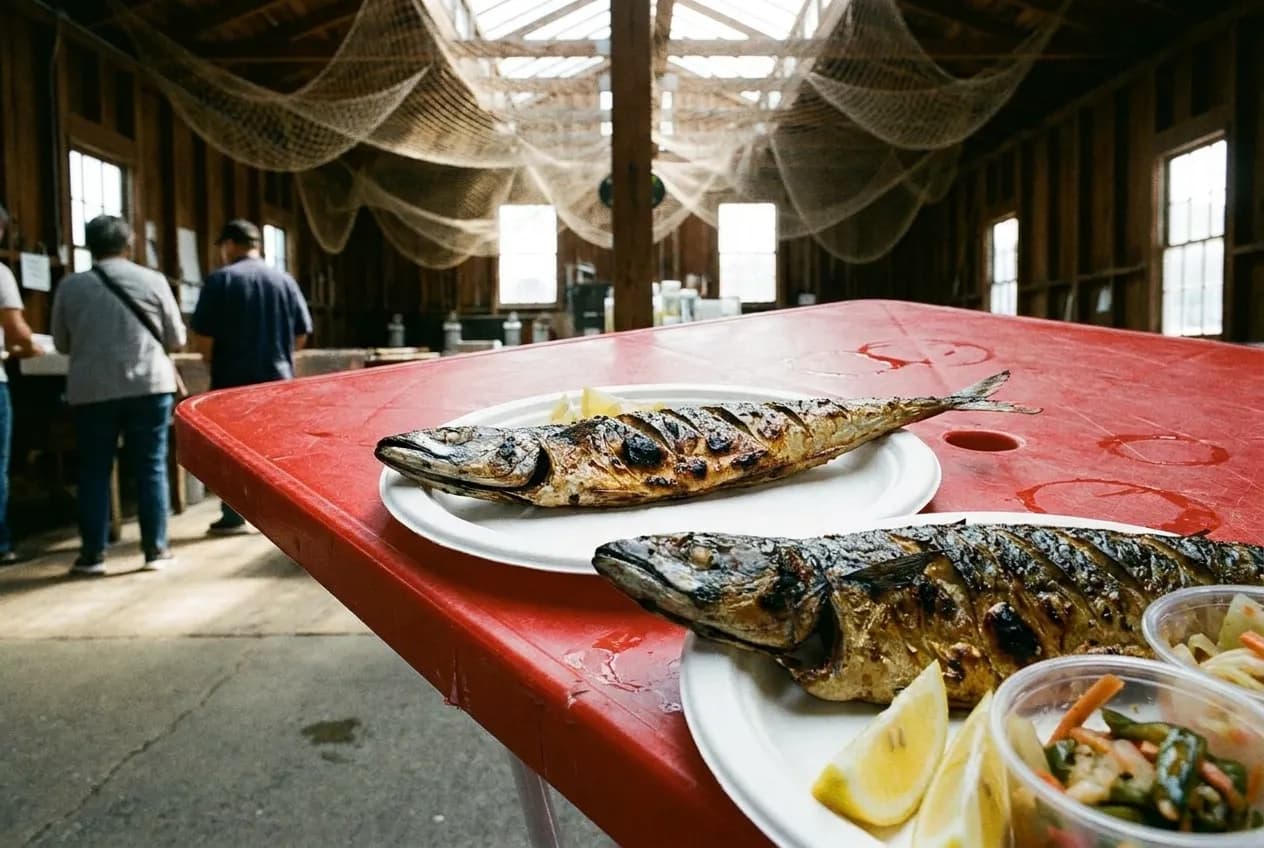
The original location keeps the whole roasted fish, the hand-pulled noodles, the mole that takes two days, the pasta made to order. The branch gets the rice bowls, the tacos from a prep station, the curry that holds in a steam table, the pizza that comes out of a deck oven with a timer. This is not a quality judgment on those dishes. It is a structural reality. A chef cannot be in two kitchens at once, and the techniques that made a place worth driving to in the first place are usually the ones that do not scale.
When you order the signature dish at the branch, you are often getting a version that was engineered for consistency rather than the version that built the reputation. The difference shows up in texture, in the way a sauce coats, in whether the protein has color. The original still cooks it the hard way. The branch cooks it the way that works when the chef is not in the building.
What Actually Moves to the New Address and What Stays Behind
The staff who move to the new location are rarely the A-team. The opening crew at a branch is usually a mix of newer hires and one or two experienced cooks pulled from the original to train them. The general manager might split time between both addresses for the first few months, but the day-to-day operations at the branch fall to someone who was not running the original room. This matters more than the menu. A kitchen's rhythm, its ability to time six tables at once, its judgment about when to pull a steak, does not transfer just because the recipes are written down.
The original location keeps the relationships that make a restaurant work. The produce vendor who drops off the good tomatoes at seven in the morning, the butcher who saves the ribcaps, the regular who comes in Tuesday and Thursday and always orders the same thing so the kitchen knows to have it ready. Those relationships do not duplicate. The branch gets the same suppliers, but it gets what is left after the original has placed its order. It gets the produce from the truck, not the produce from the back of the vendor's car.
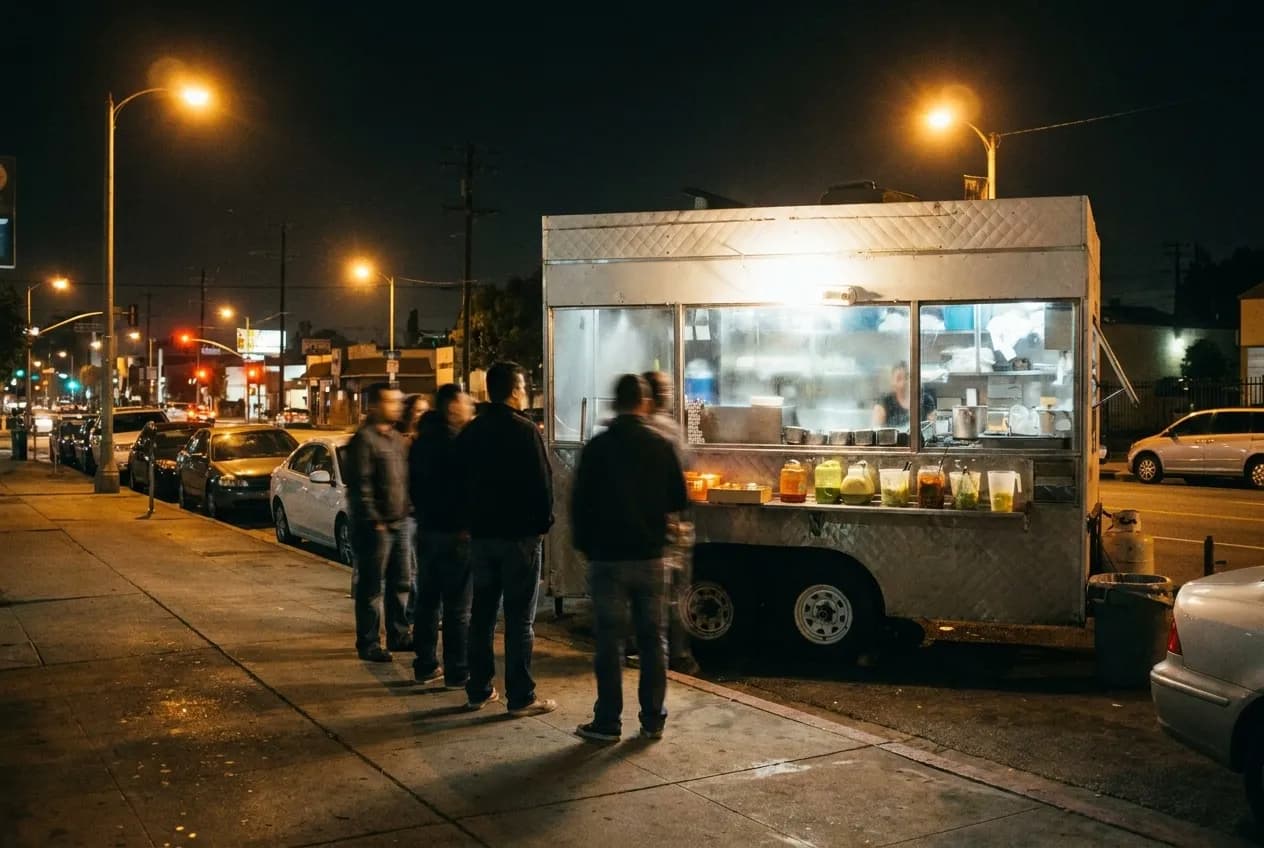
What does move to the new location is availability. The branch is almost always easier to book, quieter at peak hours, and more willing to accommodate a walk-in. If the original has a forty-minute wait on a Friday night, the branch might seat you in ten. If the original is slammed at brunch, the branch has open tables. This is the trade-off: you give up the version of the kitchen that is firing on all cylinders, and you get a table.
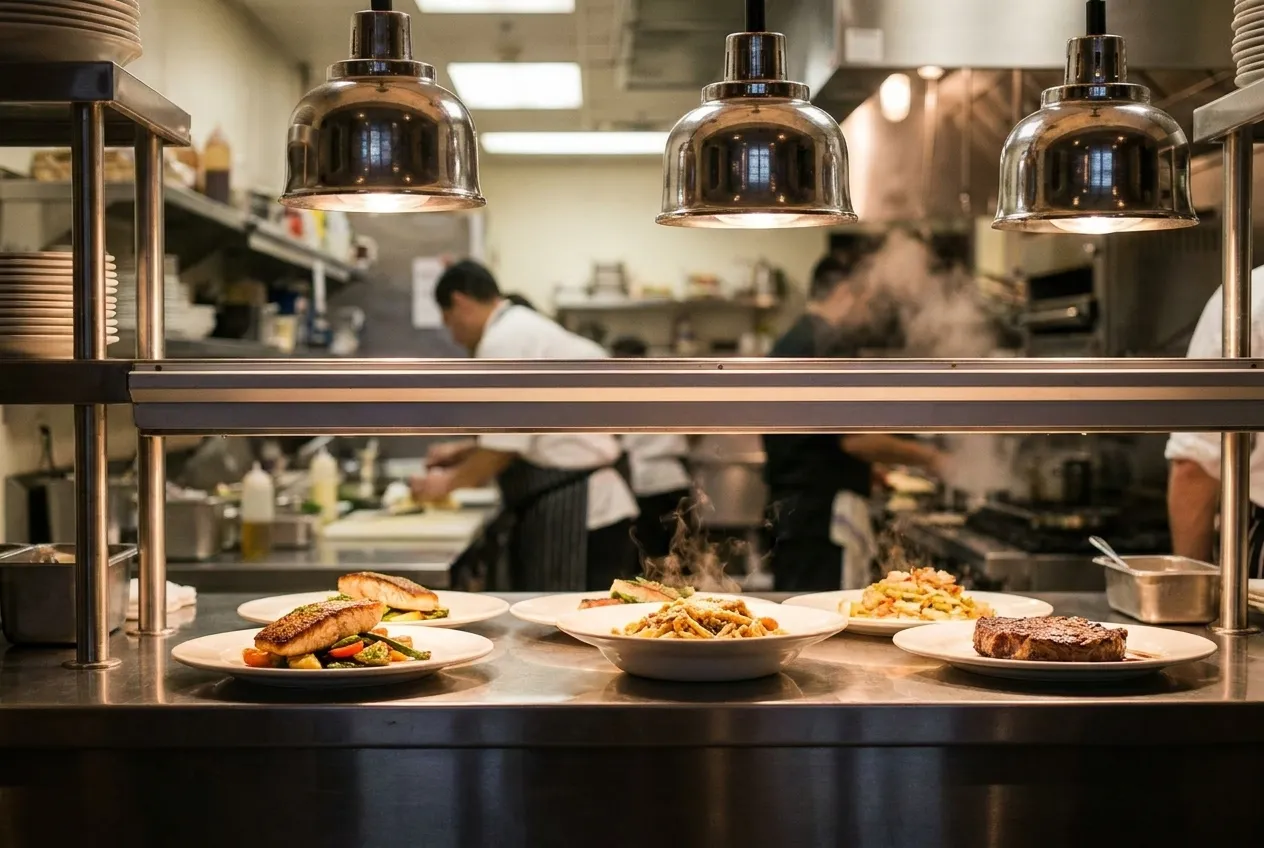
The Signals That an Expansion Has Stretched a Kitchen Too Thin
The first signal is that the original location gets slower. If a kitchen that used to turn tables in ninety minutes is now taking two hours, and the food is arriving in waves instead of courses, the staff is split. The second signal is that the menu at the original starts to shrink. When a kitchen opens a second location and then quietly drops three dishes from the original menu, it means those dishes required attention the kitchen can no longer provide. The third signal is that the chef stops working the line at the original. If the person who built the place is now spending half the week at the branch, the original is running on muscle memory.
The branch will show its limits faster. The tells are obvious if you know what to look for. Proteins are cooked to the same doneness regardless of the cut. Sauces taste like they were made this morning instead of yesterday. Garnishes are applied with less care. The plating is a little sloppy. These are not catastrophic failures, but they are the difference between a kitchen that is thinking about each plate and a kitchen that is executing a system.
The most reliable signal is the wait time. If the original has a line and the branch does not, the customers have already voted. People will wait for the version that is better, and they will skip the version that is not. If both locations are equally busy, it usually means the kitchen has figured out how to run two rooms, or the original has declined enough that the difference no longer matters. Either way, the wait tells you what you need to know.
When to Choose the Branch Anyway
There are situations where the branch is the smarter choice. If you are eating with a group larger than four, the branch usually has the space and the willingness to accommodate you. If you are eating with children, the branch is quieter and more forgiving. If you are eating at an off-hour, early on a weeknight or late on a Sunday, the branch is more likely to be open and staffed. If you are ordering delivery, the branch is often closer to your address and faster to arrive, and the food travels the same distance either way.
The branch is also the better choice if you are eating the simpler half of the menu. If you are ordering a sandwich, a salad, a rice bowl, or a straightforward pasta, the difference between the two locations is minimal. The original's advantage shows up in the dishes that require skill and attention, not in the dishes that are mostly assembly. If you are not ordering the signature, the branch will get you fed faster and cheaper.
The trade-off worth accepting is this: the branch gives you convenience, and the original gives you the version of the kitchen that people talk about. If you are willing to wait, to drive further, to eat at a less convenient hour, the original is almost always the better meal. If you need a table now, or you are eating something simple, or you are prioritizing ease over excellence, the branch will do the job. The mistake is assuming they are interchangeable. They are not, and knowing which one to choose is worth more than knowing the name on the door.
Tags: #BestRestaurantsNearMe #LosAngelesRestaurants #LADining #OriginalVsBranch #HiddenGemsLA #LosAngelesFoodie #RestaurantExpansion #LAEats #DiningTacticsLA #KitchenSecrets #LAFoodScene #RestaurantInsider #WhereToDineLA #LARestaurantGuide #SmartDiningLA
All trademarks are the property of their respective owners.
Ask Karpo first
Before you pick a location, open the Karpo app to see which address is open right now, whether the original has a wait, and how long it will take you to get there. Karpo tells you what is actually cooking tonight and gives you a live route to whichever room makes sense for your timing.