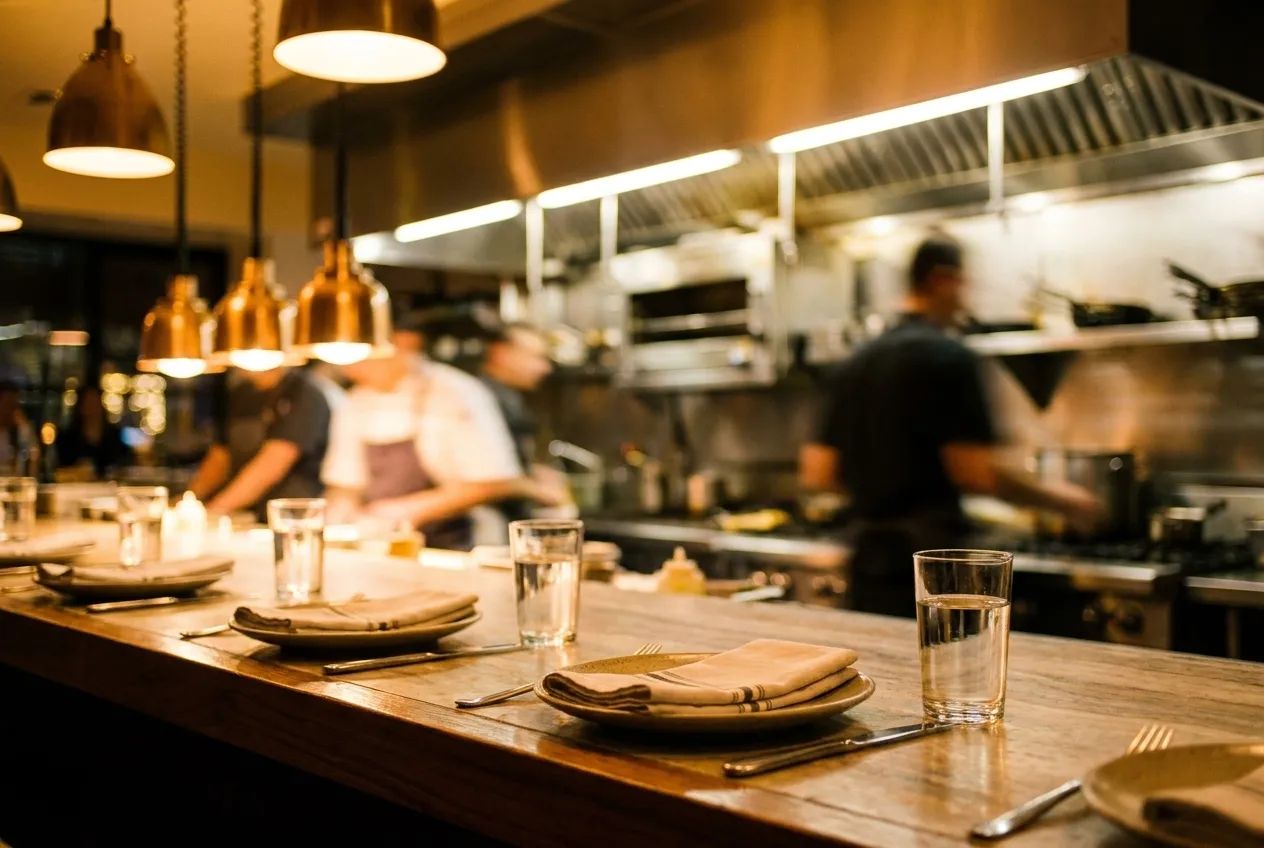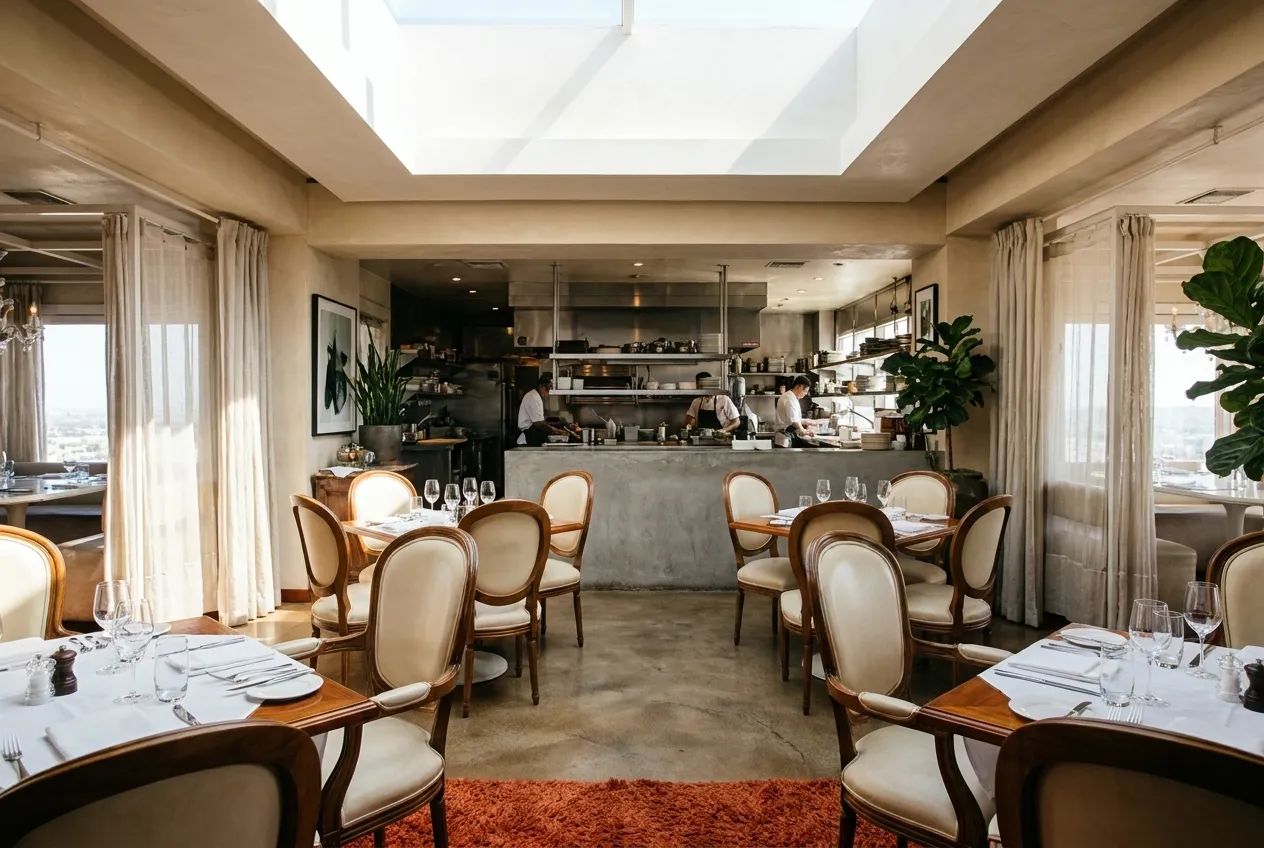
The reputation says you need a reservation three weeks out. The reality at 12:45 on a Tuesday is a half-empty dining room, a menu that runs two pages instead of five, and the same chef working the same stations. Los Angeles has always had a strange relationship with weekday lunch service. The city sprawls too far for the midtown office-lunch infrastructure that props up daytime business in denser metros, and the entertainment industry keeps its own schedule. But a growing number of ambitious dinner destinations have started opening at noon, not to chase the expense-account crowd, but to fill tables that would otherwise sit dark and to let cooks work a longer shift. The gap between evening demand and midday capacity is wide enough that lunch has become the cheapest, fastest way to eat cooking you would wait weeks to try at night.
Before you drive across town for lunch, ask Karpo which dinner rooms are actually open midday today and whether the shortened menu includes the dish you're chasing.
Which Categories Actually Open for Lunch
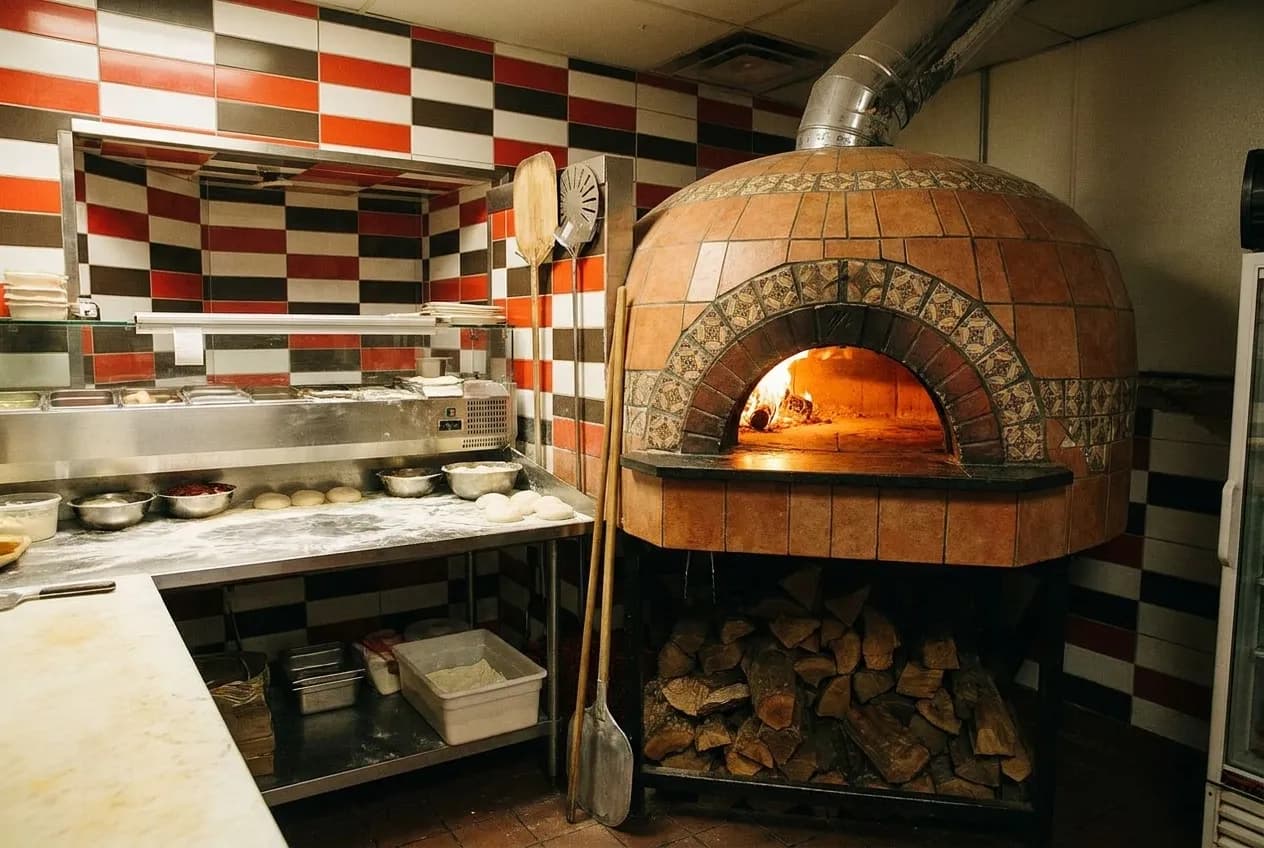
Not every dinner room runs a lunch shift, and the pattern of which ones do is more about operational logic than cuisine type. High-end Italian spots with pasta programs open for lunch more reliably than other categories because pasta service scales well to smaller volumes and the dishes people want at noon overlap heavily with the evening menu. Japanese restaurants are a coin flip: izakaya-style places almost never do lunch, while sushi counters sometimes run a midday shift with a simplified nigiri selection and a lower per-person spend. New American tasting-menu rooms rarely open before dinner unless they are inside a hotel, where the kitchen is already staffed for breakfast and the incremental cost of staying open is lower.
French bistros and brasseries have the strongest daytime presence, a carryover from the format's European roots where lunch has always been a full service. Steakhouses follow a similar pattern, especially in Beverly Hills and downtown, where the business-lunch audience still exists in enough density to justify the labor. Korean and Thai fine-dining projects, newer to the Los Angeles scene, have mostly skipped lunch entirely, running dinner-only schedules that assume their audience will plan around them. The through-line is whether the kitchen can justify the fixed costs of opening—rent, utilities, minimum front-of-house staffing—on a lower average check. A dinner room that does 60 covers at an average of 95 dollars per person can sometimes make the math work at lunch with 35 covers at 45 dollars, but only if the rent is manageable and the location has enough foot traffic or nearby office density to fill those 35 seats without heavy marketing spend.
How the Midday Menu Differs
The lunch menu is almost always shorter, but the editing choices vary. Some kitchens run a greatest-hits version of the dinner card, keeping the three or four dishes that define the restaurant and dropping the rest. Others use lunch to test new ideas in a lower-stakes environment, where a dish that does not land costs less in wasted prep and does not derail a tasting menu's pacing. A third approach treats lunch as a separate concept: a pasta-forward midday menu at a place that does composed plates at night, or a sandwich-and-salad program that shares ingredients with the evening service but arranges them in faster, more casual formats.
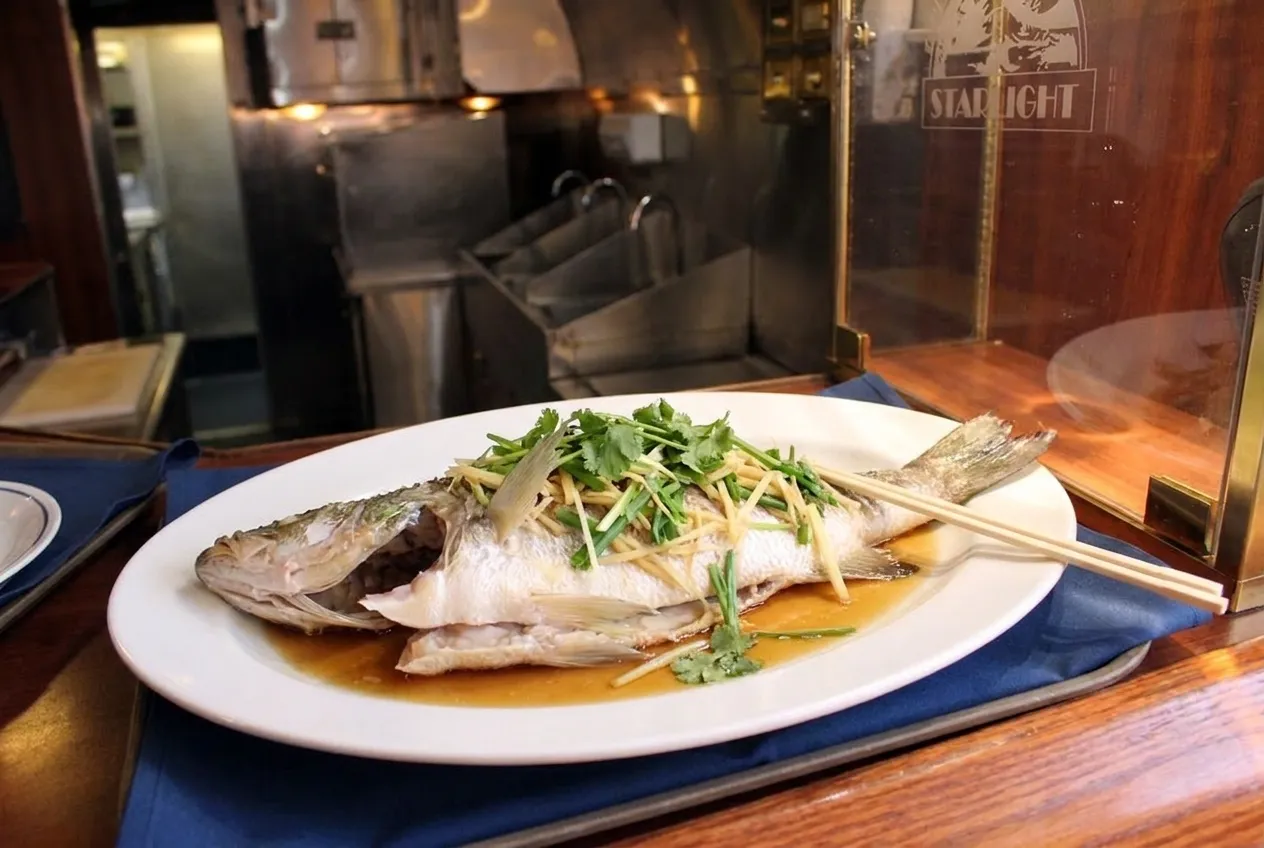
Portion sizes usually stay the same or drop only slightly. The bigger difference is in the structure of the meal. Dinner menus assume you will order multiple courses and linger. Lunch menus assume you will order one plate, maybe a starter, and leave within an hour. That changes the way dishes are built: lunch plates tend to be more complete and less dependent on other courses to make sense, and the kitchen skips techniques that require tableside service or precise timing across multiple tables. The wine list contracts, sometimes dramatically, because the restaurant is not counting on beverage revenue to subsidize the food cost. Cocktails often disappear entirely. The trade-off is that the cooking itself—the sourcing, the technique, the final plating—stays consistent. A chef who breaks down whole fish for crudo at dinner is doing the same work at noon, just in smaller volume.
Pricing sits 25 to 40 percent below dinner, sometimes more. A 48-dollar pasta at night might be 34 dollars at lunch. A 78-dollar fish course contracts to a 52-dollar midday portion that is nearly the same size. The discount is not about lower ingredient costs—the fish is the same fish—but about the operational reality that the kitchen is already paying rent and has already bought the product. Lunch revenue is incremental, and the restaurant can afford to price aggressively because the alternative is an empty room and cooks standing idle. For the customer, this creates a narrow window where you can eat cooking that is otherwise out of reach on a weeknight budget.
Why Weekday Lunch Is the Cheapest Way In
The math is simple: lower check average, no wait, same kitchen. A dinner reservation at a competitive restaurant in Los Feliz or Culver City might require booking the day reservations open, often 14 or 30 days out depending on the platform, and even then you are choosing between 5:30pm or 9:45pm because the prime slots are gone. Walk in at 12:30pm on a Wednesday and you will often find open tables and a kitchen that is relieved to have the business. The reservation pressure that defines Los Angeles dinner service evaporates at lunch because most people are either working or assume the restaurant is closed.
This is especially true in neighborhoods where the dinner scene is heavily residential. Silver Lake, Echo Park, and Highland Park have clusters of restaurants that are destination dinners for people driving in from other parts of the city, but at lunch those same blocks are quiet. The locals are at work, the destination diners have not arrived yet, and the restaurants that do open for midday service are playing to a smaller, more spontaneous audience. West Hollywood and Beverly Hills flip the pattern: lunch is more competitive because the daytime office and shopping traffic is higher, but even there the pressure is nothing like evening.
The cost difference compounds if you drink less or skip alcohol entirely, which is more common at lunch. A dinner bill that breaks 200 dollars for two people will often land closer to 110 dollars at midday for the same cooking, just because you ordered water instead of a bottle of wine and skipped the second appetizer. For anyone trying to work through the city's rising tier of ambitious kitchens without blowing through rent money, lunch is the only sustainable strategy. You lose the evening atmosphere and the full menu, but you keep the part that matters most: the cooking.
How to Judge Whether the Lunch Version Is Worth the Trip
Not every lunch program justifies a special trip, and the way to evaluate it is by asking what you lose and whether you care. If the signature dish is a dry-aged steak that takes 40 minutes to fire and only appears on the dinner menu, lunch is not going to give you the experience you are chasing. If the draw is a specific pasta or a whole-fish preparation that runs at both services, the midday version is functionally identical and cheaper. Check the posted menu before you go—most restaurants that take lunch seriously post it separately on their website or social accounts—and confirm that the dish or style of cooking you want is actually available.
The second filter is timing and location. A lunch that requires 40 minutes of driving each way and arrives at 1:15pm when you need to be back at a desk by 2pm is not worth it, no matter how good the deal is. The best lunch targets are either close to where you already are during the day or positioned as weekend errands, where you can fold the meal into other tasks and the time cost is lower. Saturday and Sunday lunch services tend to be busier than weekday slots because more people are free, but they are still less competitive than weekend dinner.
Finally, consider whether the restaurant's evening reputation is built on atmosphere, service pacing, or the cooking itself. If the appeal is a scene—a room that fills with industry people at 9pm, a bar program that defines the night—lunch will feel like a different restaurant, and not in a good way. If the appeal is a chef's ingredient sourcing or a specific technique, lunch delivers that in full. The dining room will be quieter, the service faster, and the check lower, but the product on the plate is the same. That is the trade-off, and for a certain kind of eater it is a trade-off worth making twice a week.
Next weekend, pick one dinner destination you have been avoiding because of the reservation lead time or the price. Check whether they open for lunch, confirm the menu has the dish you want, and show up at 12:45pm on Saturday without a booking. See how long you wait, what the room feels like half-full, and whether the cooking holds up under daylight. If it works, you have just unlocked a cheaper, faster way to eat well in a city where dinner reservations have become a part-time job. If it does not, you spent an hour and sixty dollars learning which restaurants save their best work for evening service, and that is useful information too.
Tags: #BestRestaurantsNearMe #LosAngelesLunch #LARestaurants #LunchInLA #DinnerRoomsAtLunch #LosAngelesDining #LAFoodie #WeekdayLunch #RestaurantStrategy #LunchMenu #LAEats #AffordableDining #LosAngelesFood #LunchReservations #DiningTips
Please drink responsibly. Must be of legal drinking age.
All trademarks are the property of their respective owners.
Ask Karpo first
Open the Karpo app before you leave and ask which dinner-caliber kitchens are open for lunch in your neighborhood right now, whether the midday menu includes the signature dishes, and what the realistic wait is without a reservation. Karpo will route you to the closest option that is actually cooking the way you want to eat today.