Miami opens restaurants at a rate that would embarrass most cities and closes them at a rate that should worry more people than it does. A great many of these openings are excellent. A great many others are property plays with a menu attached, designed to be full for a season and gone within two. For anyone deciding where to spend a Saturday, the useful skill is not knowing which places opened this month — that information is everywhere — but being able to tell, on a first visit, which category you are sitting in. The signals are surprisingly consistent.
New rooms are a gamble until somebody has actually eaten there. Tell Karpo in iMessage which opening you are curious about and it will tell you what people are saying after the first month.
Who Actually Owns the Kitchen
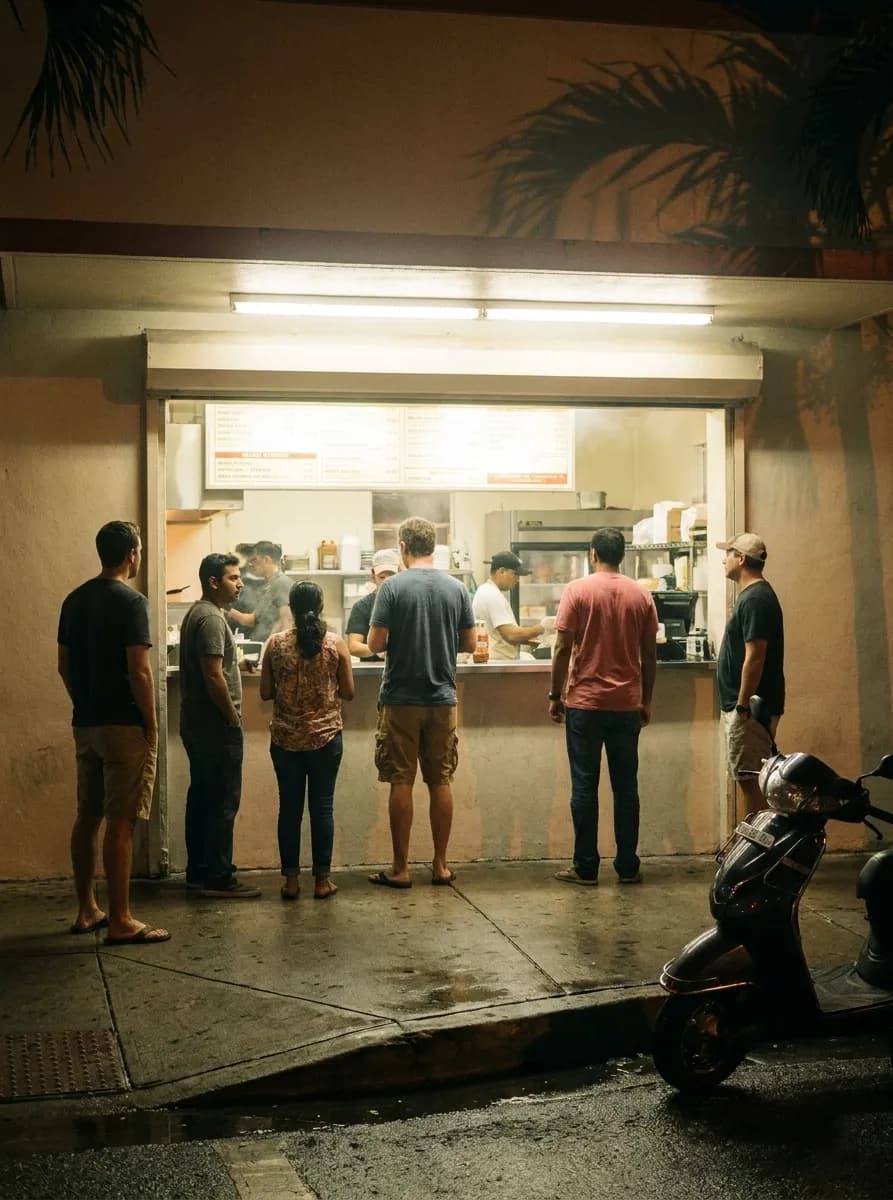
The first question worth asking about any Miami opening is where the food is from, in the corporate sense. Broadly there are three kinds. There are imports — a room that already exists in New York, Mexico City, Madrid or Tulum, brought here with the recipes and often the chef, which tend to be competent and expensive and exactly as good as the original on a good night. There are hospitality-group builds, where a company that owns eight venues opens a ninth with a hired chef and a concept written by a brand agency; these are polished, consistent, and rarely surprising. And there are owner-operator rooms, where the person who signed the lease is in the kitchen or on the floor. The third group is where nearly all the interesting food in this city has come from over the past decade, and it is also the group most likely to be underpriced in its first year.
Where the New Rooms Are Actually Opening
Geography tells you a lot about intent. Openings on Miami Beach's main strips and in the high-traffic parts of Brickell are paying rent that only works with high spend per head and volume, which constrains what the kitchen can attempt. The more interesting concentration over recent years has been inland and north — Little River, Little Haiti, the edges of Allapattah, the stretch of Biscayne above the Design District — where warehouse space and lower rents let people cook something specific to a smaller room. Coconut Grove has had a quieter run of neighbourhood-scale openings aimed at people who live there rather than at visitors. And Coral Gables continues doing what it has always done: fewer openings, more of them ambitious, most of them lasting. If you want a first visit that is likely to reward you, bias inland.
How Long to Wait Before Going
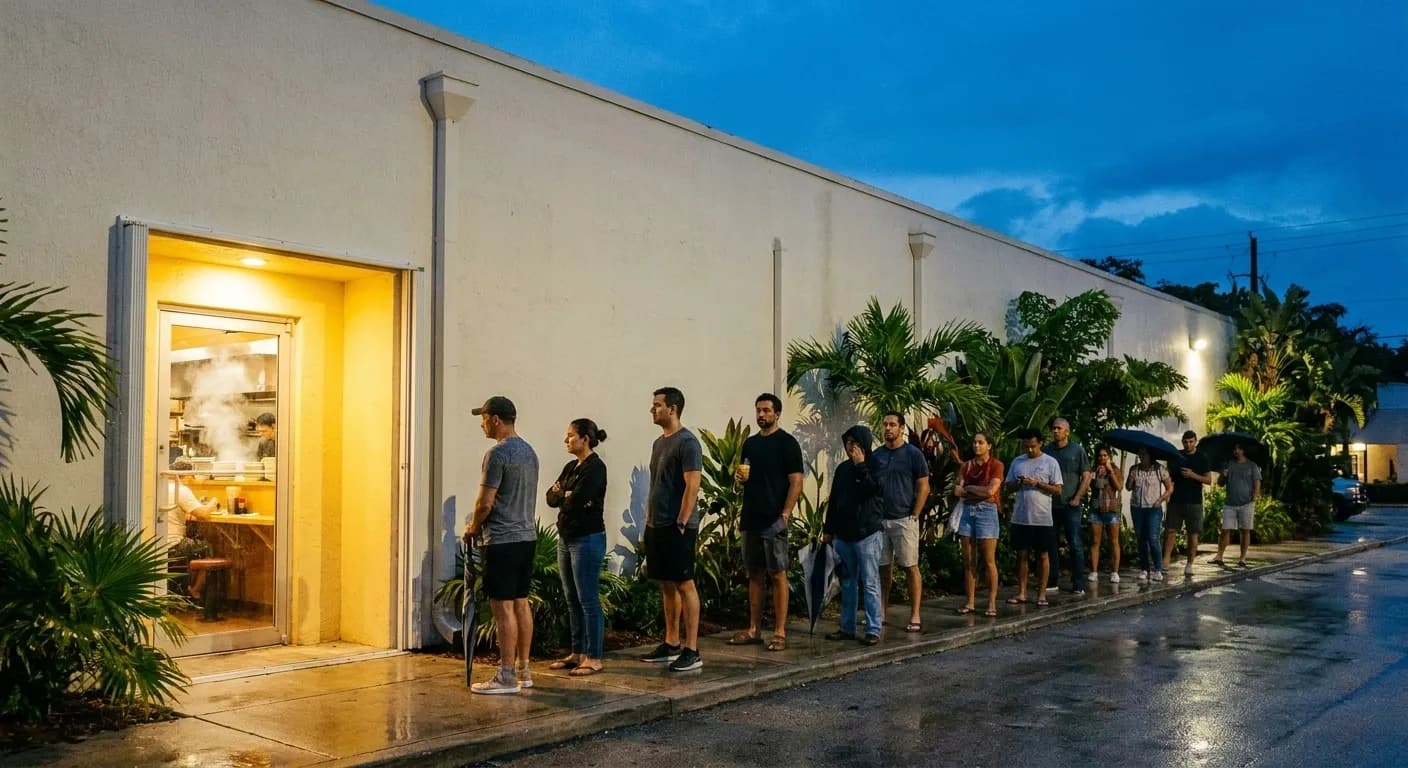
The honest answer is about six weeks. Opening week is a soft launch in everything but name: the kitchen is cooking a menu it has never cooked at volume, the floor staff were hired three weeks ago, and the room is full of people who are there because it is new. Going then is fun and tells you almost nothing about the restaurant. By week six the menu has been cut down to what actually works, the service has settled, and the crowd has thinned to people who chose it. That is also the window before any real acclaim makes the booking hard. If you have the patience to skip the opening and go in the second month, you get the best version of the restaurant at the easiest moment to get a table, which is close to the ideal trade.
The Tells on a First Visit
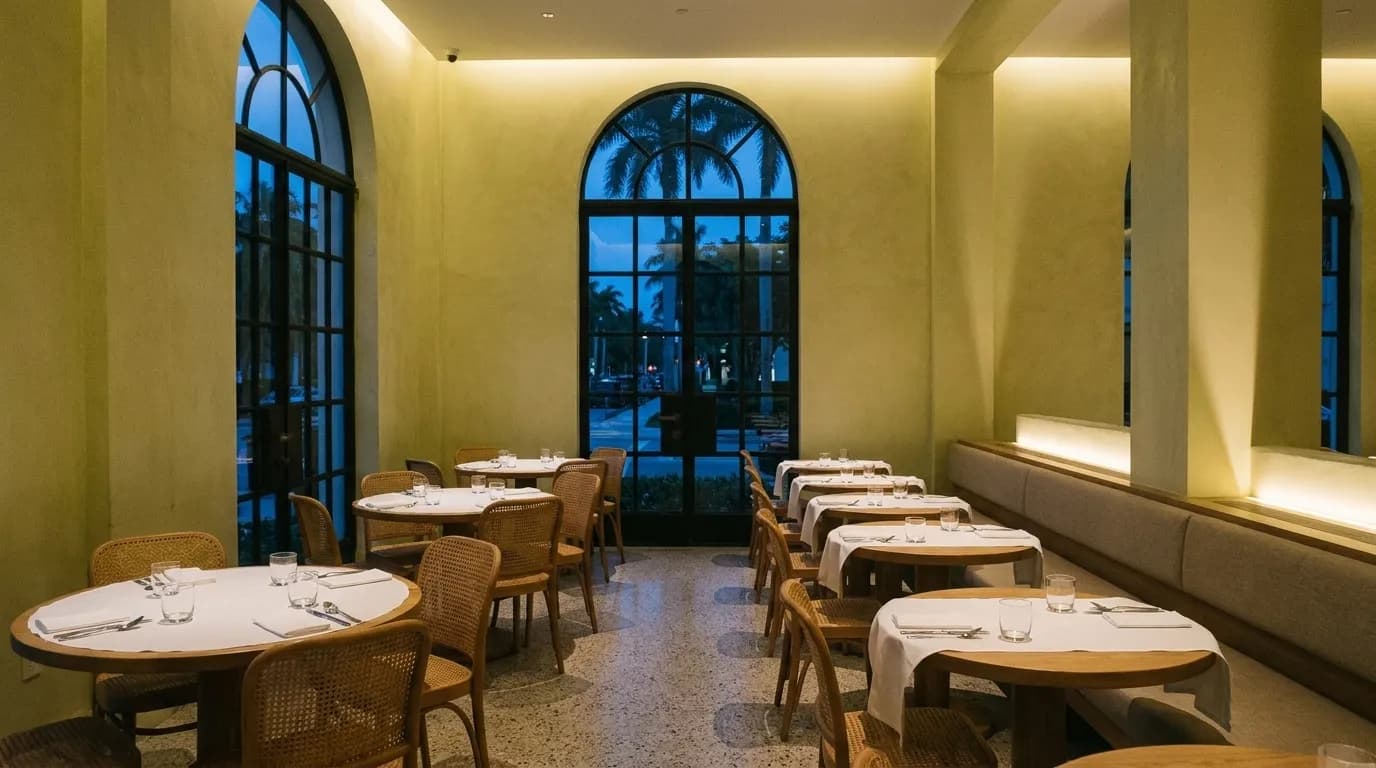
Once you are in, a few things reliably separate a serious kitchen from a well-financed set. Look at the smallest items: bread, butter, the house pickle, the salad dressing. These are cheap to do badly and nobody photographs them, so a kitchen that makes them properly is applying standards where there is no reward for it. Look at whether the menu commits — eighteen dishes across four sections suggests a point of view, forty dishes spanning three continents suggests a room hedging against not knowing its audience. Ask a server what the kitchen is proudest of and see whether the answer is specific. And notice the noise: rooms designed primarily as an experience tend to have the music set at a level that makes discussing the food impossible, which is not an accident.
Which Openings Are Likely to Last
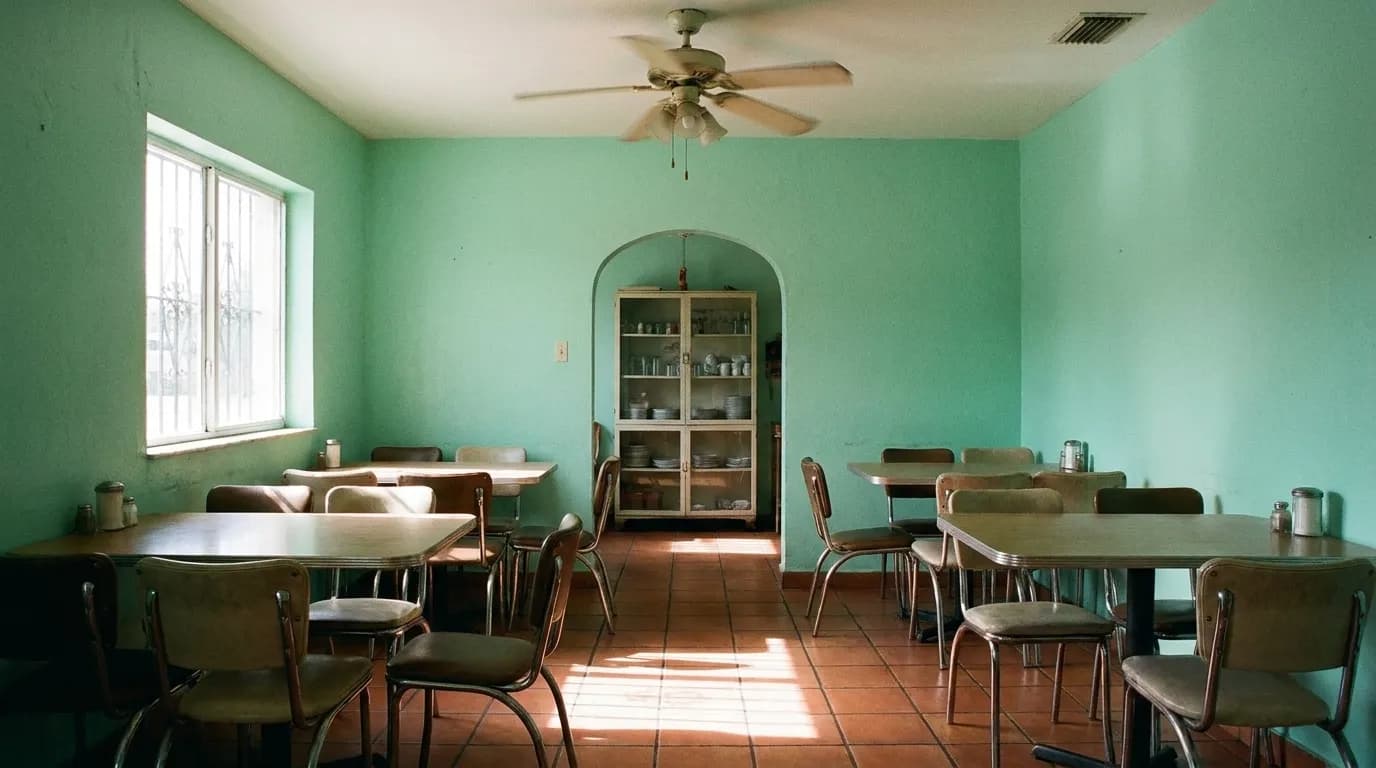
Longevity in this city correlates with a few unglamorous things. Restaurants with a lunch trade survive downturns that kill dinner-only rooms, because they are earning twice a day from the same rent. Restaurants whose customers live within a few miles survive the summer, when the seasonal population leaves and the visitor-dependent rooms go quiet for four months — this is the single most brutal filter in South Florida and it arrives every year without fail. Restaurants with a small menu survive because their food costs are controllable. And restaurants where the owner is physically present survive because somebody notices when things slip. When you are deciding whether an opening is worth building a habit around, those four questions predict more than any review does. A beautiful room in a high-rent district serving forty dishes to visitors at dinner only is not a restaurant you should get attached to.
Spending Sensibly on Something Unproven
Treat a new restaurant like a first date rather than a commitment. Go early on a weeknight, sit at the bar if there is one, order the thing the kitchen appears to care most about plus one cheap item, and skip the tasting menu entirely on a first visit — you are paying a premium to have the choices taken away from you at exactly the moment you most need to see how they choose. Split a starter, share one main, and leave room to go back. If the meal is good, the second visit will be better because you will order correctly. And if it is not, you will have spent an hour and fifty dollars learning something about a place everyone else is still queuing for.
Tags: #Miami #BestRestaurantsNearMe #NewRestaurants #MiamiDining #MiamiEats #Wynwood #Brickell #LittleRiver #CoconutGrove #MiamiBeach #OpeningNight #SouthFlorida #EatLocal
Sources consulted: miamiandbeaches.com · miaminewtimes.com · miami.eater.com · floridahealth.gov
Please drink responsibly. Must be of legal drinking age.
All trademarks are the property of their respective owners.
Ask Karpo first
Openings, closings and waitlists in Miami move faster than any list can keep up with. Ask Karpo in iMessage what part of town you are in and what you want to spend, and it will point you at something worth trying.