Miami opens restaurants at a rate that would be alarming in most cities and closes them at a similar one. In any given season the Design District, Wynwood, Edgewater and the beach will collectively produce dozens of new rooms, a substantial share of which are extensions of hospitality groups from New York, London, Dubai or Mexico City rather than the work of a chef with an idea. Some of those are excellent. A list of the fifteen newest is useless within two months. A method for reading one in the first ten minutes is not.
New rooms change fastest in their first six weeks and the ones worth going to are frequently the least publicised. Tell Karpo the neighbourhood and what you want, and get what is actually good right now.
The imported-brand pattern
The single most useful thing to establish is whether this is a first location or a franchise of a concept that already works somewhere else. Miami is a favourite expansion market for international hospitality groups because the demand is high, the rents in the marquee districts are payable and the customer base turns over constantly. That is not inherently bad - some imported rooms are the best in the city - but it changes what you are buying.
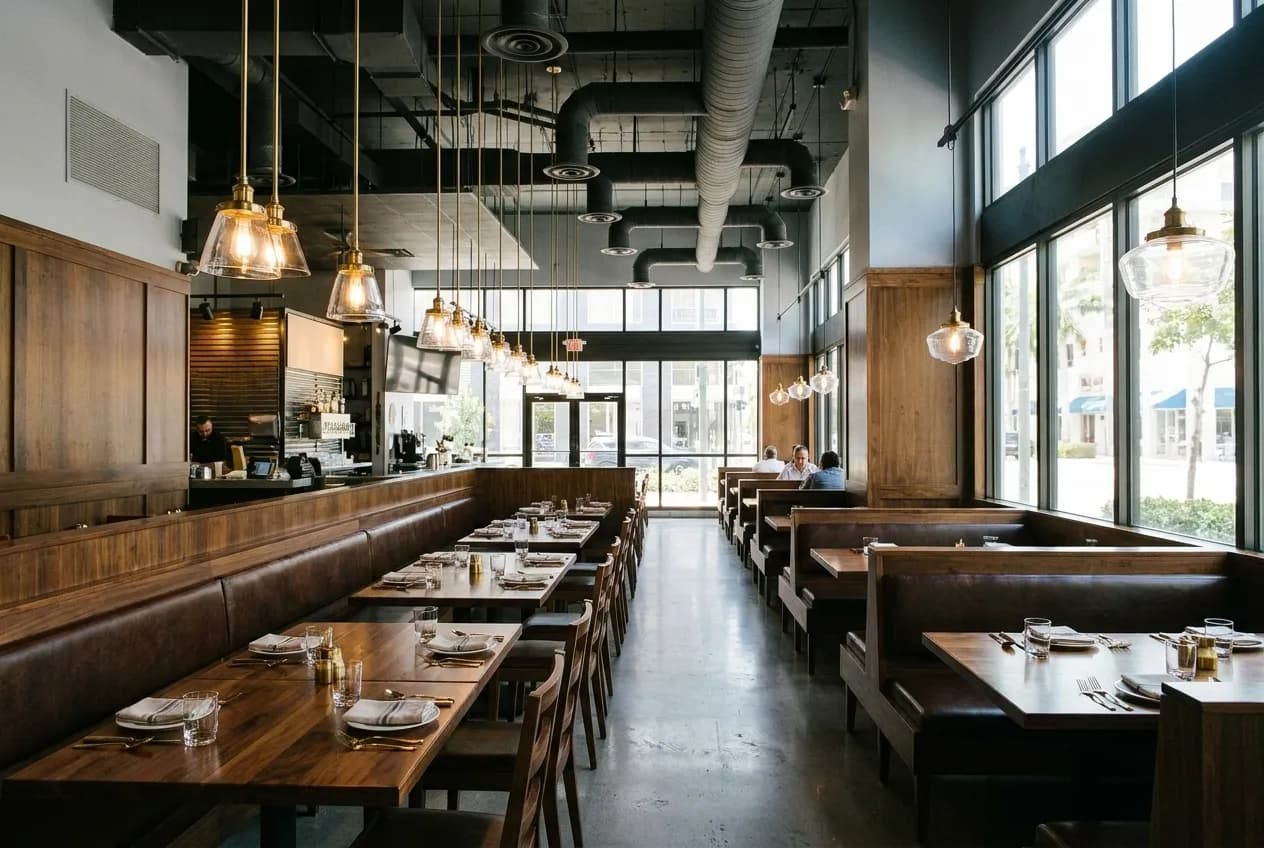
The tells are visible from the door. A design language that is more finished and more expensive than the neighbourhood warrants. A menu that includes signature dishes credited to a chef who is not in the building. A hostess stand with a formal reservations system on day three. And, most reliably, a website that lists other cities. None of this predicts the food, but it does predict the priorities: an imported room is executing a proven format, which means consistency is likely and surprise is not.
The six-week window
Almost every restaurant is at its worst somewhere in its first six weeks and it is not usually the kitchen's fault. Service has not settled, the menu is longer than it will be by month three, and the room is full of people who came because it is new. A meal in week two tells you very little about what the place will be in month six.
The practical advice cuts both ways. If you want to see a room at its best, go at about three months, when the menu has been cut, the staff know each other and the opening crowd has moved on. If you want to go early anyway - and there are good reasons to, including that the kitchen is trying very hard - go on a weeknight rather than a Friday, sit at the bar where you can see what is happening, and judge the cooking rather than the choreography.
What menu length tells you
This is the most reliable single signal available before you order. A short menu in a new restaurant - a dozen or fifteen items - means someone made decisions and the kitchen intends to execute them properly. A menu of fifty items in a room that opened last month means either an experienced group operating a tested format, or, more often, a business that has not yet worked out what it is and is hedging.
The related tell is coherence. A menu where the dishes clearly belong to each other suggests a point of view; one that runs from sushi to pasta to a wagyu section suggests the objective is to give every table something it recognises. Miami has a specific version of this - the pan-Mediterranean-Asian-steakhouse - which is a genuine format with genuine demand and is almost never where the interesting cooking is.
Neighbourhood tells
Where a room opens narrows the possibilities considerably. The Design District proper is retail-adjacent, expensive and heavily weighted toward imported brands. The two blocks where it meets Buena Vista are where chef-driven small rooms go, because the rent drops sharply - Boia De in a strip mall on NE 2nd Avenue is the emblem of that pattern and is the single best argument for walking three blocks off the main drag.
Edgewater and the Upper East Side stretch of Biscayne skew toward independents. Wynwood is mixed and weighted toward volume and atmosphere. South Beach is a different market entirely - high turnover, high visitor share, and the highest concentration of rooms designed around one visit rather than repeat custom. Coral Gables is the most regular-driven neighbourhood in the county and the one where a new opening most has to earn its place.
The signals that actually predict food
Three things correlate with cooking rather than with capital. First, a counter or bar where you can see the kitchen: rooms that want you watching are generally rooms that are confident. Second, staff who can answer a question about a dish without reciting a description - ask what is in something and see whether the answer sounds learned or understood. Third, whether the room is full of people who look like they live nearby on a Tuesday.
That last one is worth taking seriously in Miami specifically, because the visitor share in several neighbourhoods is high enough that a restaurant can be full for a year without being any good. A new room in Coral Gables or the Upper East Side that has regulars by month three has proven something. A new room on Ocean Drive that is full every night has proven nothing at all.
Practical notes
Check whether the concept exists in another city before you book - it changes what to expect, not whether to go. Wait about three months if you want the settled version; go on a weeknight and sit at the bar if you want the early one. Read the menu length: short and coherent is the strongest pre-order signal there is. Walk two or three blocks off the marquee streets in the Design District and Wynwood, where the rent drops and the chef-driven rooms live. Weeknights are dramatically easier than weekends everywhere in this city. And treat the presence of local regulars on a Tuesday as the strongest evidence available that a new place is real.
Tags: #BestRestaurantsNearMe #Miami #NewOpenings #DesignDistrict #BuenaVista #Edgewater #Wynwood #CoralGables #UpperEastSide #BoiaDe #MiamiDining #MiamiEats #Restaurants #SouthBeach
All trademarks are the property of their respective owners.
Ask Karpo first
A list of new openings is out of date before it is published; what is actually useful is which ones have settled and which are still finding themselves. Ask Karpo what has opened near you recently, how long it has been running, and whether it is the first location or the fifth.