Farm-to-table is now a decorative phrase. It appears on menus at restaurants buying from the same broadline distributor as everyone else, and it has been drained of meaning by exactly the sort of restaurant that puts a reclaimed-wood wall in the dining room. In Los Angeles, though, the underlying practice is real and unusually easy to verify, because Southern California grows food year-round and there is one market where you can literally watch the chefs shopping.
The menus worth eating change every couple of weeks and that is the only test that matters. Ask Karpo which kitchens near you are actually cooking to the season right now.
The Wednesday market is the proof
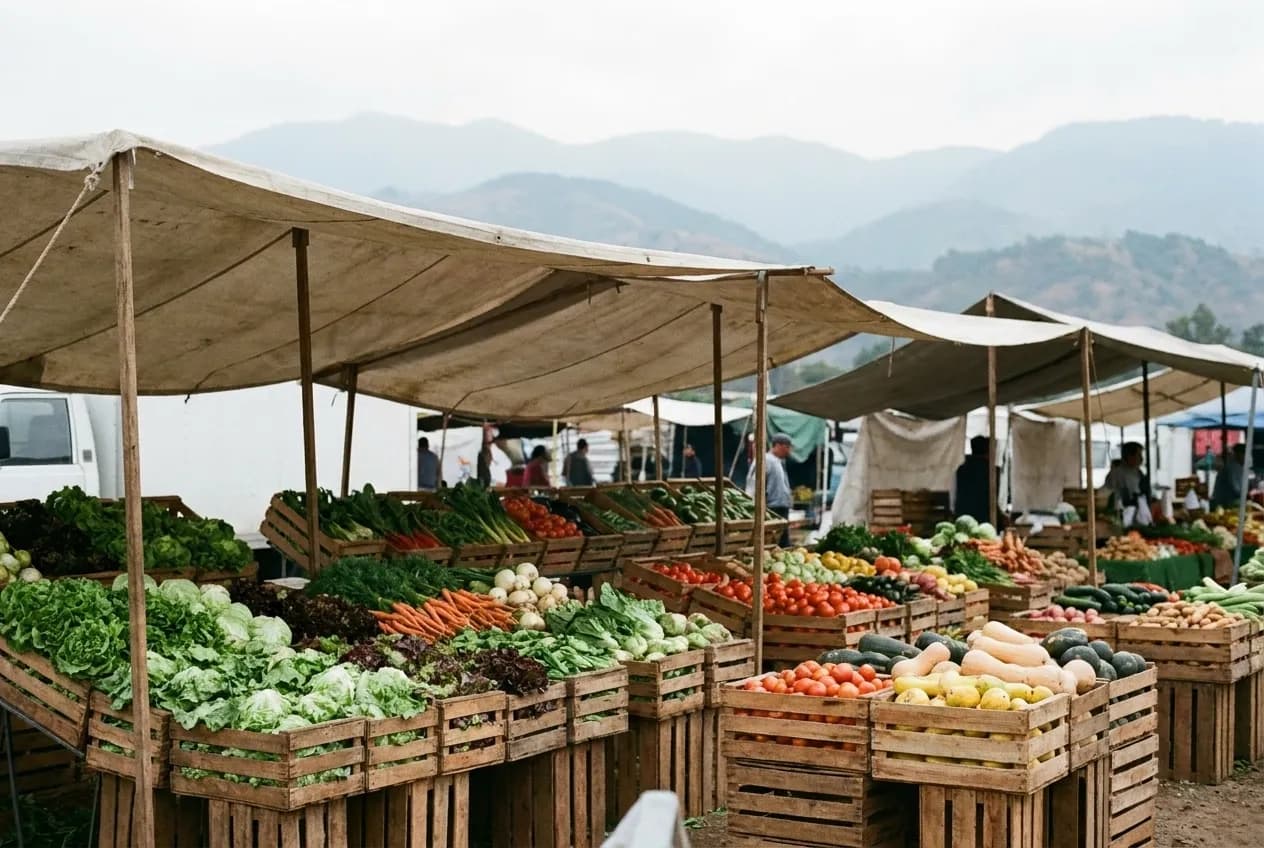
The Santa Monica Farmers Market on Arizona Avenue runs on Wednesday mornings and is the market where a large proportion of Los Angeles's serious kitchens buy. It has been running for decades and it functions differently from a weekend market — it is a trade morning as much as a public one, with chefs and their teams working the stalls early with lists and crates.
Going once tells you more about Los Angeles cooking than any amount of reading. You see what is actually available in a given week, you see which growers the good kitchens buy from, and you see that the relationship is a conversation rather than an order form. It also recalibrates what seasonal means here: Southern California's growing calendar is long and overlapping rather than the four sharp seasons the phrase implies elsewhere.
How to read a menu for the real thing
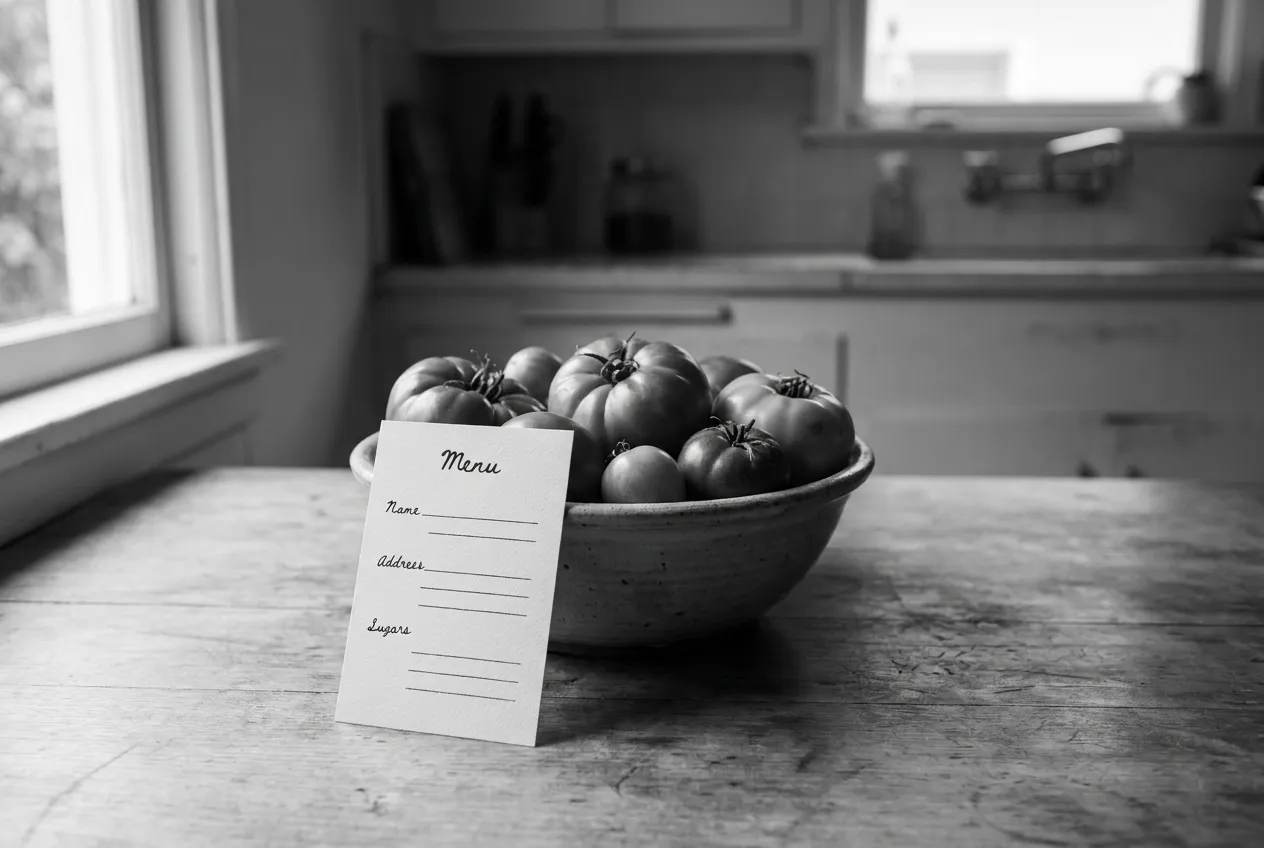
Four signals. First, menu length: a kitchen genuinely buying at market cannot run sixty items, because it cannot guarantee sixty ingredients. Short menus are the strongest single indicator.
Second, whether the menu changes. Ask when it last did. A restaurant cooking to the market changes something every week or two, and the staff will know because they have to relearn it. A restaurant with a laminated menu unchanged for eight months is not doing this regardless of what the header says.
Third, whether growers are named. Naming a farm is a commitment — it can be checked, and the farm will hear about it. Vague provenance language is the opposite: local, sustainable, artisanal, none of which mean anything specific.
Fourth, whether dishes disappear. This is the real test, and it is the one people complain about. If the thing you came for is off the menu because the season ended, that is the system working. A restaurant where nothing ever disappears is buying from a supplier who can always get it, which is precisely the point of a supplier who can always get it.
What Southern California actually gives you, and when
Late summer into autumn is the strongest window of the whole year here. Tomatoes are still going and are at their best in September, stone fruit is finishing, the first of the winter squash and the persimmons arrive, and the citrus that defines the region's winter is still a couple of months away. It is a genuinely abundant moment and it is why menus in this city look best from about August to November.
Winter here is not the dead season it is elsewhere — citrus, brassicas, avocados and greens carry it comfortably — and spring brings peas, asparagus and the first stone fruit. The unusual thing about cooking in Los Angeles is not that there is a hungry gap but that there is not really one, which is why the kitchens that lean into it can operate this way at all.
Where the practice concentrates
The strongest concentration of market-driven cooking sits on the Westside — Santa Monica, Venice and Culver City, all within a short drive of the Wednesday market — and along the Eastside corridor through Silver Lake, Echo Park and Highland Park, where a generation of smaller, chef-owned rooms have built their menus around exactly this practice. The Westside version tends to be more polished and more expensive; the Eastside version tends to be smaller, cheaper and more idiosyncratic, and is frequently where the more interesting cooking is happening. If you want to test the whole idea cheaply, go to a small Eastside room on a weeknight and order whatever the shortest section of the menu is.
Shopping the same way the restaurants do
The most useful thing about understanding this category is that you can buy the same way. The Santa Monica Wednesday market on Arizona Avenue is open to the public as well as the trade, and the county's weekend market network is extensive — most neighbourhoods have one within a short drive. Buying there costs about the same as a supermarket for produce that is days rather than weeks old, and the growers will tell you what is at its peak that week if you ask, which is exactly the information the restaurants are paying for. For anyone who found the farm-to-table label irritating, buying at a market once is the fastest way to understand what the good restaurants are actually doing differently.
Practical notes
Santa Monica Farmers Market, Arizona Ave, Wednesday mornings: the trade market where a large share of LA's serious kitchens buy, with chefs working the stalls early. Four menu tests: a short menu, a menu that changed within the last week or two, named growers rather than vague provenance language, and dishes that disappear when the season ends. Southern California's strongest produce window runs roughly August to November — tomatoes peak in September, stone fruit finishes, winter squash and persimmons arrive, and citrus follows later. Winter carries citrus, brassicas, avocados and greens rather than a hungry gap. Market-driven kitchens concentrate on the Westside in Santa Monica, Venice and Culver City, and along the Eastside corridor through Silver Lake, Echo Park and Highland Park, where the rooms are smaller, cheaper and often more interesting.
Tags: #BestRestaurantsNearMe #LosAngeles #FarmToTable #SantaMonicaFarmersMarket #Seasonal #CaliforniaProduce #Westside #SilverLake #HighlandPark #EchoPark #CulverCity #Venice #LAEats #MarketCooking
All trademarks are the property of their respective owners.
Ask Karpo first
A menu that changes every fortnight is the only reliable test of this whole category, and it is not visible from a listing. Ask Karpo which kitchens near you are actually cooking to the season right now, what is at its best this week, and which of them has a table tonight.