Benu is the restaurant that put San Francisco into the three-star conversation, and it remains the reference point when anyone searches for the best restaurants near me in this city and means the very top of it. It is also more expensive than the headline figure suggests, and that is worth understanding before you book.
Karpo can work out what an evening at Benu really lands at once service and pairings are counted, and show you the two-star rooms that cost half as much.
The number behind the number
The tasting menu is four hundred and twenty-five dollars per person. A twenty-two percent service charge is applied on top, which brings a single cover to roughly five hundred and nineteen dollars before you have drunk anything at all.
Optional beverage pairings run about two hundred and fifty per person on top of that. Two people with pairings is therefore approaching fifteen hundred dollars for an evening, and that is the figure to plan against rather than the menu price.
What you get for it
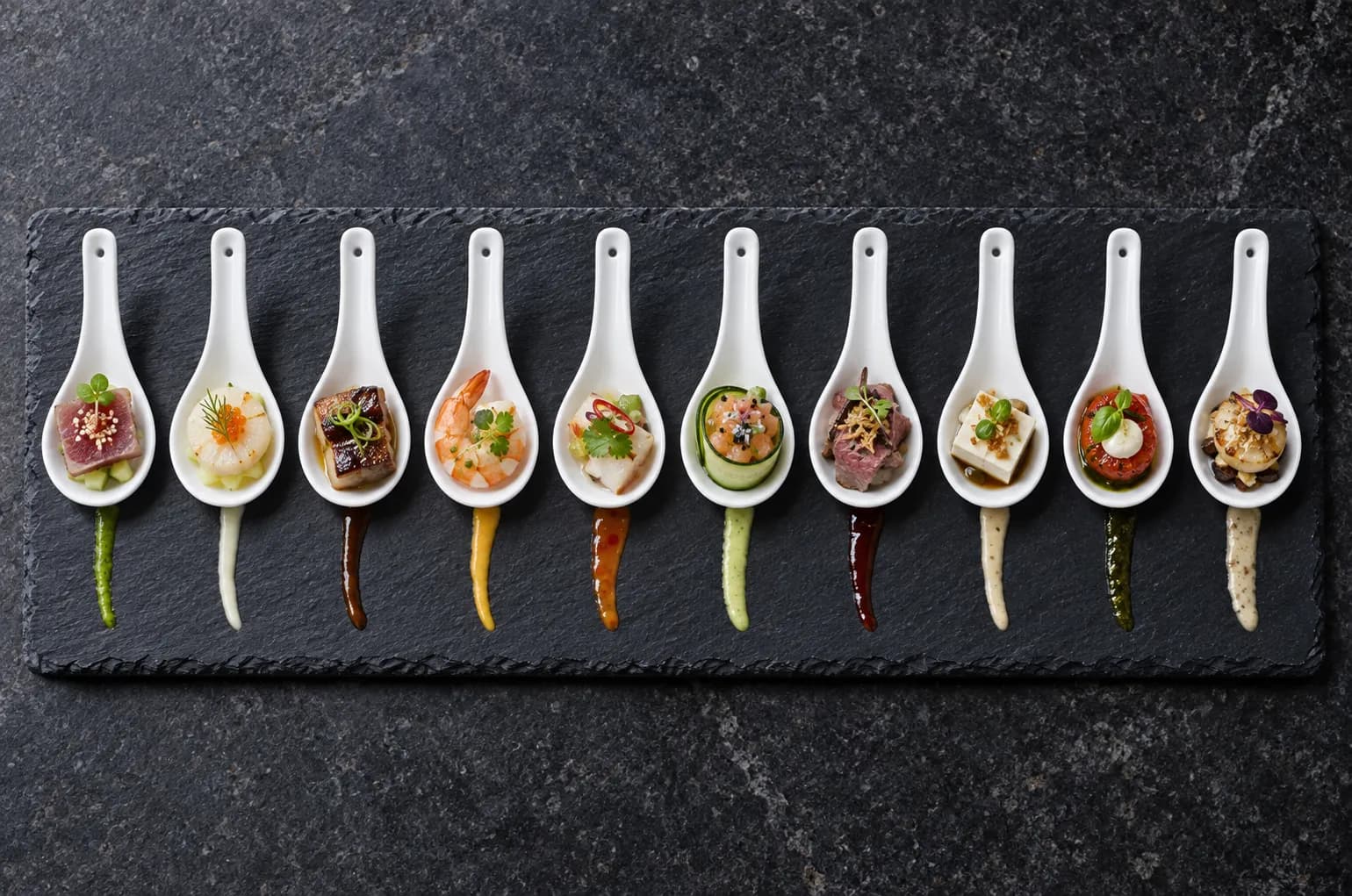
Fifteen to nineteen courses over roughly three hours. That is a long menu even by three-star standards, and the pacing is a substantial part of what the kitchen is managing — a progression that length either builds or exhausts, and the difference is craft rather than ingredients.
Corey Lee opened the restaurant in 2010 and it earned its third star in 2014, the first in San Francisco to do so. It has held all three for over a decade since, which in a rating system that reassesses annually is a considerably harder achievement than winning them once.
How the cooking is different
The shorthand is Korean-influenced fine dining, which undersells it. The technique is largely French in its precision and the ingredient logic draws heavily on Korean and broader East Asian traditions, and the result does not sit comfortably in either category.
What that means at the table is a menu with more fermentation, more umami depth and more textural variation than a classical European progression. It is also less sweet and less reliant on dairy, which is part of why nineteen courses is survivable here.
Booking through Tock
Reservations open daily on Tock, thirty days in advance. That is a rolling window rather than a monthly drop, which means there is a new day's worth of tables released every morning and no single date to circle.
Three-star restaurants book months ahead in practice, especially for weekend evenings, so treat the thirty-day window as the moment of best availability rather than as generous notice. Weekday tables and earlier seatings survive longest.
The service charge, and why it matters
A twenty-two percent charge applied automatically is not a tip and should not be treated as optional or as something to add to. San Francisco restaurants have moved toward this model deliberately, and it funds wages and benefits rather than being distributed as gratuity.
The practical consequence is that comparing menu prices between cities is misleading. A four-hundred-dollar menu in a tipping city and a four-hundred-dollar menu here are different totals, and the gap is roughly the size of a decent bottle of wine.
Where it sits in San Francisco
The city has an unusually deep bench at the top end and several two-star rooms doing more adventurous work for meaningfully less money. Benu is not the only serious answer to this question and pretending otherwise does you no favours.
What Benu has is the combination of length, precision and consistency sustained over more than a decade. If you want to eat the most technically accomplished long menu in the city, this is it. If you want the most interesting evening for the money, look one tier down.
SoMa, practically
The restaurant is in SoMa on a quiet street that does not look like a destination, and the surrounding blocks are commercial rather than residential. That means the neighbourhood is calm on an evening and offers very little in the way of a drink beforehand within easy walking distance.
Plan the arrival rather than improvising it. A ride share to the door is the sensible approach, and the three-hour menu combined with pairings makes driving a poor idea regardless of where you park.
What to expect from the evening
Three hours is the commitment and it is not compressible. There is no short version, no bar menu and no way to be somewhere else at ten if you sat down at seven, so book it as the entire evening rather than as the start of one.
Dietary restrictions need to be disclosed at booking. A nineteen-course menu is built around a sequence and a substitution has to be designed rather than swapped in, which the kitchen will do well given notice and cannot do at all without it.
Practical notes
If the total is the obstacle, the pairings are the flexible part. Ordering a single bottle for the table instead of two sets of pairings removes several hundred dollars from the bill without materially damaging the meal.
Book at the thirty-day mark for a weekday. That is the single most effective adjustment available, and it is the difference between eating here this month and eating here next season.
- Benu, SoMa, San Francisco — three Michelin stars since 2014, the city's first
- Tasting menu $425 per person, plus a 22% service charge — roughly $519 a head before drinks
- Beverage pairings around $250 per person on top
- Fifteen to nineteen courses, about three hours at the table
- Reservations open daily on Tock, 30 days in advance
- Chef: Corey Lee, who opened the restaurant in 2010
- Disclose dietary requirements at booking; a menu this long cannot improvise substitutions
Tags: #BestRestaurantsNearMe #SanFrancisco #Benu #CoreyLee #ThreeMichelinStars #TastingMenu #SoMa #FineDining #SFEats #Tock #SpecialOccasion #BayArea #ChefsTable
All trademarks are the property of their respective owners.
Ask Karpo first
Ask Karpo what a night at Benu costs all in, when the Tock window next opens, and which San Francisco tasting menus give you the most for a smaller number.