Every list of the best restaurants in NYC has the same problem: it tells you where to eat and nothing about whether you can. The gap between the two is now the whole game. A room can be genuinely excellent and functionally closed to you if its tables release thirty days out at 9am and vanish in ninety seconds. So this is the list sorted a different way — not by cuisine or by neighborhood, but by the door that is actually open to a person deciding on a Tuesday afternoon.
Every guide gives you the list and none of them tell you which door is actually open on a Tuesday at seven. Tell Karpo the night, the neighborhood and how many of you there are, and it can work out which of these rooms will genuinely seat you rather than which one you should keep refreshing.
Tier one: the rooms where the bar is the reservation
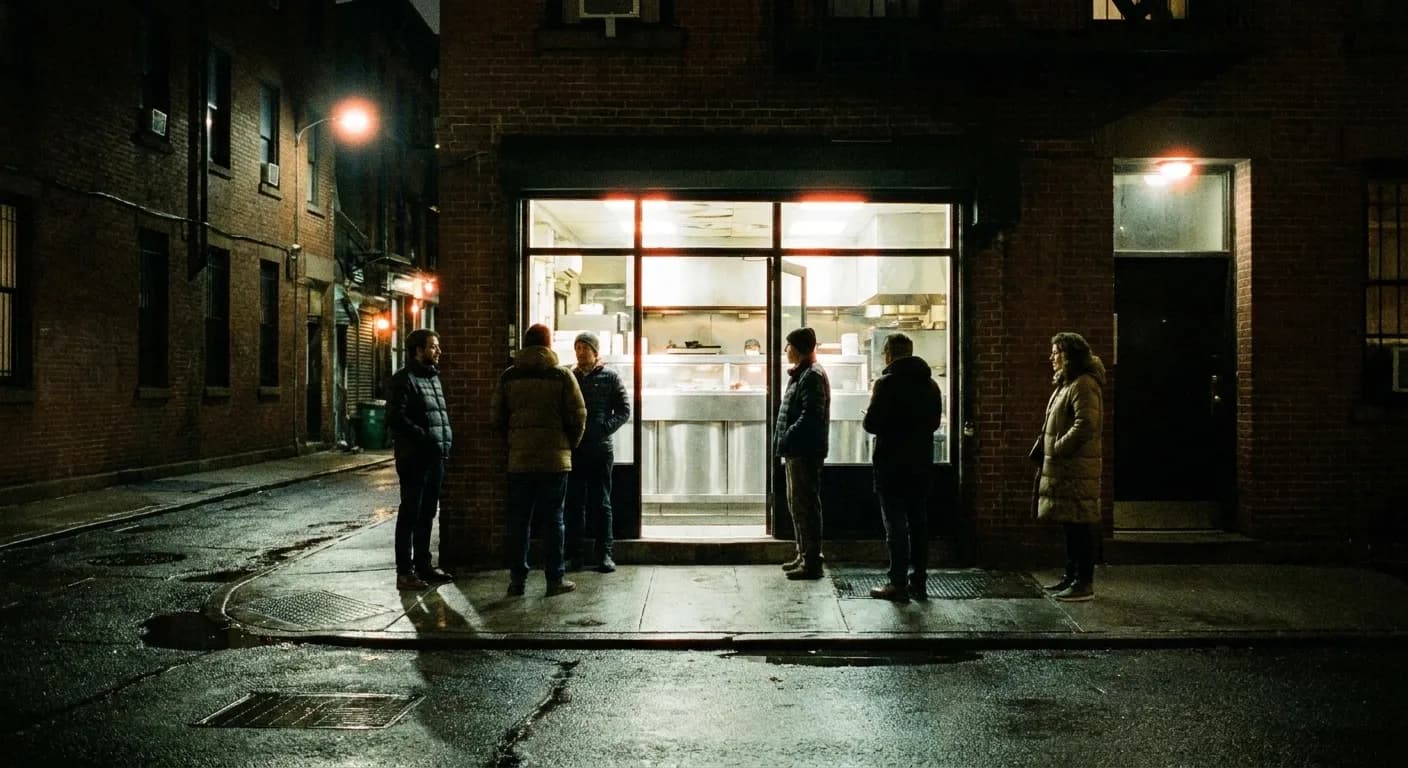
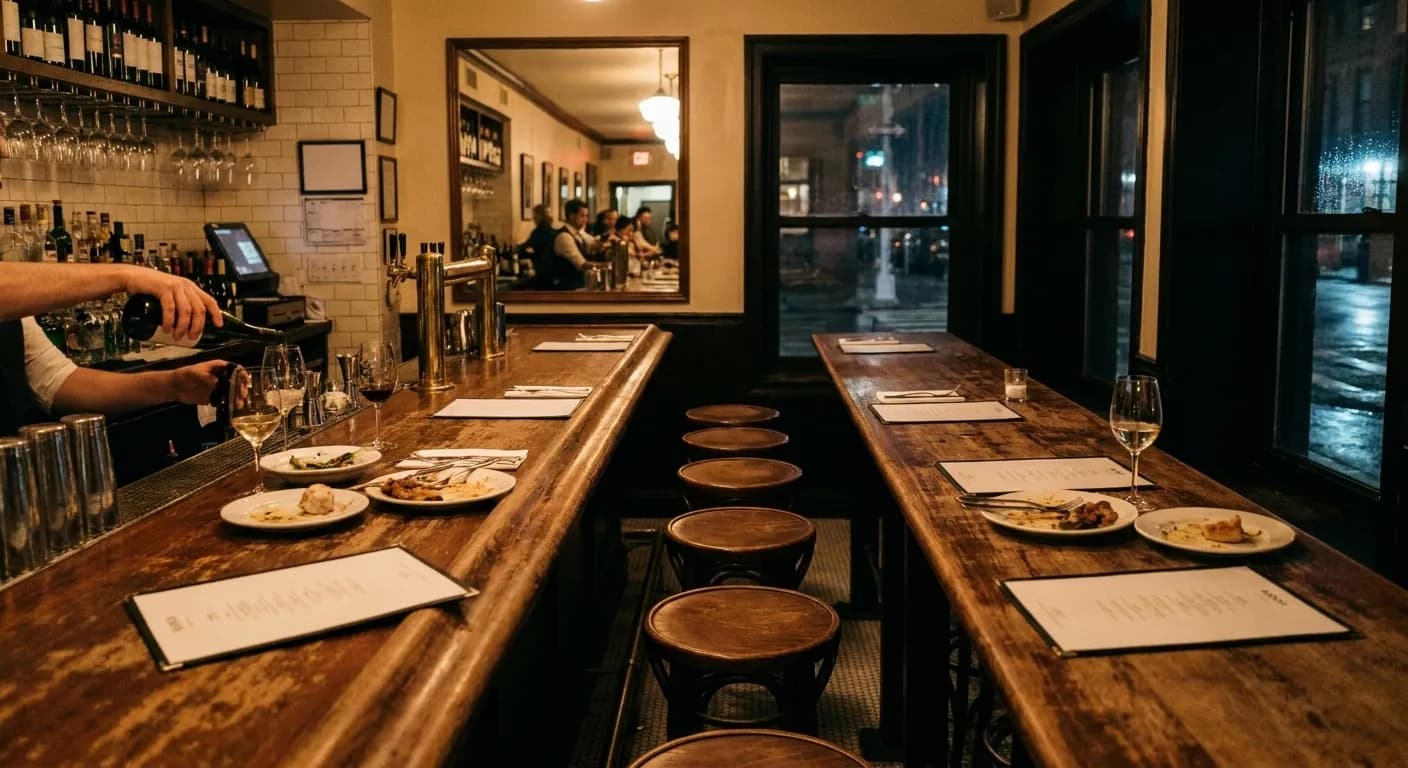
The most useful habit in New York dining is treating the bar as a first choice rather than a consolation. A large share of the city's best restaurants hold their counter seats for walk-ins, do not list them online at all, and serve the identical menu there. It changes what is possible: a room that shows no availability for six weeks may have two seats free at 6:15pm because nobody thought to walk in. The technique is unglamorous — arrive at opening, or arrive at 9:30pm when the first bar turn clears — and it works in Italian rooms downtown, in Thai rooms in Brooklyn, and in almost every place with a written-up chef and fewer than sixty covers.
Tier two: the counters that never took bookings in the first place
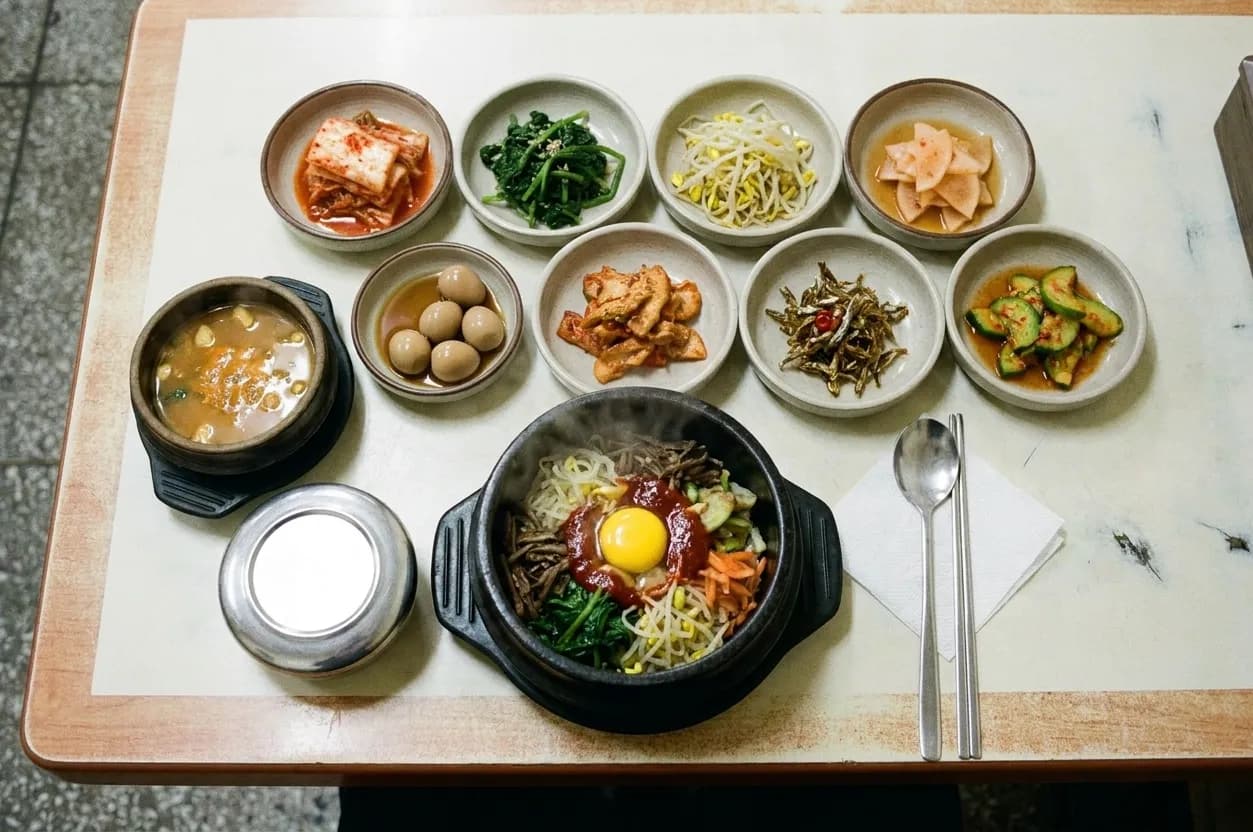
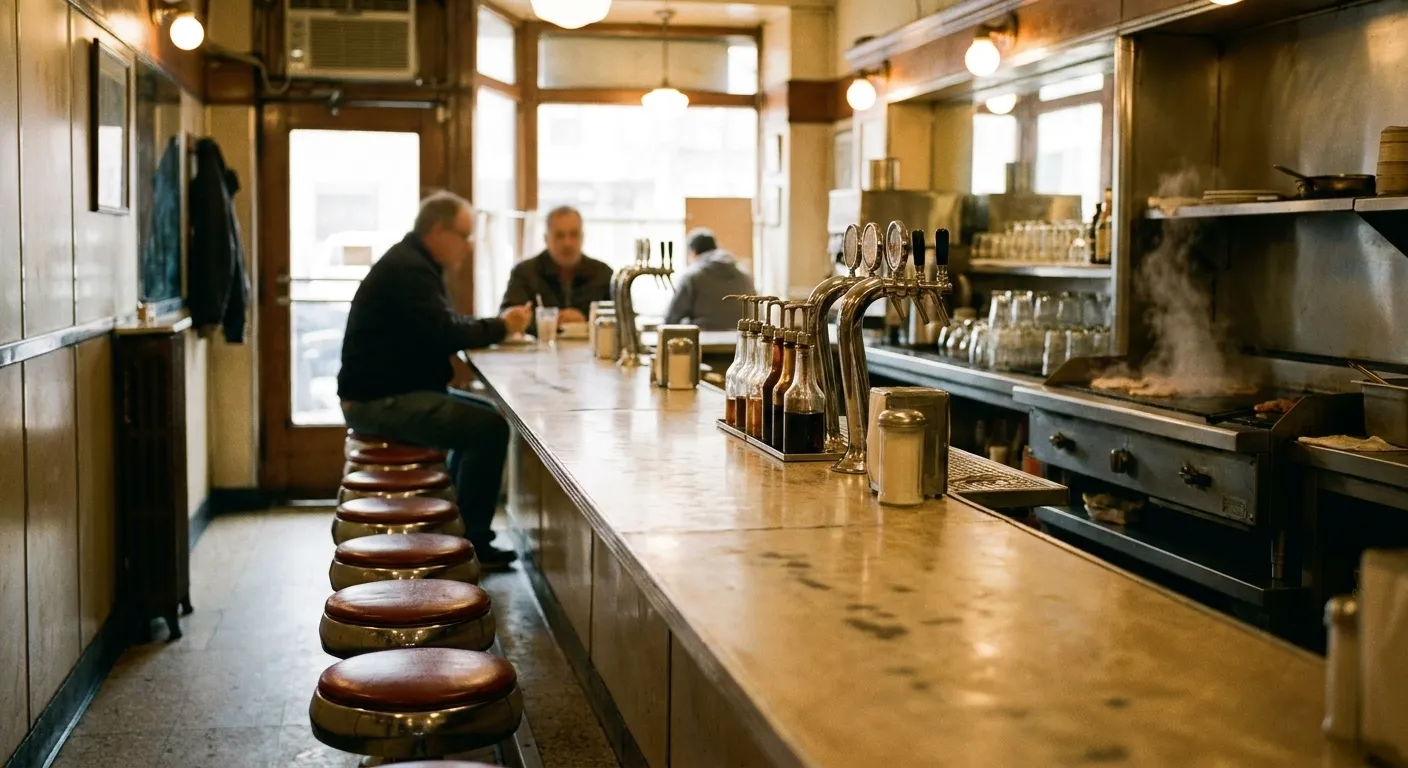
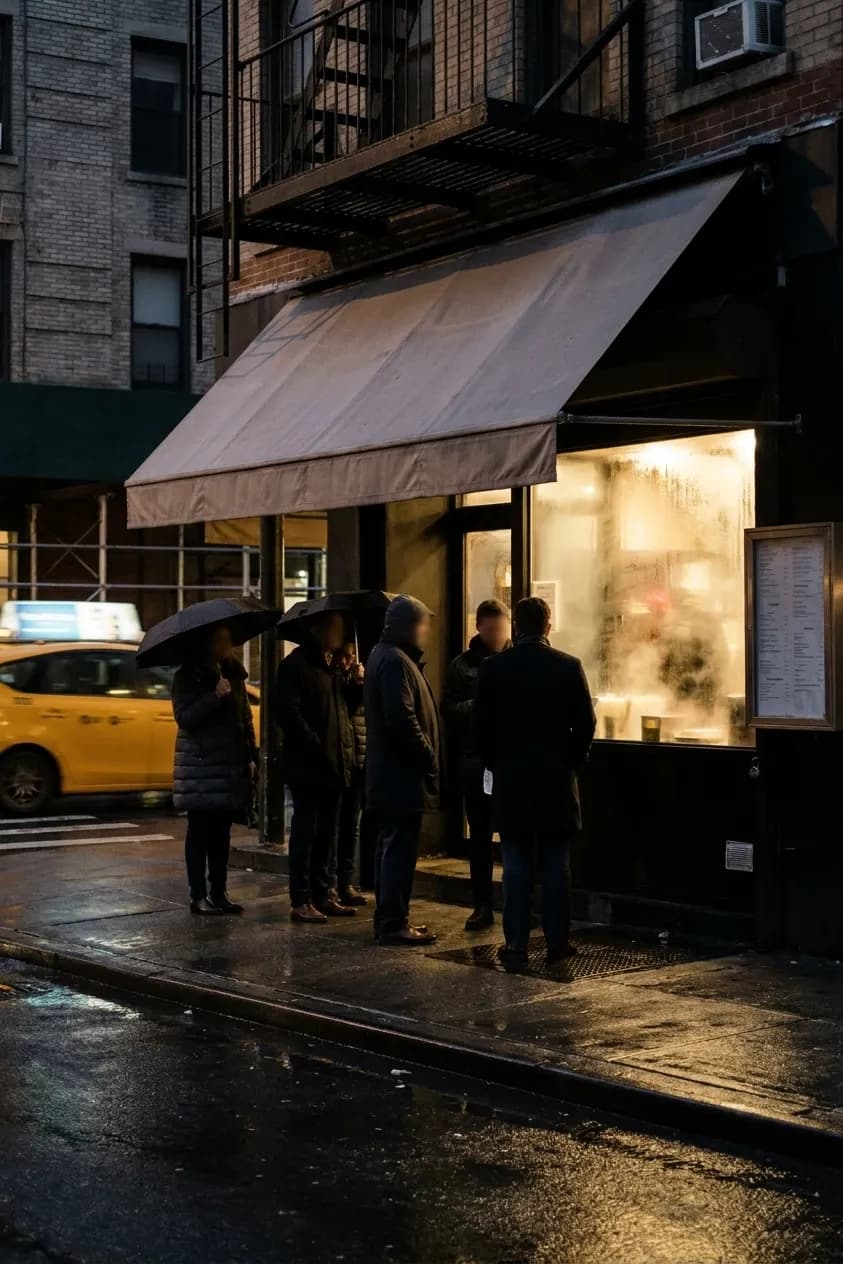
There is a whole category of the city's best eating where the reservation problem does not exist, because the format was never built for it. Noodle counters, dumpling houses, the Sichuan rooms in Flushing, the Yemeni and Egyptian kitchens along Atlantic Avenue, the birria and al pastor windows that operate from a shopfront in Sunset Park. These places are on nobody's hardest-table list and are frequently better than the room you spent three weeks trying to book. If your objective is the best plate of food available to you tonight rather than the most photographed one, this is the tier to work through first.
Tier three: the bookable ones, and when the slack appears
For rooms that do run on a booking platform, the pattern is consistent enough to plan around. Most releases happen at a fixed hour on a fixed rolling window — often 9 or 10am, often thirty days ahead — and a second wave of inventory appears the day before as the restaurant confirms and prunes. That day-before window is the one people underuse; cancellations at 4pm for a 7pm table are extremely common in a city where plans collapse. Set the notification, check once in the morning and once mid-afternoon, and stop treating the initial on-sale as your only chance.
Tier four: the good rooms that are simply not fashionable this year
New York has an unusually deep bench of restaurants that were the hardest table in the city four or five years ago and now seat you the same week. The cooking did not get worse; the attention moved. Those rooms are the best value in the city right now — full staff, worked-out menus, a wine list somebody has been curating for a decade, and no queue. If you are choosing between a difficult new opening and a well-run room that peaked in 2021, the second one will usually be the better dinner and definitely the better evening.
How to pick between them on an actual night
Two people, deciding late, no booking: go for tier one and be at the bar by 6:15pm, or tier two and accept a counter and a paper napkin. Four people on a Friday: stop hoping and book tier four, because groups of four are what booking systems handle worst and what the less-fashionable rooms handle best. A visitor with one night: tier two, every time — the food is more specific to this city than anything with a tasting menu. A birthday you actually care about: book tier three thirty days out with an alarm set, and hold a tier-four backup you can cancel.
Two habits that quietly work
Call the restaurant. Not every place lists its full inventory online, and a small room with a phone will often tell you plainly that Tuesday is quiet and to just come by. Second, eat earlier than you want to. The 5:30pm to 6:30pm window in New York is close to empty at rooms that are impossible at eight, and the kitchen is fresher at the start of service than at the end of it. Neither of these is a trick; they are just the two things most people will not do.
The group-size problem nobody plans for
Reservation difficulty in New York is not linear with party size, it is stepped. Two is easy almost everywhere because two-tops are the inventory restaurants have most of. Four is harder than it looks. Five is where the system breaks, because most rooms have no five-top and will either squeeze you onto a four or push you to a six that they would rather sell to six people. Six and above moves you into a different category entirely, often with a set menu and a deposit. If you are five, book as four and add one at the door, or pick a room with communal seating and stop fighting the geometry.
What a good night actually costs
The other thing lists omit is money. The difference between the hardest table in the city and an excellent neighborhood room is frequently a hundred dollars a head and about ten percent of the enjoyment. Where the money genuinely buys something is service, sourcing and a wine list with depth. Where it buys nothing is a room that is difficult because it is small and photographed. A useful test before booking: if the same food were served in a room with no waiting list, would you still want it at that price? If yes, book it. If not, you are paying for scarcity, which does not taste of anything.
Menus, hours and booking windows change constantly here, so confirm on the restaurant's own page rather than on an aggregator before you build a night around one room. The structure above holds even when the specific names in it rotate — which, in this city, they always do.
Tags: #bestrestaurantsnyc #nycrestaurants #nycreservations #walkinnyc #barseats #nycdining #eastvillage #williamsburg #nolita #nycfood #resy #tablefortwo #nyceats
All trademarks are the property of their respective owners.
Ask Karpo first
Reservation systems in New York change behaviour week to week, and the guides do not update when they do. Ask Karpo before you plan a night out and it can check which of these rooms is holding walk-in seats tonight rather than sending you to a two-hour wait.