Most of what is written about Boia De is about the difficulty of getting in and the strangeness of the location. That is fair enough — a Michelin-starred restaurant between a laundromat and a medical office is a good story. But it means very little has been said about what to actually do once you are sitting down, which is the part that matters if you have managed it.
The menu here turns over often enough that what was great last month may not be on the board tonight, and the wine list moves faster than the food does. Ask Karpo what is worth asking about at Boia De this week and where nearby is open if you end up waiting for the counter.
There is no fixed menu to hunt for
The single most useful thing to understand is that this menu moves. There is no permanent list of signature dishes that you can research in advance and arrive with, and articles naming specific plates go out of date quickly.
In a twenty-seat restaurant that is a practical decision rather than a philosophical one. A kitchen this size can change what it is doing on a week's notice because there is no volume commitment tying it to a supplier, and Luciana Giangrandi and Alex Meyer clearly use that freedom.
So the correct approach is to ask. In most restaurants asking what is good tonight produces a polite non-answer; here the room is small enough that the question gets a real one, and the staff know which dish the kitchen is currently pleased with. That is the single highest-yield thing you can do at this table.
Order the pasta, and more of it than you think
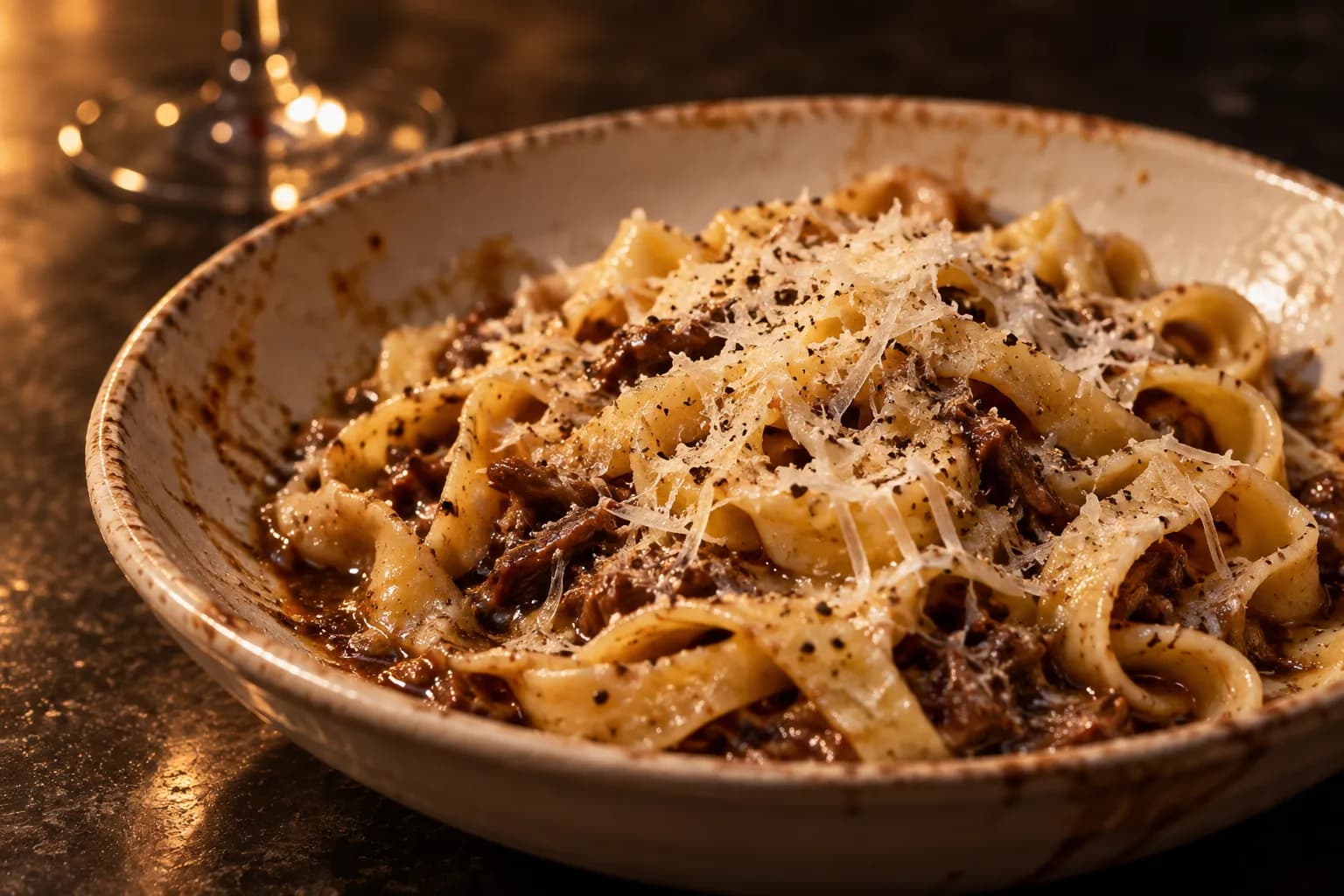
The pastas are the constant even when the specific pastas are not. This is where the kitchen's training shows most clearly — the combination of Italian technique and the Los Angeles-school looseness that Animal and Son of a Gun taught, filtered through people who also worked at Eleven Madison Park and The NoMad.
What that produces is pasta that is technically precise and not at all reverent. Shapes are made properly, sauces are built rather than assembled, and the flavour combinations frequently go somewhere an Italian kitchen would not. It is the most confident thing on any given night's menu.
Portions are small enough that two people can reasonably have two pastas between them alongside other plates, and the menu is priced to allow it. A table that orders one pasta each and stops has under-used the kitchen.
The wine list is the surprise
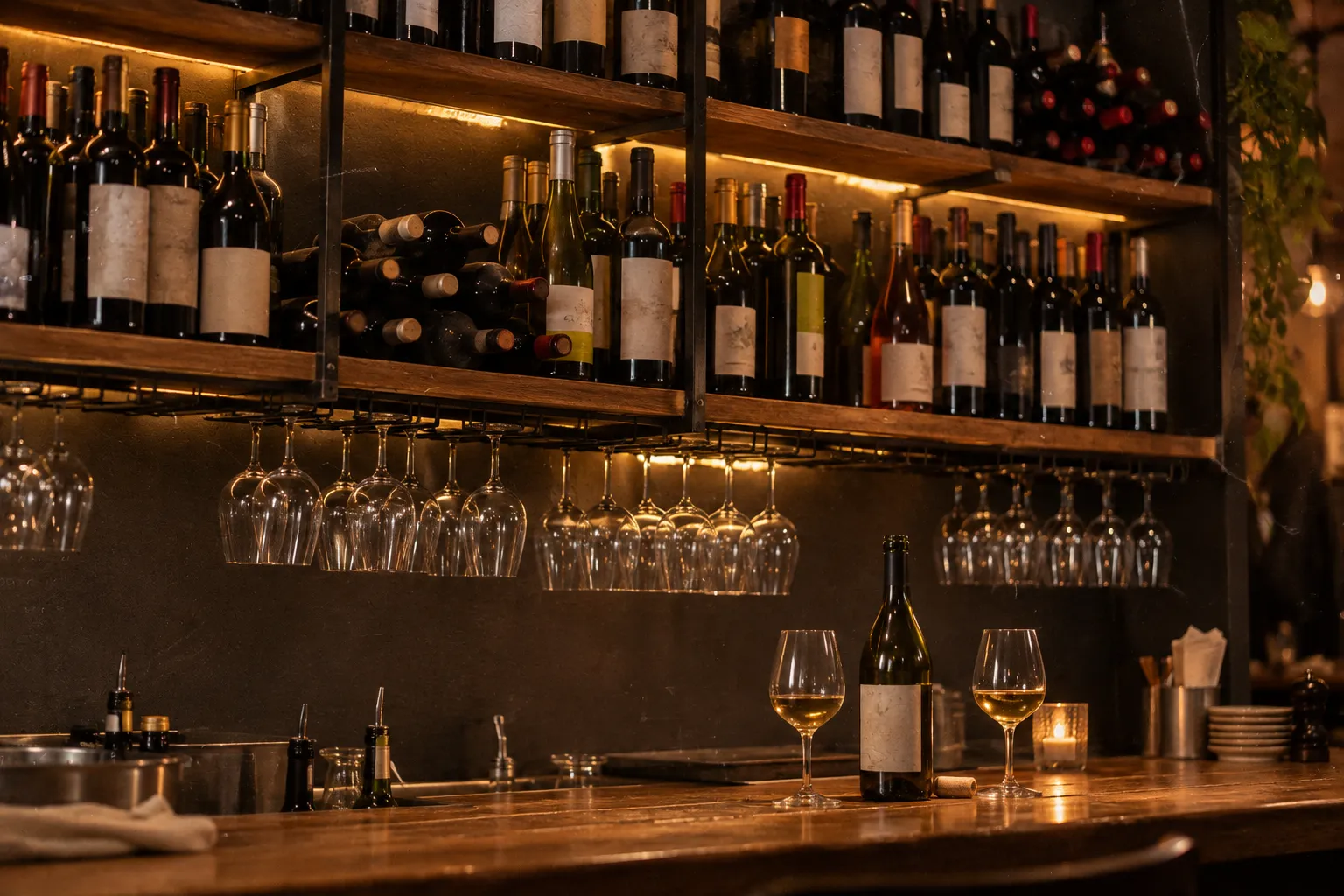
This is where Boia De separates from other restaurants at its price point. The list is deeper and stranger than a twenty-seat room can normally justify — small-production bottles, unfamiliar regions and things that simply do not appear on other Miami lists.
The economics behind that are worth understanding. A restaurant in a strip mall has a fraction of the fixed costs of one on a designed retail street, and some of that saving goes into inventory that a higher-overhead room could not risk. Cheap rent is why the wine list is interesting.
The practical advice is to hand the decision over. Give a price and a rough direction and let the staff choose, because the value here is in the bottles you would not have picked yourself. This is not a list to order a familiar producer from.
Budget honestly
Around $150 a person with wine is the realistic number, and it moves upward easily because the format encourages ordering another plate and another bottle. Nothing is priced outrageously; there are simply a lot of small decisions and they add up.
Against other starred restaurants in the city that figure is low. Against the strip-mall setting it feels high until the food arrives. Both reactions are common and the second one usually resolves the first.
If you want to control it, the mechanism is the wine rather than the food. Two glasses each instead of a bottle, or one bottle at the lower end of the list, changes the total more than skipping a course does.
Sit at the counter
Given the choice, take the counter over a table. It is the better seat in a room this small — you are looking directly into the kitchen, the cooks are within conversational distance, and the pacing is visibly better because the pass is right in front of you.
It is also the seat that walk-ins get, which makes it doubly worth knowing about. Turning up early and waiting for a counter stool is a legitimate strategy and gets you the best position in the restaurant rather than a consolation one.
Two people at the counter is the ideal configuration here. Four at a table works. Six is uncomfortable for everybody including the room, and the restaurant is honest about that if you ask.
Practical notes
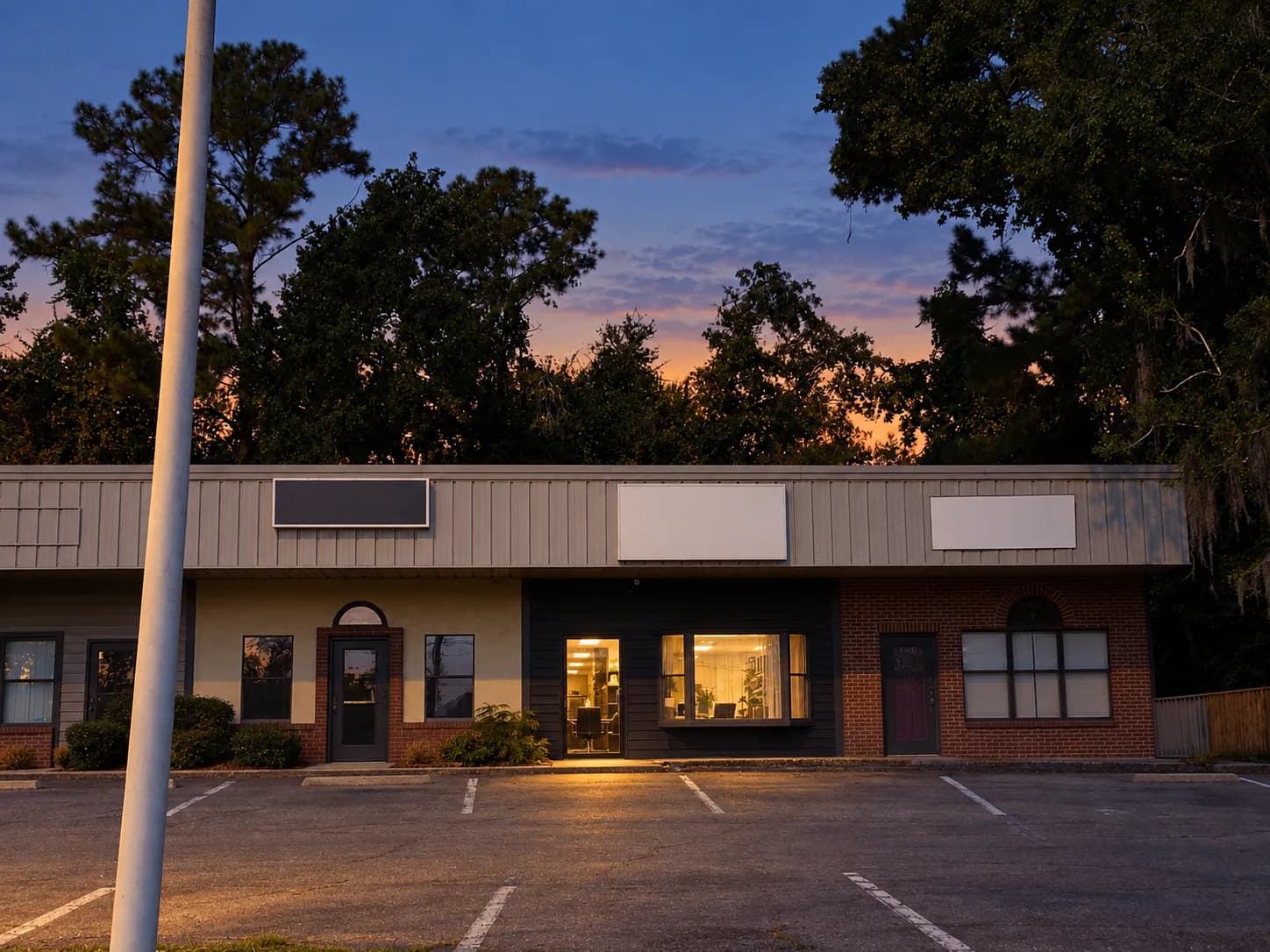
In a Buena Vista strip mall near the Design District, marked by a pink neon exclamation mark; Michelin-starred every year since 2022. Around twenty seats, so reservations on Resy go quickly — midweek and off-peak times are easier and same-day cancellations are worth checking. The counter takes limited walk-ins and is the better seat. The menu changes regularly; ask what the kitchen is doing rather than arriving with a list. Order more pasta than feels necessary and let the staff pick the wine. Budget about $150 a head with wine. Groups larger than four do not fit the room.
Tags: #boiade #bestrestaurantmiami #buenavista #michelinstarmiami #freshpasta #naturalwine #miamirestaurants #hiddengemsmiami #designdistrict #miamifoodguide #miamidining #miamieats #chefscounter #italianmiami
Please drink responsibly. Must be of legal drinking age.
All trademarks are the property of their respective owners.
Ask Karpo first
The menu here changes often enough that the useful question is what the kitchen is doing this week rather than what it was famous for last year. Ask Karpo whether anything has opened up at Boia De tonight, whether it is worth turning up early for a counter stool, and what is open nearby around Buena Vista and the Design District if the answer is no.