There was a period around 2010 when getting a decent bowl of ramen in New York was an event, and people queued for an hour in the East Village to do it. That problem is comprehensively solved - there are now well over a hundred shops in the city and the median bowl is good. What has not kept pace is how people talk about it. Ramen is still discussed as though it were one dish with a quality ranking, when it is four broadly different soups that happen to share a name, and picking the wrong one is why a very good bowl can be disappointing.
Ramen shops keep unusual hours and the late ones are not the famous ones, which is exactly the information you need at one in the morning. Tell Karpo what time it is and where you are, and it will find a counter that is still serving.
Tonkotsu is the default and the heaviest
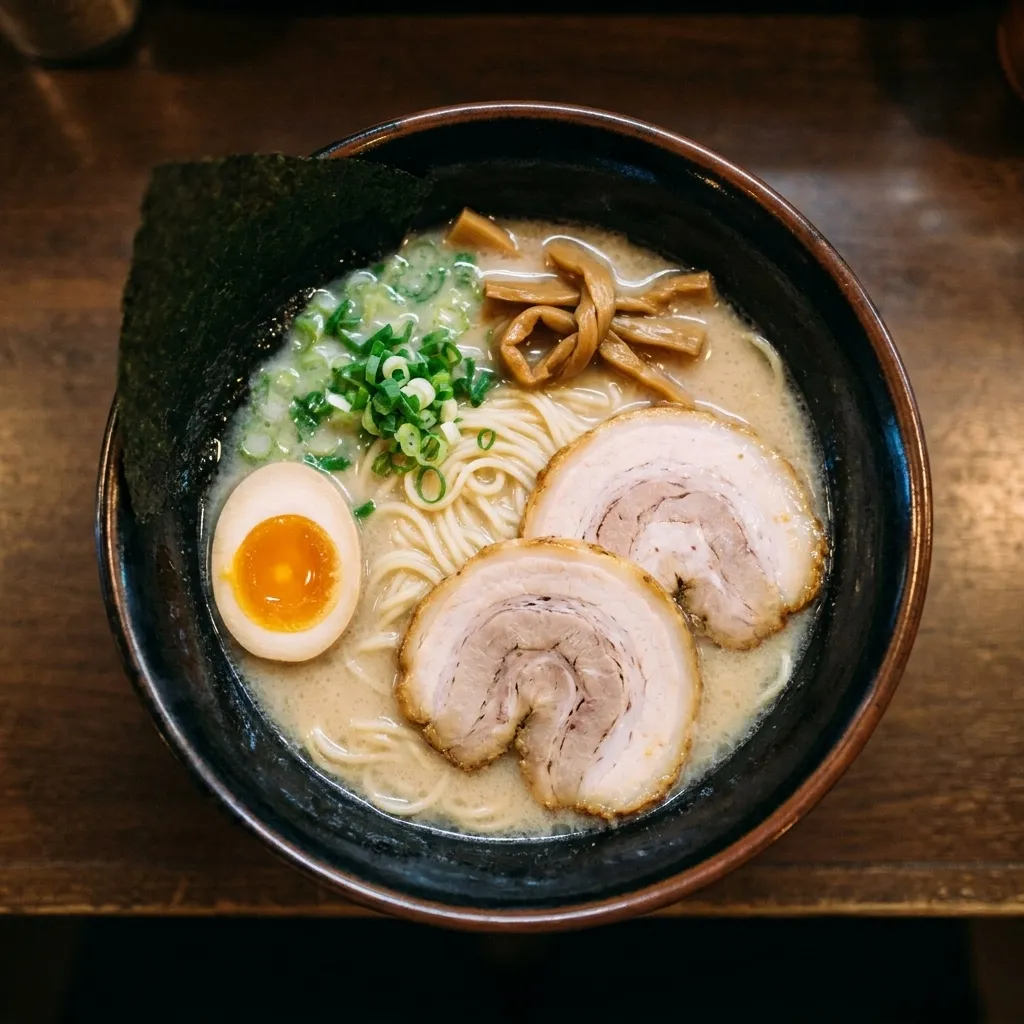
Pork bones boiled hard for twelve hours or more until the collagen and fat emulsify into an opaque, almost creamy broth. This is what most people in New York mean by ramen and it is what the big chains built the city's scene on. Done well it coats the mouth and the noodles come out thin and firm to stand up to it.
It is also the most fatiguing bowl on the list and the one least suited to a warm evening. If you have had tonkotsu three times and found it heavy, the answer is not a better tonkotsu shop - it is one of the other three.
Shoyu and shio are the ones to try next
Shoyu is a clear chicken-and-dashi broth seasoned with soy, and it is the Tokyo style - lighter, saltier, more savoury, usually with wavy medium noodles. Shio is the same idea seasoned with salt instead, which sounds like a smaller distinction than it is: it is the most delicate of the four and the one where a thin broth has nowhere to hide.
These are the bowls to order at a shop you want to judge. Tonkotsu can carry a mediocre kitchen on richness alone. A shio bowl cannot, which is why fewer places put one on the menu and why the ones that do are usually worth paying attention to.
Miso, and the seasonal argument for it
Miso ramen is the Sapporo style - fermented soybean paste stirred into a pork or chicken base, often with sweetcorn, butter and bean sprouts, and it is built for cold weather. It has the most going on of the four and is the most forgiving of a late-night appetite.
This is the bowl that comes into its own from about now through March. Ordering miso in July is a choice; ordering it on a cold wet night in November is close to unimprovable, and New York has enough shops doing it properly that it should be the default from the first cold week.
The neighbourhoods, roughly
The East Village remains the densest concentration and has the widest range of styles within a few blocks, which makes it the right place to go if you want to compare. Midtown East and the blocks around Murray Hill serve a Japanese business population and skew toward the more traditional shoyu and shio counters.
The outer-borough scenes are smaller and better than they used to be - Long Island City, Sunnyside and parts of Brooklyn all have shops that would have been notable in Manhattan ten years ago. They are also considerably easier to get a seat at on a Friday.
The late-night map is a different map
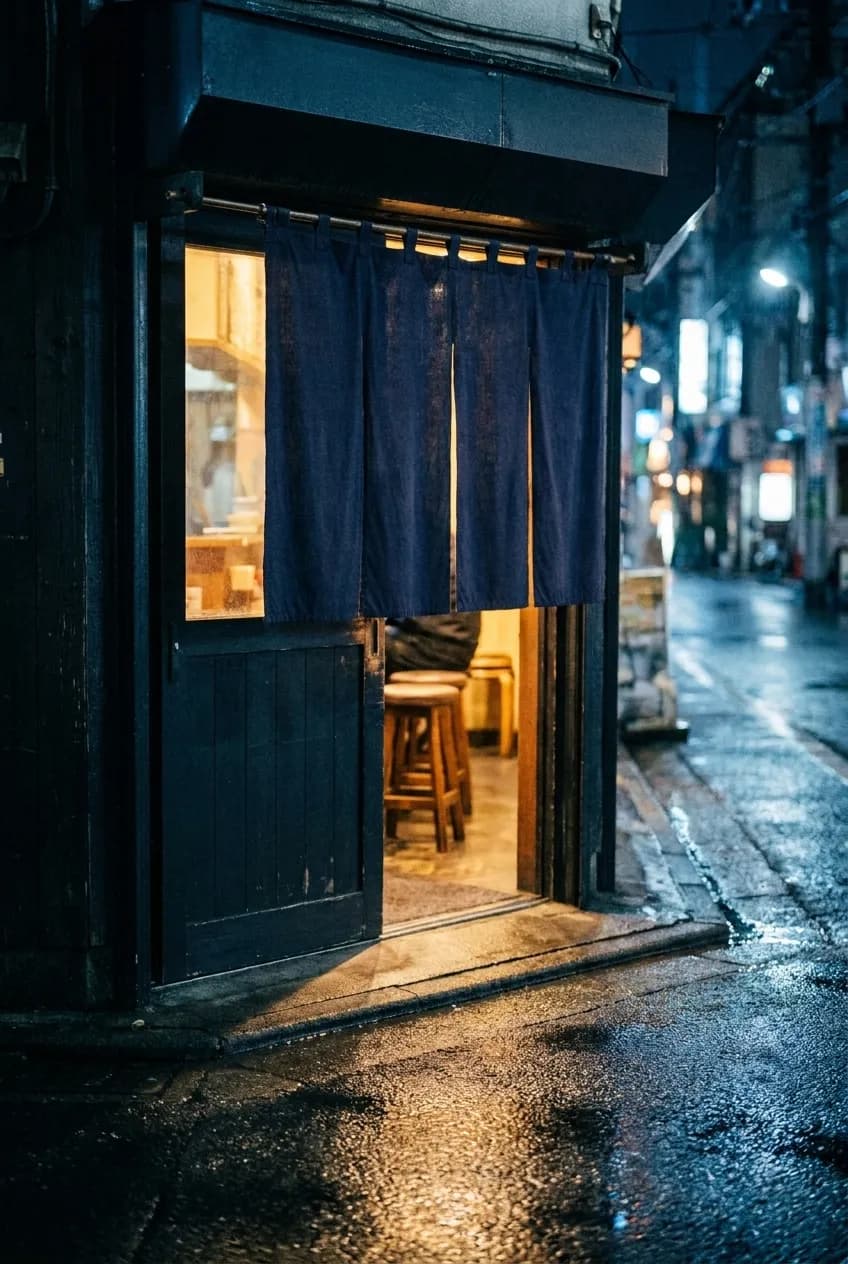
This is the practical part. The best-known shops mostly close at ten or eleven, and the counters that serve until two or three in the morning are a largely separate set, concentrated in the East Village and around St Marks Place. They are smaller, they are counter-only, and they are frequently better value than the daytime famous names.
The convention at these places is quick. You order at a machine or at the counter, you eat in fifteen minutes, and you leave - there is usually somebody waiting. That is not rudeness, it is the format, and it is why a late bowl works as the end of a night out rather than as a sit-down meal.
How to order and how to eat it
Ask for noodles firm - katame - if you are a slow eater, because standard doneness will go soft in the broth before you finish. Order the egg. Add-ons beyond that are mostly optional, though extra chashu is worth it at a shop that presses and torches its own.
Then eat it quickly and do not talk much. Ramen is a fifteen-minute dish that deteriorates measurably from the moment it lands - the noodles absorb broth and go slack, and a bowl left for half an hour while you catch up with someone is a different and worse bowl. Have the conversation before or after.
What to ignore in the discourse
Two things get argued about far more than they matter. The first is queueing - a shop with an hour wait is not an hour better than one with no wait, and the correlation between queue length and bowl quality in this city broke some time around 2015. The second is whether a shop makes its own noodles, which sounds decisive and mostly is not; several excellent shops buy from the same two suppliers.
The things that do reliably matter are broth clarity for the lighter styles, whether the chashu is cut and finished to order, and whether the shop is willing to serve you a bowl at the firmness you asked for. Those are all observable in the first minute and none of them require a queue.
Tags: #BestRamenInNewYorkCity #Tonkotsu #LateNightNYC #NYCFood #RamenNearMe #EastVillage #ShoyuRamen #MisoRamen #NewYorkCity #NYCNights
All trademarks are the property of their respective owners.
Ask Karpo first
The right bowl depends on the weather, the hour and how heavy you want the next hour to feel. Ask Karpo which style is near you and which counters are still open at whatever time you got hungry.