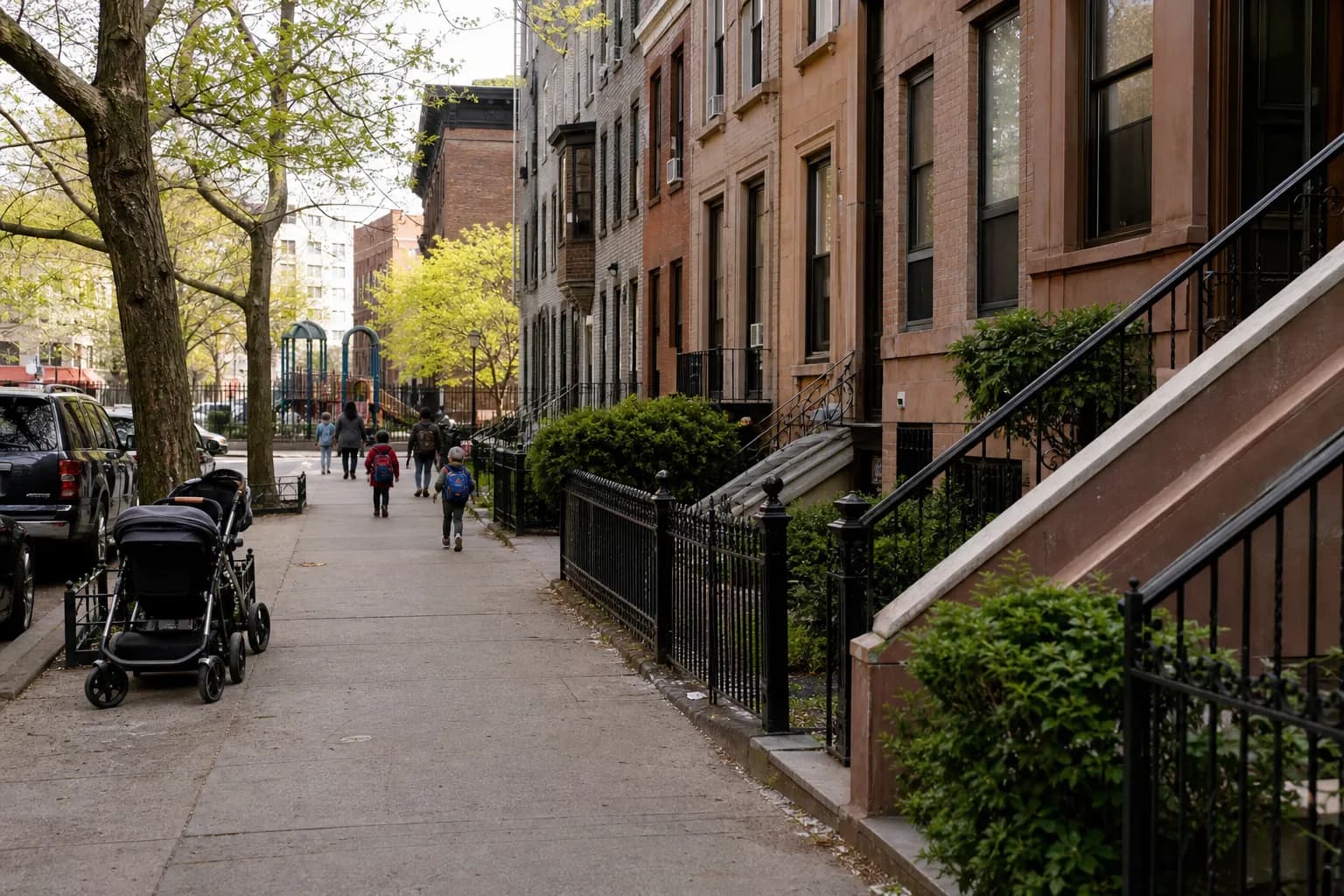
Choosing a family move in New York is rarely just about school reputation. The real question is how the school zone, the apartment building, and the daily walk to the subway work together. Some blocks give you wide sidewalks, playgrounds, and easy errands; others offer stronger access to the best nyc schools but force more tradeoffs on space, stairs, or noise. If you're comparing nyc family neighborhoods, start with the exact address and the block feel. The right school zone is only useful if the rest of family friendly nyc actually works.
Tell Karpo which school zones and neighborhoods you’re comparing, and it will turn them into a block-by-block move plan with commute and stroller logic.

Start With The Zone
Before you fall in love with a neighborhood, confirm what the zone actually does. In public school zones nyc, the difference between one address and the next can be the difference between an easy assignment path and a more complicated search. Parents often think in broad neighborhood names, but the city works in finer-grained slices. That means your first pass should be the exact building, then the block, then the commute. A good school map is only half the story if the apartment itself is a stair-heavy compromise.
The smartest family search treats school access like a layer, not the whole decision. If a block sits close to the subway, a playground, and a grocery run, that neighborhood can feel easier even if another nearby block is technically in a more coveted zone. The reverse is also true: a stronger school zone can hide a rougher daily routine. Walk the area with a stroller or backpack, notice crossings and bus traffic, and pay attention to how many errands you can do without turning the day into a project.
Upper West Side And Riverside
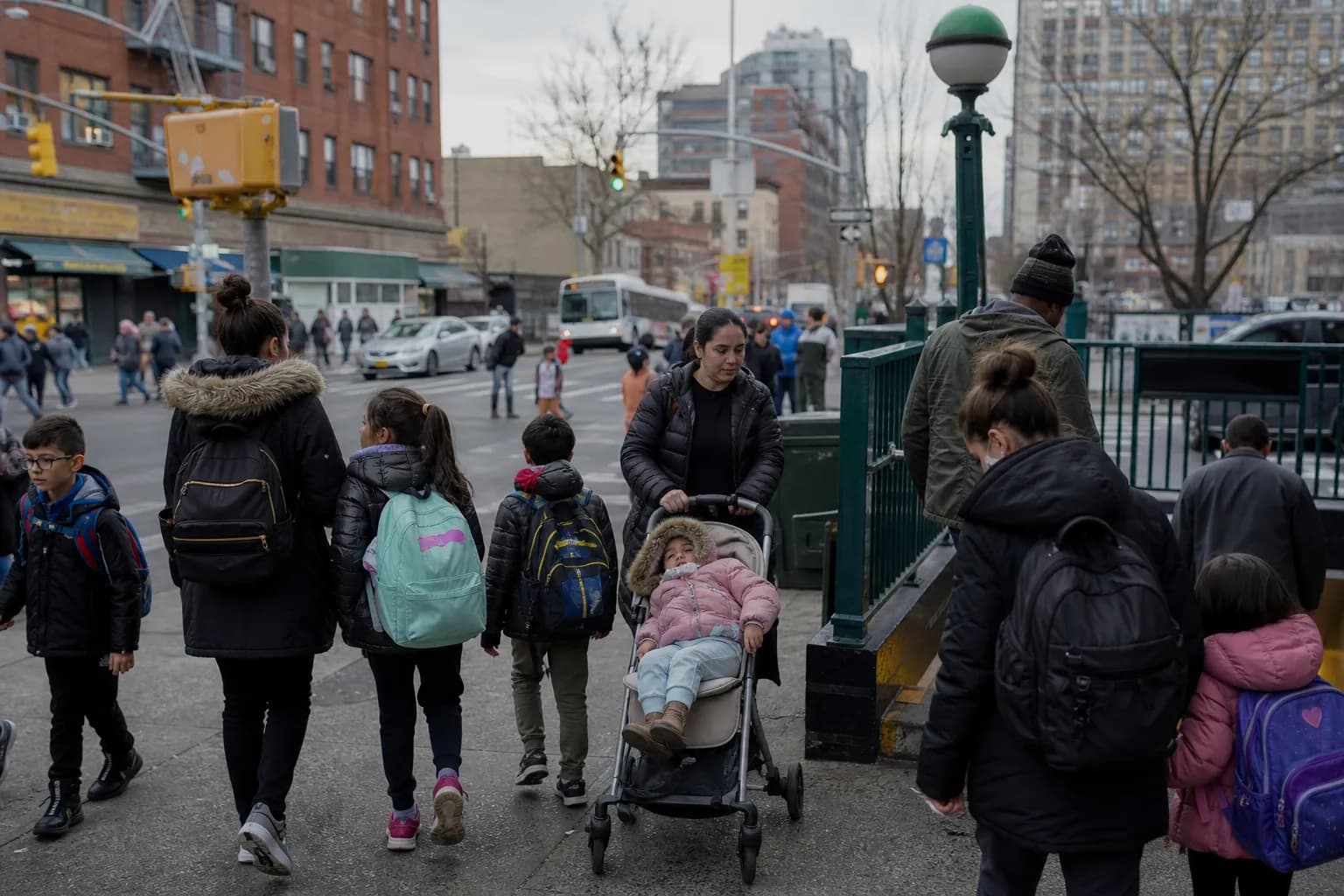
For many parents, the Upper West Side is the easiest mental picture of family friendly nyc. You get broad sidewalks, park access, lots of prewar apartments, and enough daily infrastructure that life does not revolve around a car. It is especially attractive if you want established blocks, elevator buildings, and a straightforward commute to a range of public school options. The catch is no secret: demand is intense, larger units are competitive, and the nicest family layouts can disappear quickly once they hit the market.
The block-to-block difference matters here more than in a lot of Manhattan. A quieter side street near Riverside feels very different from an avenue closer to the subway or a busy commercial stretch, especially at school drop-off and pickup. That is why parents should not only ask about the neighborhood name, but also about the exact walk to the school and the train. If you need nyc apartments with room for strollers, sports gear, and a second bedroom, this is a place where square footage gets decided by tradeoffs, not wishful thinking.
Brooklyn's Classic Family Core
Park Slope, Brooklyn Heights, and Carroll Gardens keep showing up in conversations about the best nyc schools for one reason: the daily life around them feels built for families. Think playground density, brownstone blocks, neighborhood routines, and a lot of parents doing the same school-run calculus at the same time. The appeal is not just the schools themselves, but the way the streets support a calmer version of city life. You are often paying for both the school draw and the sense that your block works on foot.
One useful insider truth: family-sized rentals often loosen a bit in late spring and early summer, when households move on the school calendar and try to settle before fall. That does not mean inventory becomes easy, but it does mean the search can improve after months of frustration. In these neighborhoods, the apartment details matter as much as the zone. Co-op rules, walk-up stairs, and narrow entryways can turn a beautiful block into a daily hassle if you are carrying a kid, a bag, and a sleep-deprived schedule.
Queens For More Space
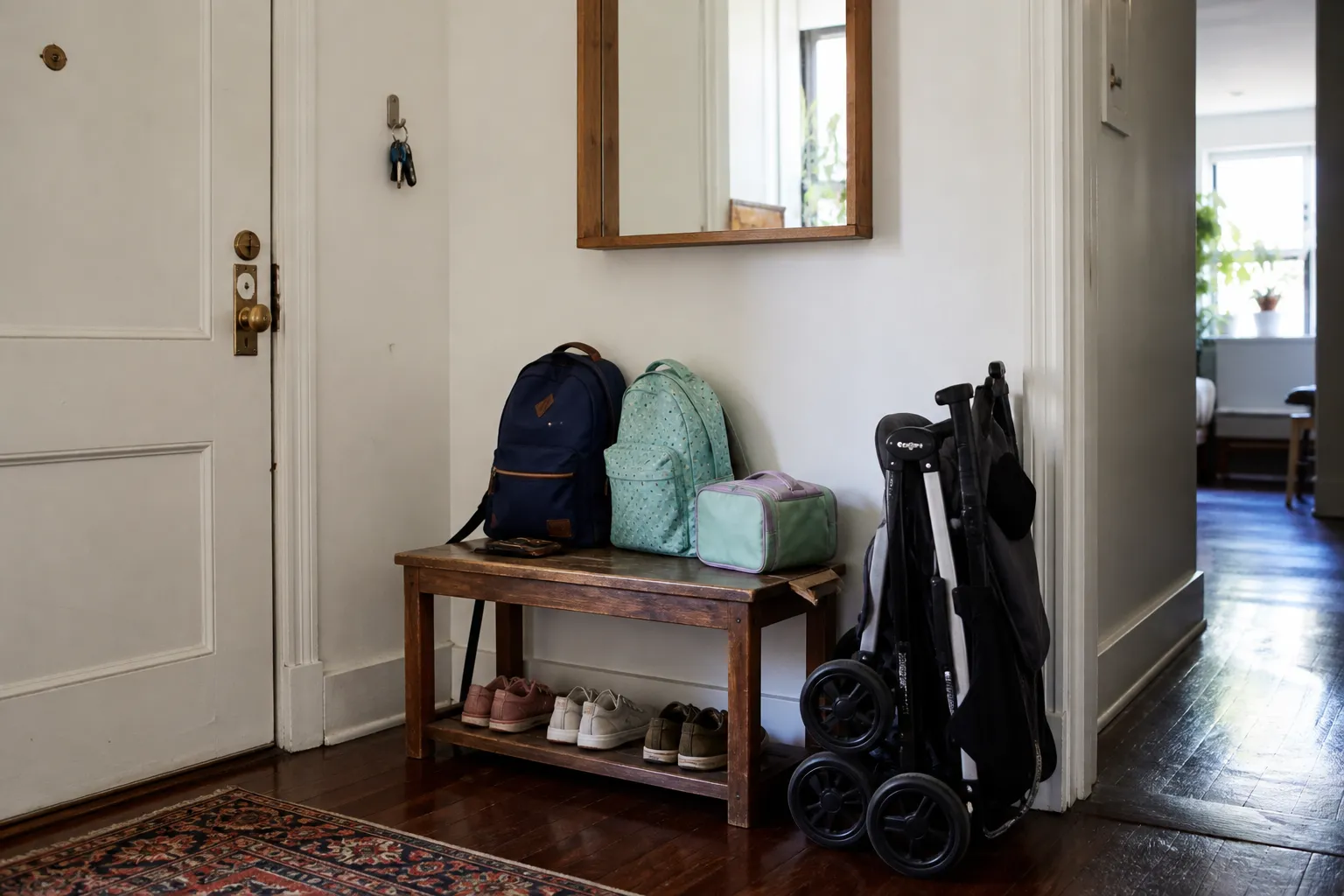
If your priority is more room without giving up a serious school search, Queens deserves a close look. Forest Hills, Sunnyside, and Jackson Heights can give families a better price-to-space ratio than a lot of Brooklyn or Manhattan, plus strong transit and a deeply lived-in residential feel. These neighborhoods tend to work well for parents who want a little more breathing room, a wider mix of apartment sizes, and a daily rhythm that feels less frantic. You may trade away some prestige, but you often gain real practicality.
The best way to judge these blocks is not a lazy weekend stroll. Visit on a weekday after dismissal, when curb traffic, bike clutter, and playground energy tell the truth about the block. That timing also shows how easy the commute really is once school is part of the schedule. In neighborhoods like these, the move question is less about image and more about flow: can you get home, get groceries, and get a kid to bed without crossing the borough twice? That is where family-friendly NYC becomes concrete.
Newer Buildings, Different Tradeoffs
Battery Park City and parts of Downtown Brooklyn appeal to families who want newer buildings, elevators, and a more managed daily setup. These areas can make sense if your apartment wish list includes doorman service, decent storage, and a layout that feels easier with kids in different stages. They are not the same as a classic brownstone neighborhood, and that is the point. You are buying a more vertical, amenity-forward version of family life, often with cleaner common spaces and a less chaotic building experience.
The tradeoff is that these neighborhoods can feel less intimate, and the school search may require more careful comparison of building, block, and exact assignment. If you are considering nyc apartments here, do the boring part early: walk from the subway to the school, then from the school to the nearest playground, then back to the apartment at the hour you would actually live this life. A neighborhood can look perfect on paper and still feel tiring if every daily errand depends on a long indoor corridor or a windblown avenue.
Practical notes
When you're comparing family neighborhoods, rank the basics in this order: exact school-zone address, commute from the apartment entrance, and the daily walk to groceries, parks, and transit. For each contender, check the block at school dismissal time, not just on a quiet weekend. Ask whether the building has an elevator, stroller storage, laundry, and package handling, because those details change the math fast. If you are renting, remember that the best family-sized listings can come and go with the school calendar, so timing matters as much as taste.
Tags: #nyc #newyorkcity #nycfamilyneighborhoods #publicschoolzonesnyc #familyfriendlynyc #nycapartments #schools #brooklyn #queens #upperwestside #parkslope #foresthills #schoolsearch
Sources consulted: schools.nyc.gov · schools.nyc.gov
All trademarks are the property of their respective owners.
Ask Karpo first
Ask Karpo to compare the latest family-sized listings in the neighborhoods you care about, then layer in school-zone checks, current transit timing, and a live walking route for drop-off and pickup. It can help you narrow the search to public, kid-friendly blocks only, with the newest openings and the right timing windows.