There is a piece of San Francisco dining folklore that no longer holds: that if a restaurant is booked out, you can always sit at the bar. Bar seats used to be the city's release valve — first come, full menu, no reservation. Enough rooms have started taking bookings for those seats that the tactic has stopped being reliable, and people are still turning up on it.
Walk-in policy is the one thing restaurant listings almost never state, and it differs by room, by night and by hour. Ask Karpo which of tonight's openings will actually seat you.
The openings that are walk-in by design
Bar Coto, from the team behind Cotogna, is the clearest case: walk-in only, and structured as an all-day bar and cafe rather than a dinner-service restaurant. That combination is the interesting part. A room with no booking system and a long service window has a completely different rhythm — you can go at four in the afternoon, or at half past nine, and the room is not organised around two seatings.
This is a small but real trend worth watching, and it is a response to exactly the problem above. When every good room requires a reservation weeks ahead, opening a deliberately unbookable one is both a differentiator and a service. If your evening is unplanned, these are the rooms to learn.
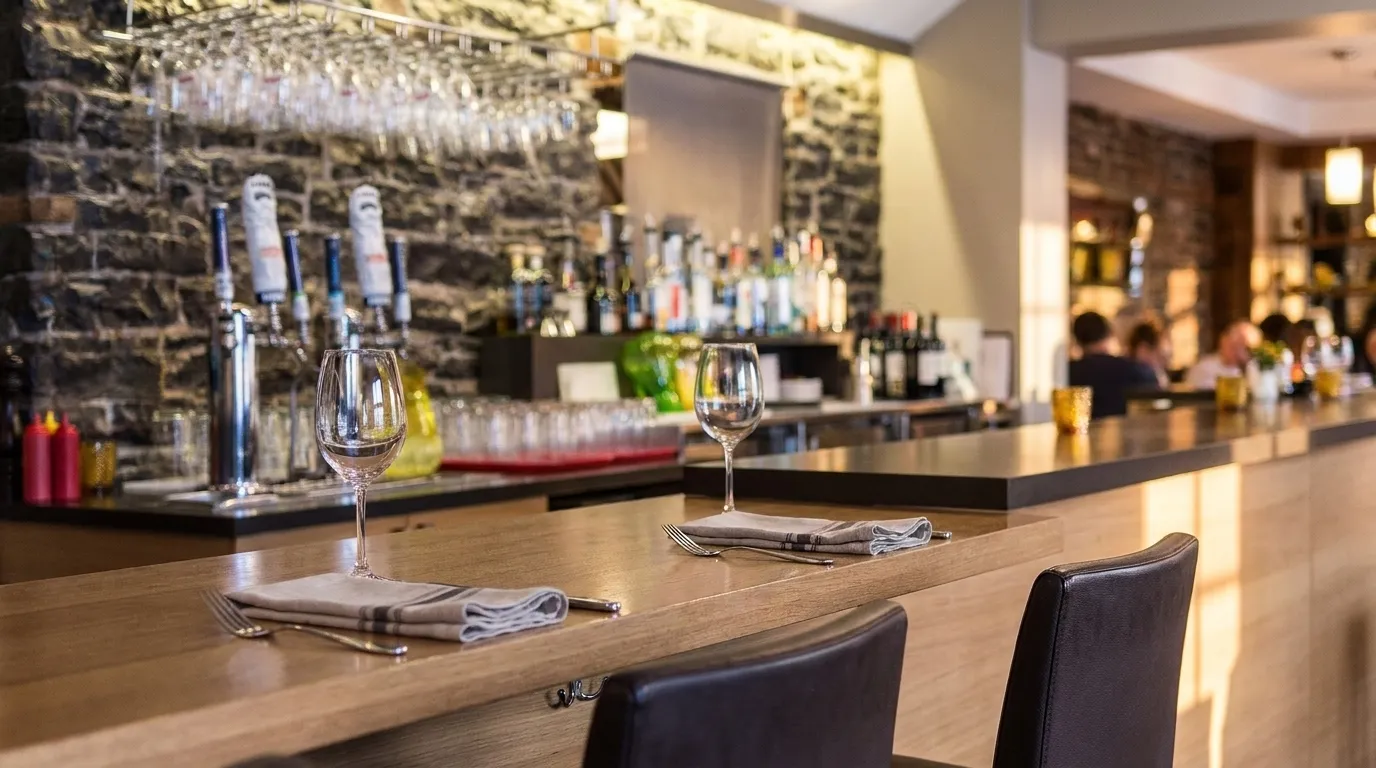
Where the bar seat still works
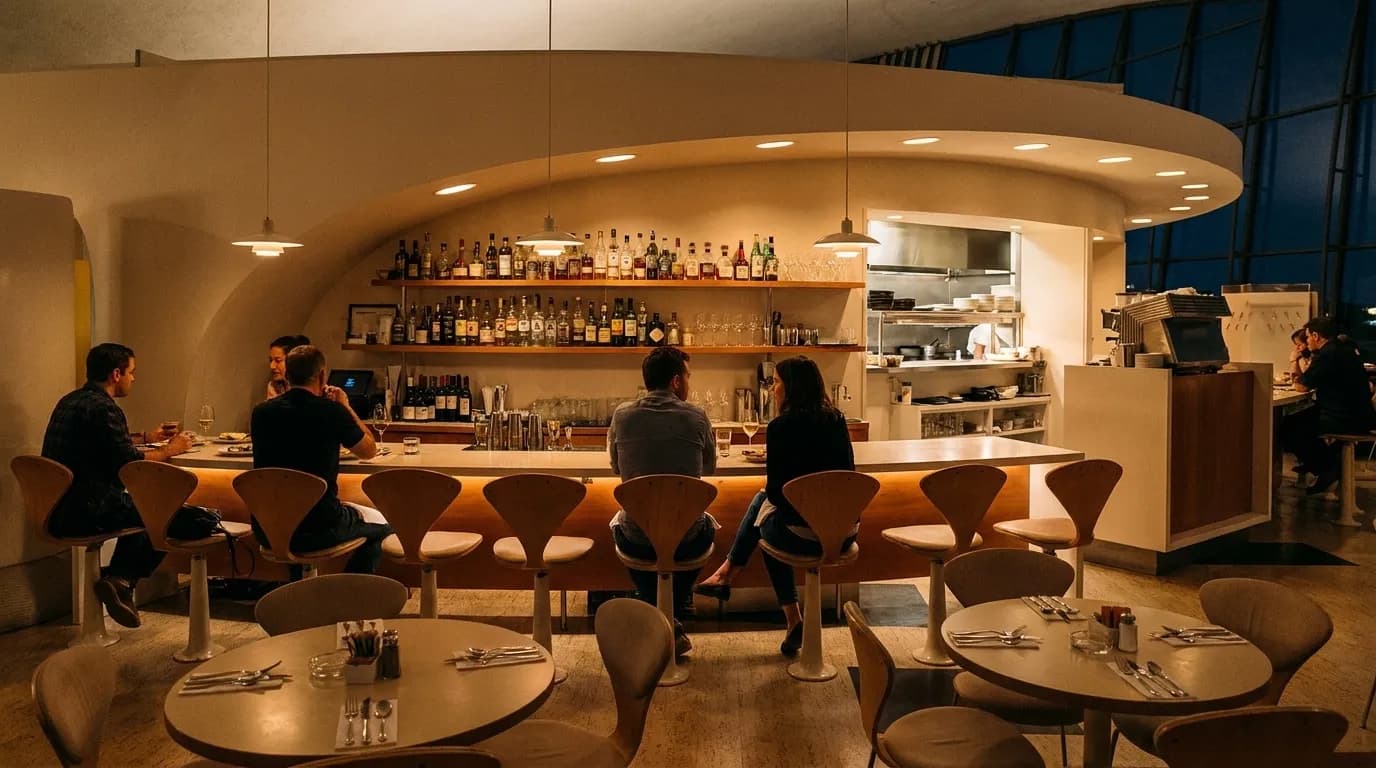
Bar Sprezzatura sits in the middle category, and its policy is the one to understand because so many rooms now run something similar: the bar takes walk-ins, but reservation holders are prioritised during peak hours and walk-ins are accommodated as space allows. That is not a refusal — it is a timing instruction.
Read it literally and you get in. The walk-in window at a room like this is either side of the rush: early, before the booked tables land, or late, once the first sitting has cleared. Arriving at eight and being told the bar is full is not bad luck; it is the policy working exactly as written. Arriving at half past five or half past nine is a different experience entirely.
What is coming, and what has moved
The city's next wave is substantial. New Mediterranean and Italian rooms are arriving in the Ferry Building, a large food hall is opening in the Presidio, and JouJou lands in winter — French-leaning, California-sourced, mostly à la carte and weighted heavily towards seafood. Separately, Sons and Daughters, the two-Michelin-starred room, has relocated to a larger space in the Mission.
That relocation matters for availability in a way that is easy to miss. When a very small, very booked restaurant moves to a bigger room, the number of seats in the city at that level goes up, and the booking difficulty at that particular address usually eases somewhat in the months afterwards. If it has been on your list and you gave up on it, it is worth another look.
It is worth being precise about why the bar-seat convention eroded. Bar seats were never free capacity — they were unbooked capacity, which is a different thing, and once booking software made it trivial to sell them in advance there was no reason for a restaurant to leave money on the counter. The rooms that still hold seats back are making a deliberate choice about what kind of room they want to be.
How to actually get a table this week
Three tactics, in order of reliability. First, target the walk-in-only rooms and go at an odd hour — this is the only approach with no failure mode. Second, target bar seats at rooms with a stated walk-in policy, and go early or late rather than at eight. Third, check for same-day releases: restaurants routinely release held tables in the morning for that evening, and a room that showed nothing a week ago frequently has a nine o'clock slot at ten in the morning.
The thing not to do is treat a new opening's first month as the time to try it. That is when demand is highest, the kitchen is least settled and the booking window is worst. A room three or four months old is easier to get into and almost always better than it was at launch — the least fashionable advice in restaurant coverage and the most consistently correct.
If none of that works, the reliable fallback in San Francisco is to eat early. The city dines earlier than New York or Los Angeles and the pressure on a dining room at half past five is a fraction of what it is at eight, at every price level. A 5:30pm table at a room you actually wanted beats a 9pm table at your third choice, and it is available almost every night of the week.
And treat cancellations as a live feed rather than a one-time check. Most booking platforms release seats continuously as people drop out through the afternoon, so a room that showed nothing at noon can have a table at six. Checking twice, several hours apart, converts far more often than checking once and giving up.
A solo diner has the easiest time of anyone in this city, and it is worth saying out loud: one seat appears constantly where two never do. If you are willing to eat alone at a counter, almost every room on this page is available to you on almost any night.
Practical notes
Bar Coto: walk-in only, all day, no reservation to worry about. Bar Sprezzatura: walk-ins at the bar, prioritised behind bookings at peak — go before or after the rush. Sons and Daughters has moved to a larger Mission space. JouJou arrives in winter, French-leaning and seafood-heavy, alongside new Ferry Building rooms and a Presidio food hall. Do not assume a bar seat is walk-in any more, and check for same-day releases in the morning.
Tags: #SanFrancisco #SFRestaurants #NewOpenings #WalkIn #NoReservation #BarCoto #BarSprezzatura #MissionDistrict #HayesValley #FerryBuilding #SFEats #BestRestaurantsSF #BayArea #DinnerSF
All trademarks are the property of their respective owners.
Ask Karpo first
Want to try one of San Francisco's new rooms tonight without a reservation? Ask Karpo which openings near you are walk-in, which bars are taking walk-ins at this hour, and where a same-day table has just come up.