Mediterranean is a category that exists mainly on menus and almost nowhere in reality. It covers Greek food, Levantine food, North African food and the Californian style that borrows from all three, and those four things share an olive oil bottle and very little else. If you have eaten disappointing Mediterranean food in San Francisco, the most likely explanation is not that the room was bad — it is that you ordered a Levantine dish in a Greek kitchen, or the other way around.
The word on the sign rarely tells you what the kitchen is actually good at. Ask Karpo what a specific place does best before you order.
Greek, which the city does at the top end
San Francisco's Greek cooking is concentrated in a small number of serious rooms rather than spread across neighbourhood tavernas. Kokkari in the Financial District is the reference — a proper Greek kitchen doing lamb, whole grilled fish and open-fire cooking at a level that would hold up in Athens, in a room that is expensive and knows it. The thing to understand about ordering here is that Greek food is at its best when it is simple and the ingredient is excellent, which means the whole grilled fish and the plainly cooked lamb are the correct order and the elaborate dishes are usually not.
Levantine, which is where the interesting cooking is
The Levantine end — Lebanese, Palestinian, Syrian, Israeli — is where San Francisco has changed most in recent years, and it is the answer for most people most of the time. Beit Rima has built a following on straightforward, generous Palestinian home cooking. Dalida, in the Presidio, runs a menu that leans Turkish and Greek in a genuinely showy room, with pita and labneh and a crisp tahdig that has become the thing people order it for. Barcha, Mazra and Freekeh fill in the middle of the market.
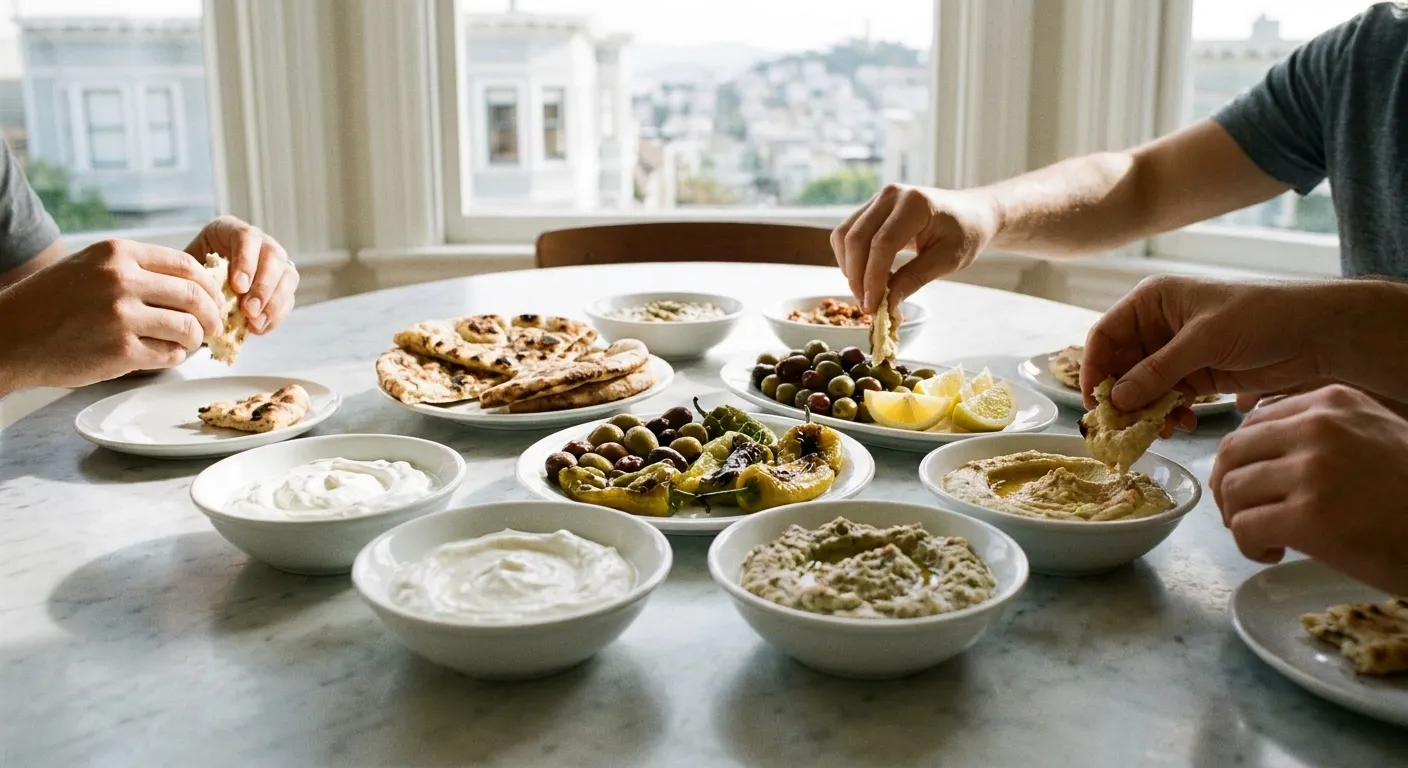
The ordering rule for Levantine rooms is the opposite of the Greek one: order broadly and share. These are cuisines built around a table covered in small dishes, and a single main course per person is both more expensive and considerably less good than four mezze and some bread between two.
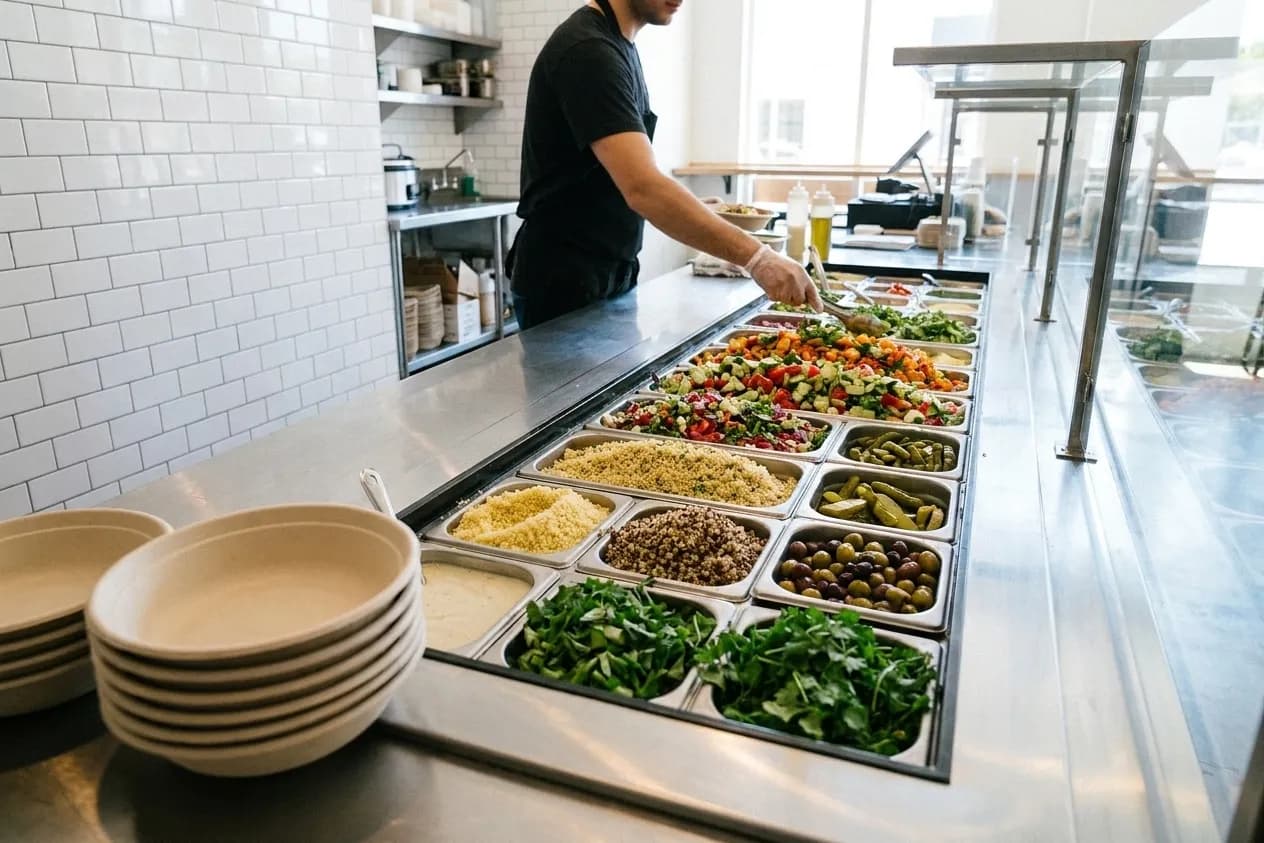
The counters, which are the best value in the category
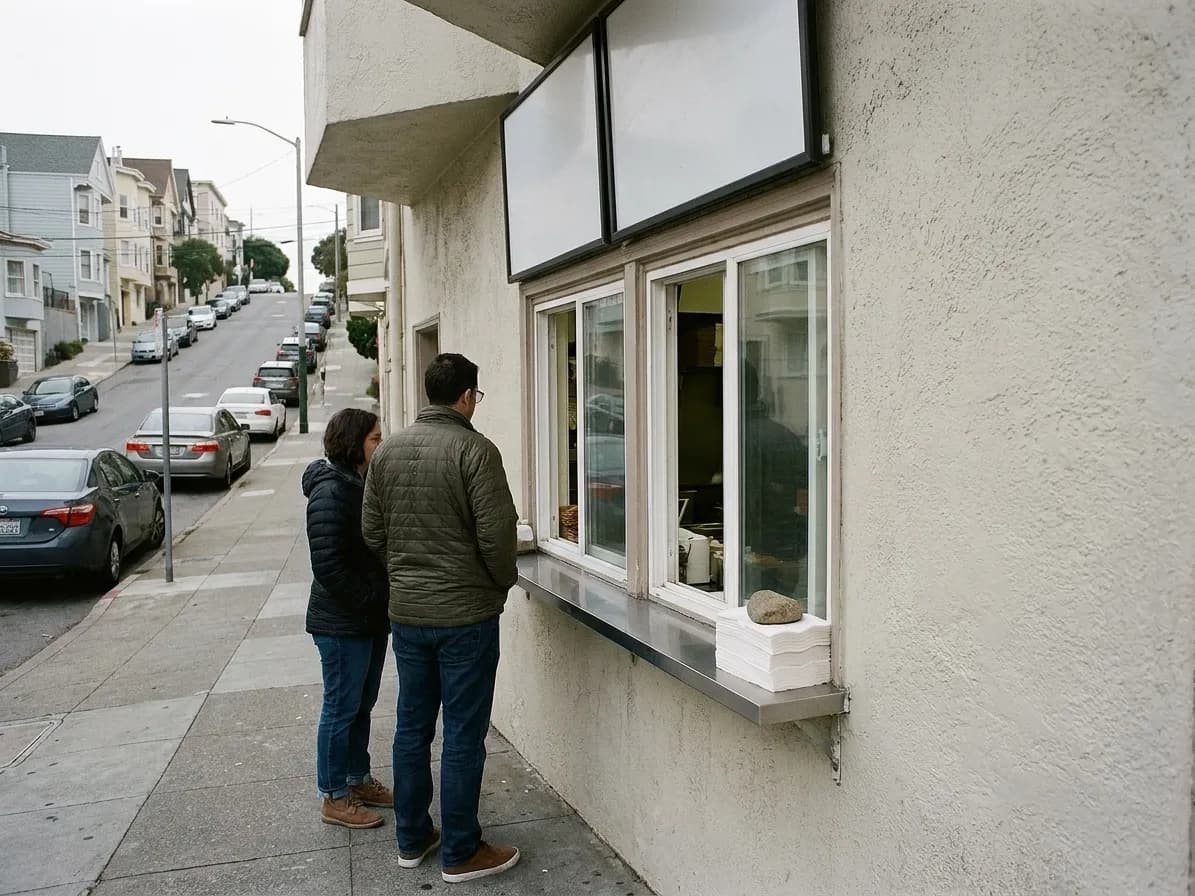
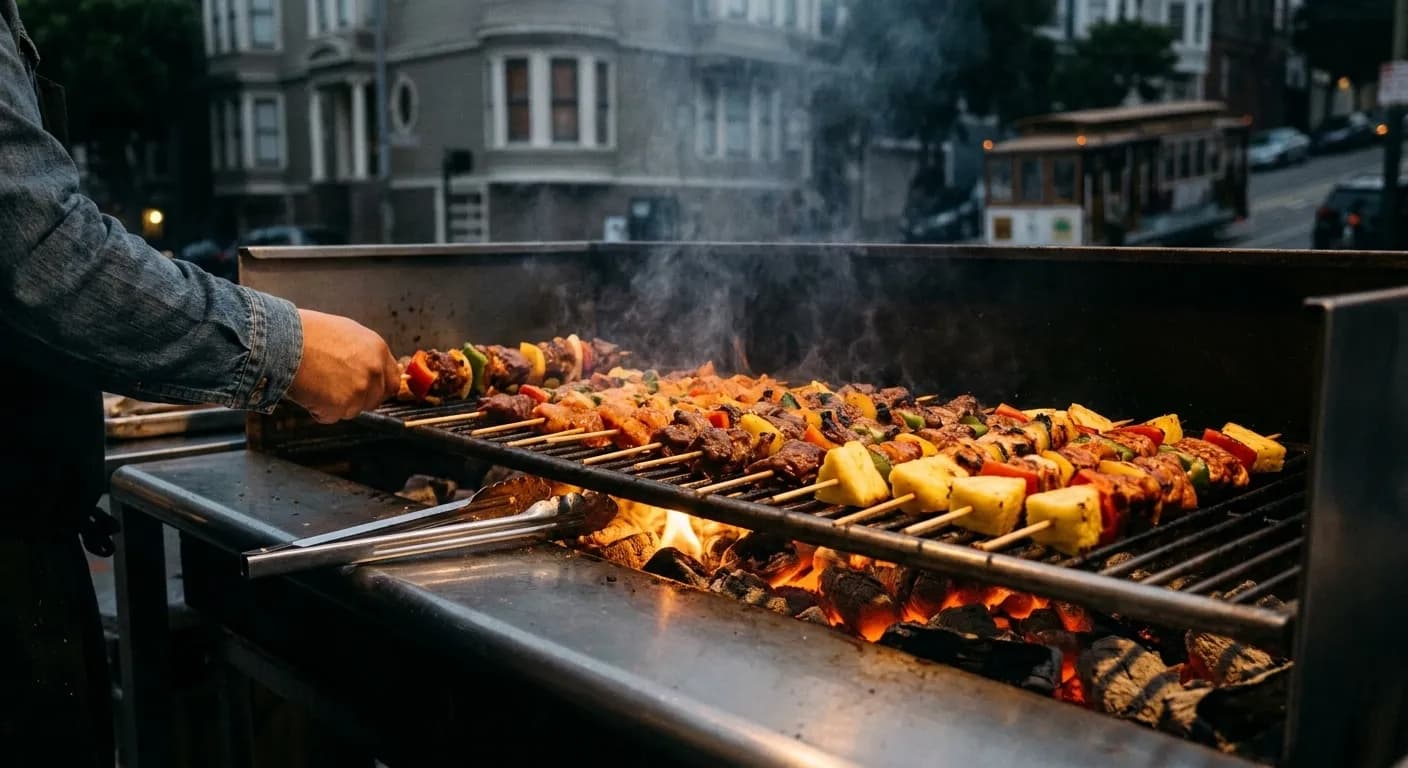
The highest ratio of quality to price in San Francisco's Mediterranean landscape is not in the restaurants at all — it is in the kebab counters and shawarma shops, several of which are doing serious cooking at a fraction of sit-down prices. Presidio Kebab is the best-known example of the type. La Méditerranée, on the Armenian side of the same broad tradition, has been quietly reliable for decades and is priced like a neighbourhood restaurant rather than a destination. If your budget is twenty dollars, the counter will beat the dining room every time in this particular cuisine, which is not true of French or Japanese food.
The Californian-Mediterranean problem
The fourth category is the one that causes the confusion. A large number of San Francisco restaurants describe themselves as Mediterranean when what they mean is Californian cooking with olive oil, preserved lemon and a wood oven. This can be excellent — it is arguably the city's native style — but it is not what you want if you came for hummus. The tell is the wine list. A serious list of Californian and French bottles means Californian-Mediterranean; a short list with Greek and Lebanese wines on it means the kitchen is actually cooking that food.
Sorted this way, the question stops being where the best Mediterranean food in San Francisco is and becomes which of the four you actually want tonight. Greek for fish and fire, Levantine for a table full of small plates, a counter for value, and Californian-Mediterranean when what you really want is a good San Francisco restaurant that happens to use za'atar. Almost every disappointing meal in this category is a mismatch between those four, not a failure of cooking.
Two practical notes that apply across all four. The bread is the tell: if the flatbread arrives warm and obviously made in the building, the kitchen is taking the cuisine seriously, and if it arrives cold from a bag, adjust your expectations for everything else. And lunch is substantially better value than dinner in this category specifically, because the mezze format scales down to one person far more gracefully than most cuisines — a plate of hummus, some bread and a salad is a complete lunch at a fraction of the evening spend, and it is what the people who grew up eating this food are actually having in the middle of the day.
It is also worth saying that the geography here is unusually forgiving. Unlike some of San Francisco's cuisines, Mediterranean cooking is not concentrated in one or two neighbourhoods — there are good Levantine counters in the Richmond, the Mission, the Tenderloin and along Polk, and the Greek and Californian-Mediterranean rooms are distributed across downtown and the northern half of the city. You are very rarely more than a short walk from something in this category that is worth eating, which makes it one of the more reliable defaults in the city when nobody in the group can agree on anything else.
If you want one order that tests any room in this category, make it the simplest thing on the menu — plain hummus, or a single grilled fish, or bread and olive oil. Elaborate dishes hide a lot. A kitchen that can make the plainest item on its own menu taste like something is a kitchen worth returning to, and in Mediterranean cooking more than most, that is almost entirely a question of whether the ingredients are good and whether somebody is paying attention to seasoning rather than presentation.
Tags: #SanFrancisco #SFEats #MediterraneanFood #GreekFood #Levantine #MiddleEastern #Kokkari #BeitRima #Mezze #SFFood #BayArea #SFDining #FoodGuide #Shawarma #EatLikeALocal
All trademarks are the property of their respective owners.
Ask Karpo first
Ask Karpo which Mediterranean rooms near you in San Francisco are actually Greek, Levantine or Californian, which are open tonight, and what the two dishes worth ordering are at each.