If you went looking for lunch deals in downtown Los Angeles this week and found a wall of expired promotions, there is a reason. Dine LA Restaurant Week ran from 14 to 28 August, put more than 400 restaurants on fixed-price menus at tiers starting at $15, and finished. Every listing still advertising it is describing something that ended, which is a useful reminder that promotional pricing is the least reliable thing to plan a working week around.
Lunch pricing moves faster than any other part of a restaurant's menu, and the difference between a promotional tier and a standing one is invisible in a listing. Ask Karpo what is actually priced that way today.
What a restaurant week is actually for
It is worth understanding the mechanism, because it changes how much weight to give these events. A citywide restaurant week exists to fill rooms in a slow fortnight, at a price that covers costs rather than makes money, in exchange for people discovering a restaurant they would not otherwise have tried. The food is generally a reduced version of the standard menu, the seating times are the ones nobody wants, and the whole thing disappears on a fixed date.
That is not a criticism — it is a good deal for both sides on its own terms. It just means a restaurant-week menu tells you very little about what eating there normally costs, and building a lunch habit on one is impossible by design. The useful list is the restaurants whose everyday lunch price is already low.
The everyday $15 tier downtown
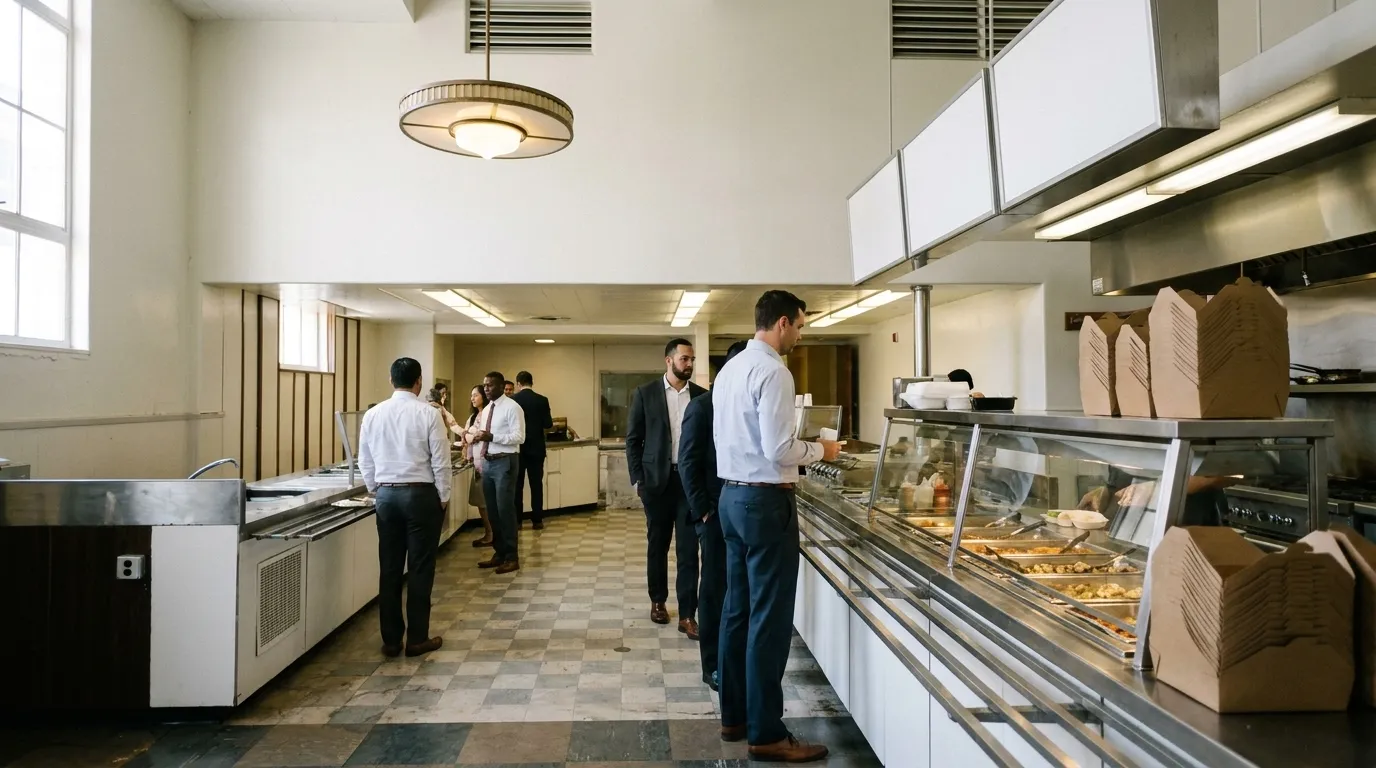
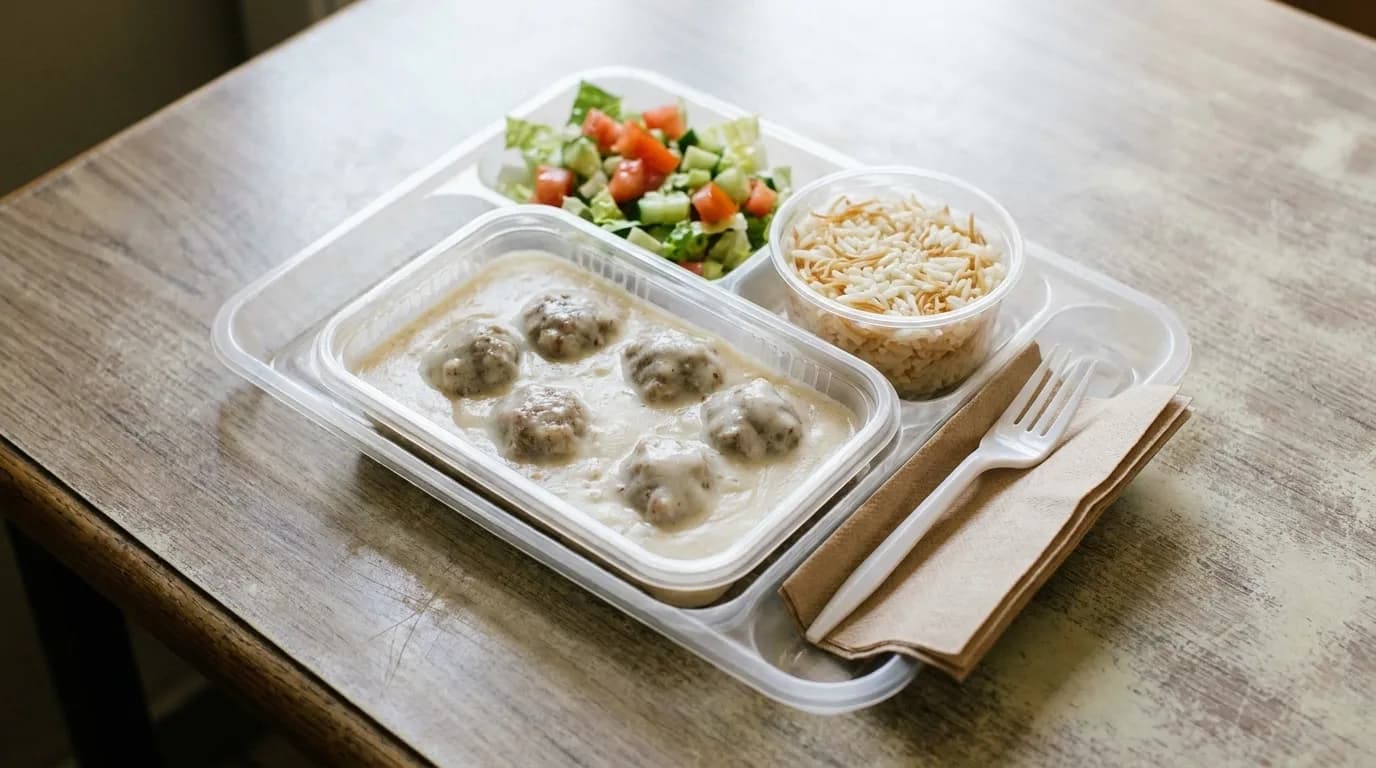
Delicious at the Dunbar is the clearest example of the thing worth knowing: a $15 lunch, served 10am to 2pm, Monday through Sunday. Not a promotion, not a fortnight, not a tier — a price. The entrée choices run to creole beef spaghetti, fried chicken, fried fish, a bacon cheeseburger and a caesar chicken salad, which is exactly the range a working lunch actually needs.
Hilltop Coffee + Kitchen's downtown room is the other one to know, and its advantage is the window rather than the price: it runs from 8am to 3pm, which covers the late lunch that most fixed-price offers exclude. Homegirl in downtown serves its $15 breakfast burrito — egg, potatoes, shredded cheese, salsa, your choice of vegetables or protein — from 7am to 11am, which is the shift-worker and early-meeting window.
There is a geography to this too. The cheapest reliable lunches downtown sit slightly outside the office core rather than inside it — a few blocks toward the garment, flower and jewellery districts, where the customer base is people working long shifts rather than people on an expense account. Walking five extra minutes routinely halves the bill, and the food is frequently better because the room has to compete on value rather than on convenience.
The same is true of timing within the window. A fixed-price kitchen serving from ten in the morning is at its best in the first hour and its most picked-over in the last, because the popular entrées run out and are not always replaced. If a place offers five choices and you care which one you get, go early in the window rather than late in it.
The rule about lunch windows
The most valuable thing on this page is not any single restaurant, it is the shape of the windows. Almost every good-value lunch in downtown Los Angeles is bounded on both sides, and the boundaries are tighter than people expect: 10 to 2, 8 to 3, 7 to 11. Miss the end of a window by ten minutes and the same kitchen sells you the same food at the dinner price.
Which means the correct behaviour is to organise the meeting around the lunch rather than the lunch around the meeting, at least once a week. The people who eat well and cheaply near an office are not the ones who found a secret restaurant; they are the ones who know that leaving at 1:45pm and leaving at 2:05pm are two different budgets.
There is a second reason to prefer a standing price over a promotional one, and it is about what the kitchen is doing. A restaurant serving a $15 plate every day has built its supply chain, portioning and staffing around that number, so the dish is the point rather than a loss leader. A promotional lunch is a reduced version of a menu designed at a different price, and it usually tastes like one.
Where else to look when the windows have closed
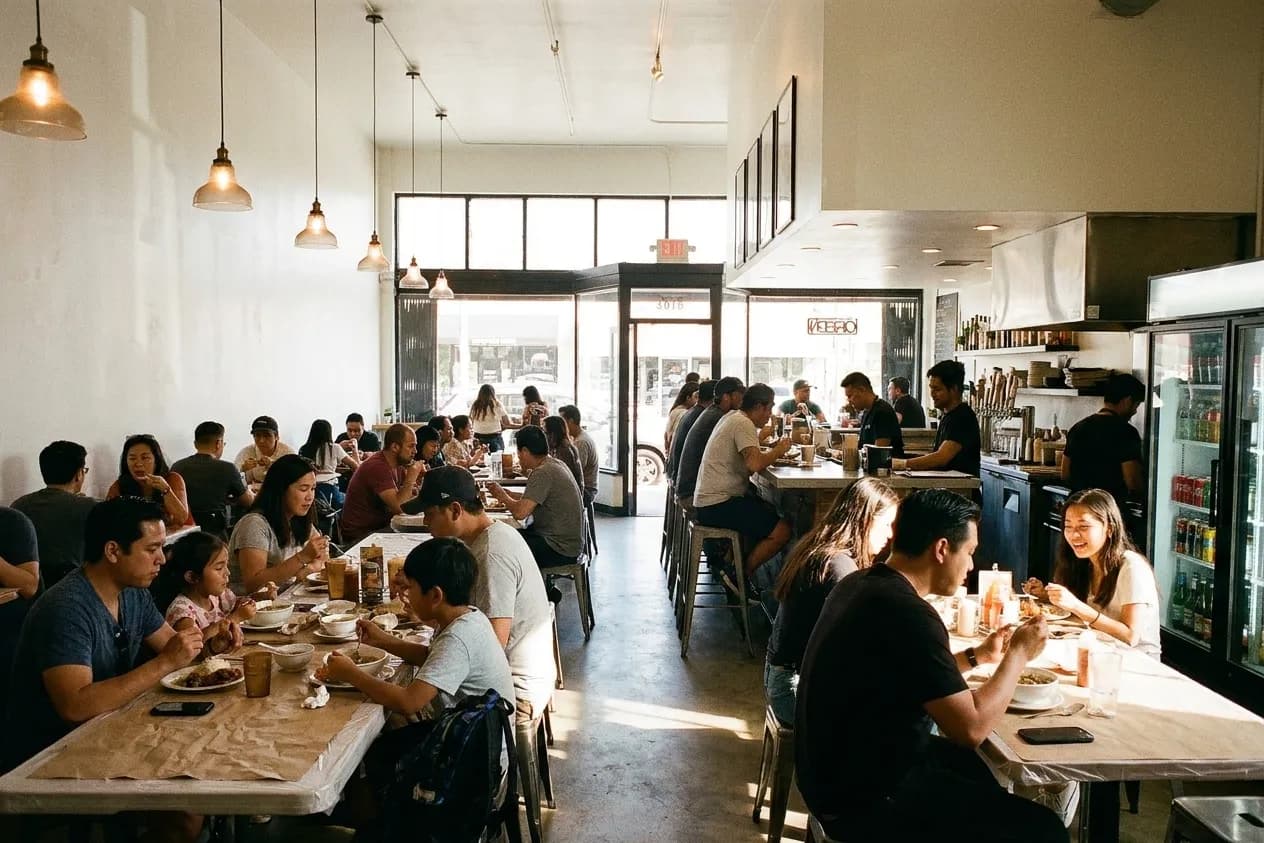
Downtown's food halls and market stalls are the fallback, and they are a good one — a dense set of counters under one roof, with wide hours, no reservation and enough variety that a group of five can agree without negotiation. The trade is that the very cheapest options there are usually cheaper than $15 and the best ones are usually more, so the average lands close to a fixed-price plate anyway.
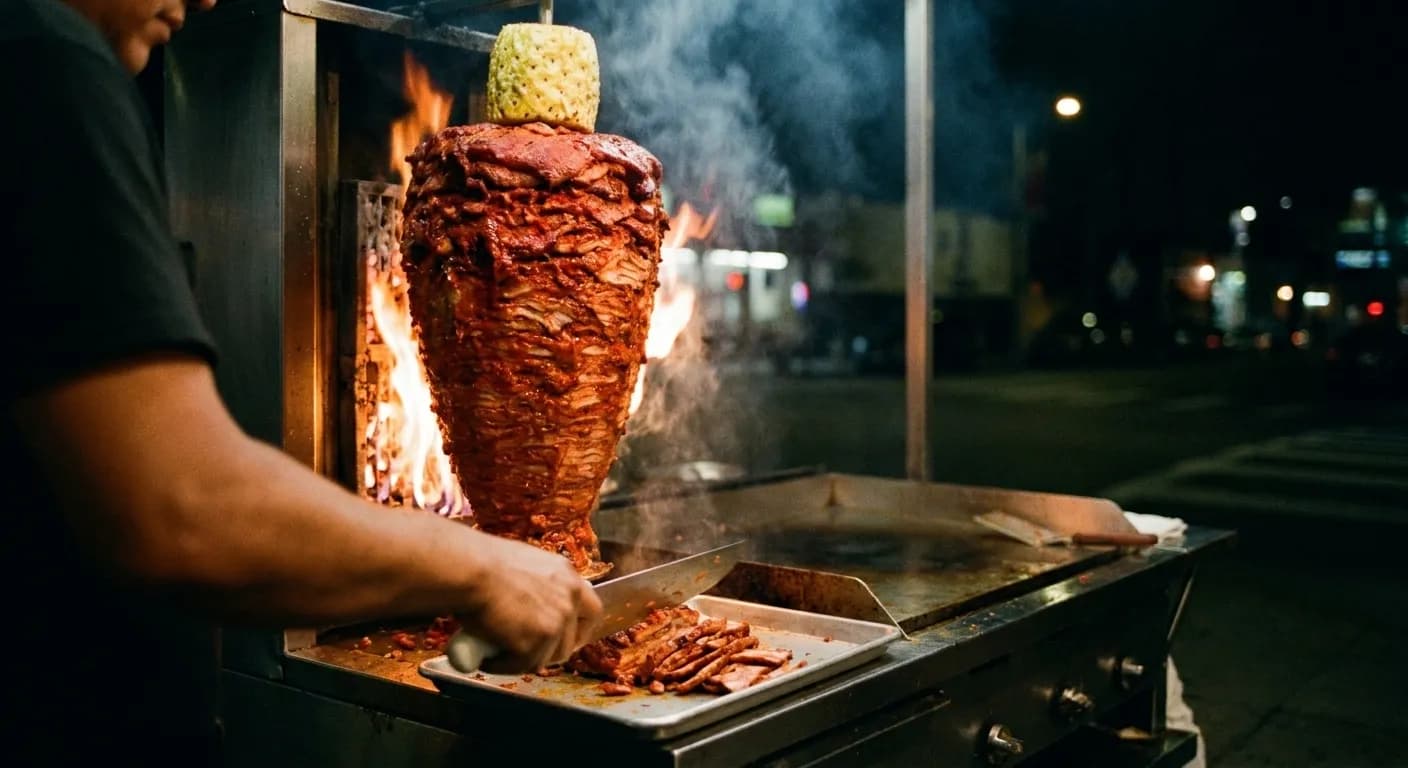
The other fallback is to eat the cuisine that is priced for a working lunch by default. Taquerías, Korean lunch sets, Thai and Chinese lunch specials, and the counters in and around the garment and jewellery districts are consistently under $15 without needing a promotion, and they are open when the promotional windows have shut. If you want a lunch habit rather than a lunch event, that is where it lives.
Practical notes
Dine LA ran 14 to 28 August at tiers from $15 and is over — ignore any listing still promoting it. Delicious at the Dunbar: $15, 10am to 2pm, seven days. Hilltop Coffee + Kitchen downtown: fixed plate, 8am to 3pm, the widest window on this list. Homegirl downtown: $15 breakfast burrito, 7am to 11am. Watch the window rather than the price, and keep a food hall and a taquería as the after-hours fallback.
Tags: #LosAngeles #DTLA #LALunch #LunchDeals #CheapEats #DineLA #WorkLunch #DowntownLA #LAEats #BudgetLA #LAFoodie #LunchSpecials #OfficeLunch #WhereToEatLA
All trademarks are the property of their respective owners.
Ask Karpo first
Trying to eat well on a working lunch hour in Los Angeles? Ask Karpo which fixed-price kitchens near your office are still inside their window right now, and what the fallback is once it closes.