The most reliable saving available in New York restaurants is not a coupon or a happy hour. It is the fact that a large number of kitchens run a genuinely different menu between roughly half eleven and half two on weekdays — smaller portions, fixed combinations, and prices that would be impossible at seven in the evening. This is not a discount on the dinner menu. It is a separate product designed for people with forty-five minutes, and it disappears completely by dinnertime. Here is where it is worth using.
Weekday lunch pricing in New York is a different menu, not a discount, and it vanishes at half two without warning. Text Karpo where you work and get the lunch sets near you that are running right now, what each actually costs with soup and sides included, and which ones you can be in and out of inside forty minutes.
Koreatown: the best value per dollar in Manhattan
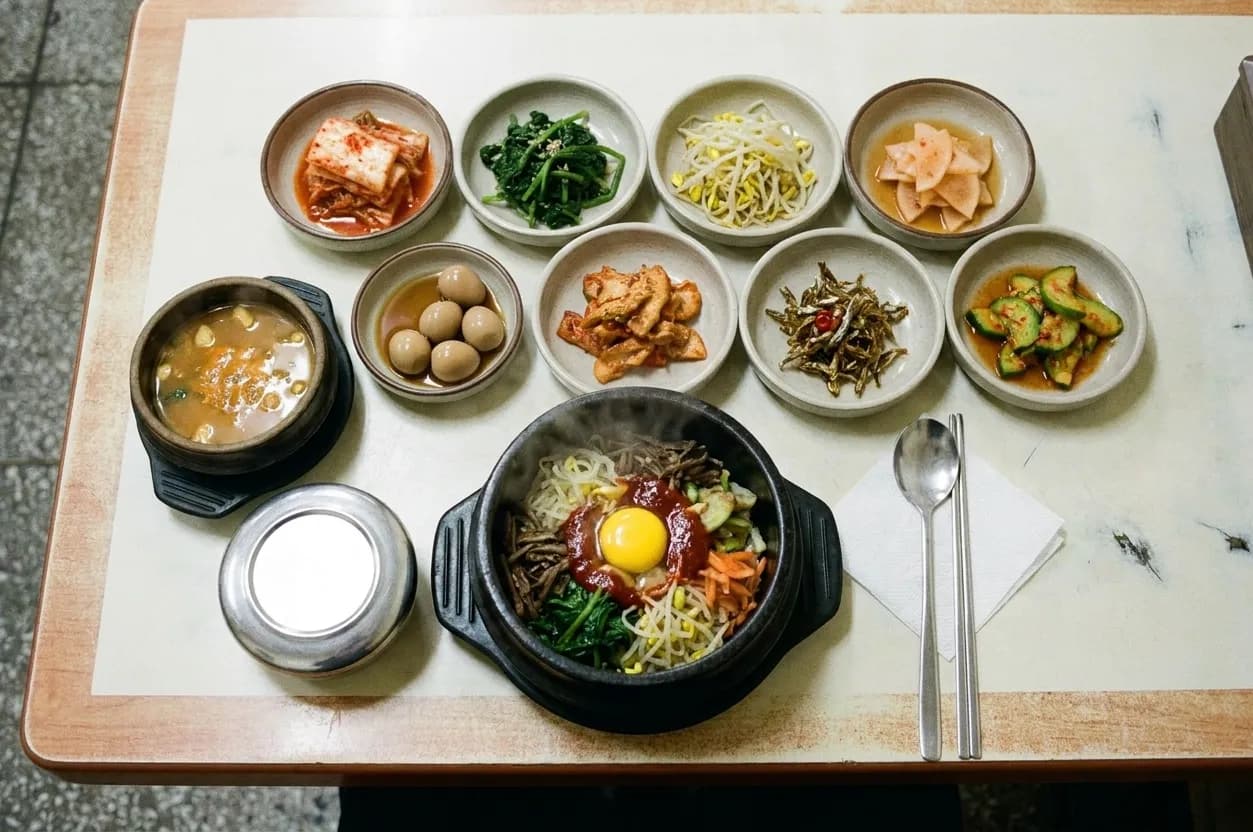
West 32nd Street is the strongest single block in the city for weekday lunch economics. Korean lunch specials at spots along the strip, including BCD Tofu House and Kang Suh, routinely land in the twelve-to-fourteen-dollar range and that price includes soup, rice and a spread of banchan. Counting the banchan properly, that is four or five things on the table for the price of a Midtown sandwich.
Just off Koreatown, Her Name Is Han runs lunch sets in the high teens — a mini beef bulgogi hot pot, a bibimbap or grilled mackerel, each with rice and banchan, served Monday to Friday roughly noon to three. It is the version of this to take someone to rather than to eat alone at, and the three o'clock cut-off is real.
Chinatown: the lowest floor in the city
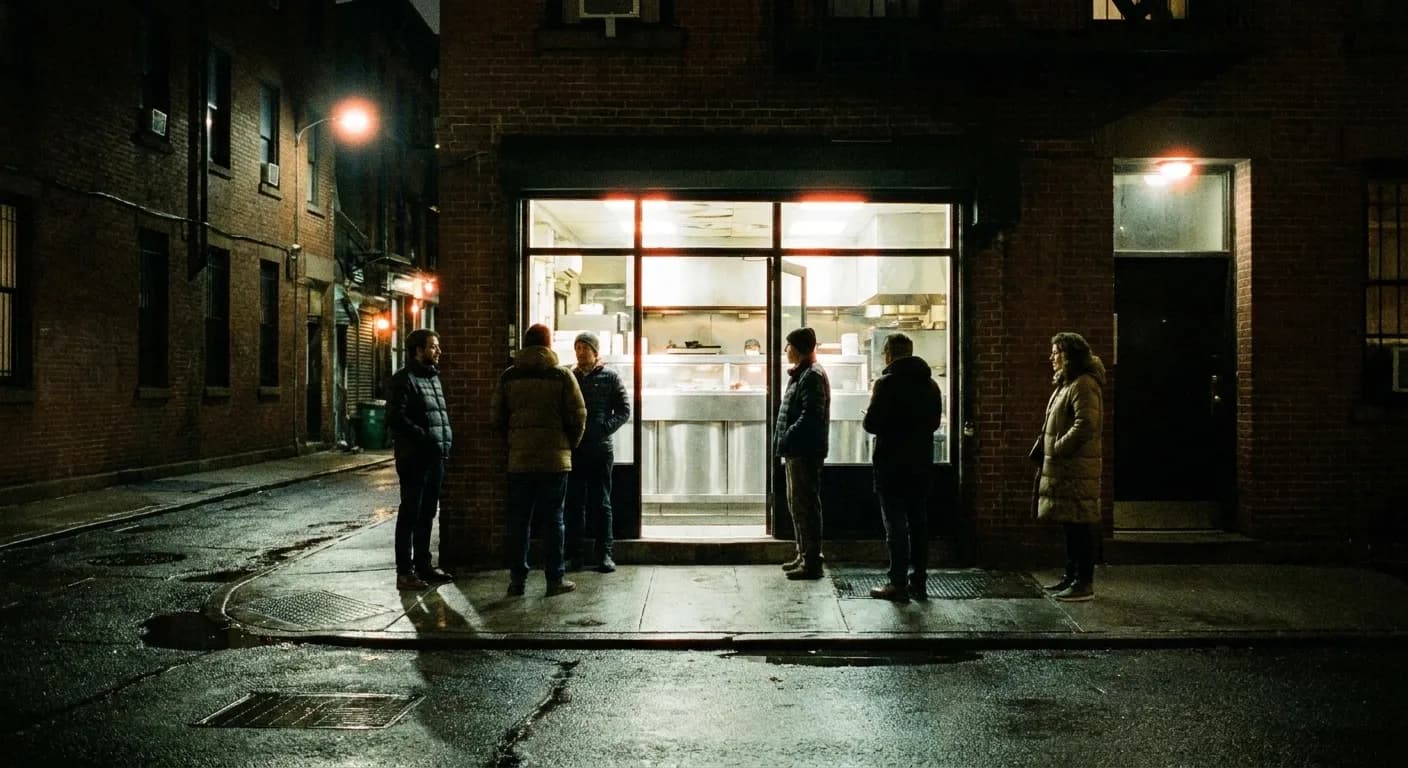
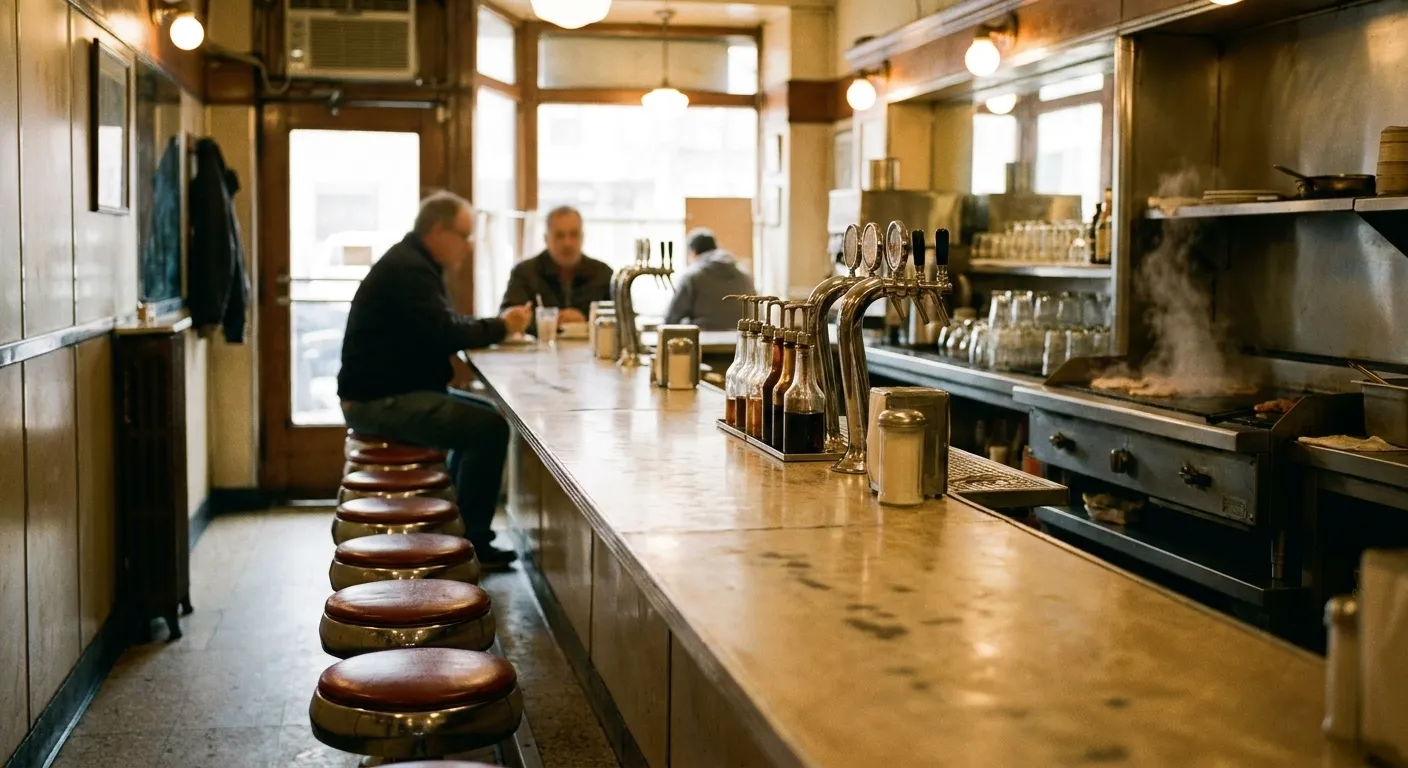
Chinatown consistently has the lowest cost per meal in New York, and it is not close. A full meal in the five-to-eight-dollar range is genuinely available at the food courts, dumpling houses and vendors around Mott Street, and dim sum lunch sits under fifteen. The catch is not quality; it is cash, seating and speed — many of the best counters have four stools and a queue out the door at half twelve.
The tactic that makes Chinatown work as an office lunch rather than a weekend outing is going at eleven forty-five or at two. Between those hours you are competing with everyone else in Lower Manhattan who has worked this out, and the twenty minutes you spend queueing is the entire saving, converted into a worse currency.
Midtown: where the prix fixe still exists
Midtown is where the two-course lunch survives, because it is the one neighbourhood with enough weekday demand to justify it. The Shakespeare runs a two-course, twenty-dollar lunch with an appetiser and a full entrée and lets you mix and match across the menu, which is close to the old-fashioned business-lunch format at a price that no longer exists at dinner anywhere near it.
For a shorter break, Peppercorn Station at 66 West 39th Street runs Sichuan lunch specials starting around thirteen dollars, and Ánimo in Midtown East is counter-service Mexican doing chicharrón, braised beef shank in mole and tres leches — the sort of place where the whole transaction takes fifteen minutes and the food is not a compromise.
The rule that governs all of it
The window is between about half eleven and half two, and it is enforced literally. Korean restaurants in Koreatown, Chinese restaurants in Chinatown and Indian kitchens in Murray Hill all run significantly discounted combination plates during those hours, and those plates are simply removed from the menu at dinner. Arriving at two forty and asking for the lunch special is the single most common way people miss it.
The corollary is that the lunch menu is often the cheapest way to try an expensive kitchen. A restaurant you would not book for dinner is frequently reachable at lunch for a third of the price, with the same kitchen and a calmer room. Restaurant Week formalises this twice a year, but the everyday version runs all year and requires no booking window.
Getting it right in under forty-five minutes
Three habits make weekday lunch work. Ask for the lunch menu explicitly — plenty of places will hand you the dinner menu by default at one o'clock and will produce the other one if asked. Order and pay in the same interaction where the room allows it, because the bill is where lunch loses ten minutes. And pick the format to the time you have: a Korean set arrives all at once and eats fast, a two-course prix fixe does not.
The last thing is geography. The best lunch deal you will not use is one that is twelve minutes' walk away, because at some point in a busy week you will do the maths on the walk and buy a sandwich instead. Find the two good ones within five minutes of your desk and treat everything else as a Friday.
Tags: #bestlunchspotsinnyc #nyclunch #lunchdeals #koreatown #chinatown #midtown #murrayhill #officelunch #cheapeatsnyc #lunchspecial #nycfood #weekdaylunch #manhattaneats #lunchbreak
All trademarks are the property of their respective owners.
Ask Karpo first
Lunch specials in New York are neighbourhood-specific, time-boxed and almost never listed online — the Korean set on 32nd Street, the Sichuan special in Midtown, the counter in Chinatown all run on different clocks. Ask Karpo what is on a lunch price near you right now, how long the queue is, and whether it will still be running by the time you get there.