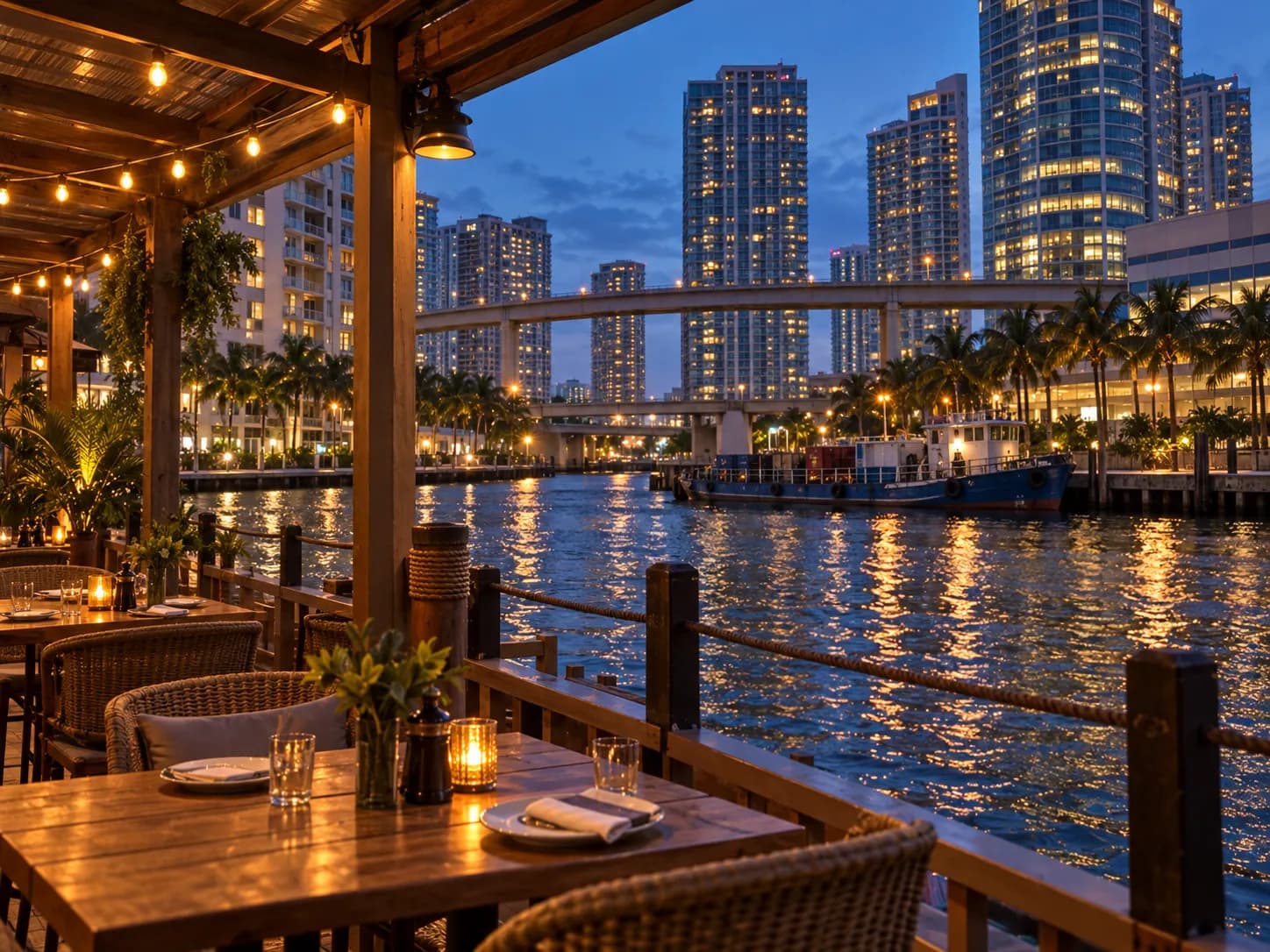
CVI.CHE 105 opened downtown in 2010 and is the restaurant that made a lot of Miami take Peruvian food seriously as a lunch option rather than as a dinner occasion. It is on Northeast 1st Street, the ceviche is made to order, and that last detail changes how you should plan the meal.
Ceviche is made to order here rather than held, which changes how long a lunch takes and what time of day makes sense. Ask Karpo whether the downtown room is busy right now and how the Metromover connects it to where you are.
Made to order is not a slogan
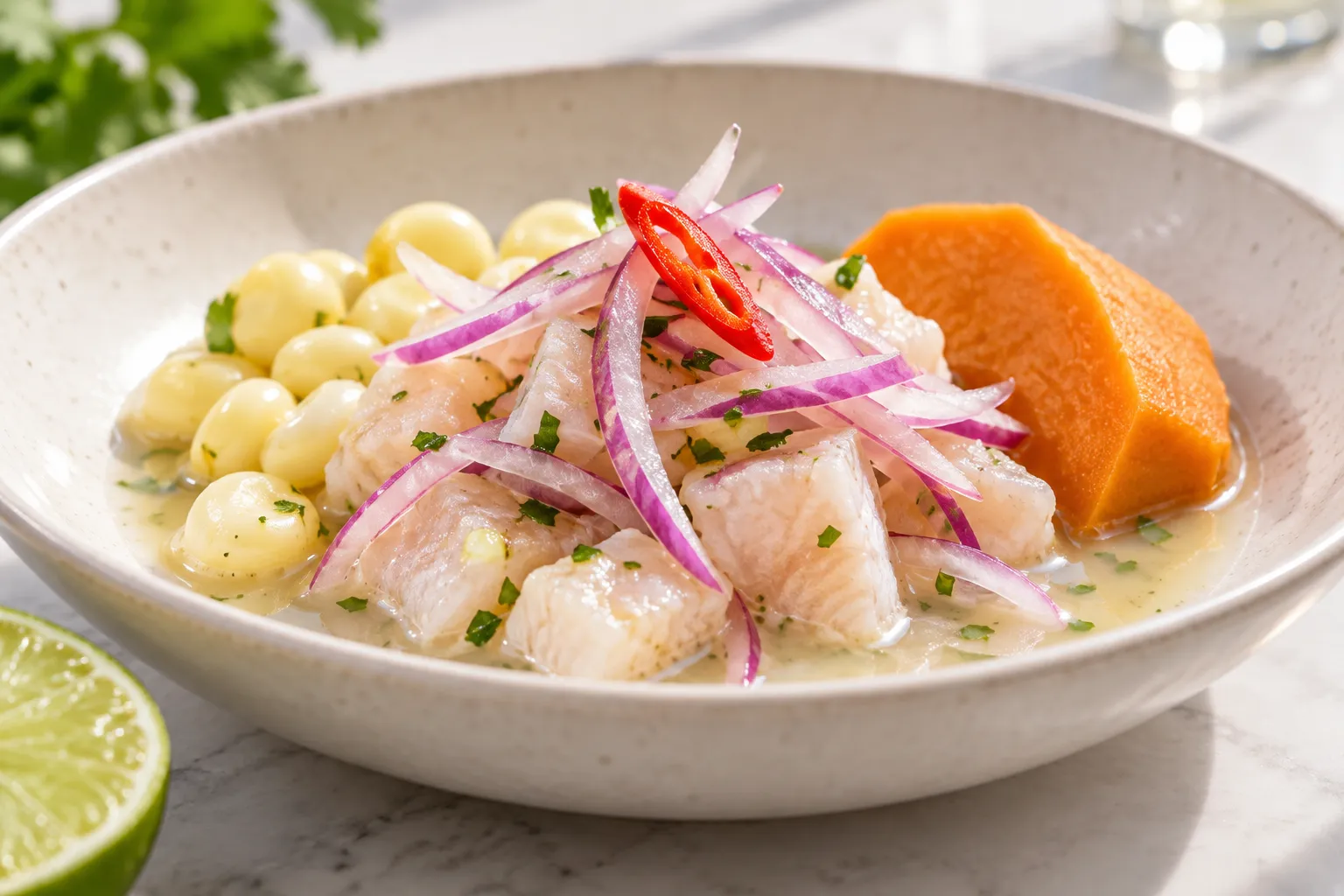
Ceviche is a timing dish. The fish is cured by the acid in the marinade, and how long it sits determines everything about the texture — too little and it is essentially raw, too long and it goes opaque, firm and chalky. A ceviche that has been sitting in a fridge waiting for you is a different and worse dish.
Making it to order means a wait, and it means the lunch is a sit-down meal rather than a grab. Twenty-five to forty minutes is a realistic total for a ceviche lunch here, which is fine for a normal lunch hour and does not work for a fifteen-minute break.
It also means the fish arrives at the correct moment, which is the entire reason to eat ceviche in a restaurant rather than buying it somewhere it has been sitting. That is what you are paying the time for.
Leche de tigre and the other dressings
The ceviches and tiraditos are dressed in a range of traditional sauces, and knowing the two main ones makes the menu legible. Leche de tigre is the classic: the citrus marinade itself, sharpened with chilli, garlic, ginger and often a little fish, served as the pool the ceviche sits in and sometimes drunk separately as a shot.
Rocoto is the other direction — built on the rocoto pepper, which is genuinely hot and fruity rather than sharp. A rocoto-dressed ceviche is a different dish from a leche de tigre one and not a spicier version of it.
Tiradito is the third thing to understand and the most commonly misordered. It is sliced rather than cubed, and it is dressed rather than marinated, which means it is closer to a sashimi preparation. Ordering one of each between two people is the way to actually see what the kitchen does.
The rest of the menu
Beyond the raw fish there are appetisers, shared plates, traditional dishes and cooked Peruvian seafood. Chef Juan Chipoco built the restaurant on his mother's and grandmother's cooking, and the traditional section is where that shows most clearly.
For a lunch, one ceviche plus one shared cooked plate is the right structure. Two ceviches between two people is a lot of acid and cold fish in one sitting, and the meal is more interesting with something hot in it.
The restaurant has a second location and has become well known enough that the downtown room is often busy, particularly during the winter season when the whole of downtown Miami is fuller.
Getting there without driving
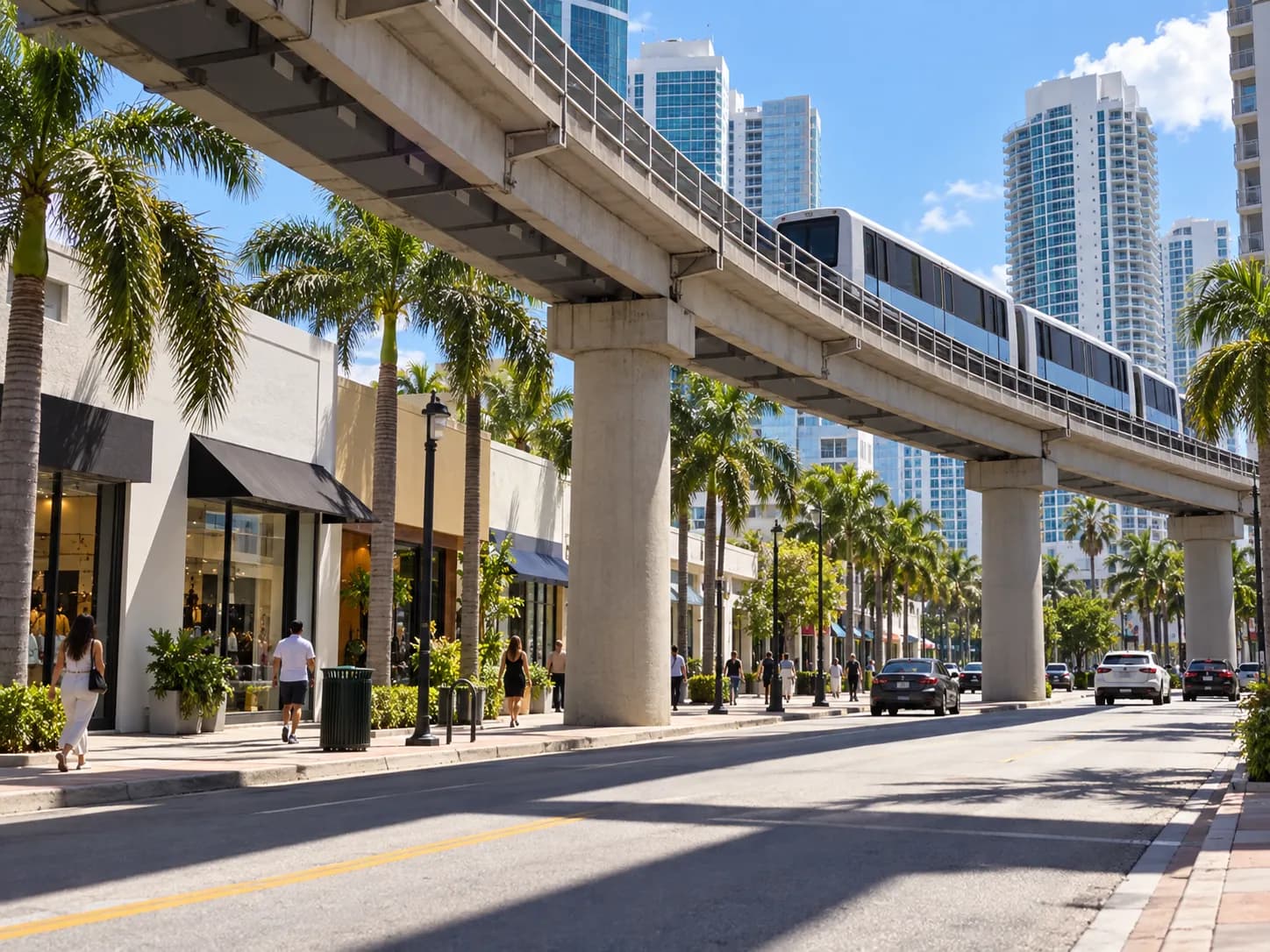
This is one of the few Miami restaurants where the transit answer is genuinely good. The Metromover — the free elevated automated line that loops downtown and Brickell — runs within a short walk, and the Metrorail connects to it. For anyone staying in Brickell or downtown, this is a walk-and-ride rather than a drive.
There is valet through a third party, plus on-street and off-street parking, but downtown parking during the working day is expensive and the free elevated line is genuinely free. Using it is the correct call and most visitors never work out that it exists.
If you are coming from the beach, the trip is longer and a lunch here is a decision rather than a convenience. In that case it makes more sense as part of a downtown afternoon than as a meal on its own.
When to go
Weekday lunch is the best version. The room is busy but functional, the kitchen is working at full speed with fresh fish, and the downtown location means the customer base is people working nearby rather than a tourist crowd.
Winter season, roughly December through April, is when downtown Miami is at its fullest, and a weekend lunch during that window can mean a real wait. Outside it, the same room is considerably calmer.
Reservations are available through OpenTable and are worth making for a group. For two people at lunch on a weekday, walking in is generally fine.
Why Peruvian food landed here
Miami has one of the larger Peruvian populations in the United States, concentrated in Miami-Dade and Broward, and the restaurant scene reflects that — this is not an imported cuisine being introduced to a new audience but a community's food that expanded outward from its own neighbourhoods.
That matters for what you can expect on a menu. Restaurants serving their own communities carry the dishes that are difficult to sell to outsiders alongside the ones that travel easily, which is why the traditional section here includes things that never appear on a Peruvian menu written for a general audience.
It also means there is a considerable depth of Peruvian eating in this city beyond the well-known rooms, particularly in the western suburbs and up into Broward. A ceviche downtown is a good introduction; the more interesting version of the search is what a Peruvian family eats on a Sunday, and that is further out.
Practical notes
On Northeast 1st Street in downtown Miami; open since 2010, with Juan Chipoco as chef and a second Miami location. Ceviche is made to order — budget twenty-five to forty minutes for a proper lunch rather than treating it as a quick stop. Order one ceviche and one cooked plate between two rather than two ceviches; add a tiradito to see the sliced-and-dressed preparation. Leche de tigre is the classic marinade and rocoto is the hot one. The free Metromover runs within a short walk and is the best way in from Brickell or downtown. Bookings through OpenTable; weekday lunch generally takes walk-ins.
Tags: #cviche105 #bestlunchmiami #lunchnearme #downtownmiami #peruvianfood #ceviche #lechedetigre #miamiseafood #miamifoodguide #metromover #miamieats #tiradito #restaurantsnearme #miamilunch
All trademarks are the property of their respective owners.
Ask Karpo first
Ceviche made to order means this is a sit-down lunch rather than a quick one, and downtown Miami fills up unpredictably in season. Ask Karpo how busy the room looks right now, how long the Metromover takes from where you are, and whether a weekday walk-in is realistic today.